Commercial Roofing for General Contractors in Miramar, FL
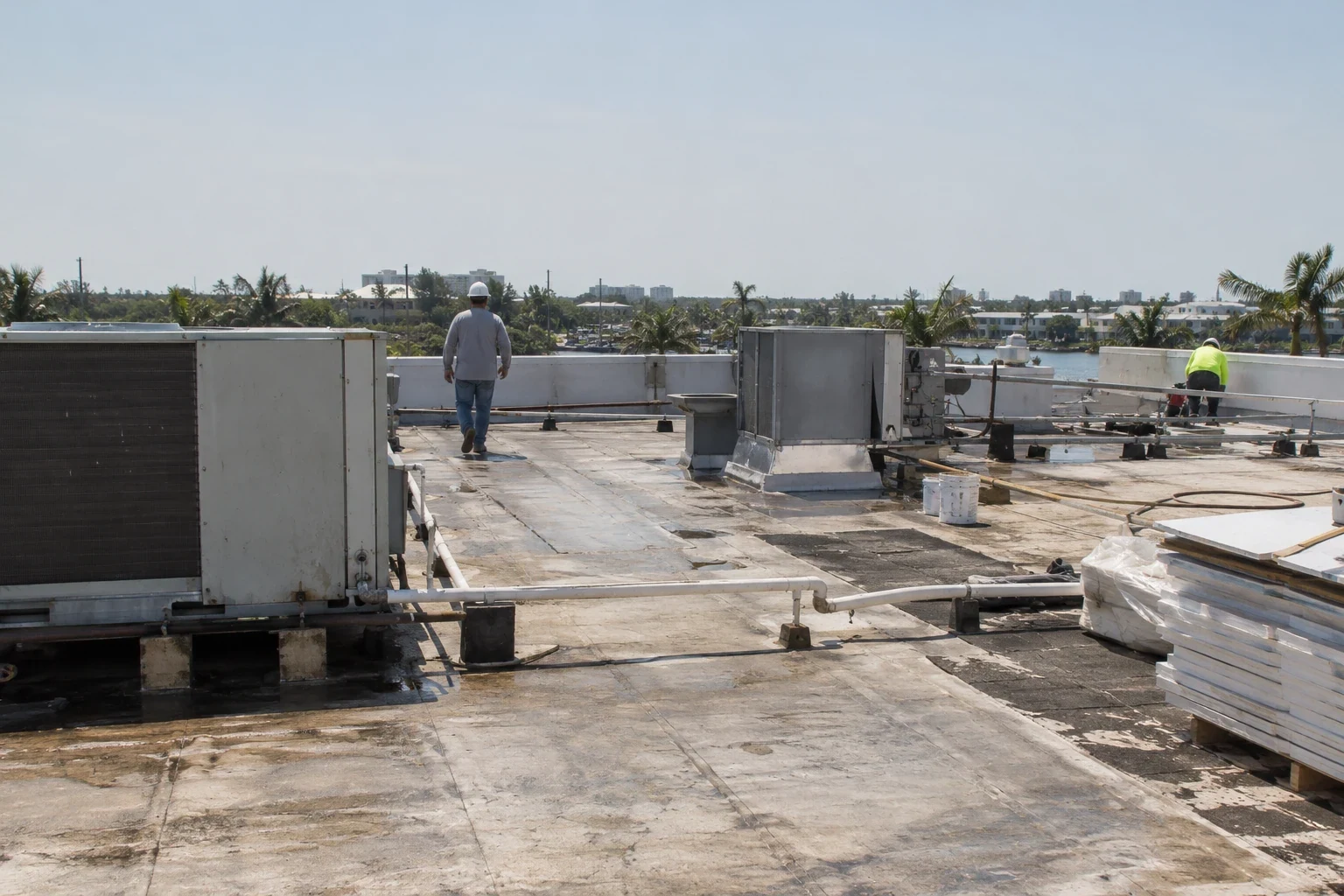
A general contractor may need a roofing partner during a tenant buildout, capital project, leak response or occupied-building renovation. The roof scope has its own access, weather exposure, substrate conditions and closure requirements, so it needs clear interfaces with the overall project plan. We document observed roof conditions, identify where work meets curbs, walls, drains or other trades, and list assumptions that require confirmation before pricing or mobilization. In Miramar, the map distinguishes working districts and office parks, lists employment and regional-activity centers, and marks transit-oriented development alongside commercial and industrial uses. The city redevelopment inventory includes mixed-use development combining residential and commercial components. On work around Miramar Town Center, the superintendent and roofing lead identify occupied areas below each roof phase. The Turnpike is one major route through Miramar; each project contact confirms the actual delivery and roof-entry paths. Before recommending work, we verify the project’s roof assembly, condition, access and trade interfaces.
Our team coordinates with the GC superintendent, owner representative and other trades on work boundaries, staging, schedule windows and daily dry-in. A Miramar commercial roofing review can document the roof conditions for the project file. For work that begins with an existing leak, a commercial roof inspection separates observed defects from items needing testing.
How do you define the roofing scope?
We start with the roof area, reported issue, plans available, site access and the work performed by adjacent trades. The review records visible membrane, flashing, edge metal, drains, penetrations, rooftop supports and previous patches. We identify whether an opening, moisture test or destructive investigation is needed to confirm concealed layers. The proposal then distinguishes included work, exclusions, owner decisions and conditions that could change quantities after access.
That boundary helps prevent a roof line item from silently absorbing mechanical, electrical, structural or interior work. A manufacturer roof scope may need coordination around production hours and equipment, while a warehouse roofing plan may depend on loading and inventory routes. We state who supplies equipment disconnects, curb modifications, deck repairs and interior protection before the schedule is finalized.
How should roofing fit the trade schedule?
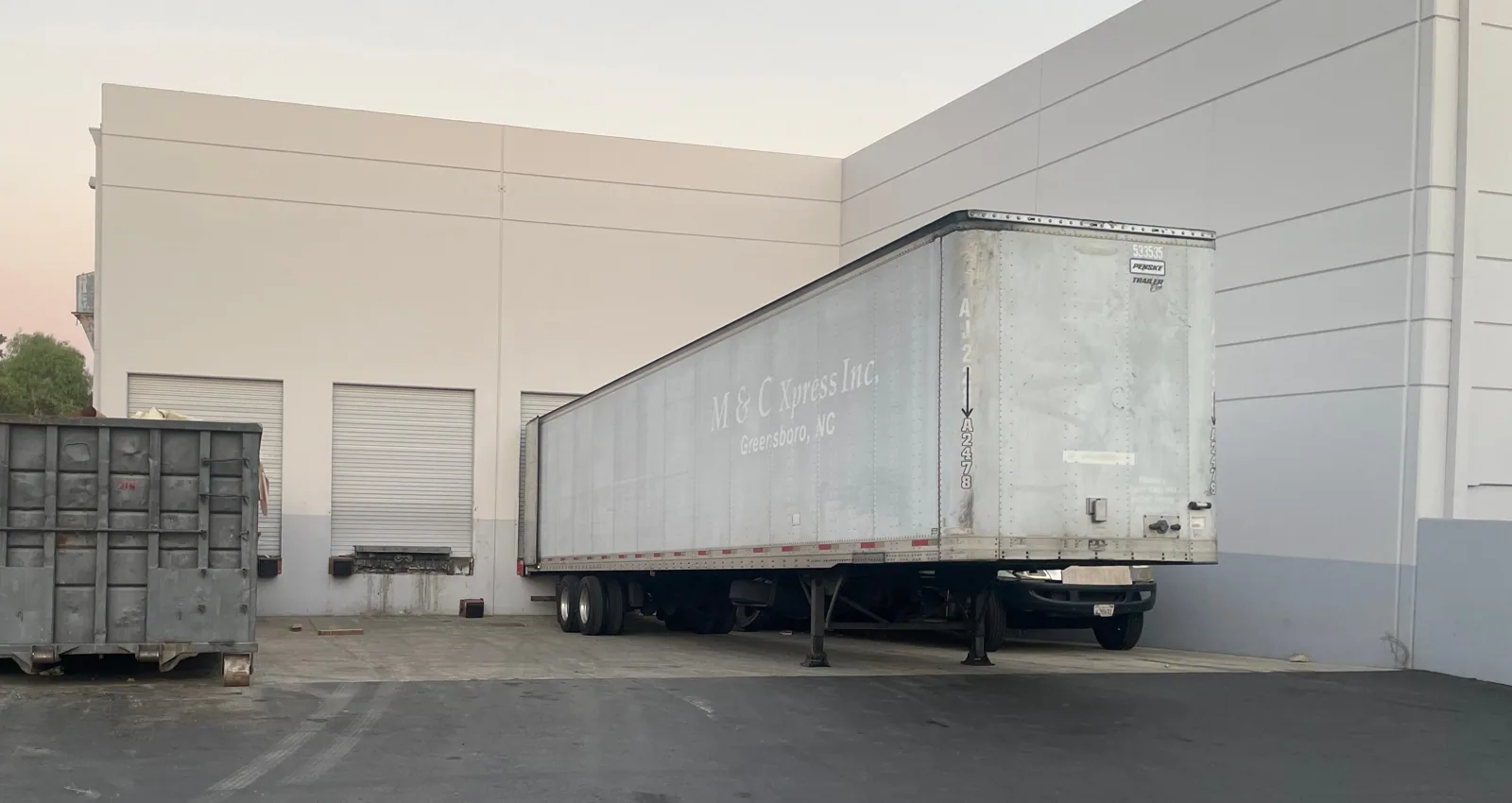
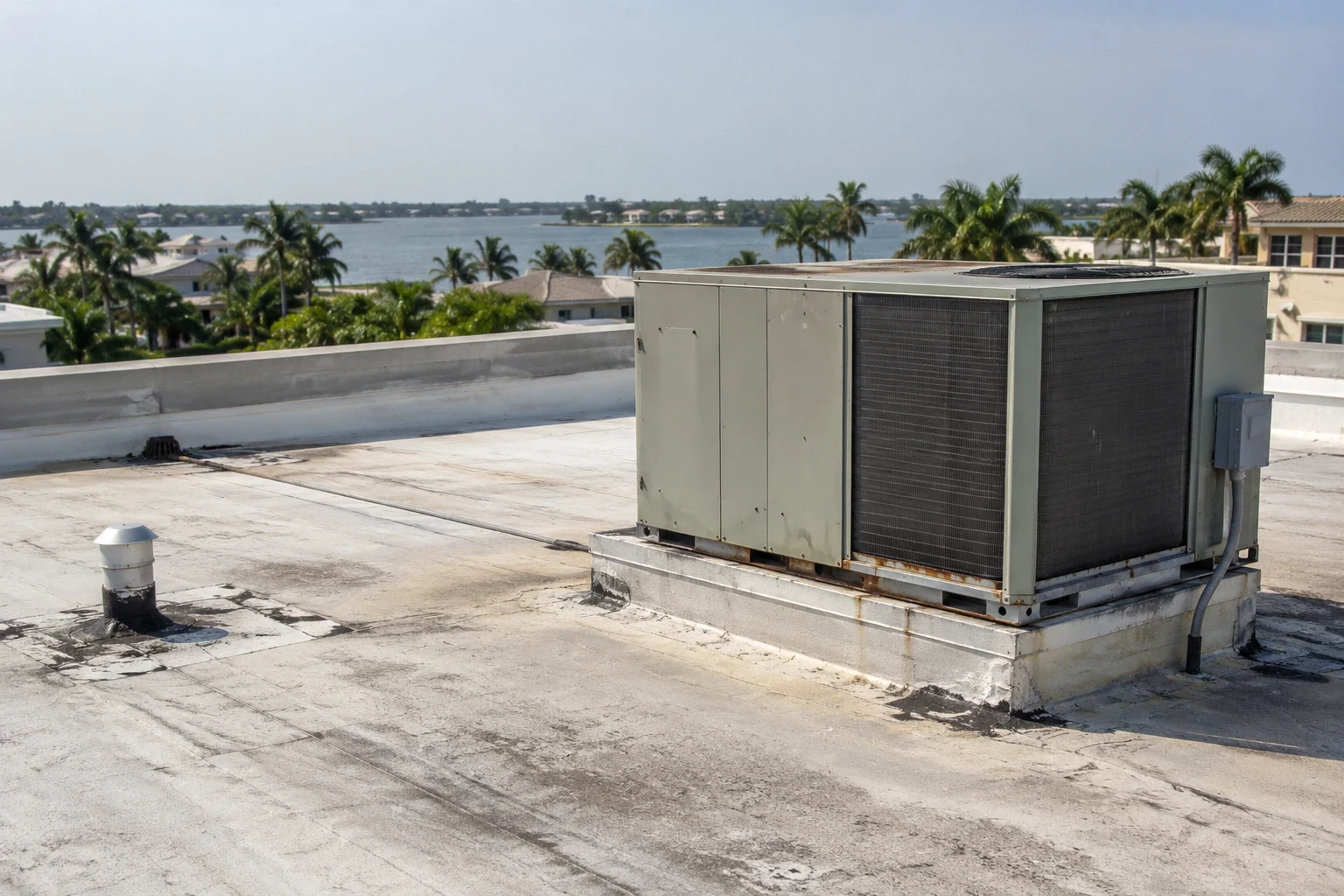
Run the roofing line on the look-ahead against MEP close-in, crane picks, permanent curbs, conduit completion and inspections. Before a membrane cut is authorized, confirm who owns the flashing detail and who signs off on a change to equipment height or penetration location. Keep temporary covers assigned to a specific trade and mark the date the opening can be closed. For each phase, the superintendent and property contact confirm access and staging, name the roof zone released to roofing, identify the next trade and record when protection can come down. A curb and equipment detail review can resolve interface questions before the roof membrane is cut.
What changes on an occupied project?
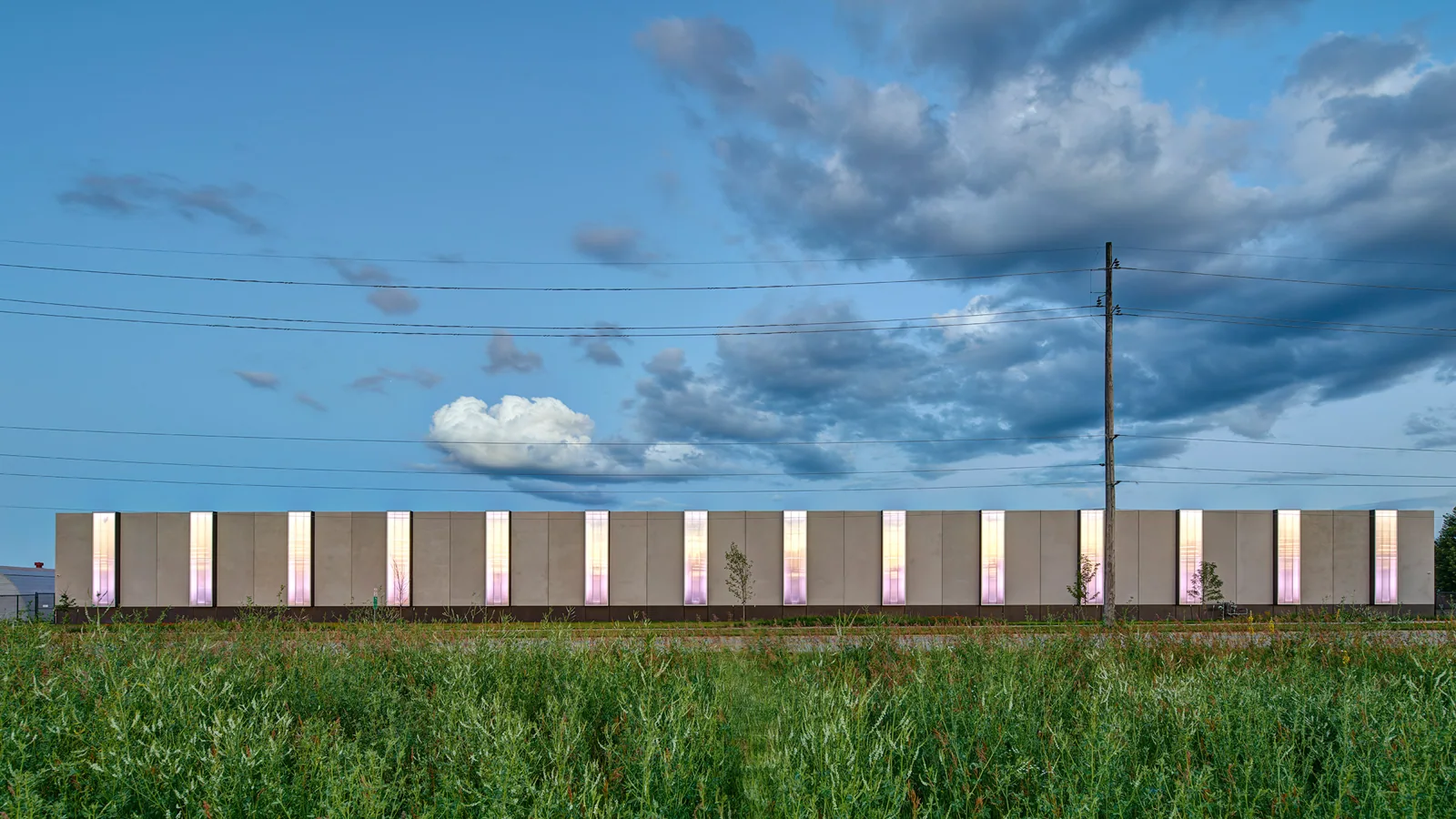
An occupied facility adds people, operating hours and protected routes to the roofing plan. We identify the area below each roof section, discuss dust or noise controls, confirm how the crew reaches the work zone, and define the end-of-shift closure point. The owner or GC directs occupant notices and interior access. If a task cannot be separated from a tenant operation, the schedule should show the required approval and alternate window.
For multi-tenant properties, approvals and access contacts may differ by building or suite. A property manager coordination record can keep those decisions connected to the right asset. The report lists protected areas, observations and access limits so the GC can plan the next work zone. The GC can use that record in its daily coordination, change review and owner communication.
How do you manage weather exposure?
Roof openings must be sequenced around forecast conditions, crew capacity and the ability to protect the building. Before removal, we agree on the area that can be dried in and closed within the planned shift. If moisture, damaged deck or an unexpected layer changes that limit, work pauses at the agreed boundary while the GC and owner review the condition. Photos and a written note show what was exposed and what protection was installed.
Before the weekly look-ahead, the GC and roofing lead should identify the next roof zone, its dry-in limit, and who can approve a concealed-condition change. The work record should show which trade owns each open curb or penetration and when a completed tie-in was photographed. The approved work plan should track current site conditions. A post-storm roof assessment documents observed movement and water entry after a weather event, helping the team update its sequence when conditions change.
More about General Contractors
What belongs in roofing closeout?
Useful closeout records connect the approved scope to the work completed. Depending on the contract, that may include dated progress photos, marked roof areas, product information, inspection observations, approved changes and a list of remaining items. We identify concealed work before it is covered when the project plan requires that review. The record lists testing included in the roof scope and deferred work so closeout matches the contract.
The GC leads overall commissioning, permit and owner-acceptance tasks. A roof asset record can help the owner retain condition notes for later budgeting, while a repair scope gives operations a clear list of localized work. We can also compare a replacement assessment when the reviewed area shows repeated failure or broad deterioration.
What should a GC send for review?
Share the project location, roof plan or marked area, current schedule, access rules and the reason for the request. Include known penetrations, equipment changes, reported leaks, prior repairs and any testing already completed. If drawings are incomplete, identify the assumptions the bid should carry. We can then review the available information, schedule a site visit when appropriate and return a scope that identifies what is confirmed, what remains open and which parties need to coordinate.
For an active leak, describe the interior impact and whether water is still entering. For planned work, note milestone dates and the trades expected at the roof. A short coordination call can confirm access, staging and daily closure before mobilization. We confirm roof conditions and resolve unsafe trade interfaces before a roof section opens.
When several buildings share a project, send a separate roof area or plan mark for each one. Note whether the roof is part of new construction, an addition or work over an existing assembly. The superintendent can identify the responsible contact for access, safety orientation and lift approvals. If a submittal or product-selection deadline is fixed, include it with the request so the roofing review can distinguish information needed for pricing from approvals needed before installation.
Commercial Roofing Questions
Can you price roofing from a GC's drawings?
Plans can support an initial review, but existing roof layers, moisture, deck condition and access may need field verification. We list assumptions and exclusions so the GC can compare the scope with the contract documents. Any concealed condition is reviewed before quantities or methods change.
Who handles mechanical equipment disconnects?
The contract and project team determine which trade disconnects, moves and reconnects equipment. We identify curb, flashing and membrane interfaces in the roofing scope and coordinate the sequence with the GC. Those responsibilities should be assigned before work reaches the equipment.
Can you work while tenants remain in the building?
Often the work can be planned in defined roof zones, but access, noise, interior protection and operating hours need review. The owner or GC coordinates notices and access below. We agree on staging and a daily closure point before opening the roof.
What happens if the deck is damaged?
We document the observed condition and stop at the approved boundary if the discovery changes the scope. The GC and owner review the quantity, repair responsibility and schedule impact before additional work proceeds. We leave unconfirmed quantities as approval items until opening reveals the actual condition.
Do you provide project closeout documents?
The closeout items depend on the proposal and contract. They can include progress photos, roof-area notes, approved changes and remaining items. The GC retains permit, commissioning and owner-acceptance records, while the roofing file identifies its documented work and remaining items.
Miramar, Pembroke Pines, Davie, Hollywood, Opa-locka, Miami Gardens, Miami Lakes and Doral in Broward and northern Miami-Dade County.
Request a Roof Assessment
Send the building address and what the roof is doing. We reply with a roof visit date and a written scope.