
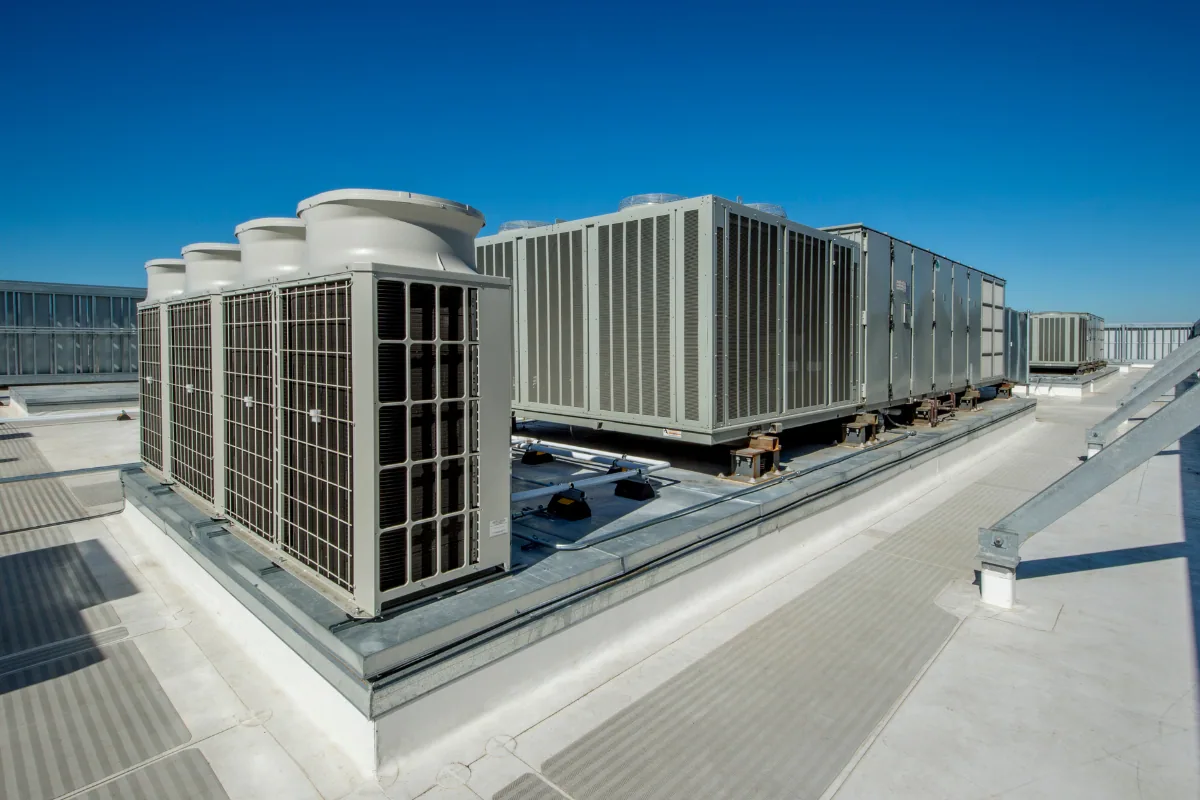
Rooftop Equipment Curbs and Supports in Miramar, FL
An exhaust curb that shifts can open a seam where the roof meets equipment. In Miramar, industrial, office-park and employment-center properties put rooftop units, service routes and drains in close quarters. We inspect the curb flashing, support feet, membrane and nearby drain path together. That shows whether the leak begins at the detail, whether the equipment needs trade coordination, and where a lasting repair can stop. If moisture has spread beneath the membrane, we map the affected area before closing it. A hands-on roof inspection can separate a loose detail from a larger assembly concern, while commercial roof work in Miramar can be planned around roof access and the building schedule.
What can movement do at a curb?
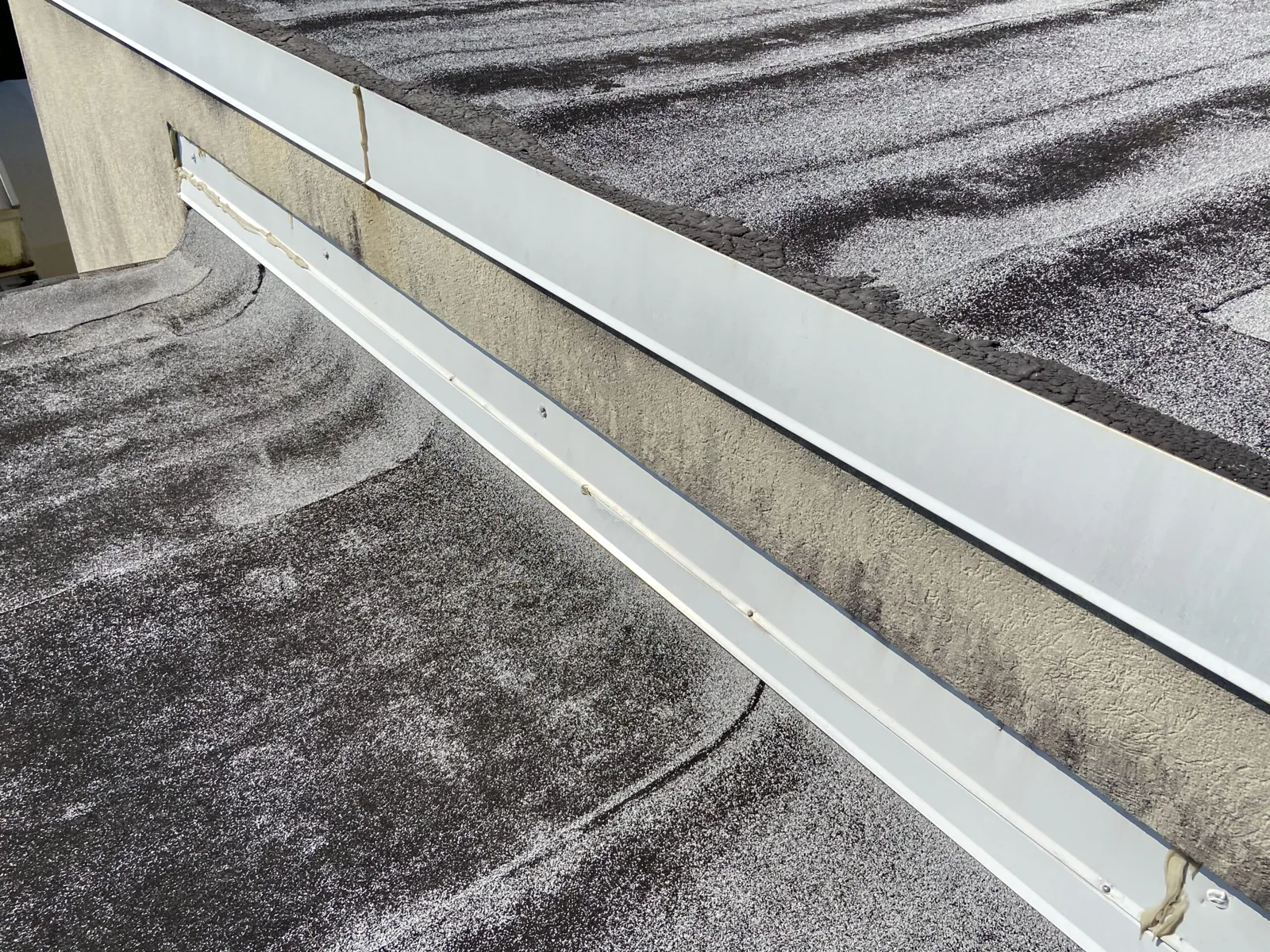
Equipment starts, stops and receives service. Vibration, repeated foot traffic or a prior change in the unit can stress the flashing at its curb. We look for split corners, open sealant joints, lifted membrane, loose metal, fasteners that no longer hold and signs that a support has shifted. The surface may look intact from a distance while a narrow opening remains at the curb base. We check the laps and termination around the full perimeter, then mark any damaged membrane and wet insulation separately so the repair does not cover a condition that needs removal.
Miramar's mapped land uses include industrial, office-park, employment-center and regional-activity categories. A roof in those areas may have several units and service paths, but its equipment layout must be inspected in place. We identify each curb by roof zone and note clearance around the equipment. A drain and scupper review helps show whether water is collecting near the penetration or following a path from another detail. That distinction affects where we open and how far the repair should extend.
Could the drain path be part of the leak?
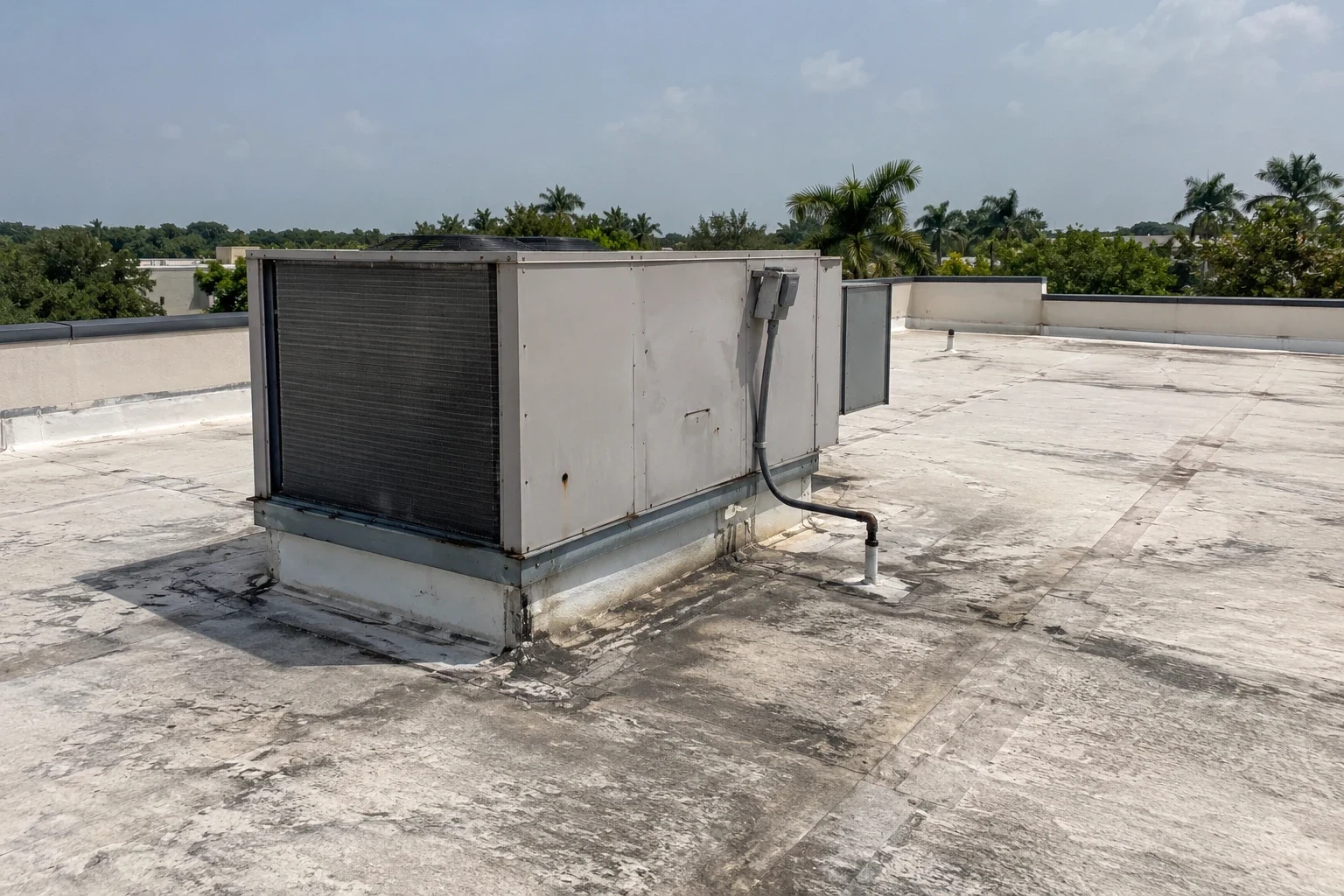
Water can remain near a curb when the slope, drain bowl or discharge is restricted. We trace the visible path instead of assuming the equipment flashing is the only weak point. A low area may hold water against a curb, while debris or an uneven transition can slow drainage. After rain, the location of a ceiling mark may not line up with the opening above it. We compare the interior report with roof conditions and check nearby seams, penetrations and edge details before choosing a repair boundary.
We record curb dimensions, equipment clearance, and flashing condition so service access remains possible after repair. That exposure makes open drain paths and secure curb details useful items to review after severe weather. Miramar's highway network includes Florida's Turnpike, I-75, US 441 and US 27, with additional regional routes nearby. For an occupied property near those corridors, we coordinate access and staging with site operations before beginning work. If rain has entered around a curb, leak tracing and repair can address the observed opening while preserving evidence of any separate wet area.
When does a support need more than new flashing?
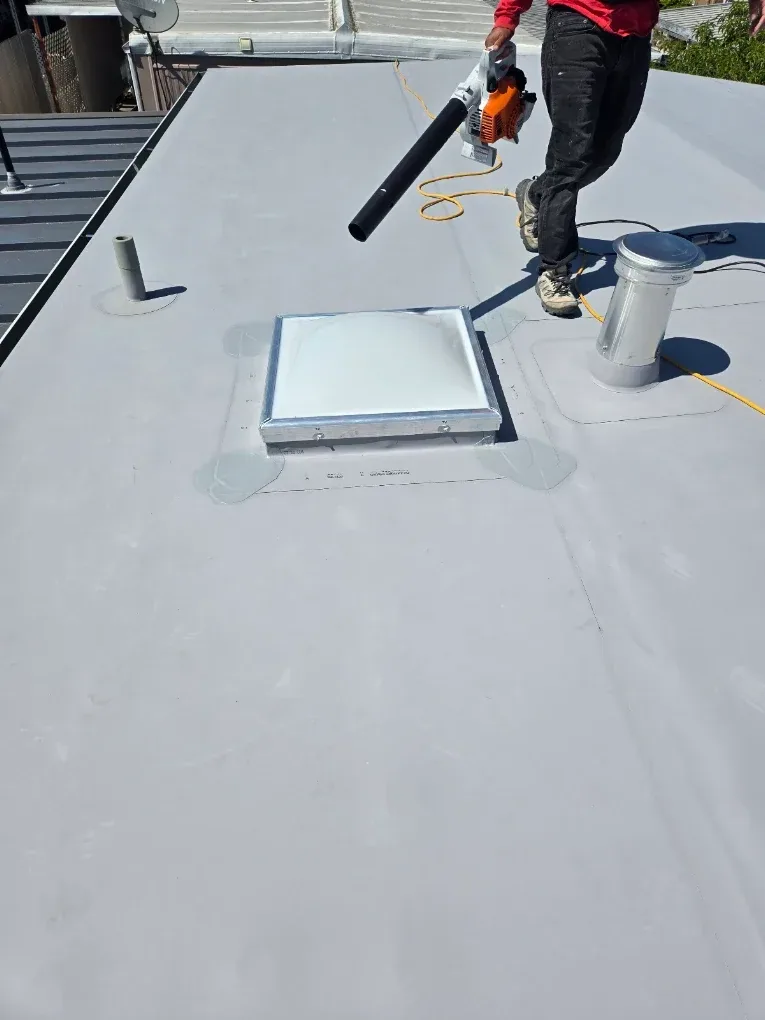
Flashing cannot correct a support that rocks, lacks clearance or transfers movement into the membrane. We inspect the base, fasteners, support feet and surrounding insulation before deciding how to secure the detail. If the support is stable and the roof material remains sound, a localized repair may be enough. If the curb is loose, the deck is damaged or wet material extends past the detail, the scope needs to include those conditions. We mark what will be removed and what remains so the owner can see why the repair boundary reaches beyond a bead of sealant.
We coordinate with the mechanical or plumbing trade when a unit, conduit, line or pipe needs to move. That keeps a roofer from sealing around equipment that still needs service. A roof insulation and cover-board assessment can help determine whether a soft area is limited to the curb or part of a wider assembly problem. For a unit replacement, we coordinate curb dimensions, access and tie-ins before the new equipment arrives.

How do you keep equipment in service?
Before opening the roof, we confirm which units must stay on, who can authorize a shutdown and when the mechanical trade can reach the equipment. We protect the work zone, keep service paths open where possible and plan a temporary dry-in for each shift. The crew removes only the material needed to inspect the curb base and repair the detail. If wet insulation or damaged deck appears, we document it and review the added scope before covering that area. A clear work window also keeps tools and debris away from condenser access and maintenance routes.
The Miramar Parkway and Flamingo Road area has a mixed-use project, with shopping-plaza and professional-office uses nearby. We coordinate tenant access and rooftop-service windows with the property contact. We schedule arrival with the property contact, protect entrances below the work zone and identify where materials can be staged. For broader upgrades, occupied-building reroofing can divide the roof into manageable sections. A moisture survey can also help locate areas for closer investigation when a large roof has multiple curbs and uncertain wet insulation.
More about Rooftop Equipment Curbs and Supports
What belongs in the repair record?
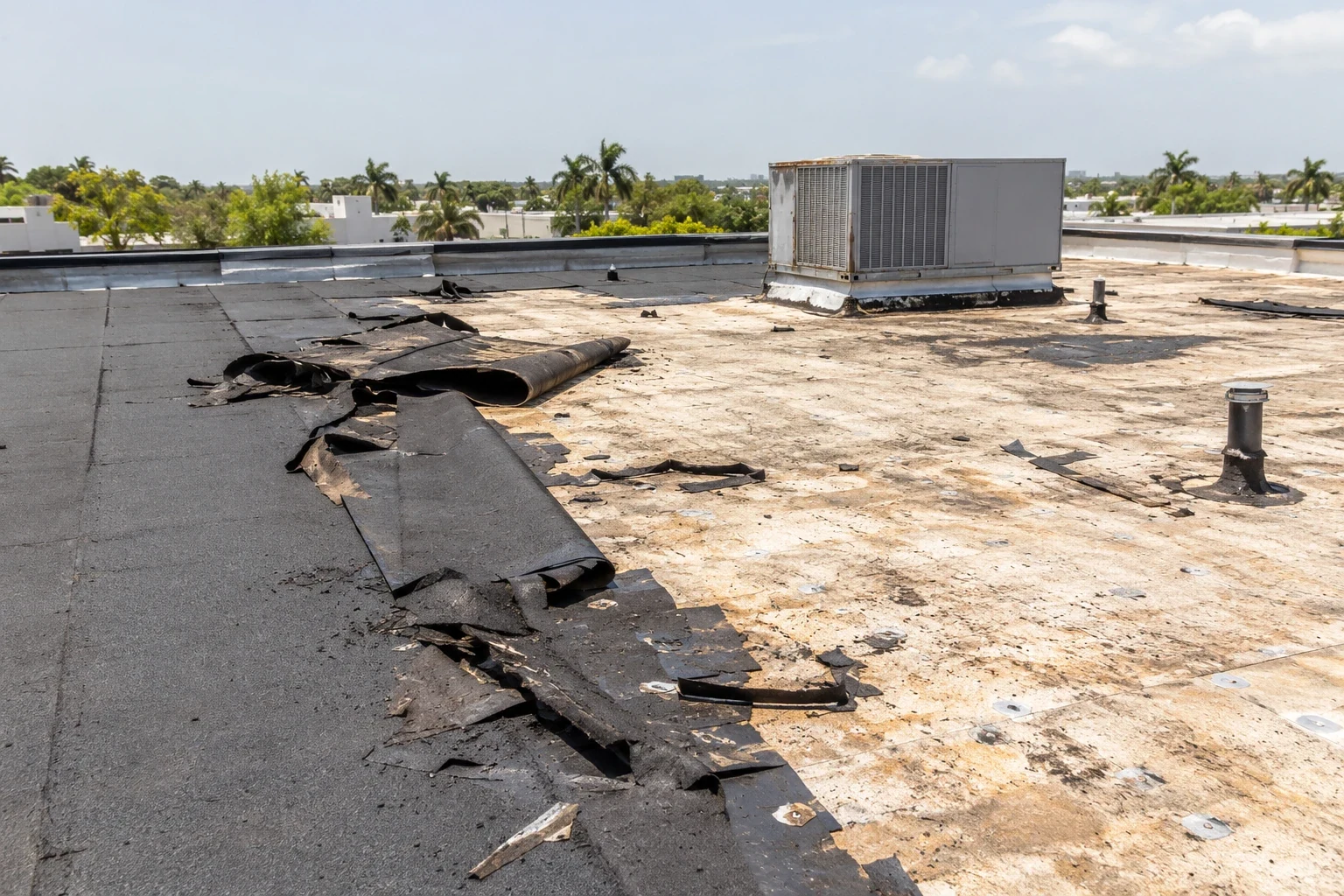
The written scope should identify the curb, the roof zone, the visible failure and the repair materials. We include photographs before and after work, note whether equipment movement was required and record any concealed condition discovered after opening the assembly. That makes the repair boundary easier to track on the next inspection. A record also helps distinguish a curb repair from work on the unit itself, which may belong to a different trade. If multiple curbs show similar movement, the owner can compare them without treating every penetration as the same problem.
Repair timing depends on active water entry, equipment availability, weather and whether the base or insulation needs correction. A small opening can spread if water stays trapped below the membrane, so we identify any immediate protection needed while the permanent scope is arranged. Our roof condition report can tie photos and observations to a practical budget step. For wind-related concerns, a perimeter and wind-damage review can include the curb and nearby edge details when the roof shows broader movement. We leave the owner with the condition, the proposed repair and the next decision in plain language.
Commercial Roofing Questions
Can flashing be replaced without moving the rooftop unit?
The curb height, attachment and access determine that. We inspect the detail and coordinate with the mechanical trade if the unit blocks a sound repair. A stable curb with clear working room may allow localized flashing work. A loose or damaged base can require adjustment before the membrane is closed around it. We mark the boundary and explain any shutdown or trade need before scheduling the repair.
Why does a leak show up away from the equipment curb?
Water can travel along insulation, deck flutes or framing before it reaches an interior surface. We compare the reported location with seams, drains, penetrations and the curb above it. If the path is not clear, we use targeted testing rather than sealing the first nearby joint. The repair record shows what we confirmed and what still needs observation.
What if the support is moving but the membrane looks sound?
A surface that appears closed can still be stressed by a moving support. We check its base, fasteners, clearance and the membrane transition on every side. If the equipment or support needs correction, we coordinate that work before replacing flashing. The scope then addresses the source of movement as well as the roof detail.
Will a curb repair include insulation below the membrane?
We check the material exposed within the repair boundary and extend testing only when conditions justify it. Wet insulation must be marked and removed to the verified limit before the assembly is closed. Sound material can remain when it is secure and dry. Photographs and notes keep those two conditions distinct in the closeout record.
How do you plan work around HVAC service?
The property contact identifies unit access, operating limits and the mechanical contractor responsible for any shutdown or relocation. We agree on a work window, keep required service paths open and protect exposed roof sections at the end of the shift. If equipment must move, the trades coordinate sequence before the curb flashing is rebuilt.
Miramar, Pembroke Pines, Davie, Hollywood, Opa-locka, Miami Gardens, Miami Lakes and Doral in Broward and northern Miami-Dade County.
Request a Roof Assessment
Send the building address and what the roof is doing. We reply with a roof visit date and a written scope.