Commercial Roof Repair in Miramar, FL
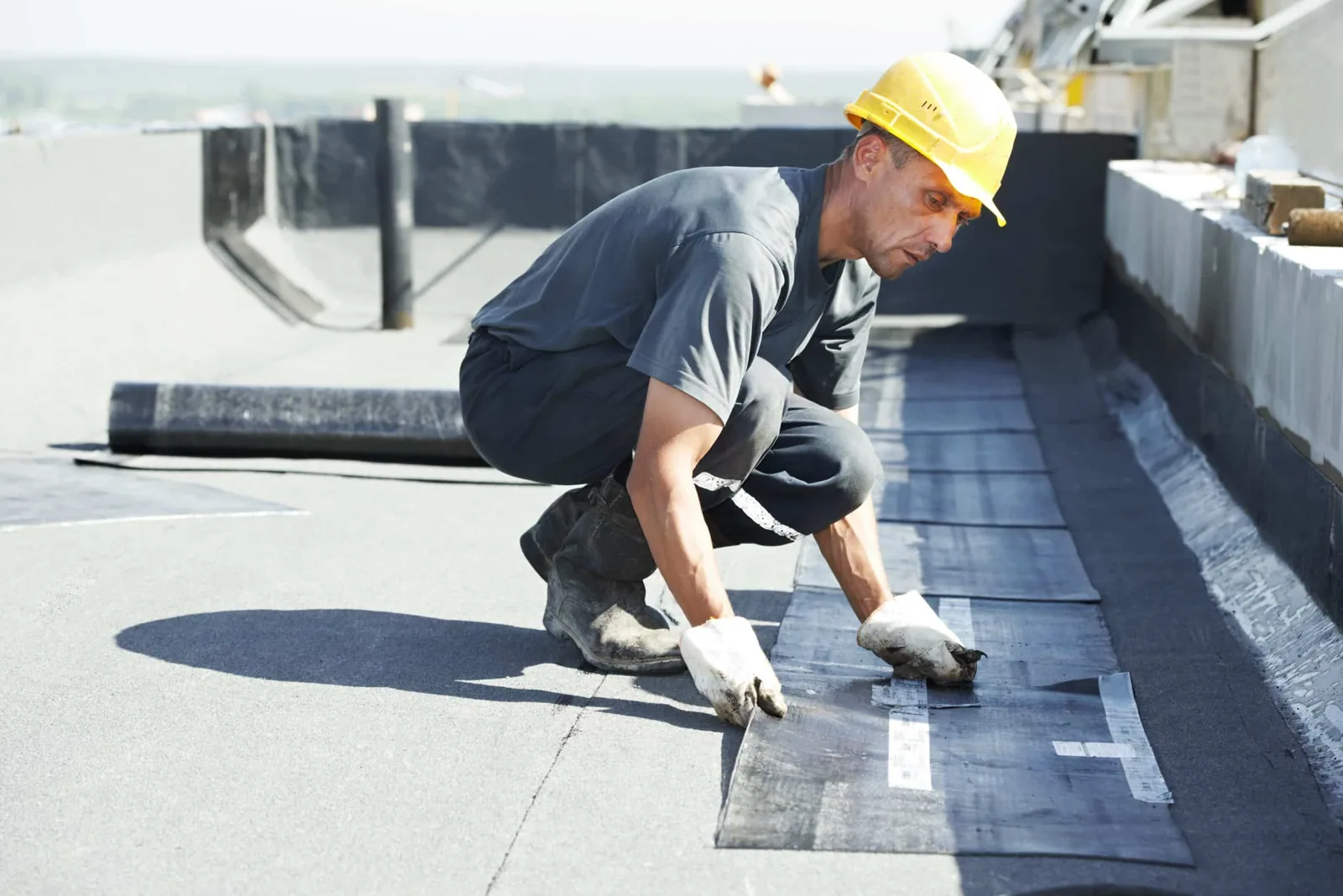
A loose curb flashing beside a wet ceiling tile points to a roof detail, but the stain alone does not identify the repair boundary. In Miramar, commercial and industrial buildings share roof space with equipment, drains, service paths and active work below. We trace the water path from the interior sign to the membrane, seam, wall or penetration that can admit it. The repair scope records what is open, what remains sound and what needs testing before it is covered. For a leak that is still active, start with commercial leak tracing and temporary protection.
Which part of the roof has actually failed?
Water can travel below a membrane before it reaches a ceiling, so we inspect the likely path rather than patching directly above the stain. We check seams, flashing corners, curb transitions, fasteners, edge metal, drain bowls and prior repair edges. Soft insulation, punctures and open laps need different repairs. Where the source is not clear, we use controlled inspection and document the test area before opening more of the roof. The repair boundary should include the failed detail and the surrounding material needed to make a lasting tie-in.
Florida’s Turnpike and I-75 cross Miramar. Before a repair visit, we confirm the property’s access route, staging area and delivery schedule. For a building near those corridors, roof access and material staging may share space with daily deliveries. We confirm a safe access path before work and keep the repair area separated from rooftop equipment. If a seam has opened, seam failure repair addresses the membrane joint; a failed curb or wall condition may instead call for penetration flashing work.
When is a patch enough?
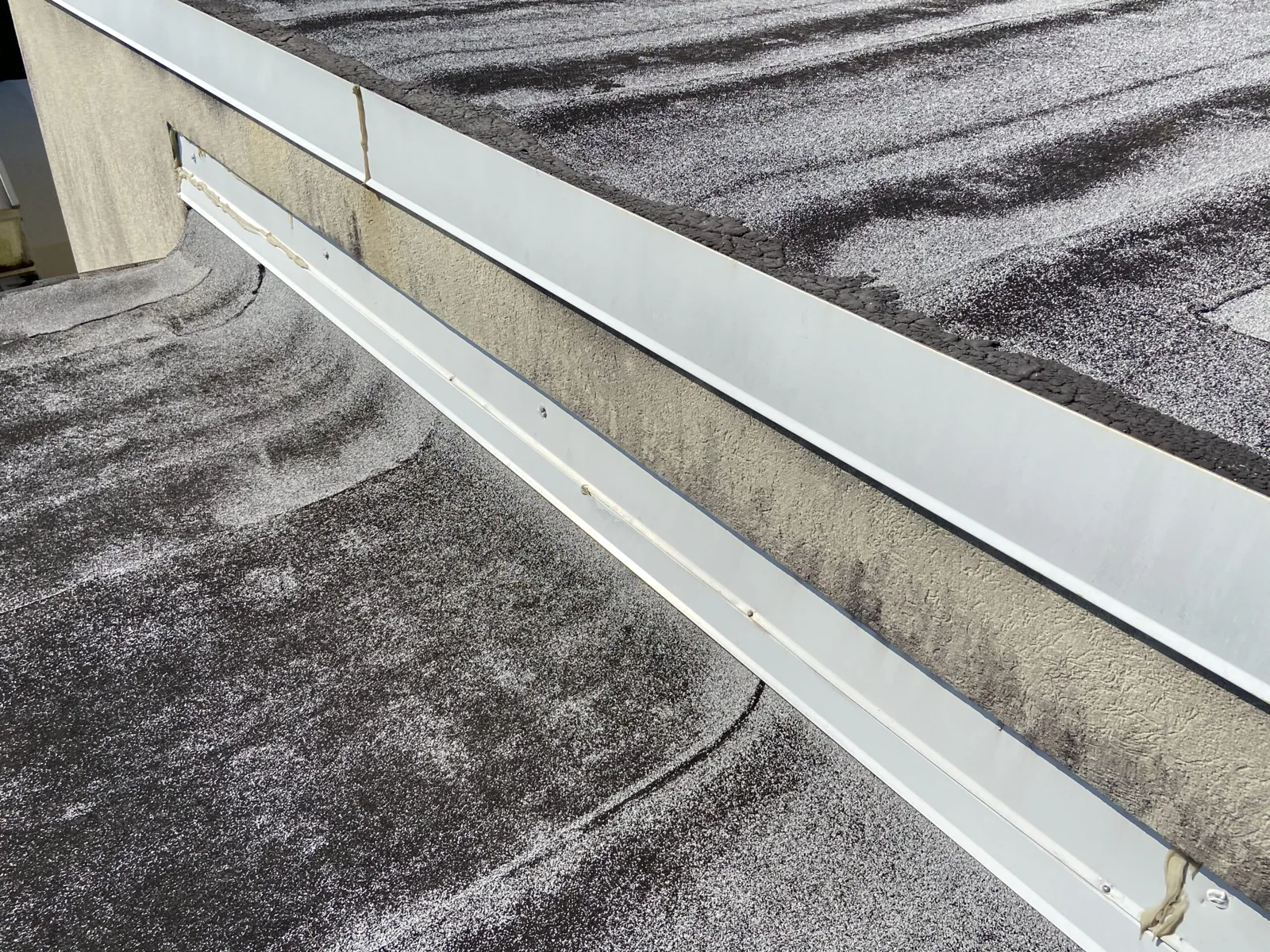
A patch is appropriate when the surrounding membrane is stable, the attachment holds and the damage has a defined edge. We clean and prepare the surface for the roof system, make a compatible repair and check the detail around it. A patch should not bridge loose material or cover wet insulation. If several repairs cluster around one drain, curb or prior patch, we inspect the wider area and explain whether repeated spot work is still sensible. The owner can then compare a focused repair with broader restoration.
Davie's industrial zoning covers more than 900 acres, while distribution, manufacturing, healthcare, education and technology are among its listed industries. In a mixed-use district, we set repair access and staging with the property contact before moving material onto the roof. We coordinate around stored goods, occupied rooms, exhaust equipment and critical work windows. When a large section is affected, roof coating restoration may be considered only after the assembly is dry and suitable. We explain the limits before recommending a surface treatment.
What should be checked after severe weather?
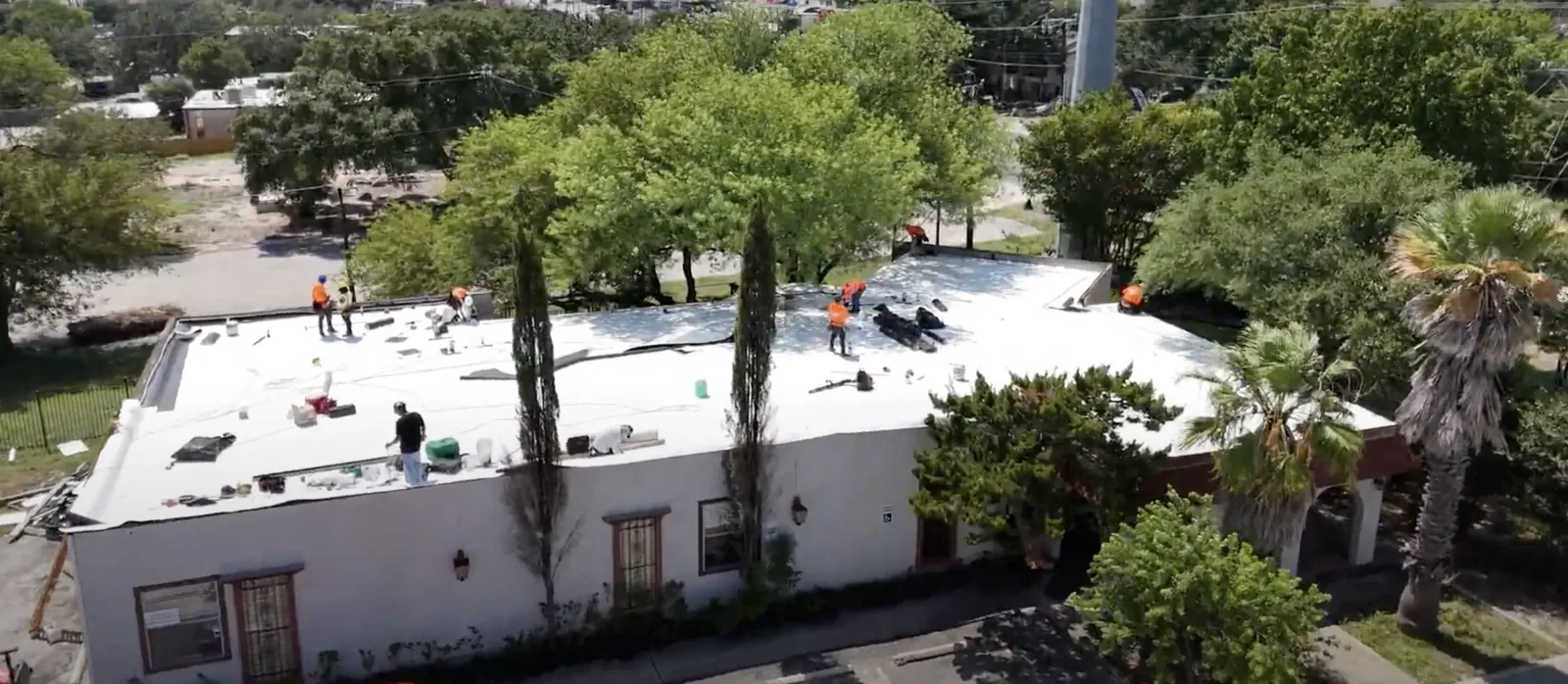
Flooding, hail, tornadoes, heat and wind keep drainage, exposed edges and equipment flashings in the repair inspection across South Florida. A weather event can leave a puncture, displaced edge, lifted flashing or blocked drain, while a pre-existing seam may also become more visible. We inspect the roof and document each condition without assigning a cause that the evidence cannot support. Photographs show the repair area before temporary work changes it. That record helps the owner separate immediate water control from permanent repair.
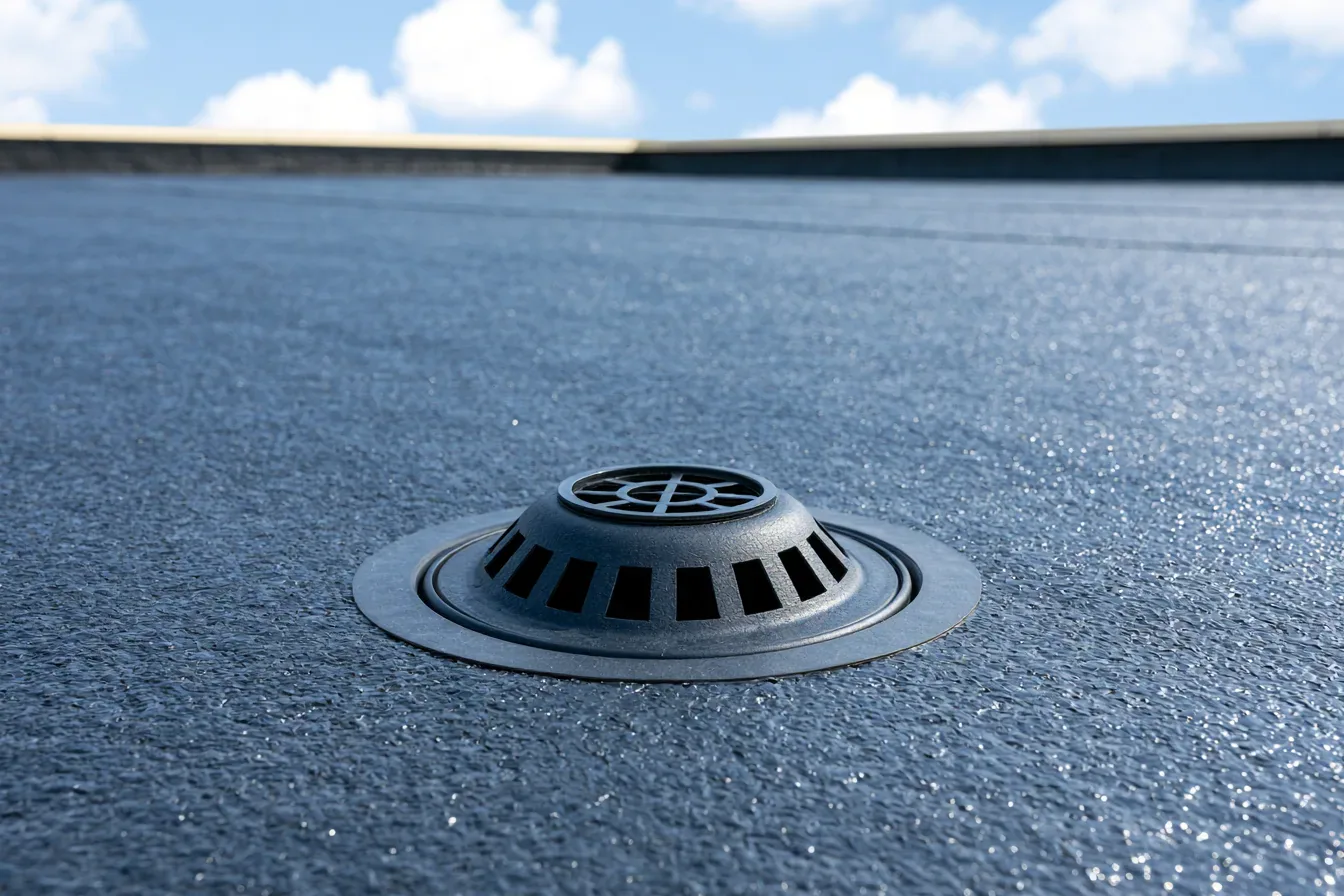
After a storm, the perimeter deserves attention alongside the field membrane. We check corners, edge metal, coping, penetrations and attachment near rooftop equipment. If water is entering, the crew can provide emergency dry-in while a broader inspection identifies the source. The wind-damage scope records displaced components and open laps, and the drain and scupper service addresses blocked or damaged drainage details. These checks support a repair decision grounded in the roof's actual condition.
How do we keep a small repair from spreading?
Before work, we confirm roof access, nearby equipment, interior protection and any restricted hours. The crew marks the repair area, removes loose or damaged material, prepares a sound tie-in and installs a compatible patch or flashing detail. We keep debris out of drains and protect the open area if conditions change. At completion, we check the repaired edge and surrounding seams, then photograph the result. The record includes the repair location and any condition that needs follow-up.
Near Pines Boulevard, Pembroke Pines has retail, office and industrial properties, so repair staging and pedestrian access need a property-level plan. When repair work is near this corridor, customer entrances, loading activity and roof access may overlap. We coordinate the work window with the property contact and use staging that does not block active routes. Where a repair touches a tenant area, we identify the interior room and agree on protection before opening the roof. A written condition report keeps the repair and follow-up needs together for the owner's records.
More about Commercial Roof Repair
What does a repair estimate need to clarify?
The estimate identifies the location, repair method, materials, access needs and conditions that could add work. Cost changes with the number of details, height, equipment conflicts, wet insulation, deck condition and the time needed to protect an occupied area. We mark any testing or removal that is not included so an owner can approve the next step with the same facts in view. If the repair uncovers wet material, we stop at a safe boundary, photograph it and discuss the added scope before covering the area.
A repair may buy time, but it does not change a roof that is failing across multiple sections. We note recurring leaks, widespread seam separation and drainage limits that deserve a larger plan. We use Miramar’s route network to coordinate arrival, then set the repair scope from the roof conditions observed at the Miramar property. We schedule based on access and urgency. Book a repair review, and we will mark the damaged detail, explain the fix and identify whether a broader replacement or maintenance decision belongs on the table.
Commercial Roofing Questions
Can you repair a membrane without replacing the whole roof?
A repair can work when the surrounding membrane and attachment remain sound. We inspect the affected area, test questionable material and build a tie-in to stable roofing. If moisture or failed seams extend beyond the visible damage, a patch would leave the cause in place. The proposal explains where the repair ends and which additional condition would change the scope.
Why does a ceiling stain appear far from the roof leak?
Water can move along insulation, deck flutes or framing before it becomes visible indoors. We trace the path upward and outward, checking penetrations, seams, drains and wall transitions near the likely source. A roof opening or moisture test may be needed when the path is not clear. We document the evidence so the repair targets the entry point rather than only the interior symptom.
What should staff do while a roof leak is active?
Protect people and equipment below the leak, move contents only when safe, and report the affected area and current water entry. The site contact can share roof access limits and any request for temporary protection before next steps are discussed. Permanent repair follows once the assembly is safe to inspect. Photos and a note of when the leak appeared help compare interior signs with roof conditions.
Can a repair be made around rooftop equipment?
We coordinate equipment access with the property contact and the responsible trade before disturbing a curb, line or support. The repair keeps required clearances and service paths open. If equipment needs shutdown or relocation, that work is scheduled with the owner rather than assumed in the roofing scope. We protect cables and lines while repairing the surrounding membrane and flashing.
How do you know a prior patch is still holding?
We inspect the patch edges, surface bond, nearby seam and the interior area below it. A patch that is lifting, split or covering wet material needs more than another layer of roofing cement. We photograph the condition and check adjacent details for the same movement or water path. That tells us whether one repair is enough or whether the surrounding section needs investigation.
Miramar, Pembroke Pines, Davie, Hollywood, Opa-locka, Miami Gardens, Miami Lakes and Doral in Broward and northern Miami-Dade County.
Request a Roof Assessment
Send the building address and what the roof is doing. We reply with a roof visit date and a written scope.