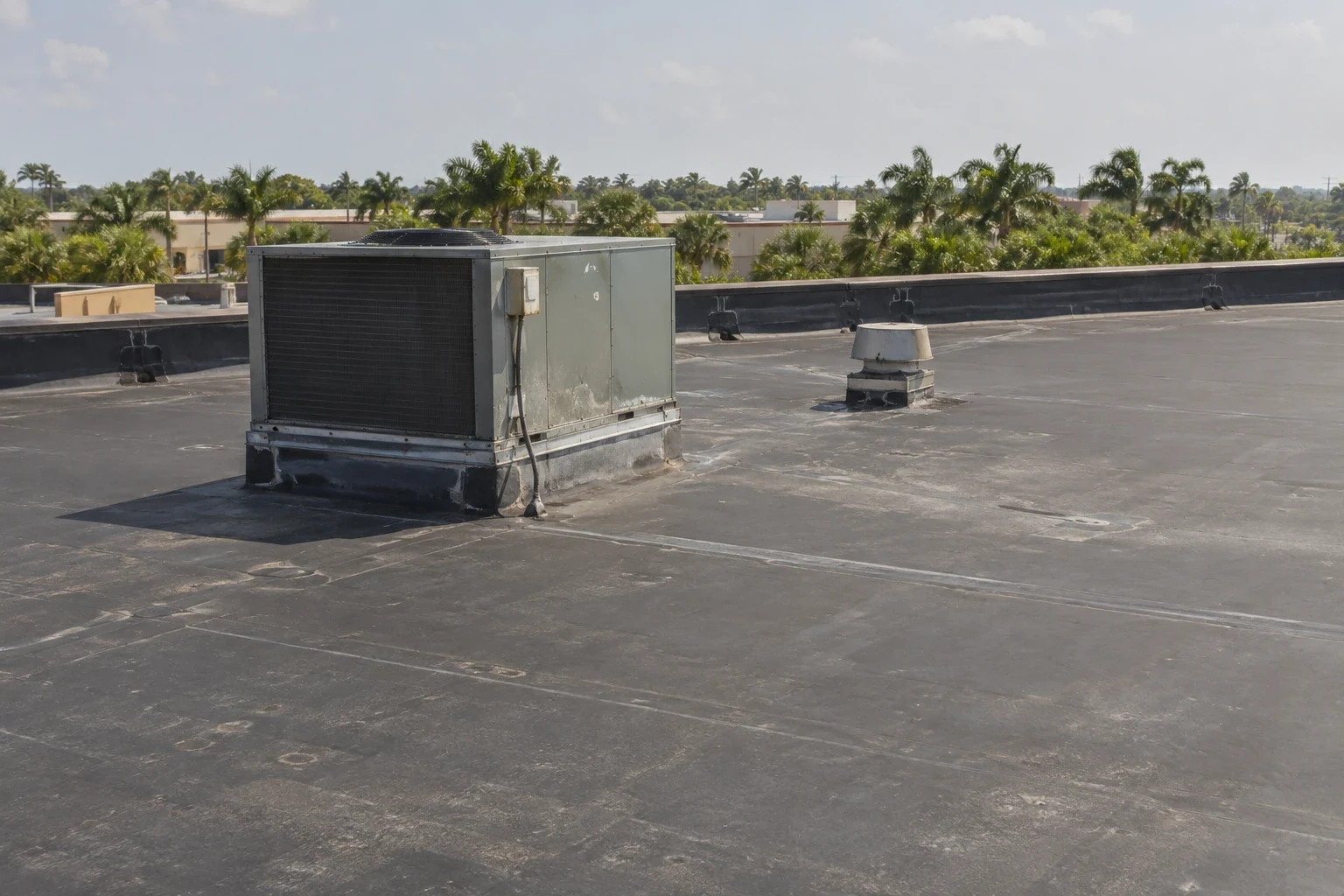
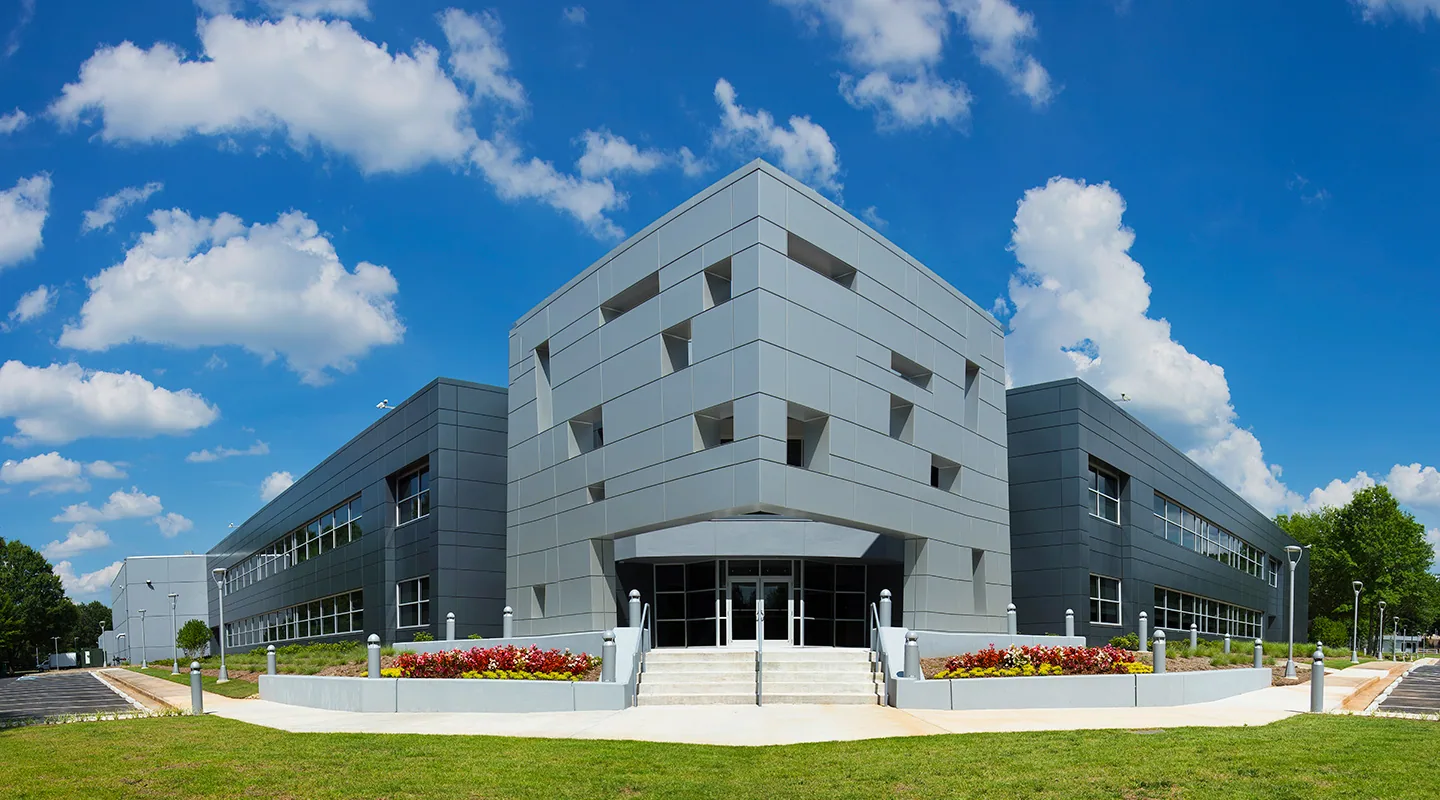
On an office-park roof, an EPDM seam can be exposed to standing water, service traffic, and repeated heat. Miramar’s land-use categories include office parks, industrial areas, employment centers, commercial uses and regional-activity areas. We check the membrane, seam method, flashing, drains and attachment before deciding what repair will hold. A Miramar EPDM roof review starts with the assembly and the observed field condition.
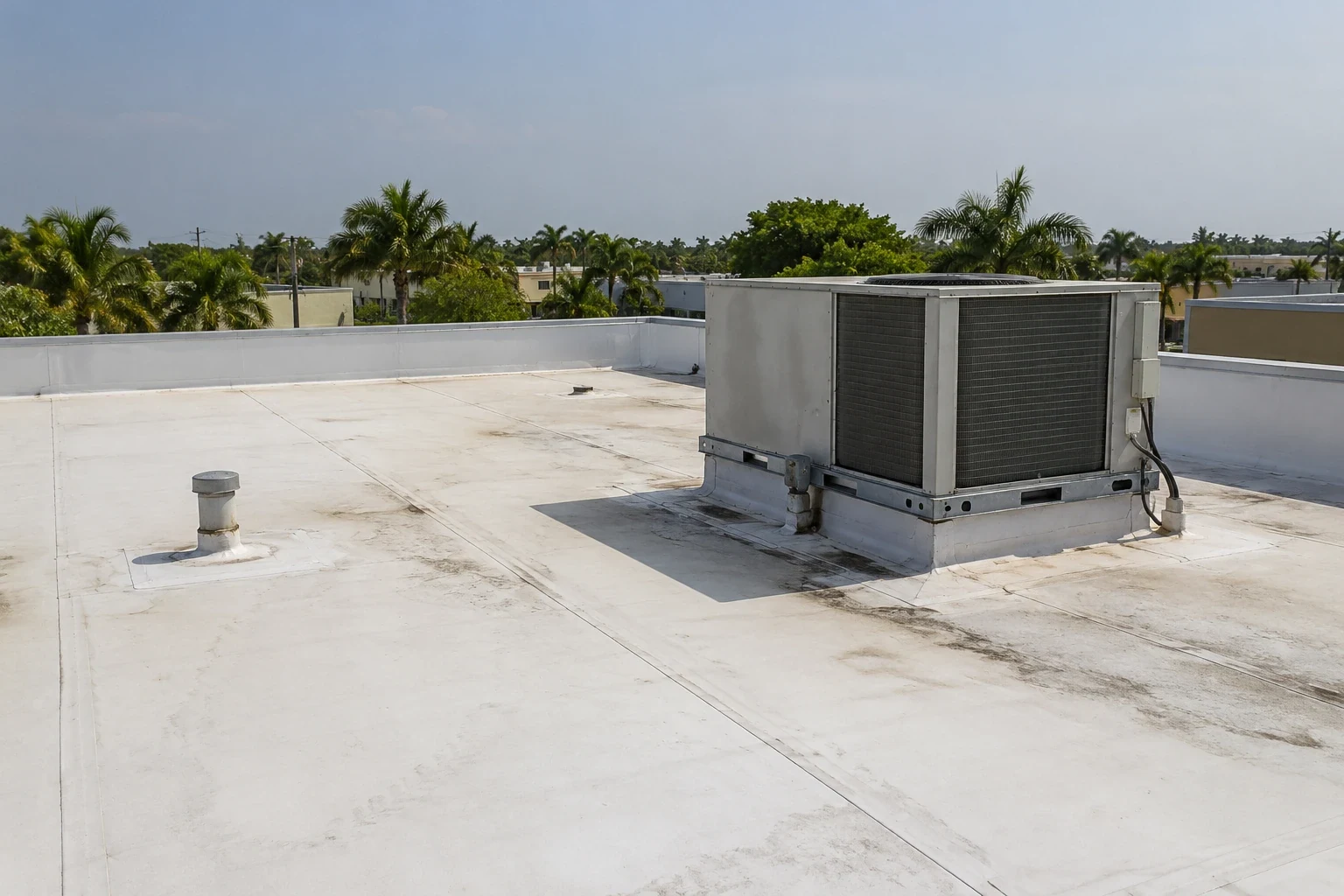
EPDM is a synthetic rubber roofing membrane. Seams are commonly joined with tape or adhesive systems, with details selected to match the assembly and manufacturer requirements. The field review looks for open laps, lifted corners, punctures, wrinkles, shrinkage at edges, and weak flashing around curbs. We photograph each condition and note whether moisture testing is needed. The owner can then compare a local repair with a broader option such as silicone restoration only if the existing surface and assembly are suitable.
What should be checked at an EPDM seam?
Seam tape or adhesive relies on clean, properly prepared surfaces and secure pressure across the joint. Dirt, moisture, aging, or movement can weaken the bond. We inspect the edge for separation and follow it to corners, patches, and transitions. A small opening may allow a compatible repair; widespread separation or shrinkage at the perimeter may indicate that more of the assembly needs attention. We record the extent before choosing the repair boundary.
At a wall or curb, the membrane and flashing have to accommodate movement while keeping water out. We check termination bars, counterflashing, fasteners, and the way the sheet turns around each detail. Equipment contractors may have added or abandoned penetrations, so the property contact confirms recent work. A KEE membrane comparison can enter a replacement discussion, but it is not an automatic overlay choice. Compatibility, tear-off limits, deck condition, and approved plans determine the next system.
How does drainage affect a rubber membrane?
EPDM does not solve a drainage problem simply because the sheet remains flexible. We inspect drain bowls, strainers, overflows, scuppers, and the low areas that lead water toward them. Ponding can result from debris, a poor outlet detail, or a roof plane that holds water. Each possibility changes the scope. We photograph the water path and check whether the membrane has separated around the drain before adding a repair quantity.
For an EPDM roof, recurring ponding calls for a check of slope, drains, seams and insulation before a recover is priced. A drain and scupper review can address a confirmed outlet defect. If the surface evidence suggests wet insulation, an infrared survey may help target follow-up testing before removal limits are set.
What do heat and storms change?
After a storm, we check perimeter attachment, seams, flashings, penetrations, and interior signs. The photo record identifies movement or punctures before temporary protection changes the surface. A hurricane damage inspection separates observed impact from older wear and links each recommendation to a roof location.
Heat and moisture can affect how the crew prepares surfaces and handles seam materials. We review product instructions and actual site conditions before opening a roof area. Each shift has a defined dry-in point and protection below the work. If a rain event interrupts the sequence, we secure the exposed section and document what remains temporary. The owner receives a clear follow-up item instead of an assumption that the permanent seam repair was completed.
Can a damaged EPDM roof be patched?
A patch is appropriate when the surrounding membrane is stable and a compatible repair can bond to prepared material. We remove loose or contaminated areas to a sound boundary, make the required transition, and check the patch edges. A patch should not bridge wet insulation or a moving perimeter. If the surface is brittle, the seams are failing in several areas, or water has spread below the sheet, we show those findings and discuss a larger scope.
Miramar has a concentration of Fortune 500 employers and ongoing economic growth. The owner confirms roof access, equipment restrictions, and whether deliveries need to continue during the work. A commercial repair scope lists preparation, flashing, access, protection, and closeout checks. A leak investigation can trace water entry when the ceiling mark does not line up with the roof defect.
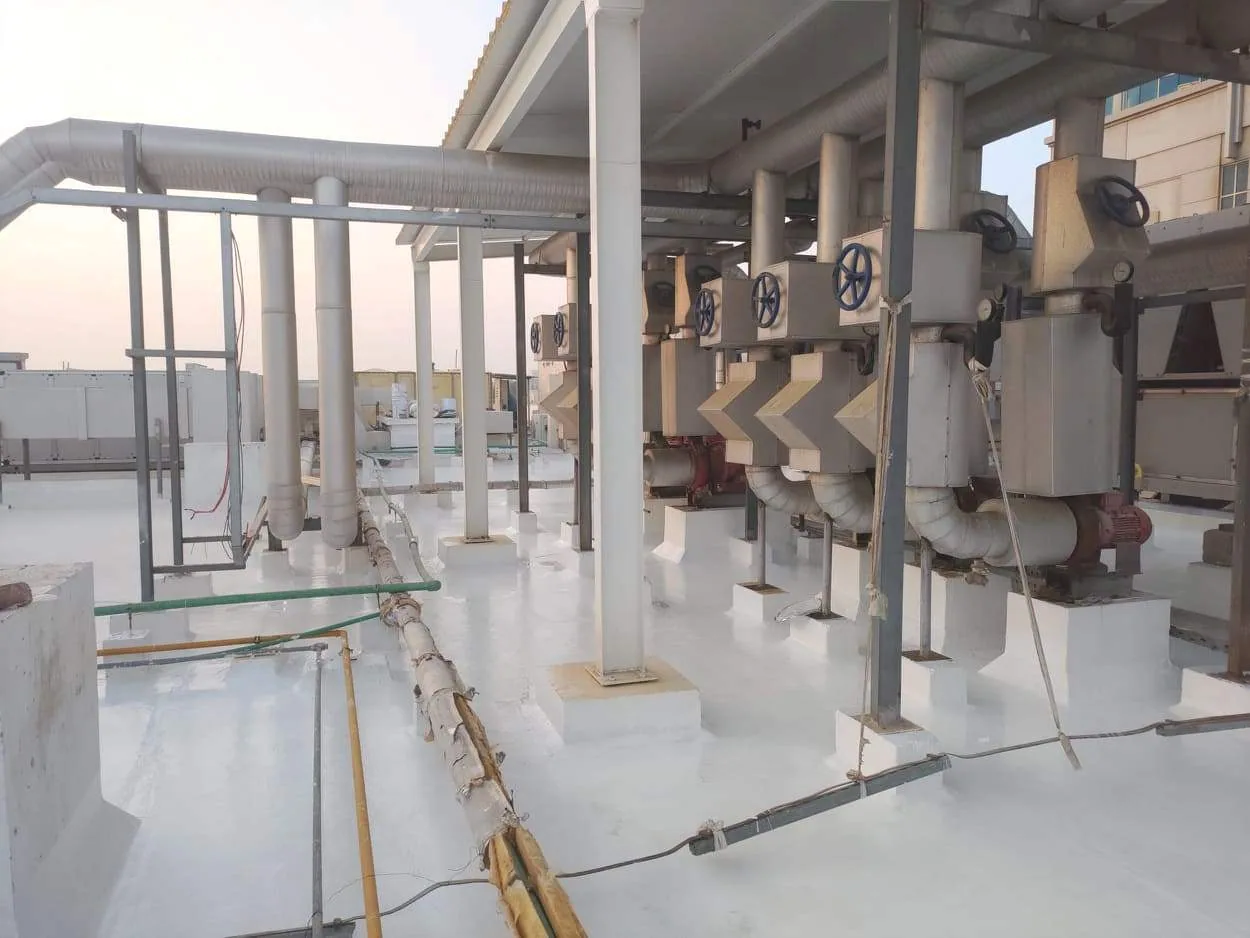
More about EPDM Roofing
When does replacement enter the budget?
Repeated seam repairs, widespread wet insulation, failing edge attachment, or a deck that needs correction can shift the decision toward replacement. We inspect existing layers and mark sound and affected areas. A recover is considered only when moisture, substrate, attachment, and edge height support another assembly. Otherwise, removal may be required to correct wet material and prepare a stable base. The report states what is known and what will remain concealed until work begins.
Replacement cost and timing change with tear-off depth, insulation, edge metal, equipment moves, drainage corrections, disposal, and access. Those quantities should stay visible in the estimate. A silicone or acrylic coating is not a substitute for removing wet insulation. If the roof is dry and suitable, an acrylic coating option may be compared with other restoration paths. The product choice still depends on substrate, slope, weather exposure, and the owner’s project requirements.
What goes into the work sequence?
Before mobilization, confirm whether the EPDM is adhered or mechanically attached, where the field seams run, and which perimeter rows enter the work area. Set a daily limit that leaves a secure dry-in point. Keep sharp staging loads off the membrane, and handle seam materials under product instructions. Trades should mark any curb relocation before new flashing is cut. Closeout photographs can then show seam direction, tie-ins and patches before later work covers them. For a bonded roof, the approved repair process also controls surface preparation, primer and seam pressure; a mechanically attached field calls for a separate check of fastening and movement. We identify the attachment method before ordering materials and inspect the tie-ins and patch edges at closeout.
Florida’s Turnpike and I-75 provide regional access into Miramar; each property contact sets the gate, roof hatch and material drop for the scheduled work. Record EPDM patches by roof zone and seam so a future leak check can distinguish field-sheet wear from a curb or drain detail. We note the selected gate and delivery path in the property work record.
Commercial Roofing Questions
How are EPDM seams repaired?
We identify the seam method, clean and prepare the surrounding material, then use a compatible repair detail. The work includes the transition and patch edge, not just the visible opening. Photos connect the completed repair to the roof plan.
Can ponding water be fixed with a new membrane?
A new sheet does not correct a blocked drain or low roof plane by itself. We inspect the outlet, slope, insulation, and membrane tie-in, then price the drainage or assembly correction that matches the field finding.
How should an EPDM roof drainage issue be checked?
Inspect drain bowls, seams, flashings and low areas, then compare the roof surface with interior moisture reports. The repair boundary should follow the water path and the condition of the membrane around it.
When should an EPDM patch be replaced by a larger scope?
Widespread seam separation, wet insulation, repeated perimeter movement, or deck issues may require more than a patch. We document sound and affected areas and explain where testing or removal would change the quantity.
What should the owner provide before the roof walk?
Share the roof plan, leak locations, access rules, equipment schedule, and known repair records. Those details help us compare interior signs with the membrane and identify which questions need testing.
Miramar, Pembroke Pines, Davie, Hollywood, Opa-locka, Miami Gardens, Miami Lakes and Doral in Broward and northern Miami-Dade County.
Request a Roof Assessment
Send the building address and what the roof is doing. We reply with a roof visit date and a written scope.