Warehouse Roofing in Miramar, FL
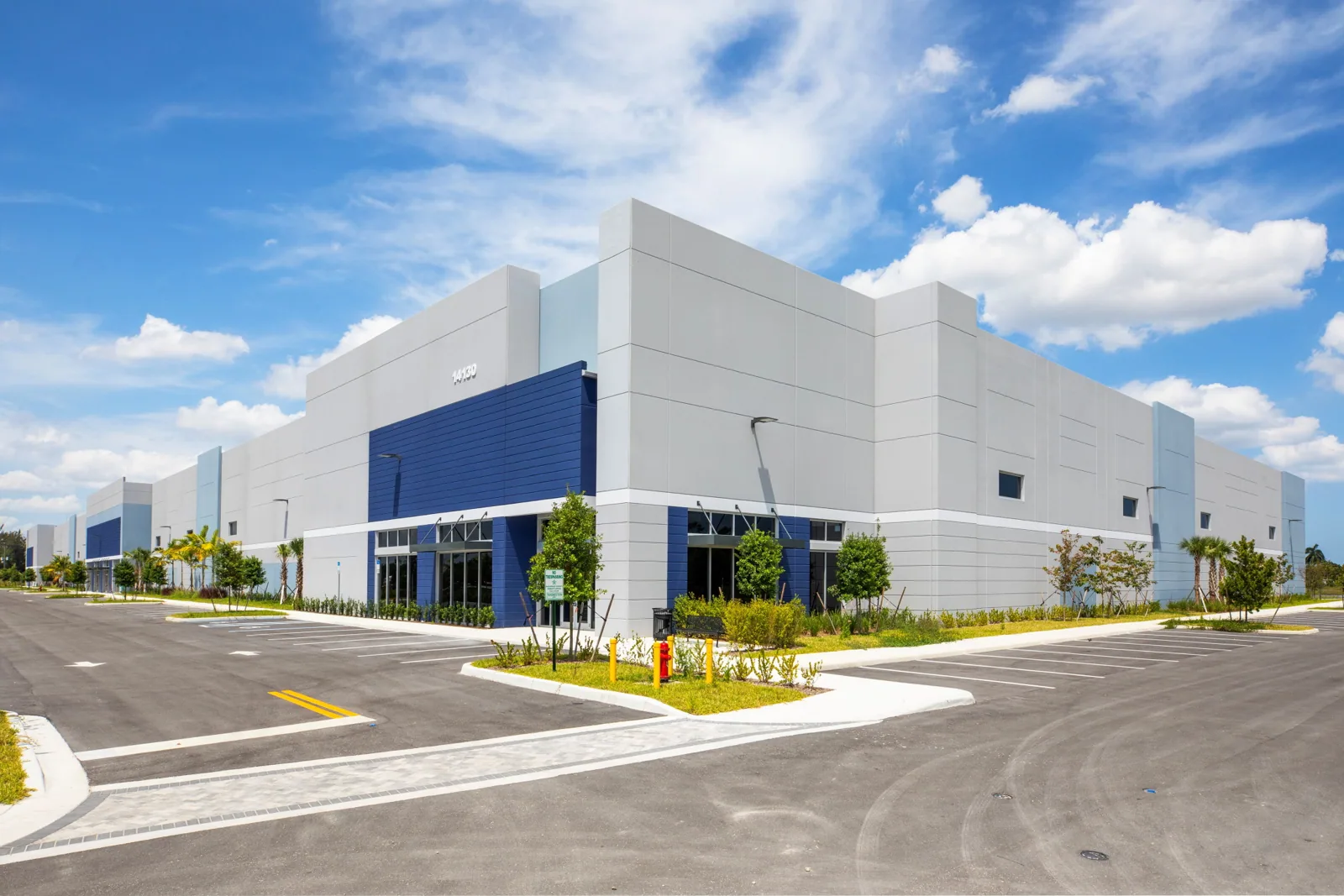
Loading shifts do not pause because a roof seam opens. A warehouse in Miramar may need clear dock access, dry inventory space and room for rooftop service while repairs move forward. We inspect the membrane, drains, edge attachment, curbs and interior signs, then mark the repair boundary by roof section. The property team can see what needs immediate attention, what remains sound and whether wet insulation changes the scope. Miramar's land-use categories include commercial, industrial, employment-center and regional-activity areas. Nearby Pembroke Pines includes warehouse and flex-space uses in its northwest industrial area. A hands-on inspection gives the owner a practical first step before authorizing a repair or replacement.
Where do warehouse roofs need closer review?
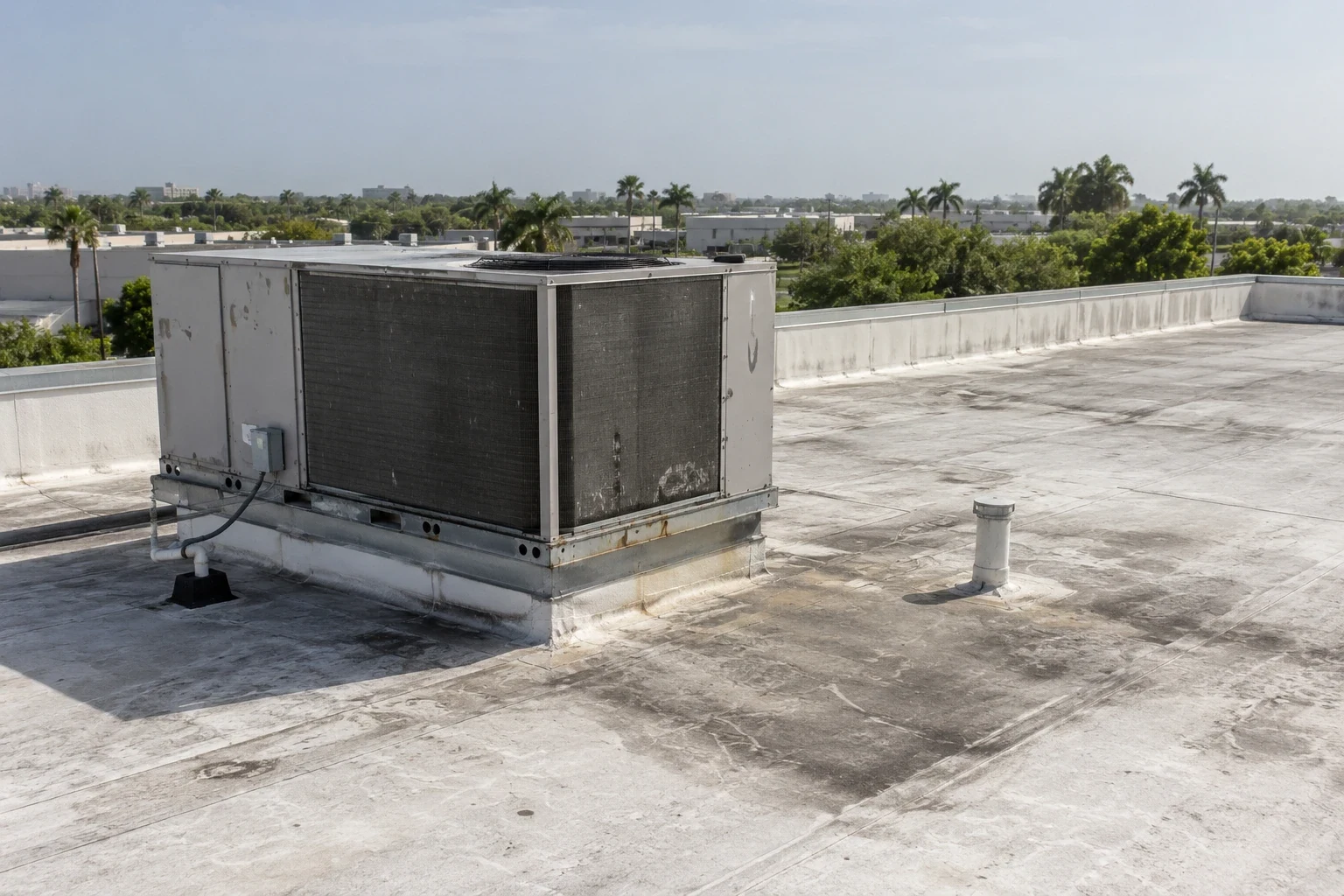
Large uninterrupted roof fields can still have many vulnerable details. We inspect drains, scuppers, perimeter edges, roof hatches, curbs, vents, skylights and every transition where a different material meets the membrane. Forklift traffic below may make a leak urgent even when the roof opening is small. We compare interior reports with the roof above them, because water can travel through insulation or deck before appearing inside. Photos tied to roof zones help the maintenance team find the same detail on the next visit.
Warehouse and flex-space uses in Pembroke Pines' northwest area are zoned medium industrial. We inspect the actual deck, attachment and membrane before setting a repair boundary. We trace the reported leak from interior evidence to drains and membrane transitions, then identify what remains concealed. A drain and scupper review can show whether a slow outlet or low area is contributing to ponding. For warehouses with repeated leaks, a leak investigation can trace the opening before a larger patch hides the path.
How does South Florida weather test the roof?
Rain tests every lap, flashing joint and drain path. Wind puts pressure on perimeter attachment, edge metal and rooftop equipment details. Dock shifts and inventory routes can narrow staging options; we confirm the loading path and roof-access window before mobilization. The inspection records attachment, drainage and water-entry evidence before any repair scope is selected. After a storm, we photograph displaced components, open seams and interior signs before permanent work changes the condition.
Before a work window, the warehouse contact confirms dock activity, open lanes and any staging restrictions. We separate roofing deliveries from normal material flow and record the access limits in the sequence. A wind-damage review can include edge attachment and transitions when movement is visible. If the roof shows a wider storm pattern, the written scope can document conditions and separate urgent protection from the permanent repair.
When is repair enough for the roof?
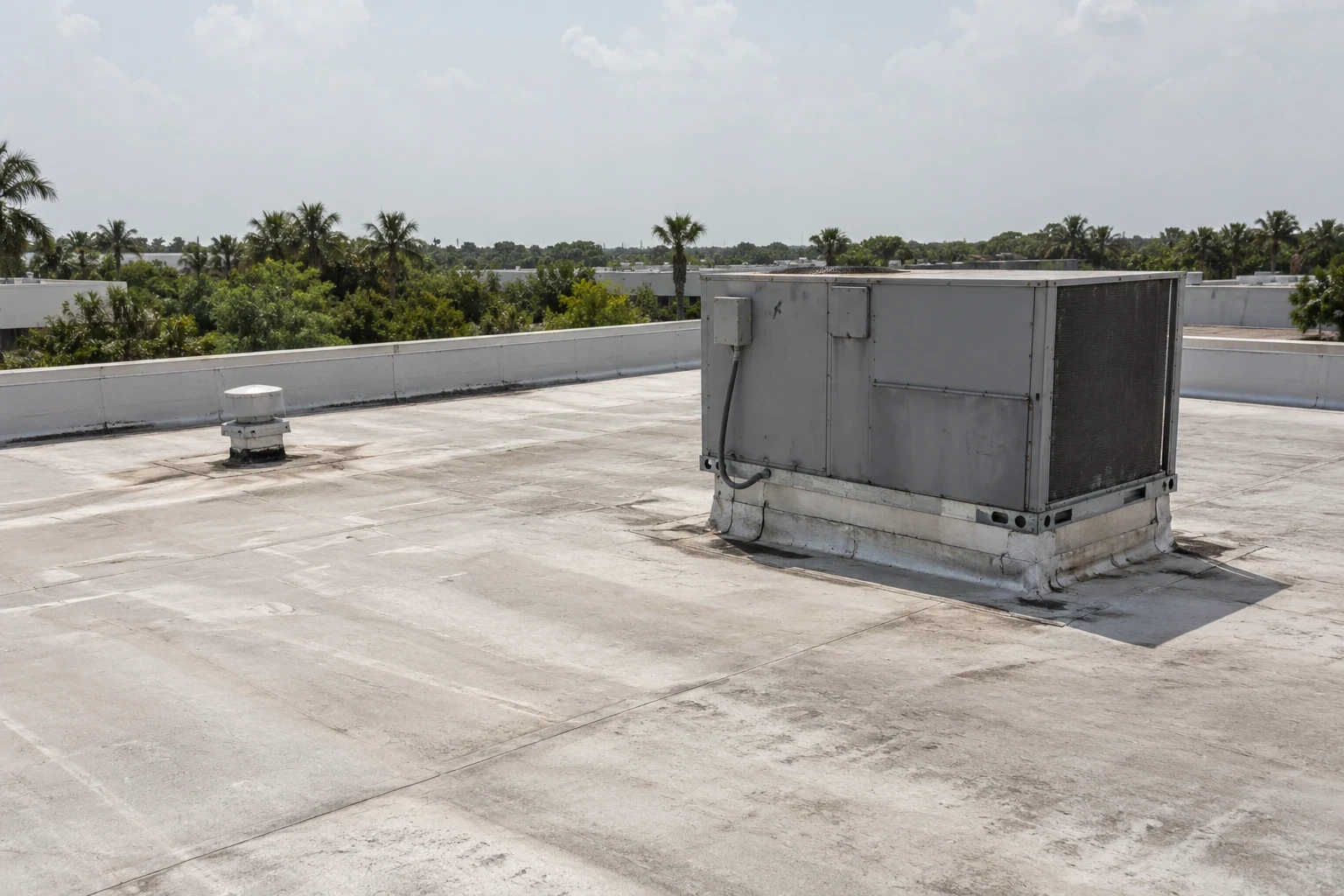
A limited opening with sound surrounding membrane may be repaired without replacing the full assembly. We check whether the material can accept a compatible patch, whether seams remain secure and whether insulation is dry at the repair boundary. Repeated failures in separate roof zones, widespread wet insulation, loose attachment or deck damage can point toward a larger replacement. We identify each condition and explain why it changes the recommended work. That gives the owner a way to compare immediate repair with a capital decision using actual roof evidence.
A replacement assessment can include tear-off, deck review, insulation replacement, edge details and work sequencing around loading operations. A recover may be considered only when the existing assembly is suitable and applicable requirements allow it. We keep a photo-based condition record with locations and repair boundaries, so the owner can plan follow-up by section. A temperature-controlled building needs attention to vapor control and insulation transitions; a cold-storage roof review can frame those details. Distribution operations may prioritize dock continuity and staging, which a distribution-center roof plan can address.
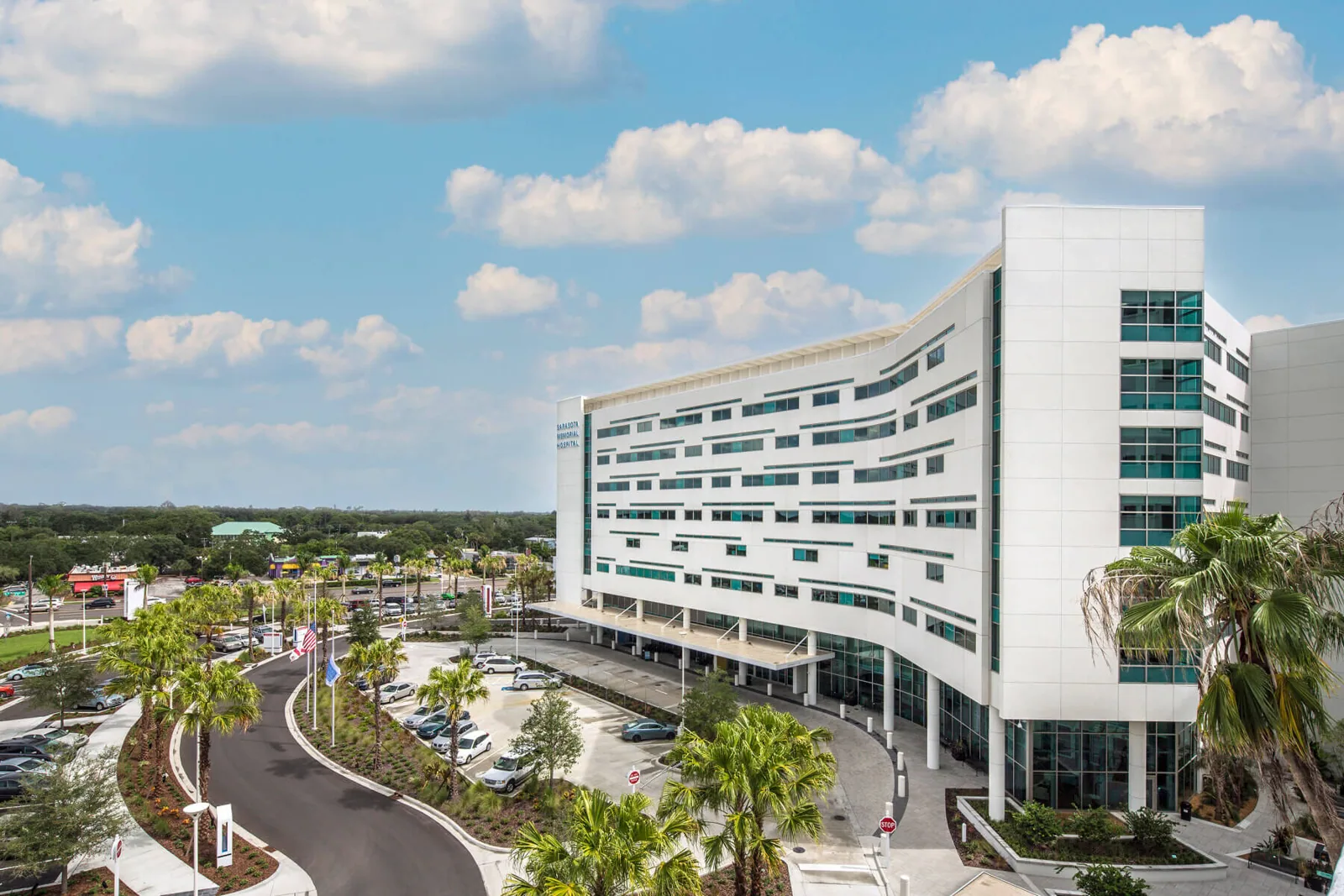
How can roofing work keep docks available?
Before work begins, we map material staging, lift locations, roof access, pedestrian routes and the loading doors that must stay available. The owner identifies inventory zones or processes that need added protection. We divide the roof into sections sized for removal, inspection and same-shift dry-in. Drains stay protected from debris while temporary drainage remains open. If removal reveals wet insulation or a damaged deck, we document that area and obtain direction before closing it, then adjust the next section to fit the approved work. The daily log records the roof zone closed at shift end, any access limit carried into the next day and the contact who approved a schedule change.
On an occupied warehouse, delivery schedules and shift changes can affect when a crew can move materials. We coordinate those windows with management rather than blocking a dock without notice. Rooftop units and exhausts also need service clearance while the membrane is open. A phased reroof plan can keep the work boundary visible and reduce conflicts between roofing and warehouse operations. The site lead should identify stored goods, rack aisles, loading activity and a clear roof-access path before planning work.
More about Warehouse Roofing
What should the owner compare in a proposal?
Cost changes with tear-off depth, wet material, deck repairs, number of drains and curbs, equipment coordination, lift access and the chosen roof system. A useful proposal lists those conditions separately instead of treating every warehouse roof as one open field. We mark allowances or concealed conditions that could change after removal. The owner can then compare a repair, recover or replacement scope while seeing what each option assumes about the existing assembly.
Timing depends on roof access, material delivery, weather, drain protection and the amount of work that can be safely closed each shift. A written roof capital plan can set priorities when different sections have different conditions. Timing also reflects when a dock, lane or loading zone can be temporarily reassigned. The work plan marks who approves a temporary closure, where material is staged and how the roof is secured at the end of each shift.Roofing service in Pembroke Pines can be planned alongside Miramar work without treating the roof conditions as interchangeable.
Commercial Roofing Questions
Can you repair a warehouse leak without stopping shipping?
The leak location, weather and safe access determine the work window. We coordinate roof entry and any dock restrictions with management, then isolate a repair area where possible. If water threatens inventory, identify temporary protection and document the permanent repair as a separate scope.
Why does water appear far from the roof opening?
A warehouse leak may travel through insulation, deck flutes or framing before it appears indoors. Compare the stain with seams, drains, curbs and transitions above it. Targeted testing can help set a repair boundary when earlier patches have changed the surface.
What roof areas matter most around loading operations?
Drain paths, edge metal, rooftop equipment and access routes deserve attention because a leak or blocked service path can affect work below. We document the roof zones above docks and storage areas, then tie each finding to the operating need it could interrupt.
How do you decide between a patch and replacement?
A repair is useful when the defect is limited and the surrounding assembly remains sound. We look at moisture, deck, seams, attachment and the pattern of prior repairs. If failure is broad or wet insulation extends beyond a small area, the proposal compares larger options instead of stacking patches on an unstable base.
Can the roof be replaced in sections while the warehouse runs?
A phased sequence can work when roof geometry, drainage, weather and site access allow each area to be closed safely. We agree on section boundaries, daily dry-in, staging and dock access with management. Hidden repairs may alter the sequence, so we document and review those conditions before moving.
Miramar, Pembroke Pines, Davie, Hollywood, Opa-locka, Miami Gardens, Miami Lakes and Doral in Broward and northern Miami-Dade County.
Request a Roof Assessment
Send the building address and what the roof is doing. We reply with a roof visit date and a written scope.