
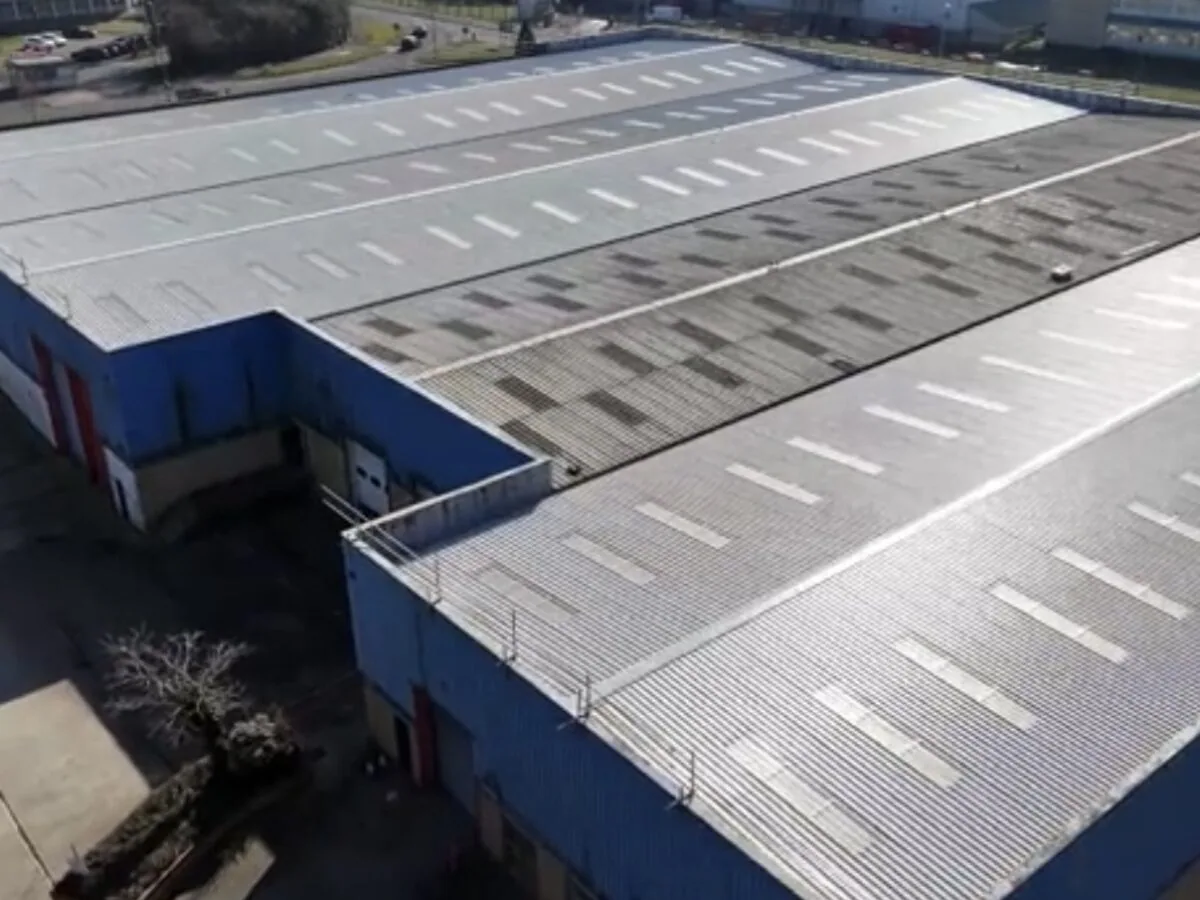
A low-slope commercial roof needs more than a surface that looks intact from the parking area. Modified bitumen uses asphalt-based plies with polymer modifiers, and its laps, flashing, and substrate all affect water control. Miramar's land-use map includes employment-center and industrial categories. We verify the installed ply stack, drains and edge details before setting repair limits or comparing renewal options. I-75 and US 27 are principal links through Miramar, but a modified-bitumen scope still depends on the delivery point and a secure dry-in boundary. A Miramar roof review starts with the building and its field condition.
SBS and APP are common modifier families, with application methods and system details that vary by product. We confirm the roof records and look at the actual ply construction before selecting a repair material. A hands-on inspection documents blisters, splits, open laps, ponding, and flashing condition. Those observations show whether the problem is limited to one transition or extends into the assembly. The system name alone does not set a repair quantity.
What does the modified-bitumen assembly include?
A modified-bitumen roof is built from one or more asphalt-based plies, with reinforcing and surfacing selected by the specified system. The roof may be installed with heat, adhesive, or another approved method. We do not assume which method was used based only on a visible cap sheet. Records, test cuts, and field details help identify the layers and substrate. Each layer affects tear-off, repair compatibility, and how a new tie-in can be made.
We inspect laps for splits, fishmouths, wrinkles, and areas where the surface has pulled away. At corners and penetrations, we check how the plies turn up and connect to metal or other flashing. A repair needs sound material around the opening. If a prior patch has trapped moisture or separated at its edge, adding another cap may not solve the water path. A built-up roof comparison can help distinguish a multi-ply assembly from modified bitumen when records are incomplete.
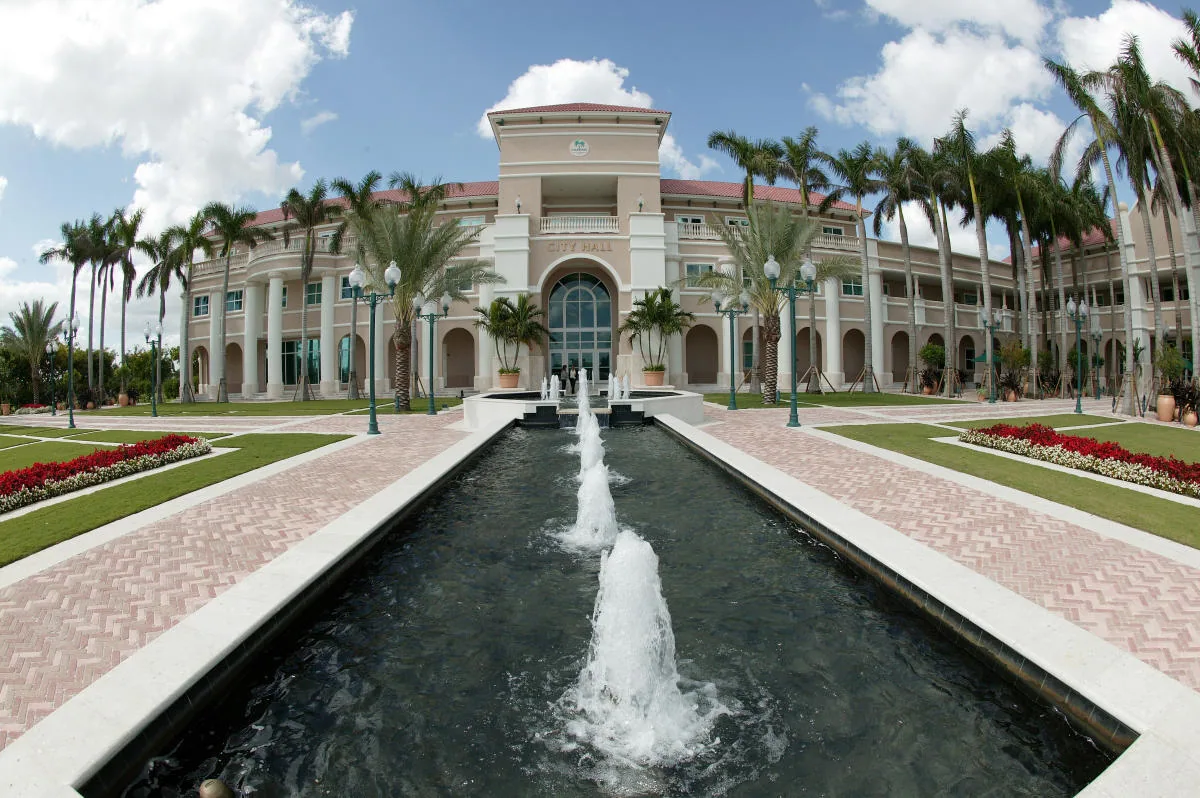
Where does water test the roof?
On modified-bitumen roofs, follow a stain to the nearest seam, end lap, base flashing, pitch pocket or drain. Look for fishmouths, open laps, granule loss, bridging and cracks where membrane meets metal. Record each finding on a roof plan, including whether the exposed ply is sound and whether water has traveled beneath the surface. After tracing the leak path, a test cut can show whether water is trapped between plies or has reached insulation; locate and close the opening under the specified repair detail. A drain and scupper review addresses a confirmed outlet issue. If moisture may extend beyond it, map a test area and consider an infrared survey before pricing removal.
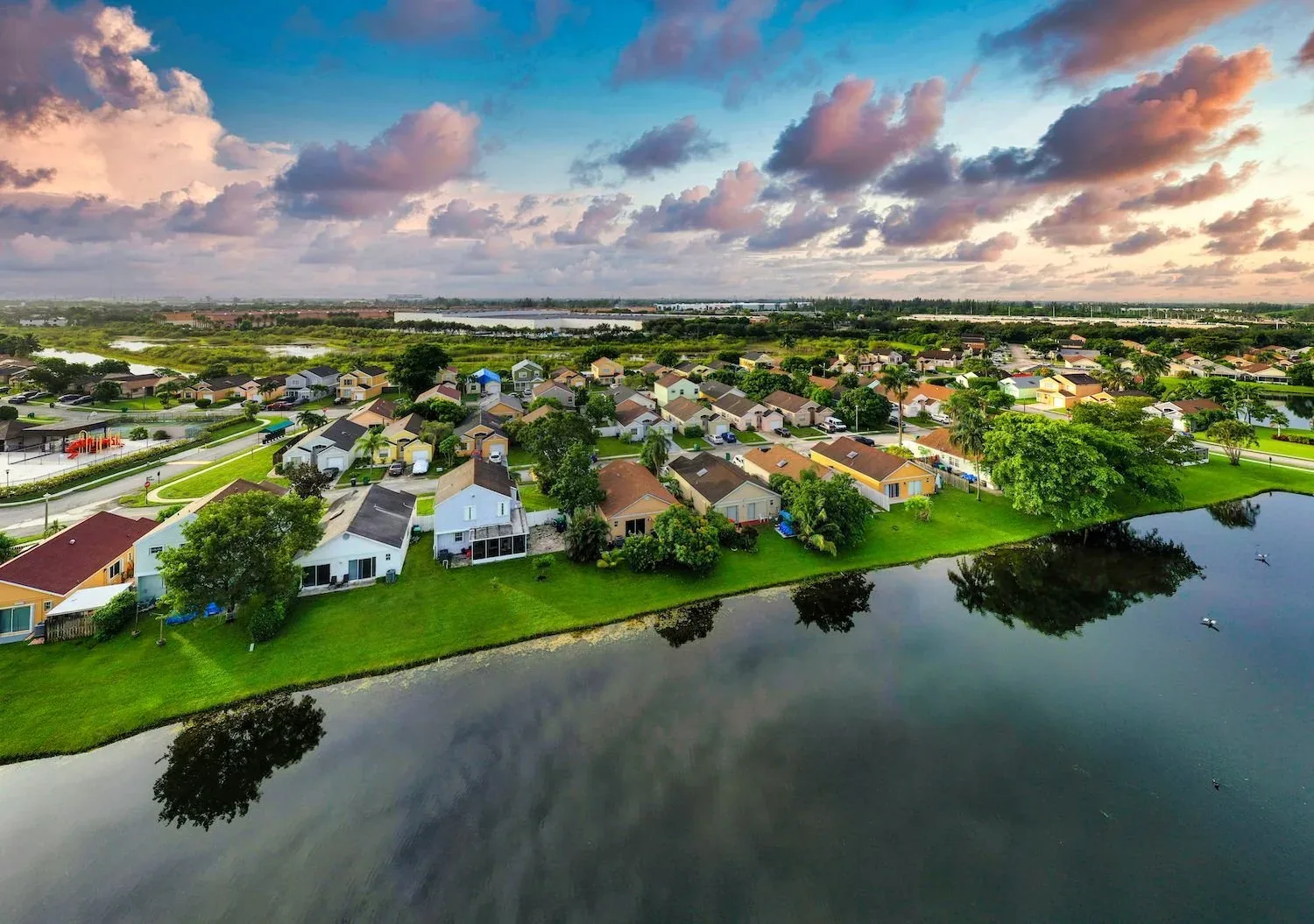
How should weather affect the work window?
A patch is useful only when the surrounding cap sheet and underlying layers can accept the repair detail. For a modified-bitumen work window, follow the selected product requirements and verify the roof is dry enough for the planned operation. After a storm, inspect lap edges, flashing, drains and interior reports before treating a new mark as a confirmed defect. A hurricane damage review can separate observed changes from wear that predates the event.
Modified-bitumen installation methods have different surface and weather limits. The crew follows the selected manufacturer’s instructions and approved project documents. Open flame, where specified, requires the job’s fire-prevention controls and coordination with the property team. Cold or wet conditions can affect adhesion and the ability to make a sound tie-in. We set a daily area limit and dry-in point before removing material. The owner knows what remains temporary and which section is closed at shift end.

Can a local split or blister be repaired?
A repair may fit when the defect is isolated, adjacent plies are stable, and the substrate is dry and sound. We remove or prepare failed material to a firm boundary, then rebuild the detail with compatible components. A blister should not simply be cut and covered without determining what is underneath. A split near a drain or wall may need a larger flashing repair than the surface opening suggests. We photograph the condition and explain any test needed before setting the final quantity.
Costs change with layers, access, surface preparation, flashing, wet insulation, deck repairs, and protection below the work. We list those factors separately so the owner can compare a repair with replacement. A replacement evaluation can include tear-off and new insulation quantities if the assembly no longer supports localized work. For a sound roof, a focused repair may keep the scope smaller. The decision follows test findings and repair history.
More about Modified Bitumen Roofing
When should the owner plan a new assembly?
Broad ply separation, repeated water entry, saturated insulation, or deck deterioration can move the decision toward replacement. We inspect existing layers, attachment, edge height, drainage, and rooftop equipment. A recover requires a suitable base, acceptable added load, and terminations that can be rebuilt. If moisture or unstable layers remain, tear-off may be the better construction step. The proposal identifies what is confirmed and what can only be known after opening the roof.
Before mobilization, confirm roof access, delivery windows and interior protection with the property contact. A roof insulation review can confirm build-up, and a single-ply option can be compared when the deck and project requirements allow a different assembly. The alternatives should show their own edge and flashing quantities.
What should be confirmed before ordering?
Confirm the existing assembly, selected ply system, attachment, surfacing, flashing, insulation, and any special edge details. The general contractor coordinates equipment and other trades before tear-off. The property contact sets access hours and identifies sensitive areas below the roof. We protect drains, mark the section to be opened, and assign a dry-in limit. These decisions reduce the chance that material arrives before the roof quantities and transitions are settled.
Closeout includes photographs, completed areas, material records, repair locations, and maintenance observations. The owner can compare the roof condition with the original plan and decide what to monitor next. A maintenance visit can check laps, drains, and flashing before a small issue spreads. Schedule a modified-bitumen roof review in Miramar. We will identify the ply condition, map the water path, and explain whether the next budget step is repair, testing, recover, or replacement.
Commercial Roofing Questions
How can you tell whether the roof is SBS or APP?
We review records, labels, visible construction, and test findings. The modifier may not be clear from a weathered surface alone. We confirm the installed system before choosing a compatible repair or specifying replacement materials.
Can a blister be repaired without replacing the roof?
It may be possible if the surrounding plies and substrate are stable. We determine whether moisture or loss of adhesion is present, then set the boundary and rebuild the detail. A widespread pattern can point to a larger assembly issue.
Which modified-bitumen details should be checked first?
Review cap-sheet wear, laps, flashings, drains and the condition of underlying layers. A repair should bond to sound material and stop at a boundary that can be verified in the field.
What is different about a recover compared with tear-off?
A recover keeps existing layers only when they are dry, stable, and suitable for added load and new edge details. Tear-off exposes the deck and allows wet or damaged material to be corrected. The inspection identifies which condition applies.
What controls the installation schedule?
Weather, application method, material lead time, tear-off depth, access, and trade coordination all affect the sequence. We set a daily opening limit and dry-in point around the selected system’s requirements.
Miramar, Pembroke Pines, Davie, Hollywood, Opa-locka, Miami Gardens, Miami Lakes and Doral in Broward and northern Miami-Dade County.
Request a Roof Assessment
Send the building address and what the roof is doing. We reply with a roof visit date and a written scope.