Commercial Roofing for Manufacturers in Miramar, FL
A manufacturing roof protects production lines, utilities, storage and shipping areas. A leak near an electrical room or process equipment can disrupt more than the space below it. We inspect the roof assembly, drains, curbs, seams and perimeter details, then mark the condition and repair boundary. In Davie, industrial zoning covers more than 900 acres; the town’s sectors include education, health, distribution, manufacturing and technology. Miramar’s land-use labels span commerce and industry, offices, employment centers, regional-activity centers and transit-oriented areas. Before setting a roof scope, we verify the assembly, condition and operating needs on site.
Before work, the facility contact identifies production windows, roof access, crane or lift routes and equipment that cannot be interrupted. We plan daily dry-in and the route for materials. A Miramar roof review starts with observed conditions and facility access. A logistics roof plan can help coordinate loading and warehouse interfaces when the property combines manufacturing and distribution.
Which production areas need protection?
We identify work zones above production, utilities, inventory and employee circulation before cutting into the roof. The owner can flag equipment that must stay powered, air intakes that need protection and routes that need to remain open. If a process requires a shutdown or a mechanical unit must move, the responsible trade sets that work. The roofing scope identifies the membrane opening and tie-in so the system is not left exposed while another task waits.
Before a shift starts, confirm the production bay, active equipment, barrier line and contact authorized to pause a task. We agree on the shift boundary, barriers below and who can authorize concealed work. Roof records for production beside clinical space can keep access limits, interior protection and closeout tied to the affected areas. A healthcare roof plan should record those details by roof zone. Work stays tied to the building's roof findings.
What happens at rooftop machinery?
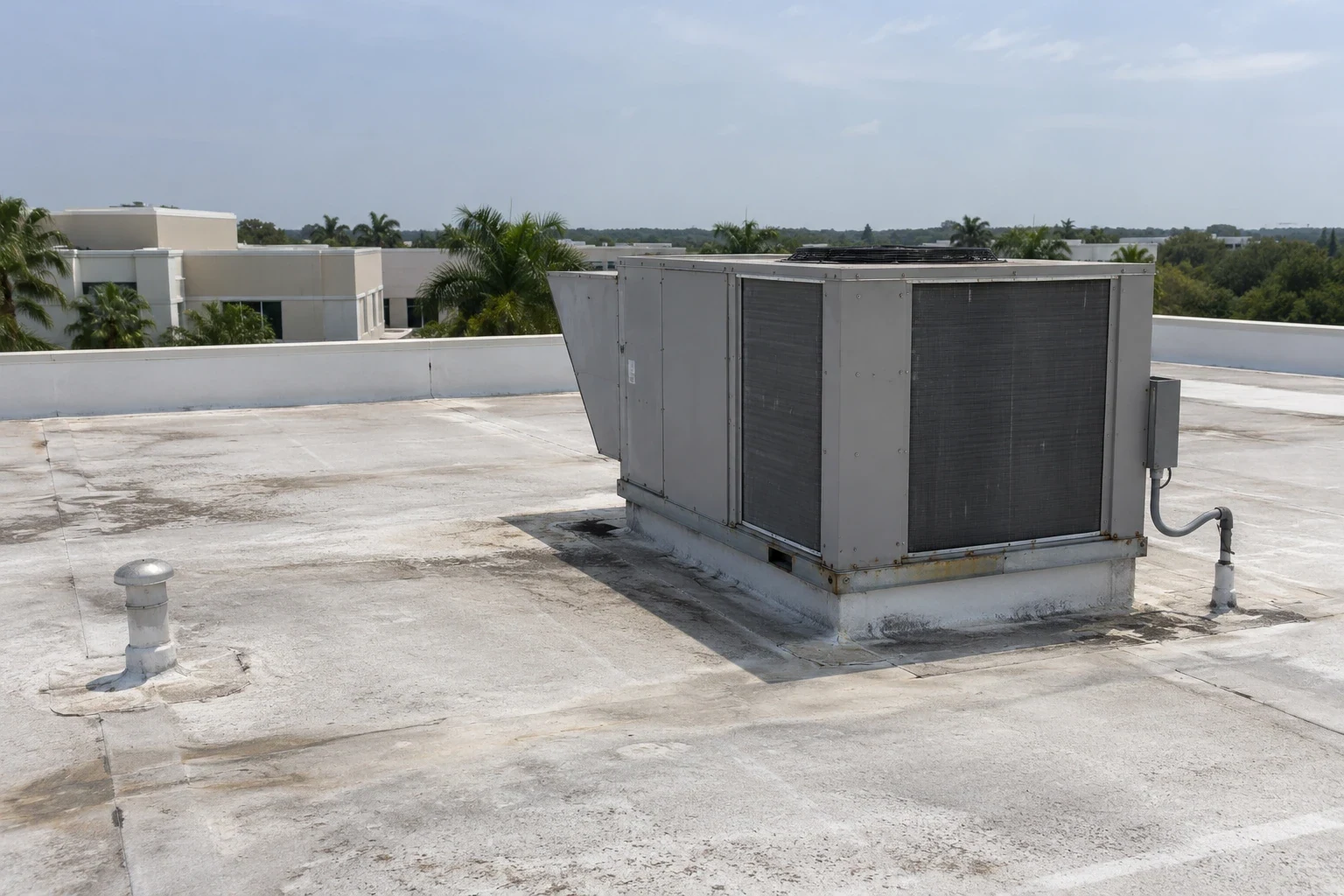
Fans, ducts, pipes, conduits, curbs and equipment supports create transitions through the membrane. Vibration and service traffic can loosen flashing or damage a walkway. We inspect corners, terminations, support pads and the path technicians use to reach a unit. If a machine needs lifting, we coordinate the opening and roof closure with the equipment trade. The owner sees which work belongs to roofing and which task must be completed before the membrane tie-in.
US 27 and US 441/State Road 7 are principal Miramar routes; I-75 and the Turnpike orient deliveries, while the plant contact confirms its gate, receiving window and lift staging. We attach the confirmed gate, receiving window and lift staging notes to the work zone that needs equipment service. A curb and support inspection records the roof details around each unit. We inspect each repeated curb by location and include only the conditions found in the repair scope.
How do you trace a leak through a plant roof?
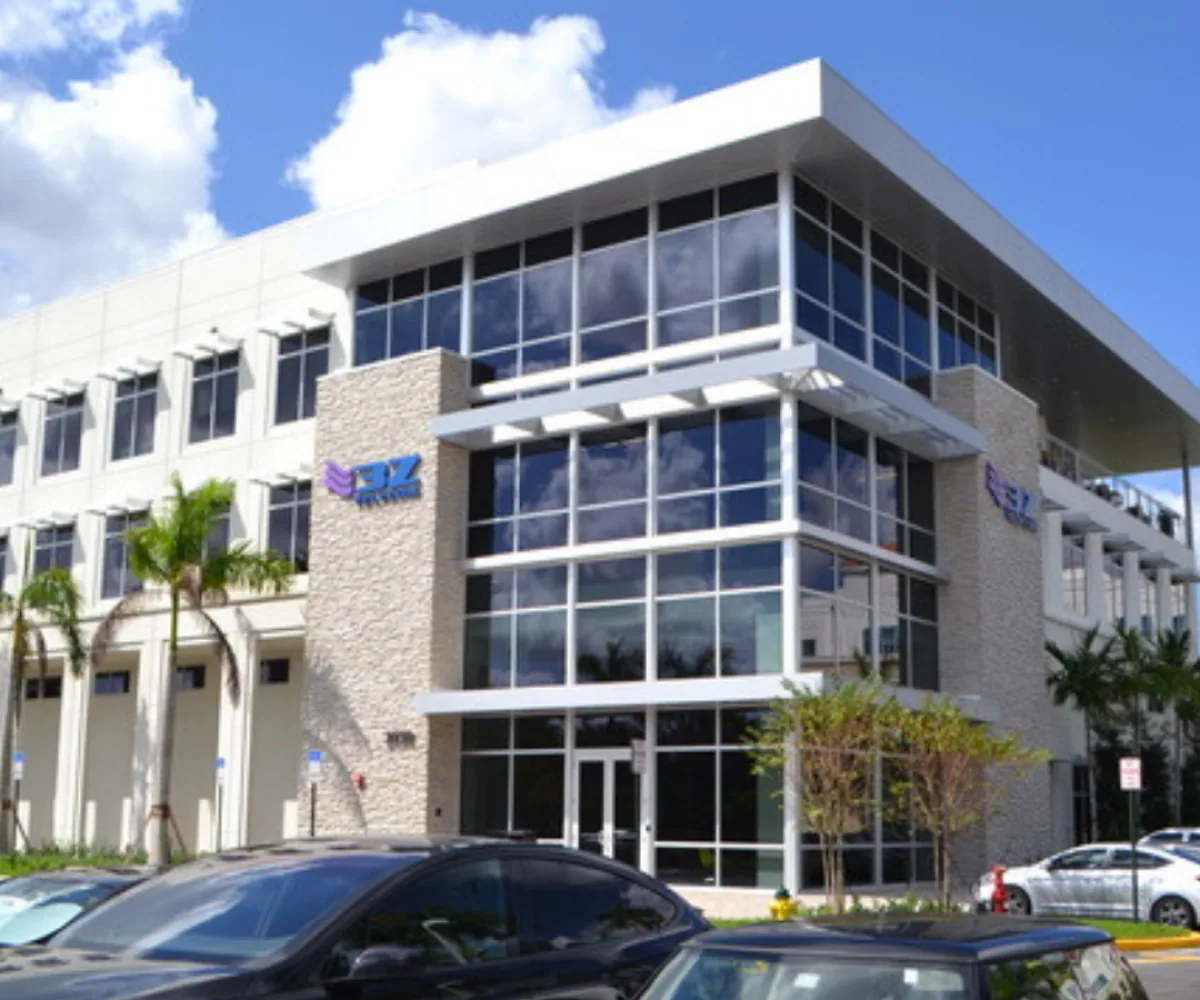
Start at the reported drip, then work back through the roof assembly. A machine room may sit below a curb, seam, drain or transition that is not directly above the stain. We mark the interior symptom, inspect the closest roof details and separate a suspected path from a confirmed entry point. If testing is needed, agree on the opening, approval and dry-in step before cutting. That keeps the repair boundary tied to observed moisture rather than the equipment location alone.
Existing submittals, repair records and visible product labels help identify the installed membrane and later curb work. Match a proposed patch to the recorded assembly before choosing a welding or adhesive method; a manufacturer's name by itself does not locate the leak. Miramar includes industrial and employment-center land uses. Plant submittals and the roof survey identify the assembly installed on the building. The commercial roof inspection records the suspected path, test area and material condition for the facility contact.
When the line leads toward a drain, check the outlet and surrounding slope before expanding the scope. A blockage, open lap and wet insulation call for different next steps. We photograph each observation and state what remains concealed so production staff can approve only the work supported by the inspection.
When can production continue during repair?
Production can continue below a roof zone only when the affected bay, overhead equipment, intake paths and material route can be controlled. The facility lead marks lines that must remain live, names the shutdown approver and sets any exclusion below an opening. We divide the roof work at a boundary that can be secured by shift end. A repair above process equipment may need a different window from one above a storage bay. The closeout photo record identifies the opened zone and the protection left in place.
For a machine-area leak, compare the interior report with the curb, seam and drain above it before asking a trade to stop equipment. We list the roofing task separately from electrical or mechanical work, then show what condition would change the repair quantity. A repair plan identifies preparation, tie-in and closeout checks. If moisture remains uncertain, survey selected areas before setting removal quantities.
More about Manufacturers
How does replacement affect the plant schedule?
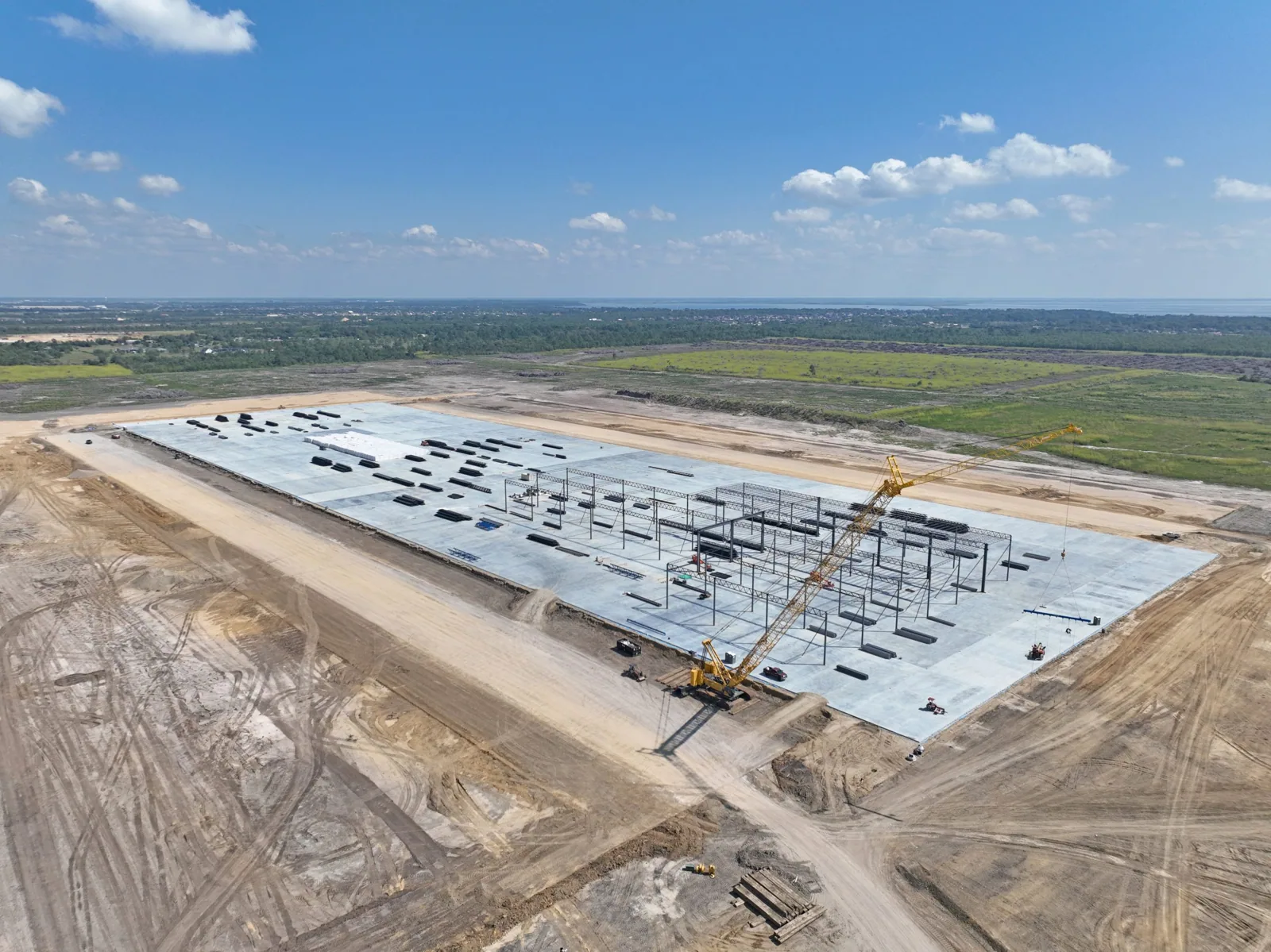
Widespread wet insulation, recurring leaks, failed perimeter attachment or deck concerns can move a plant toward replacement. We compare roof zones, equipment density, drainage and access, then separate confirmed removal from concealed conditions. A recover is considered only if the existing layers, moisture, deck and edge height can support it. The estimate includes lift and staging, equipment moves, production protection and the daily tie-in strategy.
Phasing can keep unaffected production areas in use, but procurement, inspections and weather windows still control the schedule. We identify who approves concealed deck repairs and where deliveries can be placed. A replacement assessment compares tear-off and recover options. A single-ply system review addresses membrane, attachment and flashing requirements when that assembly fits the project. Material choice follows the roof design and operating conditions, not a default preference.
What should the facility retain?
Keep a roof plan with marked zones, photographs, repair limits, equipment dependencies, test locations and closeout dates. A maintenance lead can compare the same bay or drain after production changes or later storms. We note areas that were not accessible and distinguish completed repairs from unresolved testing. That record supports a budget review and helps new staff understand what was approved.
At closeout, we review the work area with the facility contact and confirm the dry-in and any remaining maintenance item. The owner can schedule a follow-up after another trade finishes equipment work. A portfolio roof record can also help a multi-property manufacturer compare priorities across plants. Schedule a manufacturing roof review in Miramar. We will inspect the assembly, coordinate production access and define the repair, testing or replacement decision.
Commercial Roofing Questions
Can roof repairs happen during production?
The work zone, noise, equipment and protection below determine what can remain active. We coordinate the opening and daily dry-in with the facility contact, and identify any equipment or process shutdown that another trade must schedule. The plant sets operating limits; our scope states the roofing sequence and closure point.
What if a leak is above electrical or process equipment?
Tell us the room, equipment, current water status and a safe access contact. We inspect the roof above and around the report, then coordinate protection with the facility team. Temporary measures may control active water while a permanent repair is defined. We document roof work separately from electrical or process decisions.
How do you handle rooftop equipment that needs moving?
The responsible equipment contractor handles disconnection and lifting. We identify the roof opening, flashing and tie-in required, then coordinate the sequence so the membrane can be closed after the unit is reset. The scope records the dependency and approval needed if removal reveals a different condition.
Does a storm report mean the plant roof is damaged?
A post-storm roof check starts with the reported area and its interior water signs. We inspect edges, attachment, curbs, seams and drains, then photograph observed movement or water entry. The findings support temporary protection, repair or further testing based on the roof itself.
What can change the cost of a manufacturing reroof?
Tear-off, wet insulation, deck repairs, equipment movement, edge metal, drains, staging, production protection and access all affect quantities. We list confirmed work separately from concealed conditions that need approval after opening. The plant can compare phases with those cost drivers visible.
Miramar, Pembroke Pines, Davie, Hollywood, Opa-locka, Miami Gardens, Miami Lakes and Doral in Broward and northern Miami-Dade County.
Request a Roof Assessment
Send the building address and what the roof is doing. We reply with a roof visit date and a written scope.