
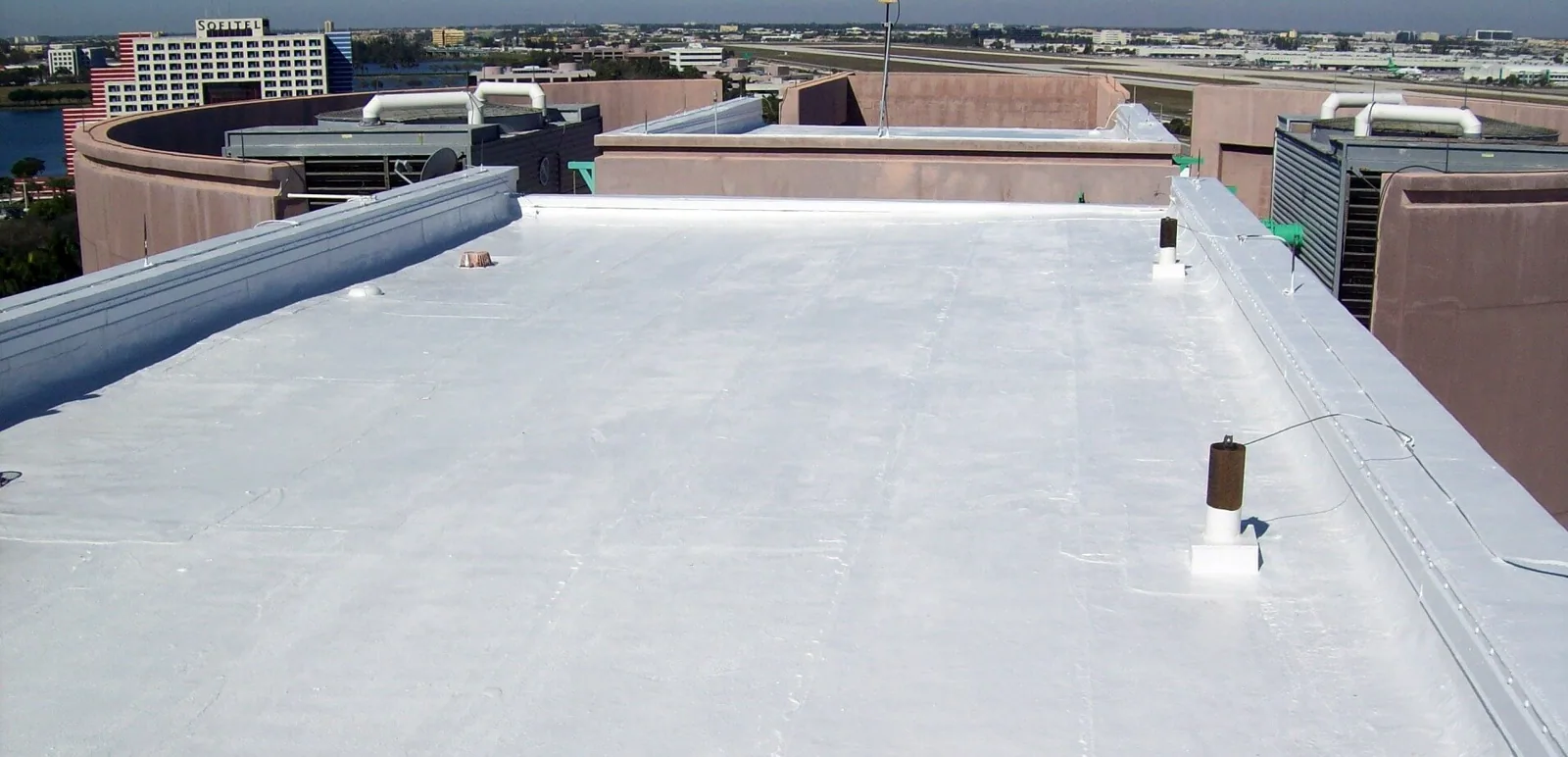
Commercial Roof Recover in Miramar, FL
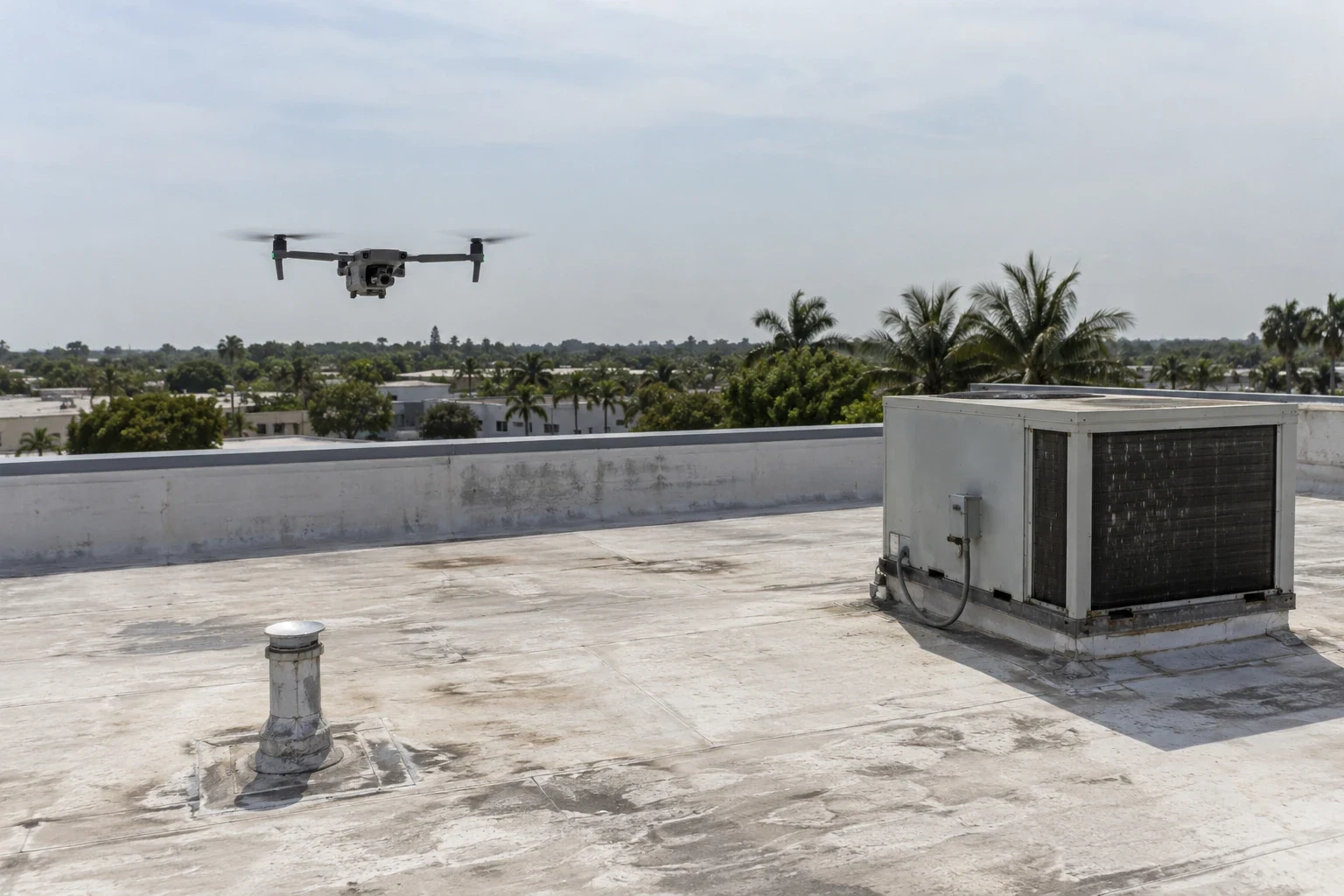
A recover can keep sound roof material in place, but it cannot make wet insulation dry or a weak deck dependable. On a Miramar commercial building, the first decision is whether the existing assembly can support another system and still drain properly. We inspect roof layers, seams, penetrations and low areas, then use test cuts or moisture testing where the surface does not tell the full story. The owner gets a repair boundary, a removal scope or a recover plan tied to the roof itself. A commercial roof inspection helps establish that boundary before pricing the work.
What must be sound beneath the new system?
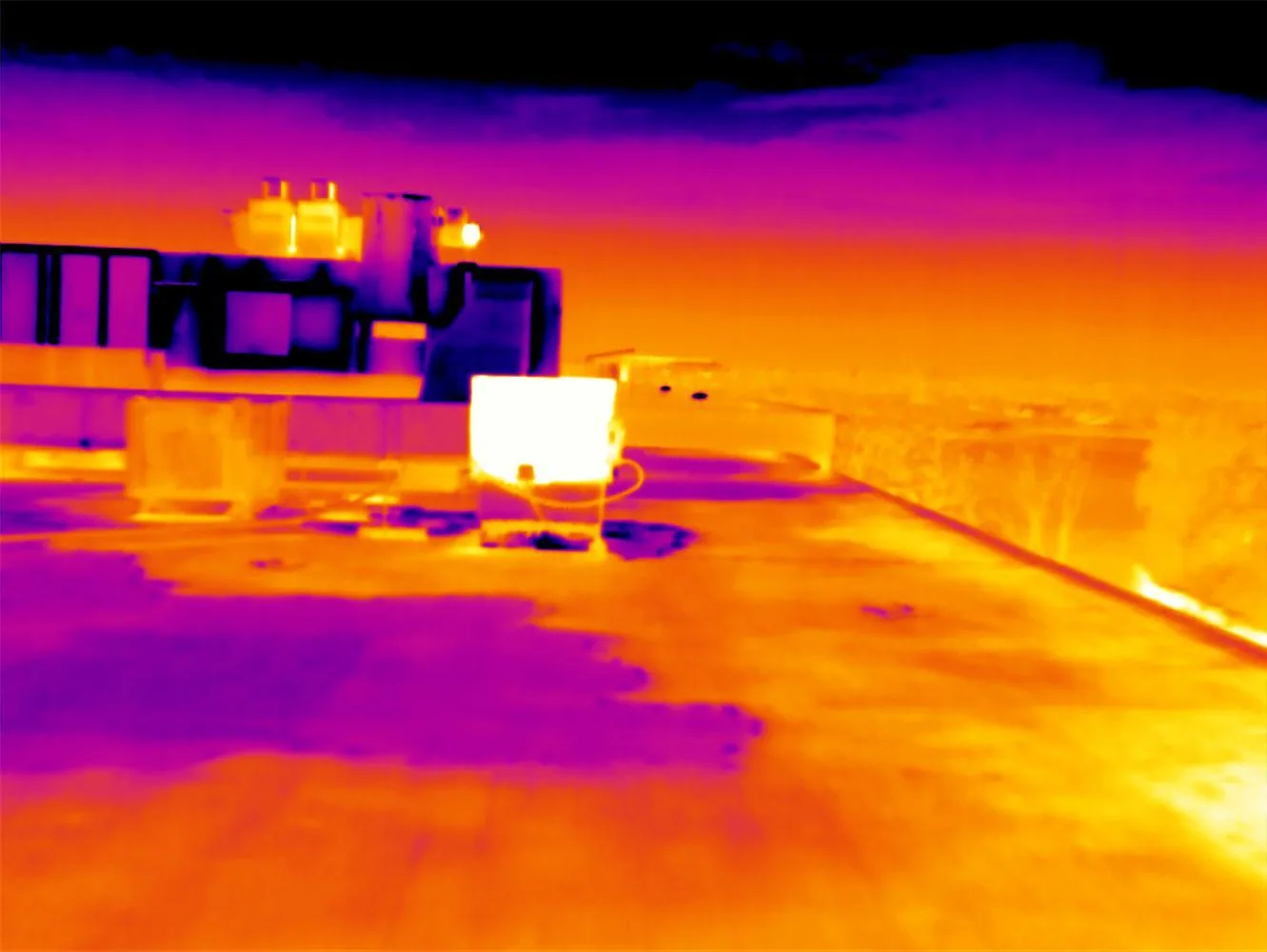
The deck must be stable, the existing layers must be within applicable limits, and the insulation must not hold moisture that will remain trapped. We look for soft spots, failed seams, previous patches, blisters, corrosion, loose fasteners and water that has no clear path to a drain. A test cut can show whether the material below a dry-looking surface is still wet. We photograph the cut, note its location and explain whether the nearby area needs more investigation before a recover is considered.
Miramar classifies industrial areas, office parks, employment centers and regional-activity districts among its land uses. On the roof, we verify the actual layers and deck before deciding whether another system can go over them. Existing penetrations, curb heights and wall transitions also need enough room for a second assembly. Where those details cannot be raised or tied in correctly, the work may require selective removal or full tear-off. The insulation and cover-board scope can clarify what belongs in that repair boundary.
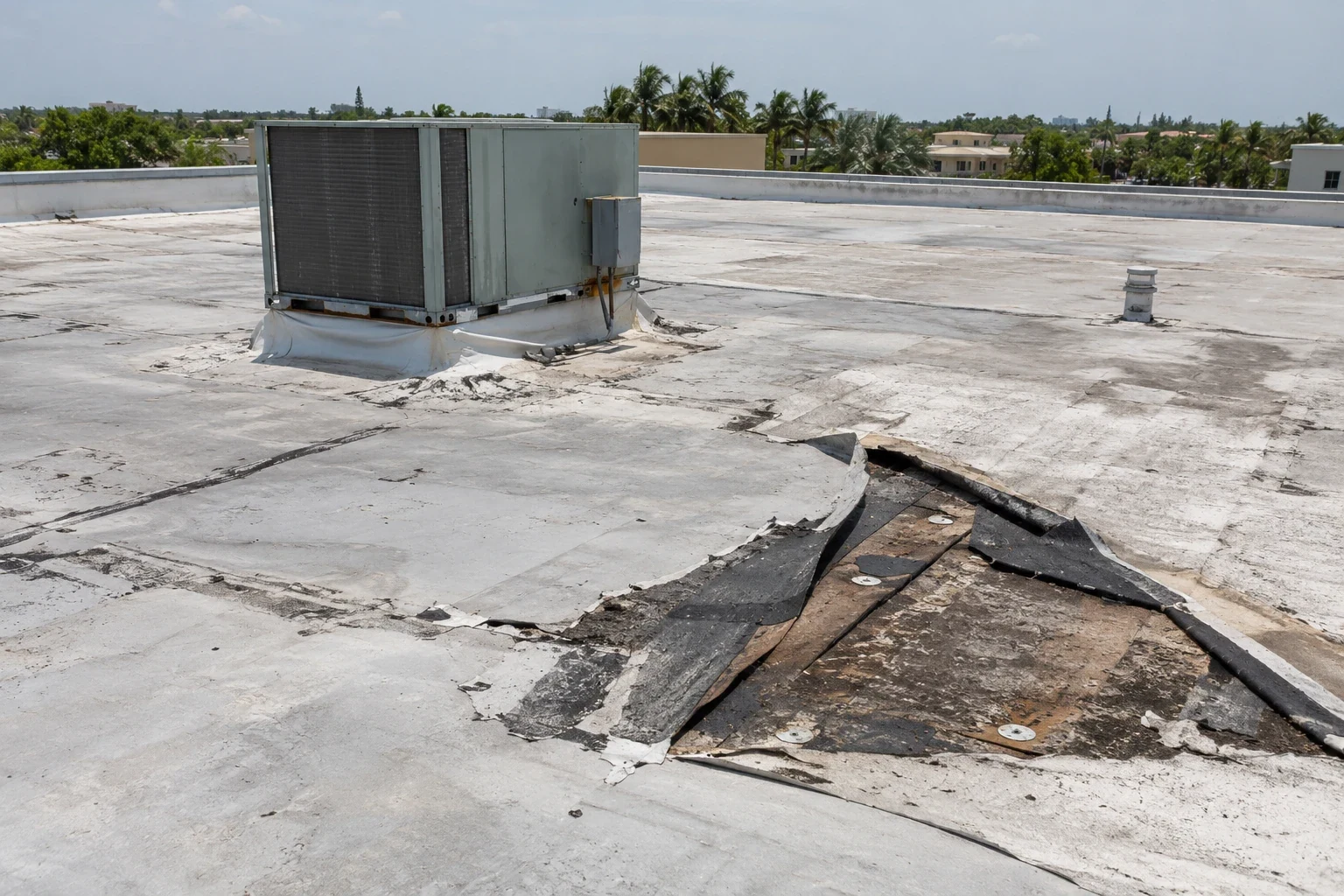
When does a recover make financial sense?
A recover may reduce tear-off, hauling and time with an open roof when the existing assembly is dry, stable and eligible for another layer. That can matter on an occupied office or warehouse where staging space and interior protection need coordination. The budget benefit depends on a sound deck, dry layers and workable tie-ins. Added thickness changes curb and flashing heights, and a roof that already ponds may need drainage work before a new surface goes on. We compare removal, selective replacement and recover scopes using the conditions found, so the owner can see what each path solves and what it leaves behind.
The estimate separates moisture remediation, deck repair, edge changes, drain work and new membrane installation. We also account for roof access, material movement, rooftop equipment and work hours. Around the Miramar Town Center, mixed-use redevelopment brings residential and commercial activity together, so we set delivery and noise windows with the property contact. A capital planning review can arrange larger work in stages when the roof and tie-ins allow it.
Will another layer handle rain and wind?
Performance depends on the assembly and its details, not on the number of layers alone. Heavy rain makes open laps, blocked drains, and low transitions easier to spot. After wind exposure, verify perimeter attachment, corners, parapets, and equipment flashing against the proposed assembly. We document movement and confirm that existing edge height can accommodate the added system before selecting a recover.
Before a recover, map the drain path and check whether the added system will keep water moving to the outlets. Review scuppers, drain bowls, crickets, curb clearances, and terminations as one assembly. If a new surface would cover a recurring leak or trap moisture, remove that area first. When an inspection follows a storm, the wind-damage review records disturbed edges and seam movement before the repair scope is set. This ties the recover choice to visible conditions.
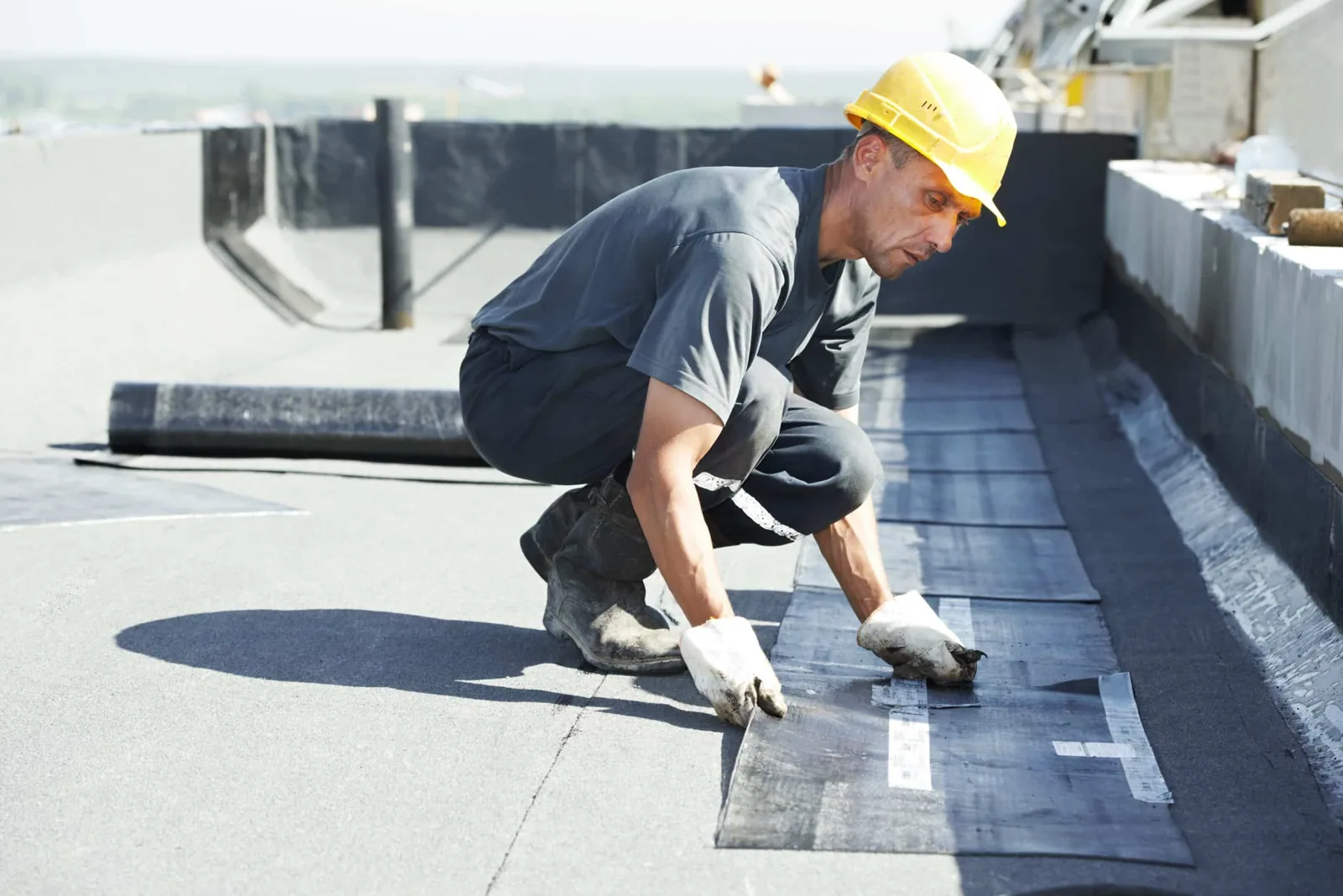
How is a recover installed without losing control of the roof?
We mark the work area, protect drains, confirm access and stage material before installation begins. The crew repairs accepted defects, prepares the surface, installs the specified separation or cover layer where required, and secures the new membrane or roof system to the verified assembly. Each penetration and edge is finished with details suited to the system. We keep a photo record of concealed work and inspect seams, terminations and drains as the field progresses.
Deliveries can affect an occupied property. We schedule material drops with the site contact, keep emergency access open, and separate staging from customer or staff routes. The delivery window and dry-in point are set before a roof section is opened. If weather interrupts the shift, the exposed section is secured before crews leave. A phased occupied-building plan can help maintain that control across a larger roof.
More about Commercial Roof Recover
What will the proposal show before approval?
The proposal should state which existing layers remain, what preparation is included, how wet material will be handled and what conditions trigger an added repair. It should identify the attachment approach, insulation or cover-board work, perimeter changes and roof areas included. We note exclusions that affect performance, such as unresolved drainage or equipment work assigned to another trade. The owner can then compare a recover against a tear-off on the same assumptions.
Closeout includes photos of work completed and a review of drains, seams, flashing and access paths. The closeout plan identifies maintenance checks for the new surface and the contact path for a puncture or interior leak. A TPO recover assembly may fit some low-slope roofs, while other verified conditions can point elsewhere. Book a review in Miramar, and we will show whether the existing roof can carry another layer or needs selective removal first. For a roof in the Miramar Town Center area, confirm material staging, delivery access, and the daily dry-in point with the property contact.
Commercial Roofing Questions
How many existing roof layers can stay in place?
The existing assembly and applicable code limits set that answer. We identify the layers through records and test cuts, then check their condition and the deck beneath them. If another layer would exceed a limit or cover wet material, we include removal instead. The proposal states what remains so the owner is not comparing a recover with a tear-off built on different assumptions.
Can you recover a roof with a few wet sections?
A wet section needs to be opened and corrected before it is covered. We map the affected area, remove damaged insulation and repair the deck where required, then determine whether sound portions can stay. Moisture must have a clear boundary. If testing shows it continues beyond the visible defect, we expand the investigation before setting the final scope.
What happens to drains when the new layer adds height?
Drain bowls, scuppers and surrounding flashing need to remain at working elevations. We measure those details and account for curb and termination heights before specifying the recover assembly. Where drainage would be restricted, the proposal includes adjustments or a different roof approach. After installation, we check that outlets are clear and water has a path off the roof.
Will a recover stop recurring leaks by itself?
A new surface will not correct a failed curb, open wall transition, bad drain connection or wet layer underneath. We trace the leak, inspect the assembly and repair those conditions before recommending a recover. If the source is limited, a repair may be enough. If the assembly is broadly compromised, replacement gives a cleaner way to address it.
Can the building stay open during recover work?
The work can often be sequenced around building operations with access, deliveries and temporary protection planned in advance. We coordinate roof entry, staging and restricted hours with the property contact. The crew closes the work area at the end of each shift and protects entrances below active sections. Weather and concealed repairs can change the sequence, so we keep the owner updated before the work zone moves.
Miramar, Pembroke Pines, Davie, Hollywood, Opa-locka, Miami Gardens, Miami Lakes and Doral in Broward and northern Miami-Dade County.
Request a Roof Assessment
Send the building address and what the roof is doing. We reply with a roof visit date and a written scope.