A commercial roof decision should start with the assembly and the building's need, not a product pitch. We inspect low-slope and metal roofs, document visible conditions and explain which work follows from the evidence. That may mean an isolated repair, a maintenance visit, a moisture test or a comparison with replacement. We work with owners, property managers, facility teams and general contractors who need a scope they can review and schedule.
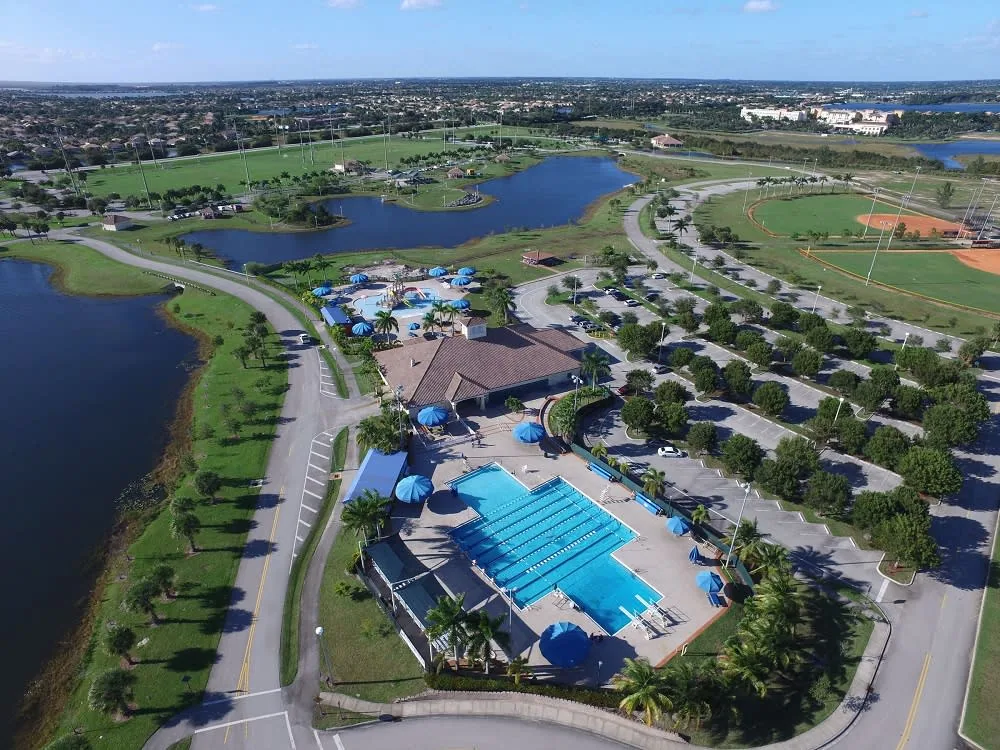
Miramar’s commercial land-use mix includes office parks, industrial uses, employment centers and regional-activity centers. Commercial properties in that mix can have different access rules, rooftop equipment and operating hours. We confirm those details with the site contact rather than assume a roof can be opened whenever a crew arrives. The commercial inspection begins with access, assembly, drainage and reported conditions.
What happens during a roof review?
We walk the accessible roof areas and identify the system, edges, seams, flashing, penetrations, drains and equipment supports. We look for open laps, punctures, loose metal, prior patches, standing water and signs that insulation may be wet. The report records where each condition sits and whether it is visible, tested or still uncertain. An interior leak location is compared with the roof above it because water can travel before reaching a ceiling.
When a surface looks intact but moisture is possible below it, we can use infrared screening to select areas for confirmation. A moisture survey identifies patterns that may need a test opening; it does not replace direct confirmation when concealed conditions affect the scope. We mark any opening with an approval point and restoration plan. If the roof has an active opening, temporary protection may be needed first, followed by a permanent repair once the surface and assembly can be assessed.
Every inspection has limits. Access, weather, rooftop equipment and the approved work area may affect what is visible that day. We state those limits with the finding, explain whether a test could change the recommendation and avoid treating an unverified condition as confirmed. A photo-supported condition report helps the owner connect each image with the roof zone and next action.
How do we match the work to the roof?
A repair is useful when it reaches sound material and addresses the entry point. We prepare the area, connect the patch or flashing repair to compatible surfaces and record the finished detail. If several failures recur or insulation is wet across a larger zone, we compare a local scope with wider assembly work. We do not recommend a coating as a substitute for correcting a leak path or drying wet insulation.
A recover may be considered when the existing layers, deck, insulation, drainage and perimeter details can support another assembly. Replacement becomes a more useful comparison when moisture, attachment or deck issues are widespread. Our repair work, recover assessment and replacement review describe separate paths. The estimate identifies what is confirmed, what is included, which test could alter quantities and who approves any added work.
We install and repair membrane, built-up, modified-bitumen and metal roof systems, along with compatible coating and foam assemblies. The system choice depends on the deck, insulation, attachment, drainage and detail conditions on that building. We explain how the selected assembly handles seams, transitions and rooftop equipment, and what the owner should expect during removal, installation and closeout.
How does local context enter the scope?
Weather affects when a roof can be inspected safely. After a weather event, we inspect attachment, edges, seams, drains and water-entry details, then document the condition observed at the property. If temporary protection is required, the record separates that response from permanent repair work.
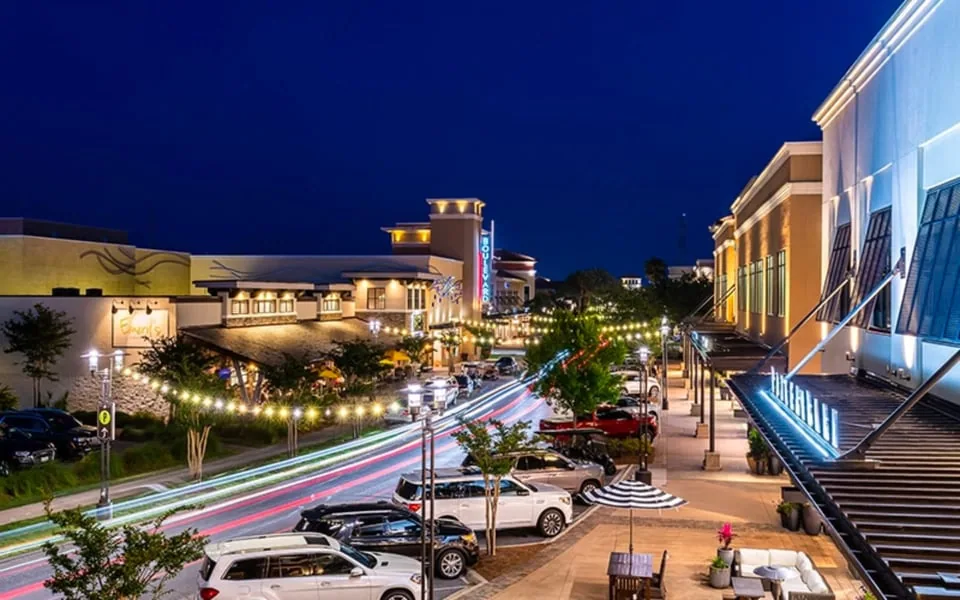
We serve Miramar and surrounding municipalities and broad commercial areas. Pembroke Pines’ commercial inventory includes retail, office and industrial parks. Davie’s industries include aerospace, biopharmaceuticals, distribution, education, healthcare, manufacturing, maritime and technology. That regional mix brings varied operating schedules and access needs. We review commercial roofs across Miramar, Pembroke Pines and Davie. Each project still begins with the property contact's access instructions and the building's actual needs.
How do we plan around an operating property?
Before work starts, we confirm roof access, material staging, delivery route, lift position, work hours, interior protection and the daily dry-in point. An occupied office, warehouse or clinic may need phased roofing so people and equipment remain separated from the work zone. The site contact helps identify restricted areas and the schedule that can support safe access. We state which section will be open and how it will be secured before the crew leaves.
Weather and hidden conditions can change the sequence. If a test opening reveals more wet insulation or damaged deck than expected, we photograph the result and request direction before moving beyond the approved scope. A phased occupied-building plan can set roof-zone limits and tenant notice. For an active leak, an emergency response may first protect the building, then return for a permanent repair scope when conditions allow.
Cost and timing follow measured area, removal depth, insulation, deck repairs, flashing, edge details, equipment coordination, access and protection below. We identify the assumptions behind the estimate and keep unconfirmed concealed work separate. That gives an owner a clear point to approve a test or choose a larger scope.
More about how we work
What does a useful closeout include?
The closeout should leave the property with a marked work area, photographs, installed materials, approved changes and any maintenance item that remains open. We note where the repair ties into existing roof material and which nearby conditions were not part of the approved work. A dated record helps a future manager compare a leak or inspection finding with what was previously corrected.
We can support recurring inspections, preventive maintenance and multi-building planning. A maintenance program checks drainage and roof details before a small opening becomes a larger interruption. A capital plan can carry confirmed conditions into a later budget request. The records should separate observed defects from tests or repairs still awaiting approval.
If you manage a commercial building in Miramar, share the leak location, access contact, operating limits and any prior roofing documents. We will inspect what is accessible, identify what can be priced from visible evidence and explain the test or work needed to resolve remaining questions. The next step should be clear to the people responsible for the building and the budget.
Commercial Roofing Questions
What types of commercial roofs do you inspect?
We inspect low-slope and metal commercial roofs, including their seams, flashings, drains, edges, penetrations and equipment details. The installed assembly is identified before we recommend repair or renewal work.
Do you provide a written record after an inspection?
We can provide photographs and a condition report tied to roof zones, visible findings and next actions. If access or concealed conditions limit the inspection, those limits and any needed test are stated.
Can you schedule roofing around tenants or operations?
We coordinate access, deliveries, work zones and end-of-shift dry-in with the property contact. Phasing depends on roof condition, weather and the building's operating requirements.
How do you decide between repair and replacement?
We compare failure extent, moisture, attachment, deck, drainage and prior repairs. A local defect may support repair; widespread problems can justify a replacement estimate. Concealed conditions may require testing first.
Request a Roof Assessment
Send the building address and what the roof is doing. We reply with a roof visit date and a written scope.