Commercial Roofing for Logistics and 3PL Operators in Miramar, FL
A distribution roof sits above stored goods, pick paths, docks and equipment that may run through every shift. A leak over inventory can require both temporary protection and a fast roof inspection. We trace the reported area to seams, drains, curbs and penetrations, then mark what is confirmed. Miramar's land-use categories include industrial, commercial, office-park, employment-center, regional-activity and transit-oriented uses. US 27, State Road 7, Florida's Turnpike and I-75 cross Miramar; the facility contact confirms the delivery entrance and route to the roof. Davie's industries include distribution, manufacturing, maritime and technology. Before opening a roof section, we confirm the building’s assembly and access constraints.
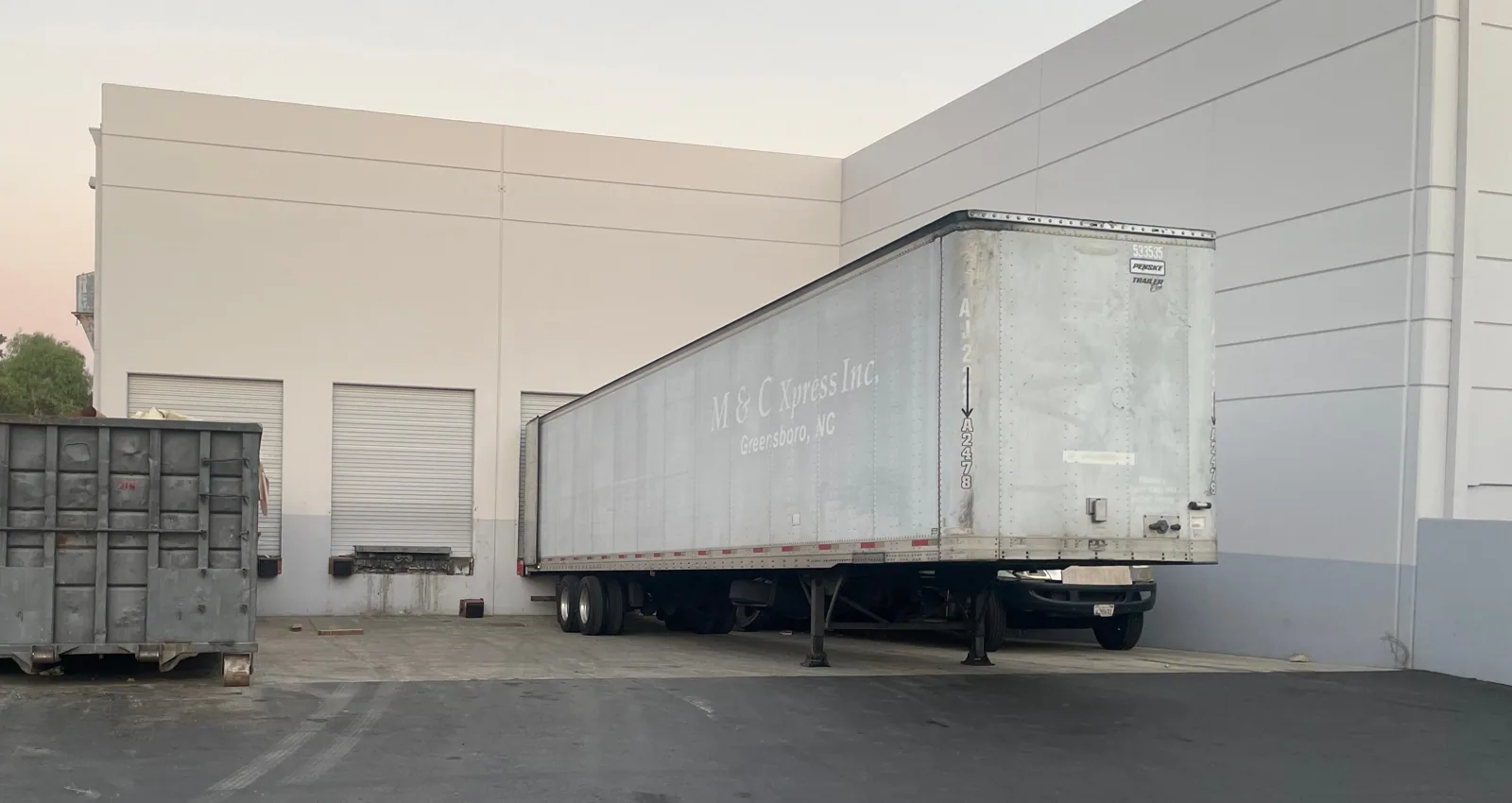
Before mobilization, we confirm dock access, lift placement, forklift routes and any inventory that needs protection below. The facility contact identifies hours when a lane can be narrowed or a section closed. A Miramar commercial roof inspection can establish the roof and access conditions. For combined production and warehousing, a manufacturing roof plan can help distinguish process areas from distribution zones.
How can dock activity shape the work?
A material delivery or lift should not block a receiving door during a scheduled inbound window. We agree on staging, traffic separation and a route to the roof before opening a section. If several dock doors share one roof zone, work can be phased to preserve the routes the facility needs. The crew closes the day with a defined dry-in limit and a check that drains remain clear.
The facility’s delivery appointment, gate instructions and dock plan determine the receiving window. We document those access limits before opening a roof section. A occupied facility reroof sequence can state which roof areas, dock aisles and interior zones remain in service during each phase.
What should be protected beneath a leak?
Tell us whether water is above racked inventory, electronics, packaging, charging areas or a receiving lane. We identify the roof area and coordinate the protection boundary with operations. A drip may travel along deck or insulation before reaching its visible point, so we inspect nearby details instead of cutting above the stain without checking the water path. Photos connect each finding to a roof zone and the area below.
In Davie, industrial zoning covers more than 900 acres; distribution and manufacturing are among the local industry sectors. For the facility under review, we document its loading, inventory-protection and roof-access conditions before opening a section. If moisture under the membrane is uncertain, a moisture survey can help locate areas for confirmation. Test openings establish whether insulation is wet before removal is priced.
Why check drains near loading areas?
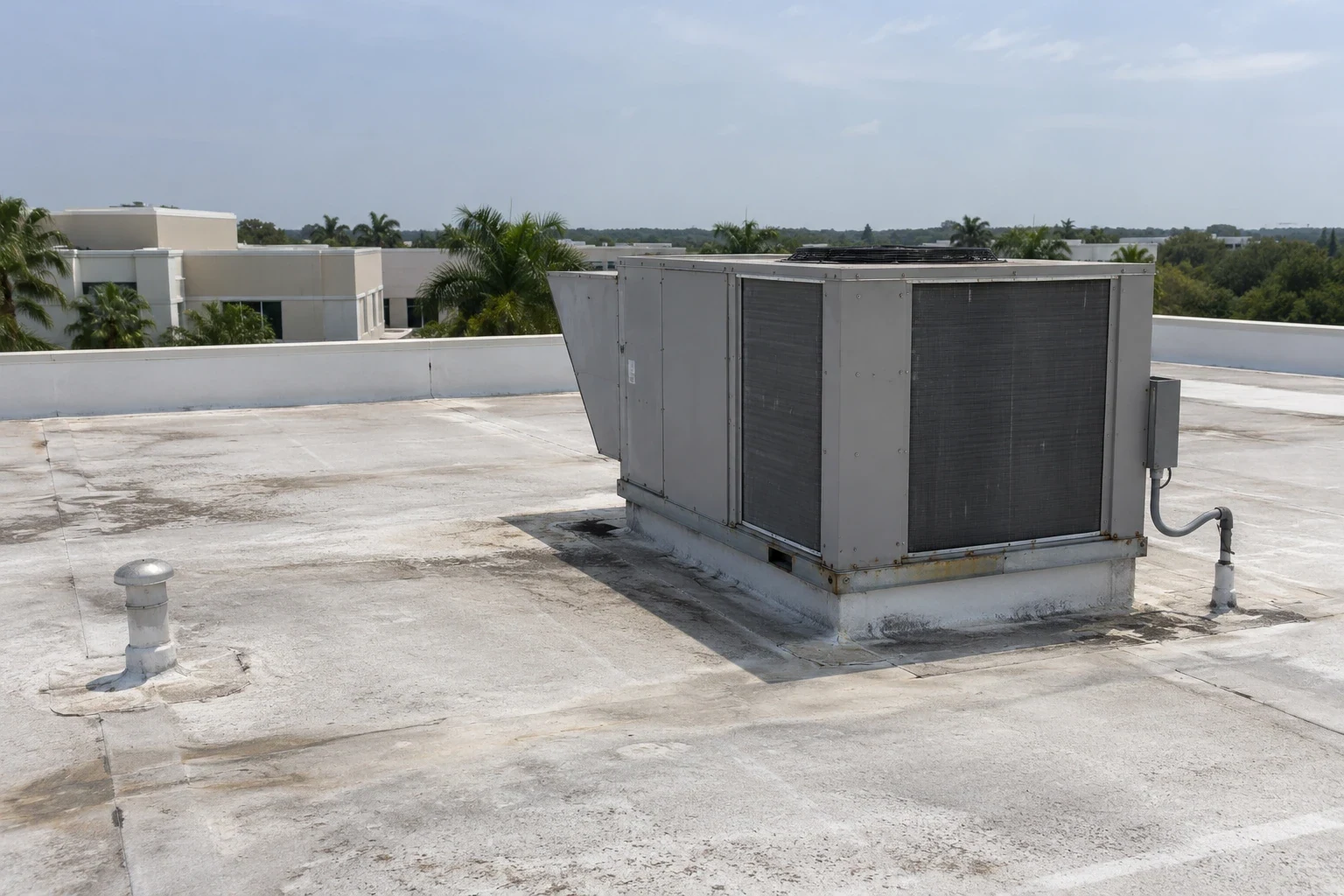
Water that remains around a drain or scupper can expose an open seam or failed flashing next to a dock roof. We inspect the bowl, overflow, nearby membrane and roof slope, then note whether water moves after the outlet is clear. Temporary debris protection during work matters because a clogged drain can create another interior problem. If the low area extends across several bays, we record the boundary and testing needed before setting a larger repair.
A planned inspection can also identify penetrations near conveyors, exhaust fans or supports. A drain detail review should connect the outlet to adjacent seams and insulation, not treat the drain as an isolated part. For weather-related water entry, a ponding-water repair review can distinguish drainage correction from membrane failure. The operating manager can keep dock routes open while we arrange safe roof access.
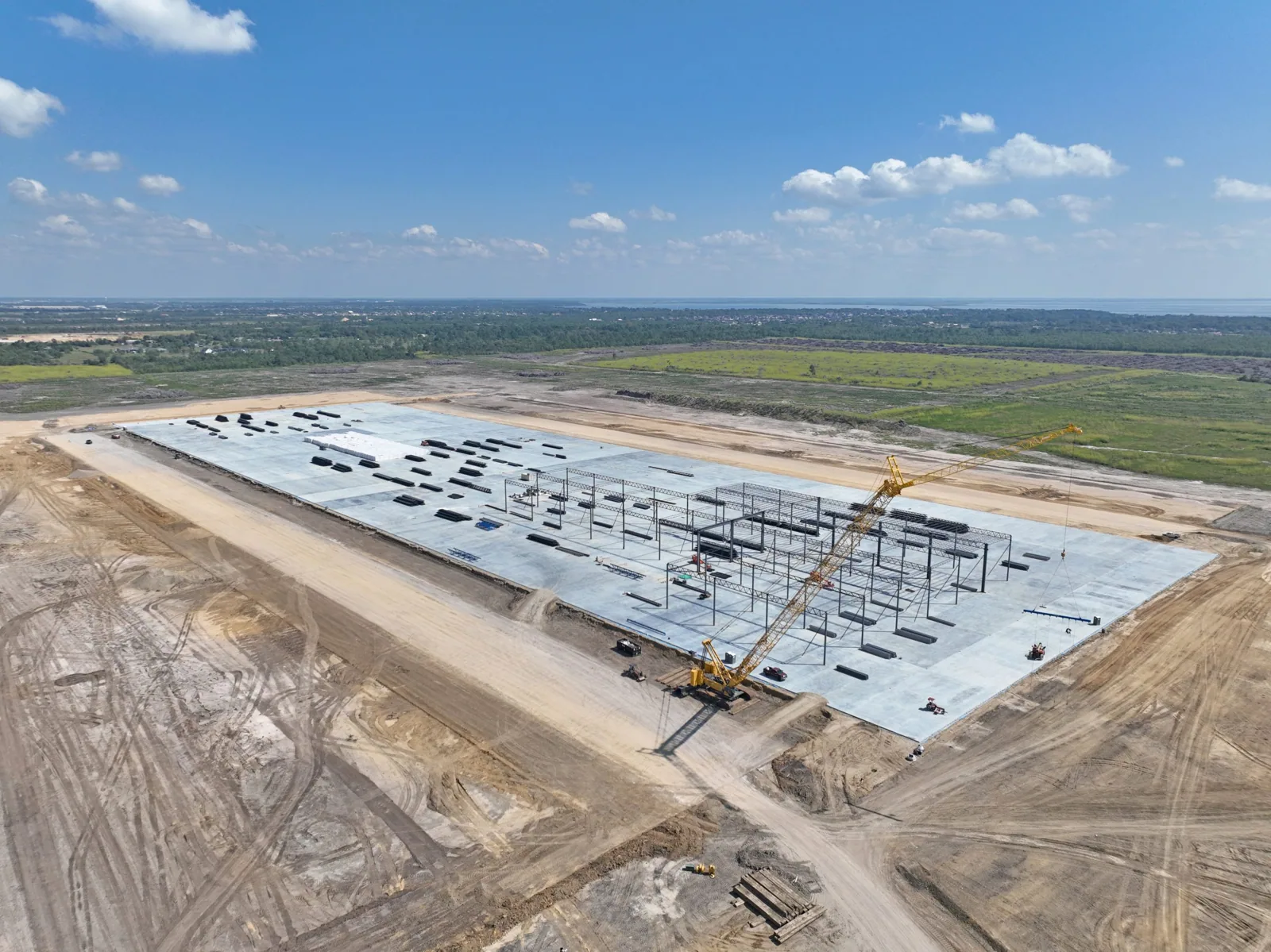
What should follow a heavy-rain or wind event?
A distribution roof event review starts with a report from operations: identify the affected stock or equipment zone, record the roof area above it and distinguish temporary protection from permanent work. After a storm, we inspect perimeter attachment, corners, seams, drains and rooftop screens, then compare observations with reported leaks. A photo record preserves what was visible before temporary protection changes the roof.
After severe weather in South Florida, a distribution roof review should record attachment, drainage and water-entry findings separately from earlier wear. For inventory protection, note the aisle, access route and material below any repair area. We identify a moved component, puncture or opened detail and separate it from earlier wear. For water near inventory, the emergency response estimate should identify the aisle, access route and protection needed below. The permanent repair follows once the surface, access and material conditions support the selected detail.
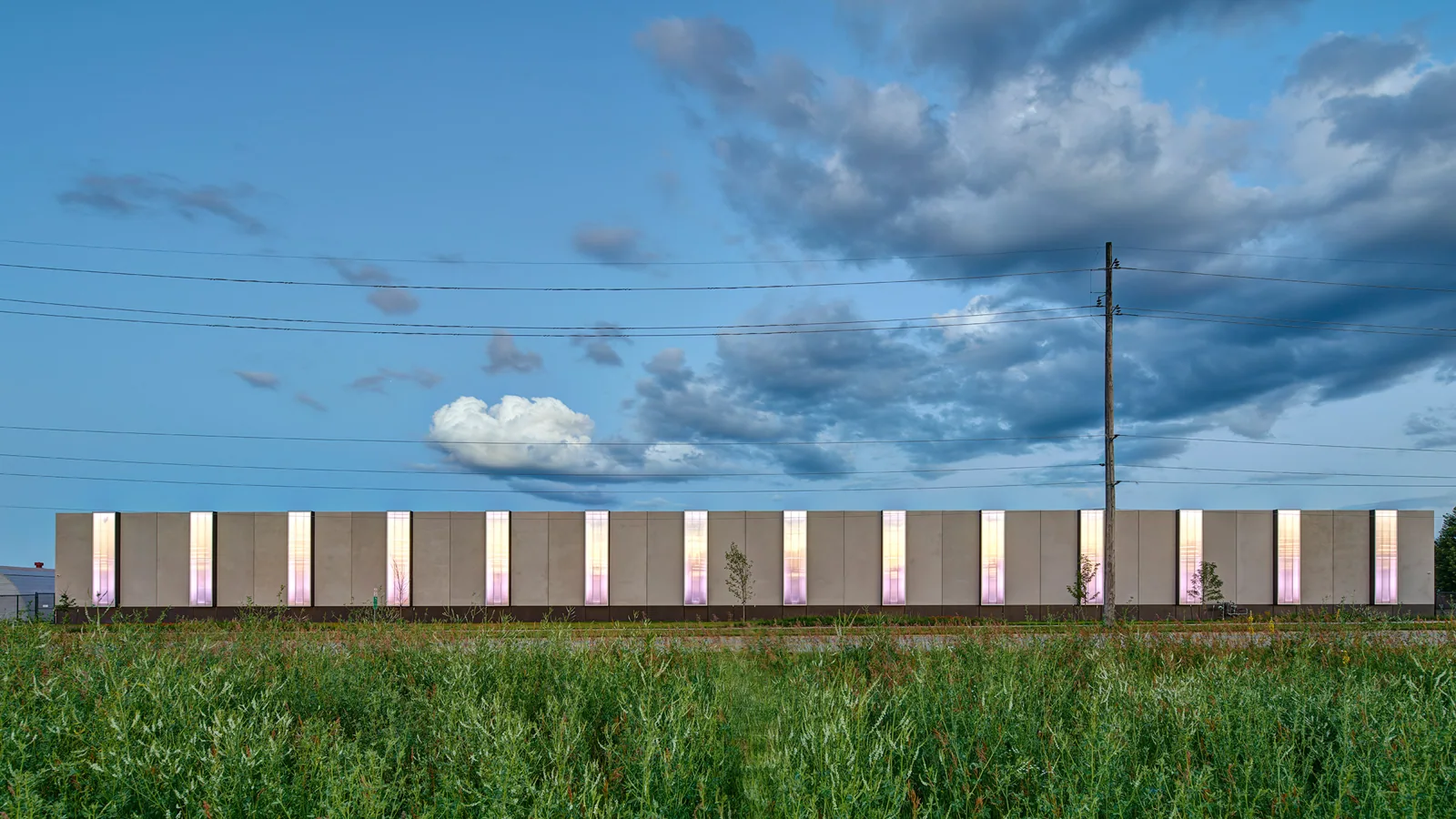
More about Logistics and 3PL Operators
Can repairs stay inside one warehouse bay?
When the membrane around a defect is attached and the insulation is dry, a repair may stay within one roof zone. We prepare the substrate, connect the patch to sound material and photograph the finished tie-in. If leaks recur at multiple seams or moisture extends across bays, we inspect the broader area and identify a test opening. A narrow repair should not leave wet insulation or failed attachment outside its boundary.
Forklift traffic, dock hours, inventory protection and roof access can affect the work window. A warehouse repair scope states the roof task, daily closure, access route and protection below. For repeated failures, the owner may compare repair against replacement after testing. A portfolio record can keep approvals and repair photos aligned when multiple sites are managed together.
When does a distribution roof need replacement planning?
Widespread wet insulation, recurring seam failure, loose attachment or deck concerns may make repeated patches less useful. We compare roof zones, drainage, equipment and access, then separate confirmed work from concealed conditions. A recover is considered only when moisture, existing layers, deck and edge height support another assembly. Tear-off depth and disposal affect staging and dock access, so those tasks should be visible in the estimate.
Phasing can keep receiving routes open by sequencing one roof zone at a time. The daily plan identifies the opening limit, dry-in point, lift position and who approves additional work. A replacement assessment compares removal and recover paths. A TPO system review addresses membrane, attachment and flashing details when that assembly fits the roof and project requirements. Schedule a Miramar logistics roof review. We will document condition, access and the next repair or capital decision.
Commercial Roofing Questions
Can a warehouse keep shipping during roof repairs?
Often the operation can continue if the work zone, lift path and dock routes can be separated. We coordinate material staging and daily dry-in with the facility contact. If a receiving door or aisle needs temporary restriction, operations chooses the window and we define the roofing task and closure point.
How do you protect inventory below a roof opening?
We identify the area beneath the work and agree on covering, relocation or restricted access with the site team. The roof opening stays within the section that can be secured that shift. When a leak threatens stored product, isolate the affected storage row, divert inventory if needed, and arrange a provisional dry-in while the permanent repair limits are mapped.
What if a leak appears far from the roof defect?
We trace the likely water path across nearby seams, drains, curbs and deck transitions. Water may travel before entering the building. Photos mark the observed conditions, and a test opening can confirm whether insulation or deck damage extends beyond the visible leak area.
Does a weather alert mean our distribution roof needs repair?
A weather alert can trigger a targeted roof check. We inspect attachment, drainage, seams, curbs and interior signs after a reported event, then base scope on field observations and any testing needed to confirm concealed conditions.
What affects the cost of a warehouse reroof?
Tear-off, wet insulation, deck repairs, drains, rooftop equipment, edge details, staging and operating-route protection affect quantities and sequence. We separate confirmed work from concealed conditions that require approval after opening. Dock schedules and weather windows can also affect labor planning.
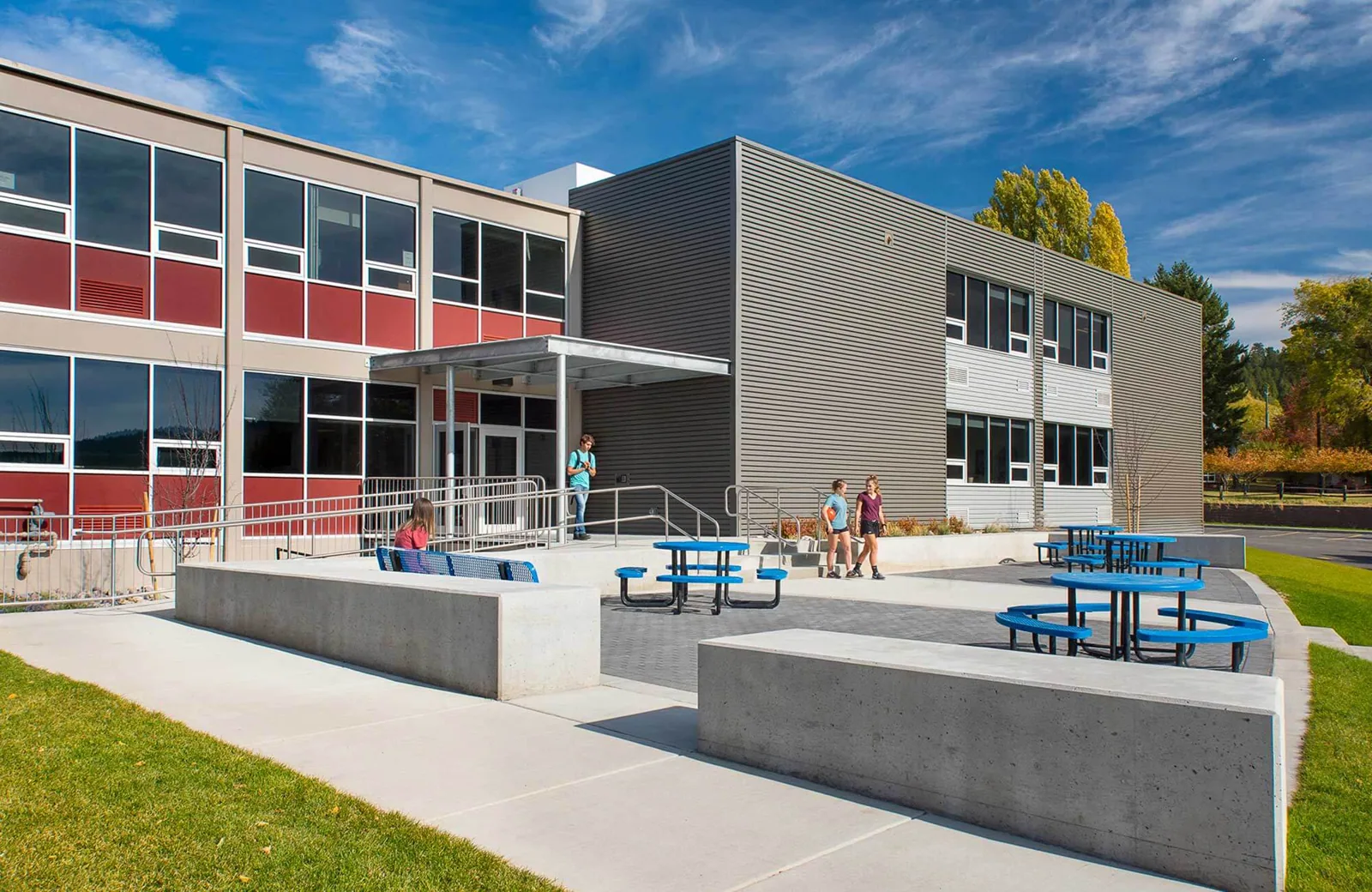
Miramar, Pembroke Pines, Davie, Hollywood, Opa-locka, Miami Gardens, Miami Lakes and Doral in Broward and northern Miami-Dade County.
Request a Roof Assessment
Send the building address and what the roof is doing. We reply with a roof visit date and a written scope.