
Commercial Roof Inspection in Miramar, FL
A roof report without marked locations leaves the owner with a list of problems and no clear next step. Our Miramar inspections connect each observation to a drain, seam, curb, edge or roof section with photos and practical repair priorities. We walk the roof where access permits, review the interior signs reported by the property team and note conditions that need testing. The findings separate immediate repairs from maintenance items and longer-range replacement decisions. For a building with active water entry, an inspection focused on leak tracing can help locate the path before a permanent repair is priced.
What does a hands-on inspection cover?
We inspect membrane condition, seams, repairs, flashing, penetrations, curbs, perimeter attachment, edge metal, drains and scuppers. We look for open laps, punctures, loose material, surface wear, standing water and signs of movement around equipment. Interior observations such as ceiling marks or reported leaks are compared with details above them. Where a condition cannot be confirmed from the surface, we recommend a targeted test or opening and explain why it is needed. The inspection record identifies what we saw and what remains unknown.
Miramar's land-use categories include commercial, industrial, office-park, employment-center, regional-activity and transit-oriented areas. The building's roof assembly still has to be inspected directly. For each inspection, we verify roof layers and visible conditions directly on the building. Our written roof condition report organizes photos by location, describes each finding in plain language and notes a recommended response. A facility manager can use it to coordinate repairs, track recurring concerns and prepare a budget discussion with ownership.
How does roof access affect the visit?
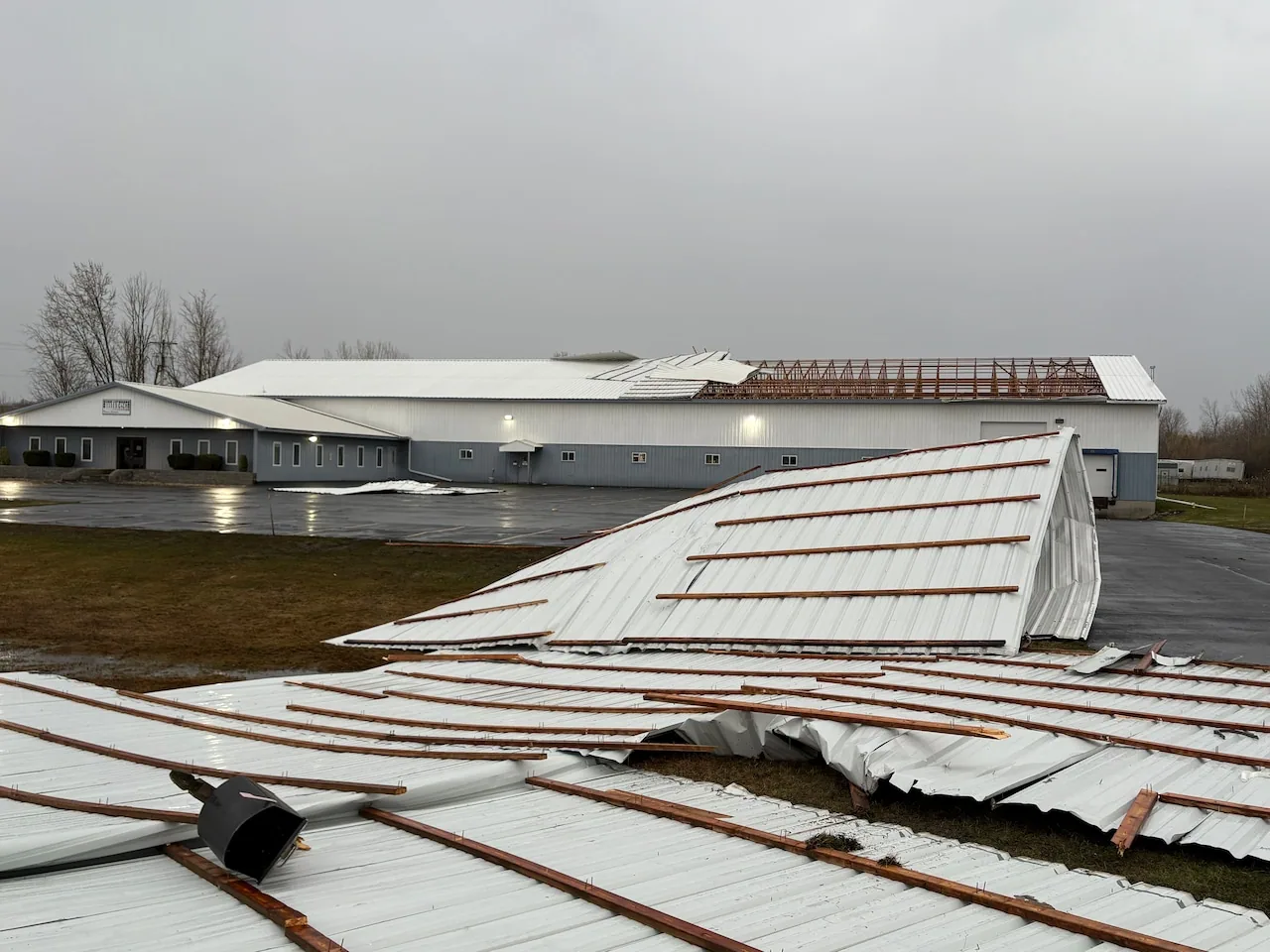
Before arriving, we confirm roof entry, ladder or hatch access, escort needs, restricted spaces and the hours the building can accommodate. We ask about rooftop equipment that cannot be interrupted and areas below the inspection route that need protection. On a property with several tenants, we agree on where the crew can walk and who will open secured areas. That preparation keeps the inspection focused on roof conditions instead of losing time to preventable access issues.
The Town Center's east edge is Red Road and its west edge is Hiatus Road; Miramar Boulevard marks the north, and Miramar Parkway marks the south. We coordinate arrival and roof entry with the site contact before the visit. On the roof, we keep clear of active equipment and service paths. A photo note records any area the crew could not reach safely. A drone roof survey can supplement hands-on work when areas are difficult to reach, while direct inspection remains important for testing seams and material condition.
What should be reviewed after severe weather?
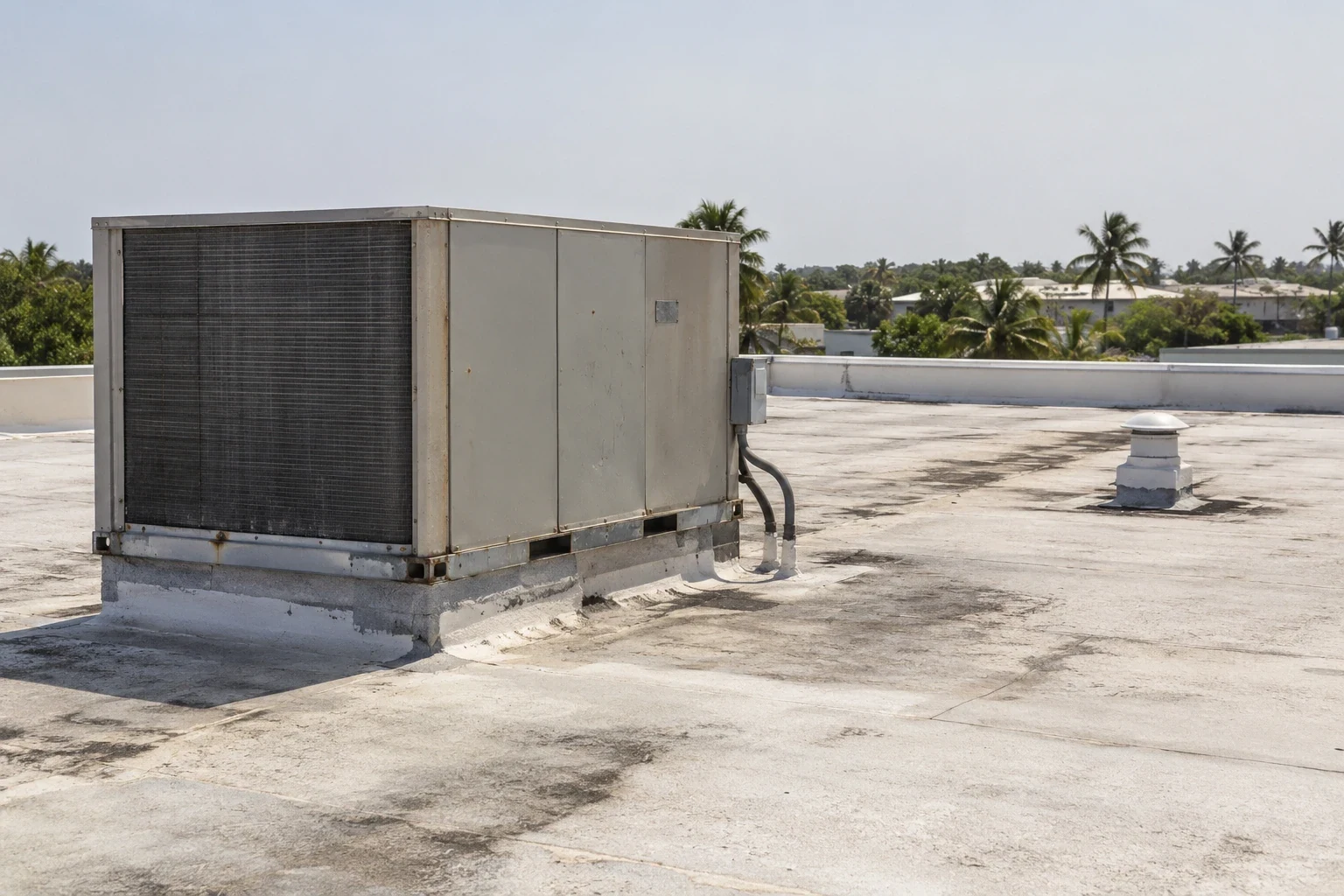
An inspection in Miramar checks how drains, edge metal and rooftop equipment handle South Florida flood, hail, tornado, temperature and wind hazards. After a reported event, we look at edge attachment, corners, seams, flashings and drain conditions alongside interior signs. We record visible damage and distinguish it from wear that may have been present earlier. If a component has moved, photographs show its position before repair. The inspection records observed conditions and ties any proposed storm repair to evidence on the roof.
Miramar's roadway network includes US 27, I-75, the Turnpike and State Road 7, among other regional routes. For a property near these corridors, the owner may need access and deliveries coordinated while repairs follow an inspection. We note work areas, staging constraints and any equipment path that affects a proposed scope. The hurricane-related damage review checks the perimeter and membrane in more detail when wind or rain has exposed a suspected weakness. We can also prepare roof documentation for a claim file, with observed conditions kept separate from coverage decisions.
How are inspection findings prioritized?
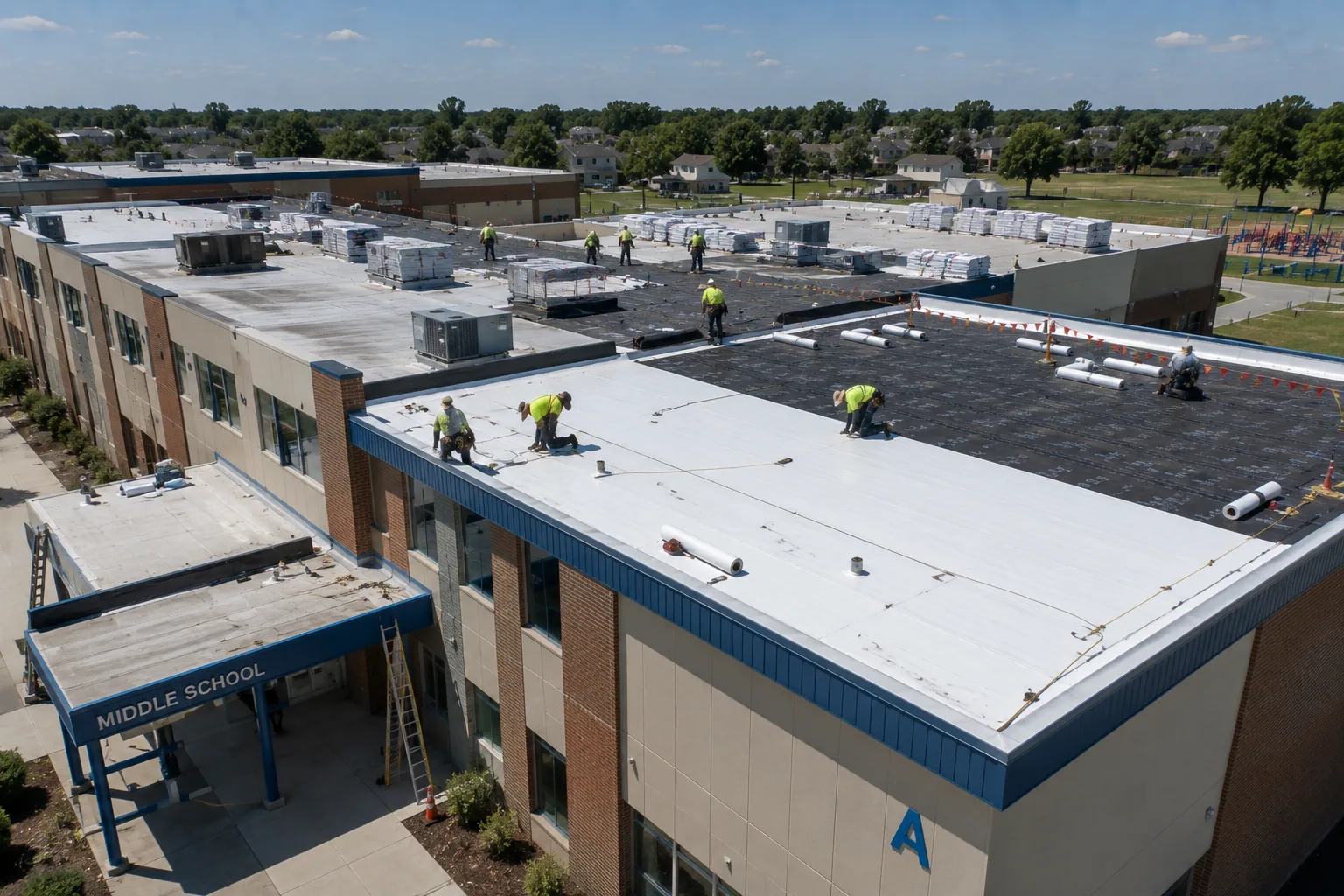
We rank conditions by water-entry risk, extent, safety and the cost of allowing them to spread. An open seam over a sensitive room may need prompt work; surface wear with no active leak may fit a planned maintenance visit. Wet insulation, failed attachment or a damaged deck can change the scope beyond a surface repair. We mark each tested area and tie the finding to the repair boundary before pricing a permanent fix. This lets the owner approve urgent work without losing sight of larger roof needs.
Across Pembroke Pines, the commercial base exceeds ten million square feet across retail, office and industrial uses; an inspection still records one property at a time. That neighboring mix makes planned inspections useful for properties with loading areas, occupants and rooftop equipment, though each roof receives its own condition review. A maintenance program can address drains and small defects before they become urgent. If findings point to broad failure, a replacement assessment can compare tear-off and recover options against the documented roof condition.
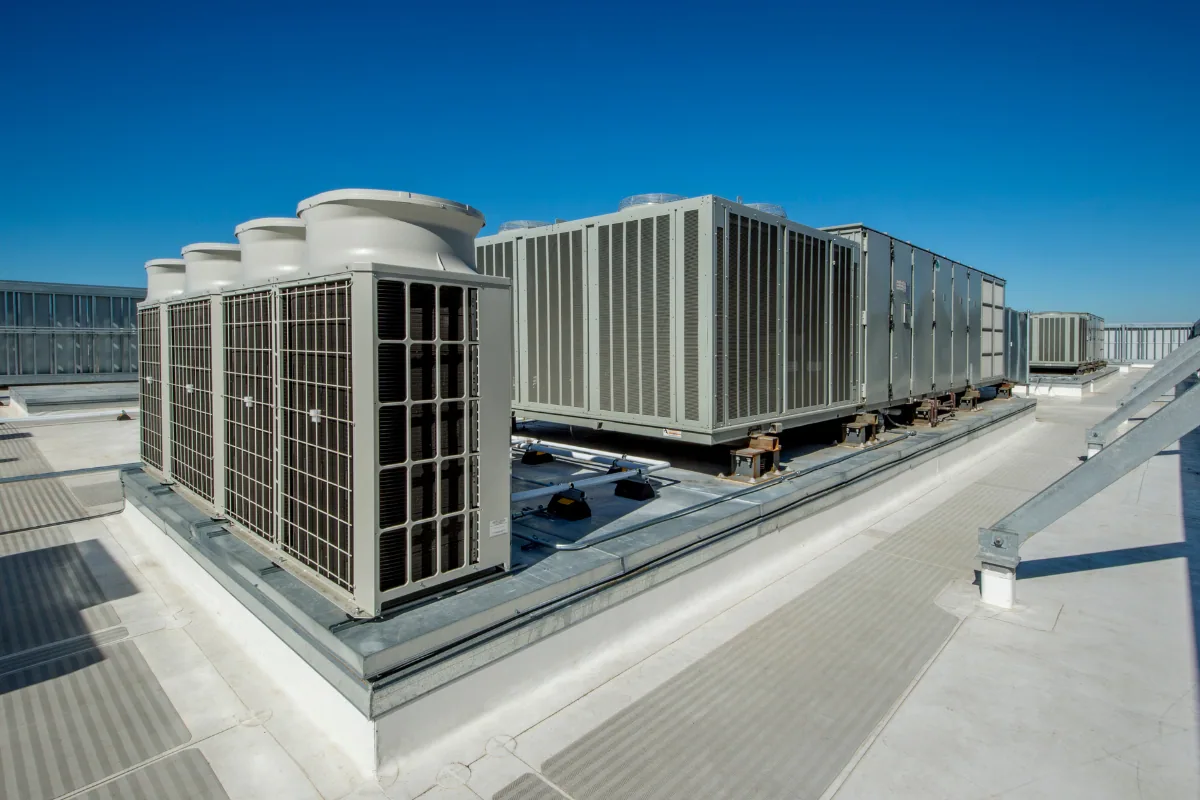
More about Commercial Roof Inspection
What should the report help you decide?
A useful report shows where a condition sits, what it means for water control and what action makes sense next. We include photos and a short explanation of repair urgency, testing needs and maintenance items. If a repair is recommended, the report identifies its boundary and any related detail that could affect performance. We also note areas we could not safely access or inspect, so the record does not imply full coverage where it was not possible.
The owner can use the report to schedule a repair, compare a larger replacement scope or set the next inspection interval around the roof's condition. Along the Pines Boulevard commercial corridor, occupied properties may need work windows planned around customers and staff. We can review those constraints with the property contact and keep the roof findings tied to the operating schedule. Book an inspection in Miramar, and we will leave you with marked conditions and a next step that fits the building.
Commercial Roofing Questions
Will the inspection include photographs?
Yes. We photograph relevant conditions and connect each image to a roof area or detail. The report explains what the image shows and whether the item needs immediate repair, additional testing or continued monitoring. A photo without a location is hard to use later, so we identify the drain, seam, curb or section in the accompanying note.
Can an inspection tell us whether to replace or repair?
The inspection documents the roof's condition so that choice can be made on evidence. We note the extent of failure, wet material, deck concerns, repeated repairs and sound areas. A limited defect may be repaired, while widespread problems can make replacement more practical. When concealed conditions remain, we recommend testing before setting a final scope.
Do you inspect rooftop equipment and curbs?
We review the roof-side condition around curbs, supports, penetrations and service paths. The inspection looks for open flashing, movement, ponding and conflicts that could affect roof work. Equipment operation or repair by another trade is coordinated with the property contact. We identify any clearance or access issue that should be resolved before roofing crews begin.
What if part of the roof cannot be reached safely?
We record the access limit and inspect reachable areas using safe methods. Drone imagery can help view large or hard-to-access sections, but it does not replace hands-on testing where material condition must be checked. The report states what was observed and what needs a follow-up visit once safe access is arranged.
Can an inspection support a storm claim?
We can document observed roof conditions, interior reports, photographs and repairs completed. The report distinguishes what we saw from what would require more testing. An insurer determines coverage and claim outcome. We provide clear roofing records so the owner can submit information relevant to the property and event.
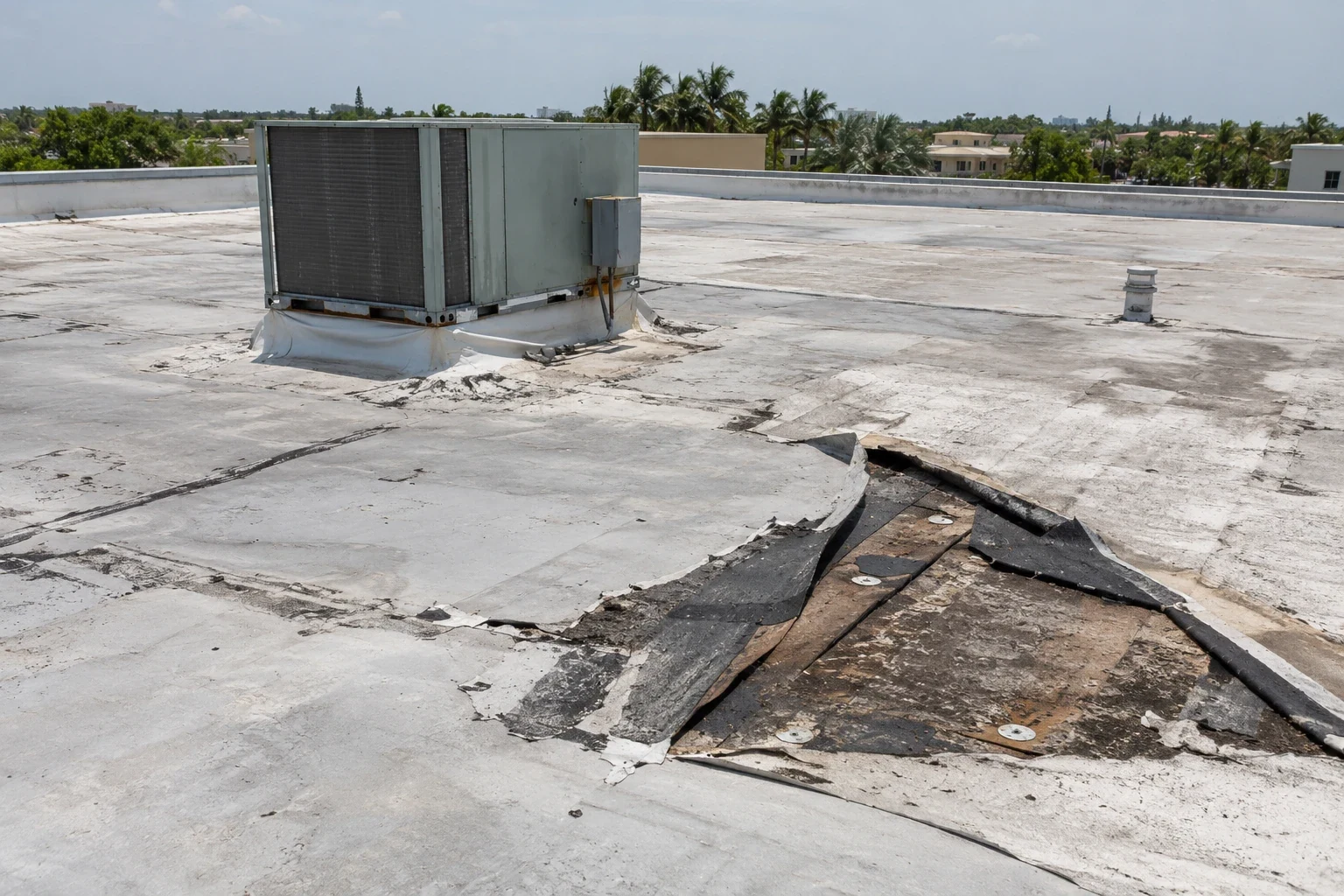
Miramar, Pembroke Pines, Davie, Hollywood, Opa-locka, Miami Gardens, Miami Lakes and Doral in Broward and northern Miami-Dade County.
Request a Roof Assessment
Send the building address and what the roof is doing. We reply with a roof visit date and a written scope.