
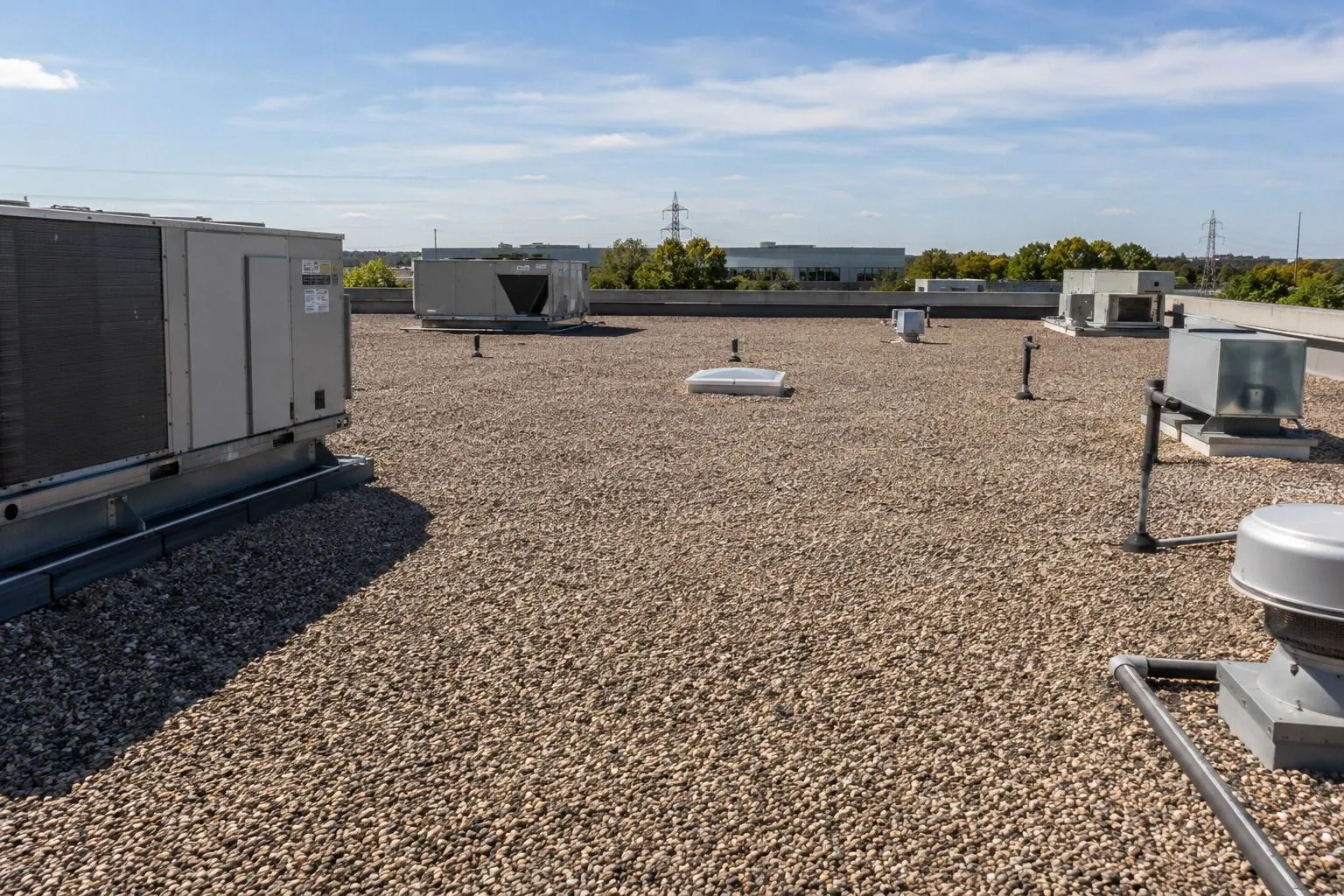
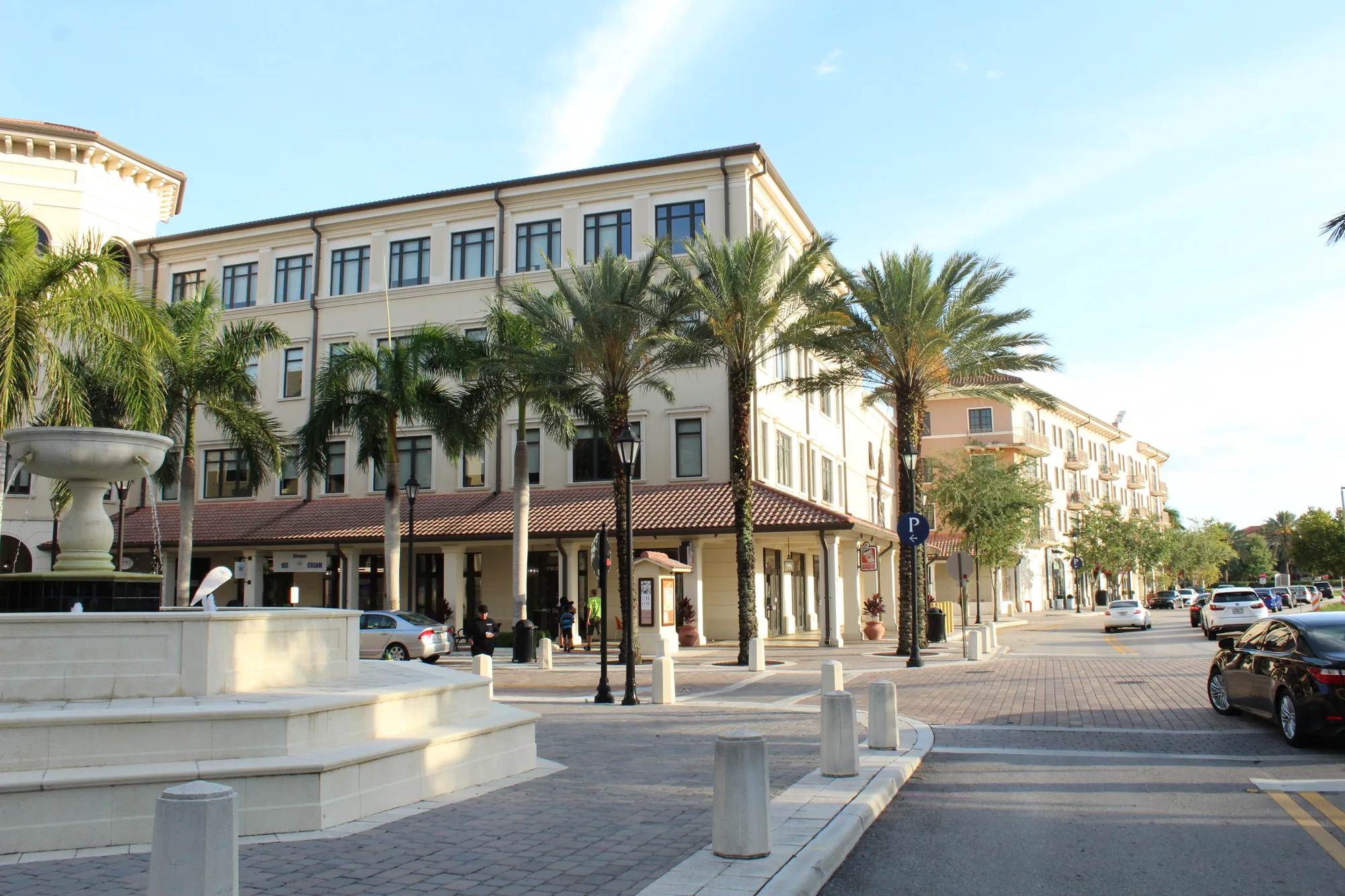
A built-up roof can hide a weak layer below a surface that still looks continuous. The system uses multiple reinforcing plies and bitumen, with surfacing and application details set by the specified assembly. Miramar’s land-use categories include transit-oriented and regional-activity centers, office parks, employment centers, industrial areas and commercial uses. We inspect the actual layers, drainage, flashing, and attachment before deciding what stays and what must come off. A Miramar roof review starts with the building and the repair history. The Miramar Town Center includes mixed-use development with residential and commercial components.
Water can enter at a split, blister, curb, drain, or failed perimeter detail, then move through the assembly before an interior mark appears. We photograph the affected section and note whether test cuts are needed to confirm wet material. A roof inspection separates a surface issue from a condition that reaches the substrate. If the assembly is modified bitumen rather than BUR, the ply layout and repair material will differ, so we verify the roof before proposing a scope.
What is inside a built-up assembly?
Built-up roofing combines reinforcing felts and bitumen in multiple plies. The surfacing may use aggregate or another specified finish. The number of layers, application method, and condition of the base affect repair and removal. We look at exposed edges, drains, penetrations, and prior cuts to identify the construction. When records do not settle the question, a test opening can show the layers and whether insulation or deck material is wet.
A blister can form when moisture or air is trapped between layers, but its appearance alone does not establish the cause. We identify the affected area, test when appropriate, and extend repair only to sound material. A localized split may be rebuilt; widespread ply separation may call for a larger comparison. A modified-bitumen assembly uses related asphalt-based materials but has its own construction and repair details. The proposal should name the verified roof system and method.
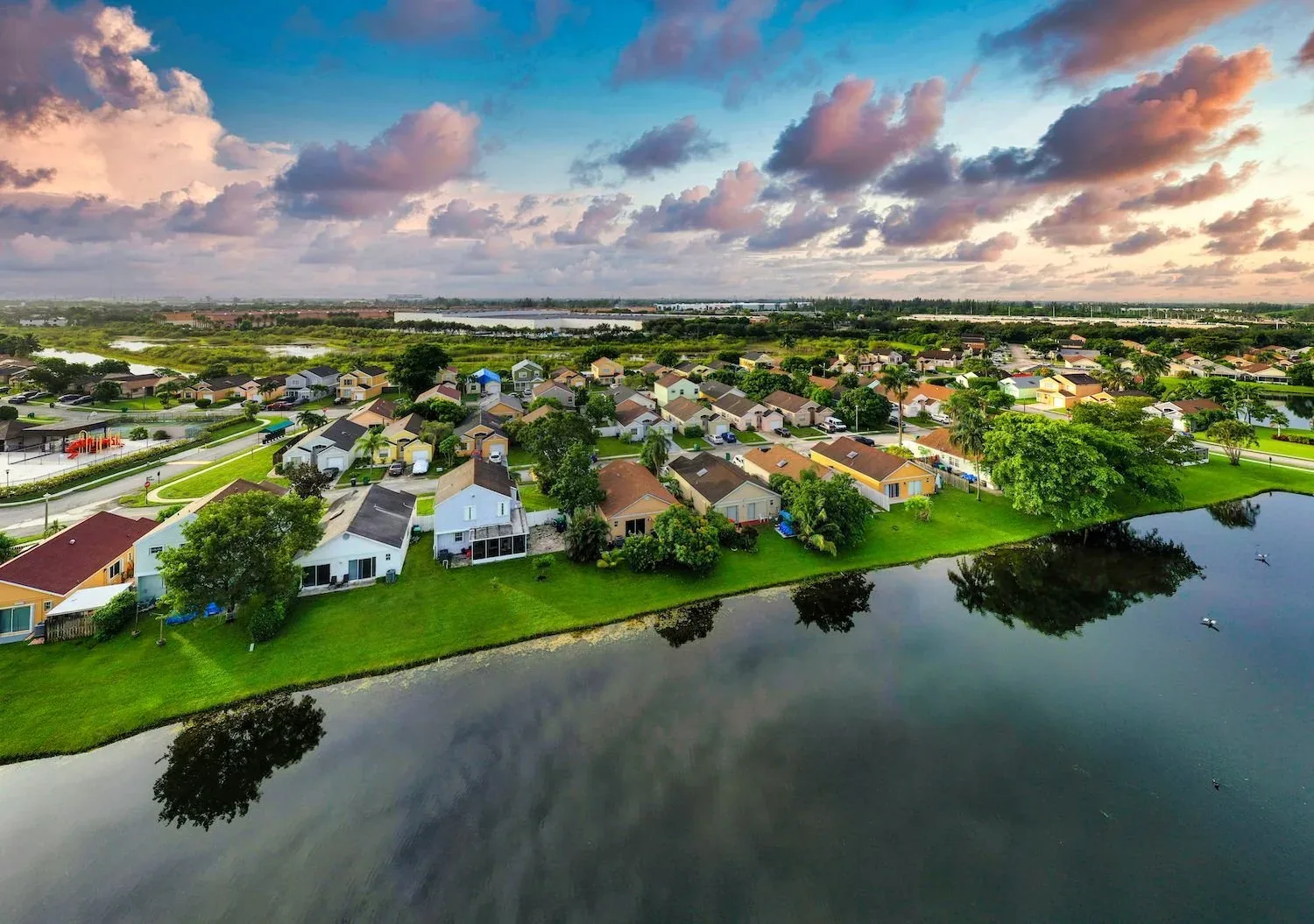
Where does water move through the roof?
Drain bowls, scuppers, overflows, low points, and roof edges determine the path water follows. We check for debris, loose flashing, open seams, saturated surfacing, and areas where water remains. If drainage is restricted, the fix may require a cleanout or detail repair rather than new plies across the roof. If the roof plane holds water or insulation is wet, that condition changes the boundary and quantities.
A built-up assembly needs review at drains, gravel stops, and wall transitions where trapped water or loose surfacing can complicate a repair. At each point, note the layers, surface condition, and signs of water that remains. A drain and scupper review documents an outlet issue. A moisture test or opening can help determine whether wet material extends beyond that detail. We keep drainage correction, insulation replacement, and surfacing work as separate scope lines when the findings support different actions.

How should wind and rain shape the inspection?
After heavy wind or rain, review the perimeter, drains, laps and surfacing. Look for shifted aggregate, lifted edge flashing, exposed felt, open laps or separation at flashing, and photograph each location before moving surfacing or opening material. Loose gravel alone does not establish failure across the assembly, so compare the finding with prior repairs and interior reports. Where surfacing is displaced, check the exposed reinforcing and underlying bitumen for cracking, moisture and bond loss, and photograph before moving more material. A single test opening does not represent every roof zone; place follow-up openings where field evidence shows a different layer or condition. Check each test opening for actual moisture and insulation condition. If the field assembly differs from the assumed layer count, pause for owner direction, mark the boundary, and confirm how the section will stay dry before expanding removal. A hurricane-related assessment can document storm questions separately from routine roof wear. The work plan should list temporary protection, concealed-deck allowances and a closing point for each shift.
Can a built-up roof be repaired in place?
A repair is appropriate when the affected area is limited and the layers around it remain bonded and serviceable. We remove loose or failed material, prepare the surface, and rebuild the detail with compatible components. A patch over a wet base can trap the condition. We check the nearby field, drain, and flashing so the repair does not stop at the visible opening. If the same location has been patched repeatedly, we compare the repair history with current test findings.
Estimate drivers include number of layers, surfacing, access, protection below, insulation, deck condition, and the amount of flashing or edge metal. A commercial repair scope keeps quantities visible. Where broad areas have failed, a replacement assessment compares tear-off and new-system details. An overlay or recover is considered only after checking moisture, added load, and whether the existing surface can support the work.

More about Built-Up Roofing
When is tear-off the better budget step?
A BUR tear-off is a sequencing decision as much as a material choice. Open representative areas before pricing so the owner can see whether wet insulation, fractured plies, soft decking or repeated leaks are isolated or widespread. Mark the test location and record each layer; one opening does not justify removing the entire roof. If removal is selected, define daily work areas, temporary dry-in, debris routes, deck-repair allowances and the point at which new plies can be installed. Compare this with a recover only after attachment, added load, edge height and flashing transitions are reviewed. Set concealed-condition pricing and approval steps before mobilization, and state how exposed areas will be protected at day's end. A spray-foam system may suit a separate assembly. A roof insulation review can confirm build-up against the measured area and documented performance need.
What should the owner keep?
Closeout records the system installed, areas opened, deck repairs, tie-ins, drainage work, and photographs taken before concealed layers were covered. The property manager should also receive maintenance observations and any location that needs follow-up. Those records keep the next repair decision tied to the assembly rather than a short description on an invoice. For a multi-building owner, each roof maintains a separate condition history.
After installation, routine checks can identify debris at drains, open surfacing, damaged flashing, or new penetrations. A maintenance visit records those conditions before water reaches interior finishes. Schedule a built-up roof review in Miramar. We will inspect the plies, drains, edges, and substrate, then explain whether a repair, moisture test, recover, or replacement belongs in the next budget step.
Commercial Roofing Questions
How can you tell if the roof is built-up roofing?
We review the roof records and inspect exposed edges, penetrations, drains, and test openings where needed. The layer arrangement and materials help distinguish BUR from modified bitumen or another assembly.
Can a blister be patched without opening it?
Not reliably without understanding the condition below. We inspect the area and may test or open it to check for moisture and separation. A repair then extends to bonded, sound material rather than covering an unknown layer.
What details influence a built-up roof repair?
Gravel movement, blistering, drain performance and flashing condition help show whether a repair can stay localized. If layers are wet or unstable, the scope may need to address more than the surface.
Can built-up roofing be recovered?
A recover depends on moisture, attachment, added load, the condition of existing plies, and edge height. We verify those conditions before comparing an overlay with tear-off and replacement.
What affects the cost of BUR removal?
Layer count, surfacing, wet insulation, deck repairs, edge metal, protection, access, and disposal affect quantities. The estimate lists those scope drivers and identifies concealed conditions that need approval if found.
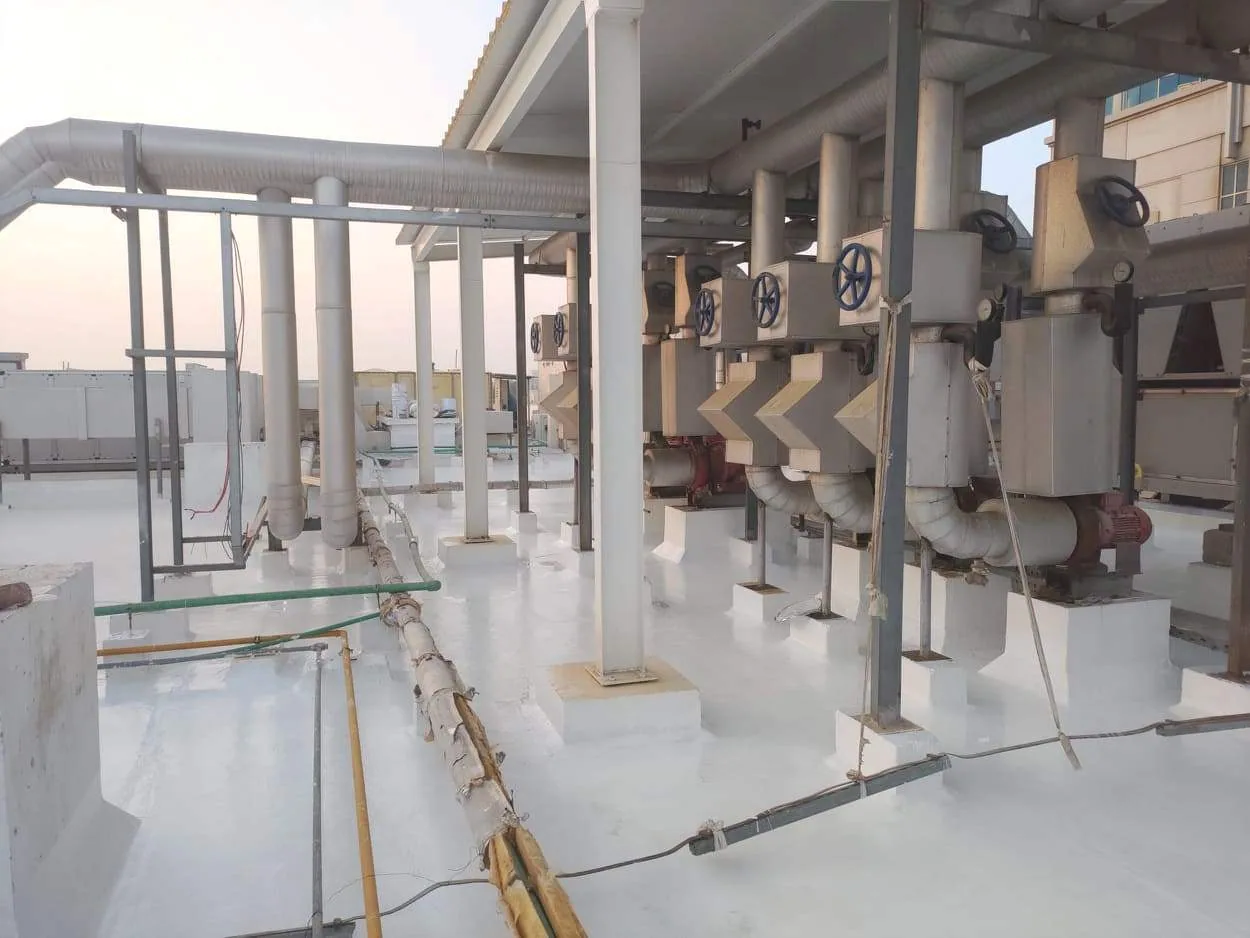
Miramar, Pembroke Pines, Davie, Hollywood, Opa-locka, Miami Gardens, Miami Lakes and Doral in Broward and northern Miami-Dade County.
Request a Roof Assessment
Send the building address and what the roof is doing. We reply with a roof visit date and a written scope.