Healthcare System Roofing in Miramar, FL
A healthcare roof may cover patient rooms, clinics, imaging areas, pharmacies, kitchens and mechanical plant. A leak over an occupied care area requires quick water control and a clear route for roofing work. We inspect the membrane, drains, curbs, penetrations and perimeter, then record which spaces sit below the work zone. Davie identifies healthcare and education among its industries, while Miramar's land-use map includes commercial, office-park and employment-center categories. At each facility, we confirm the roof assembly and operating constraints before setting scope.
A roof opening near an air intake or clinical equipment can require coordination beyond the roofing crew. We identify who controls access, what must remain in operation and who can approve concealed work. The Miramar roof assessment starts with the condition and the facility's access rules. A commercial inspection provides marked findings for the facilities team to review.
How should the work zone protect care?
The facility contact identifies the areas that need protection, infection-control procedures, restricted access and trade coordination before roof work begins. We confirm roof entry, staging and lift placement, then keep the opened section within the daily dry-in limit. If equipment or ventilation must be isolated, its responsible trade schedules that work. The roofing scope lists the membrane and flashing tasks separately from clinical or mechanical procedures. We record the agreed closure boundary and who confirms it before each shift.
Emergency departments, outpatient clinics and office wings can have different operating hours and access controls. We plan each roof zone against those use requirements, including where materials may travel and where workers may not enter. A property management coordination plan can help facilities teams keep owner approvals and tenant contacts clear. For a public medical facility, a public procurement roof plan may also address documentation and approval records.
What should a leak investigation confirm?
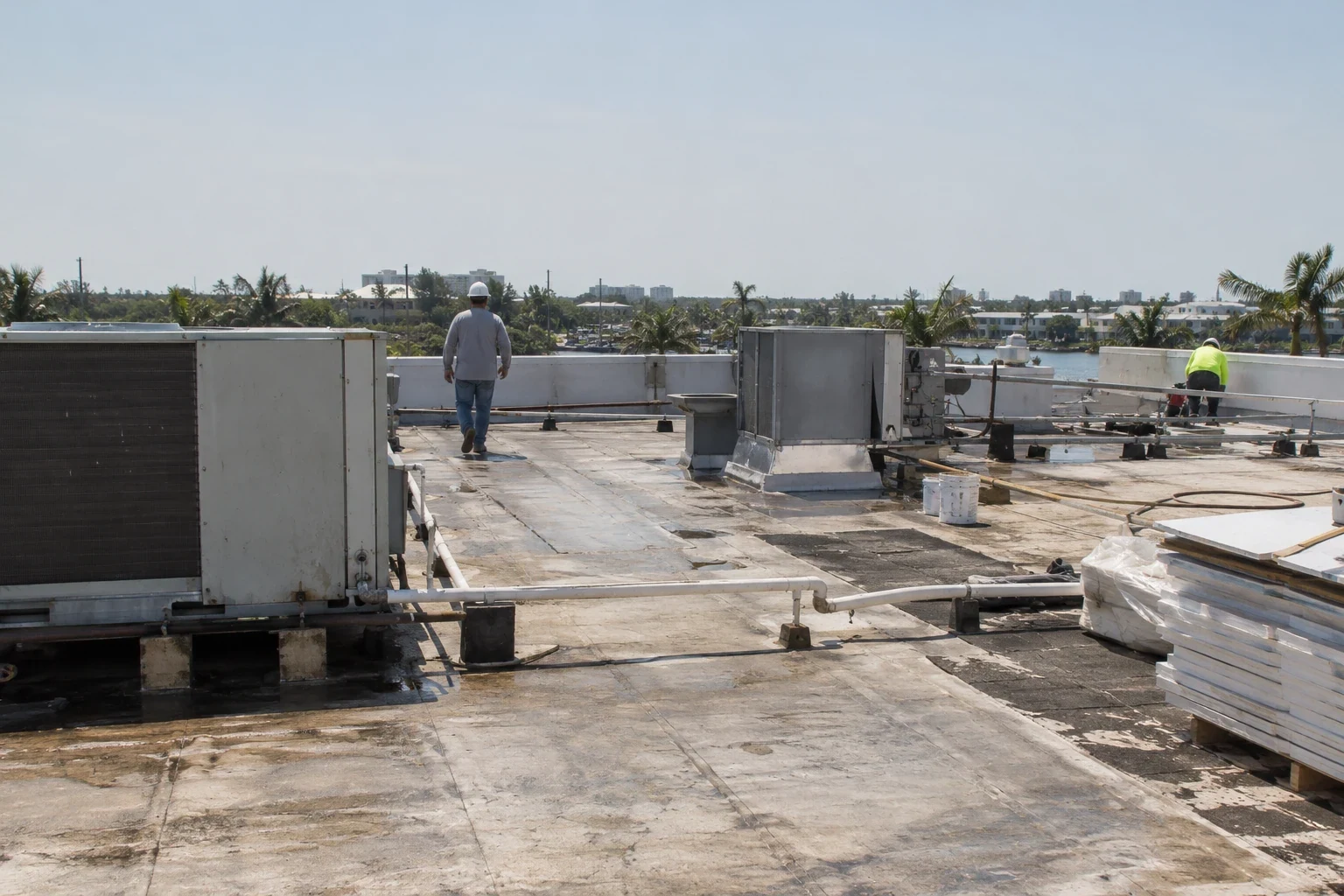
Water above a ceiling can travel from a curb, pipe boot or seam before it appears in a treatment or office area. We inspect the roof details around the reported location and compare them with the facility's interior report. Photos tie the observation to a roof zone. When moisture or deck condition is concealed, we identify a test opening and the approval needed before removal. That prevents a visible ceiling mark from becoming an unsupported roof-wide scope.
Healthcare systems may coordinate inspections across clinics, hospitals and support buildings. We keep each building’s roof conditions, access notes and approval path in its own record. A moisture survey may help select areas for confirmation where the surface does not show whether insulation is wet.
Which roof details affect air systems?
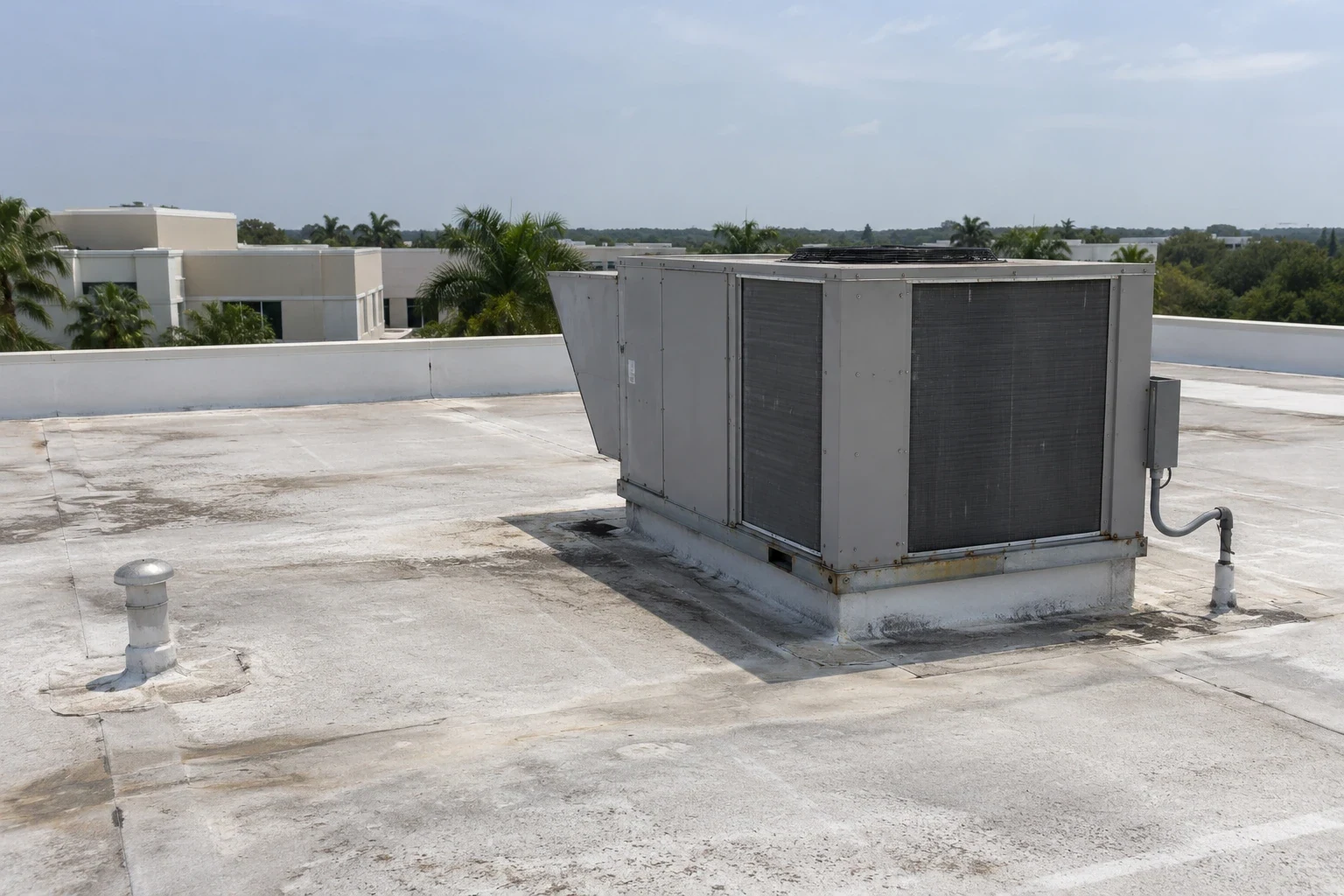
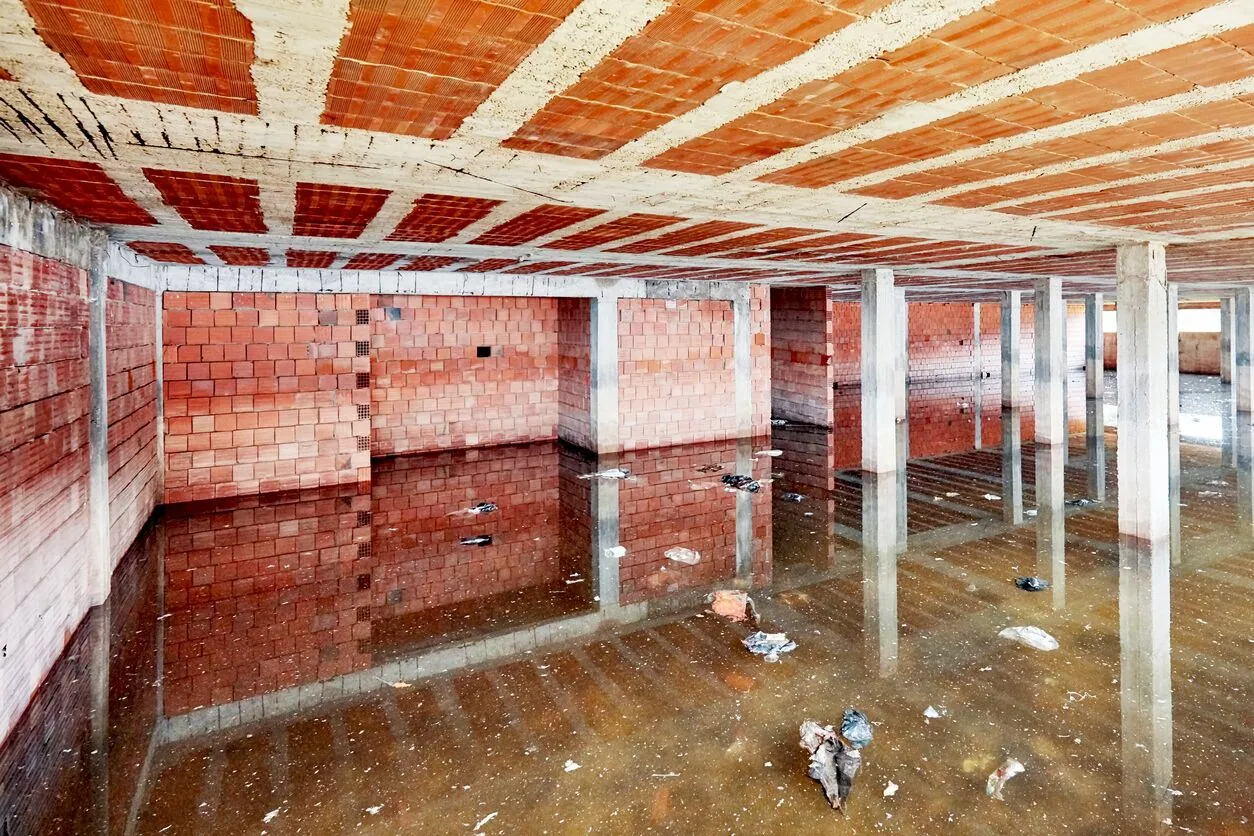
Air intakes, exhausts, curbs, supports and penetrations interrupt the membrane and can concentrate foot traffic. We check flashing corners, sealant condition, termination bars and the route technicians use to service equipment. If a unit needs to move, the mechanical trade handles that task and we plan the roof opening and tie-in. Before closing the area, we photograph the finished detail and confirm any maintenance access that must remain clear.
The Turnpike, I-75, US 27 and State Road 7 are among Miramar's principal routes. The facility contact confirms receiving procedures, security access and the approved roof entry. A curb and equipment review can set the flashing and service-clearance work before a mechanical trade moves a unit. For a property with repeated wet areas, test results can inform whether the assembly needs local repair or broader insulation replacement.
What belongs in a post-storm check?
After a storm at a healthcare property, document attachment movement, drainage performance and water entry separately; South Florida faces tropical-cyclone and severe-weather threats. After a reported event, we inspect attachments, drainage, edges, corners, seams, curbs and drains, then compare those roof observations with interior reports. We photograph movement or punctures before temporary measures alter the surface.
The facilities lead identifies the room or equipment at risk and clears roof access before temporary protection is arranged. We document observed conditions and whether the facility needs testing or a permanent repair. A storm-related roof assessment records the roof zone, photographs and repair boundary for the facilities team.

More about Healthcare System Roofing
When is a local repair enough?
Before limiting work to one repair, connect the roof observation to the reported room and the equipment above it. A ceiling mark can be offset from the entry point, so we check the nearest curb, seam, drain and change in roof plane. If the membrane is attached, the surrounding insulation is dry and one failure is confirmed, a measured repair may be enough. Separate reports, moisture beyond the opening or recurring curb leaks call for a roof-zone review before a patch is priced.
For an active facility, agree on the work window, protected room below, approved roof route and person who can authorize a test opening. The repair scope records those controls alongside the roof detail and closeout check. If a larger area needs replacement, the replacement assessment compares options after the assembly is verified. Any concealed damage remains an approval item until it is visible.
How can replacement be phased?
Widespread wet insulation, repeated seam separation, failed attachment or deck concerns can justify a replacement comparison. We divide the roof into workable zones and identify which clinical areas, intakes or equipment need protection. The decision to recover a clinical roof follows a field check of the existing layers, moisture, deck condition, and perimeter height. If those elements support an overlay, we define the work zones and protected terminations around the facility’s operating needs. If removal is required, each phase needs a protected termination and daily dry-in point.
Procurement, inspections, weather, mechanical shutdowns and facility approvals affect the schedule. A phased plan should show the work window and who authorizes concealed repairs before mobilization. A capital planning record can separate urgent water control from longer-term replacement. Schedule a healthcare roof review in Miramar. We will document the affected zones, coordinate access and identify the repair, testing or renewal decision each building needs.
Commercial Roofing Questions
Can roof work continue near occupied patient areas?
We coordinate the roof zone, access route, protection below and work window with the facility contact. Any clinical restrictions or infection-control procedures come from the healthcare team. We limit the opening to what can be closed that shift and identify equipment or air-system coordination before work starts.
What do you need before inspecting a clinic roof?
A safe roof-access contact, reported leak locations, restricted areas, equipment concerns and the facility's access procedure help prepare the visit. We confirm the assembly and roof conditions in person. If areas cannot be reached safely, the report states that limit and the next access step.
Does a roof leak require shutting down patient care?
The facility's clinical team makes patient-care decisions. We identify the roof opening, water path, protection area and work sequence so the team can assess operational impact. Temporary protection may control active water while a permanent repair is scoped and scheduled.
How do you handle equipment that cannot be interrupted?
We identify the unit, curb, service clearance and required roof detail with the responsible mechanical contact. If a shutdown or move is necessary, that trade sets the timing. The roofing plan shows the work dependency and closes the membrane detail after the equipment work is ready.
What should a healthcare roof report include?
A marked roof plan, photographs, observed conditions, access limits, testing needs, repair boundaries and approval points make the record useful. We separate confirmed roofing work from clinical procedures and concealed conditions. That helps facilities management plan repair and capital work without confusing the scopes.
Miramar, Pembroke Pines, Davie, Hollywood, Opa-locka, Miami Gardens, Miami Lakes and Doral in Broward and northern Miami-Dade County.
Request a Roof Assessment
Send the building address and what the roof is doing. We reply with a roof visit date and a written scope.