
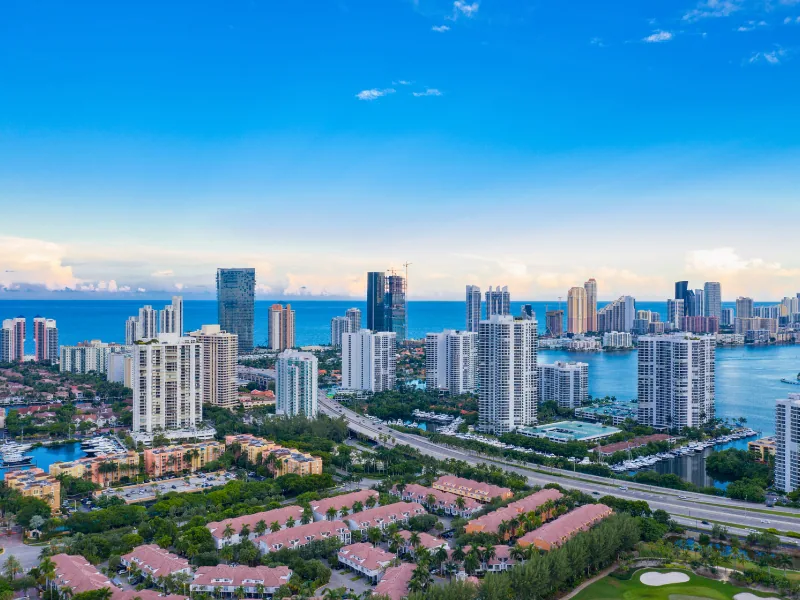
Commercial buildings in Miramar need roof work that accounts for drainage, equipment and the hours each property operates. Miramar extends from the Everglades west to State Road 7 east, with Miami-Dade County along its southern edge. A Miramar project plan starts with the property’s own roof access, loading pattern and occupied areas instead of assuming adjacent sites can share a work window. We inspect the roof itself, mark what is wet or loose, and connect each condition to repair, maintenance or replacement. A hands-on roof inspection can establish the field condition, while a State Road 7 roof review focuses on a named commercial corridor within Miramar.
What does a first roof walk need to answer?
We start with the roof access, assembly, drainage paths, perimeter details and rooftop equipment. The walk checks seams, punctures, flashing, curbs, edge metal, drains and scuppers. We compare visible trouble with the interior leak location and note where water may travel before appearing below. If insulation could be wet or the assembly is unclear, we mark a test area instead of treating a surface repair as a full diagnosis.
Miramar has a concentration of Fortune 500 companies and ongoing economic growth. At each property, the roof walk identifies access, operating hours and any equipment or tenant coordination needed for the proposed work. A loading area may limit staging, while occupied offices may need a quieter work window. We coordinate roof access with the site contact and plan protection below the work area. A warehouse roof assessment can address loading and equipment access, and a phased occupied-building plan can lay out daily dry-in and tenant notice.
How do drainage details affect the repair?
South Florida rain puts the drain path and low points on the inspection list. We check whether strainers are clear, whether water can reach the drain and whether seams or flashing sit in areas that stay wet. Ponding can expose weak laps and old patches to repeated moisture. We trace the path rather than assume a roof coating will solve the issue. If insulation is wet, the assembly needs review before another layer is considered.
Miramar’s land-use map spans transit-oriented districts and regional activity centers as well as employment centers, office parks, commercial areas and industrial uses. At the property, we check drainage, seams and secure transitions to identify the repair or testing step. We can clear a drain path and inspect scuppers for restrictions, while moisture testing can help select areas for confirmation. We separate what the roof shows from what needs a test opening before writing the final repair boundary.

Which details matter after strong wind?
Wind review starts at corners, perimeters, laps, flashings and rooftop equipment supports. We look for displaced metal, open seams, lifted membrane and fasteners or plates that have moved. Interior signs and roof observations are recorded together, but a ceiling mark alone does not identify the entry detail. If material has shifted, we photograph the condition before securing it and note whether temporary protection is needed.
During Hurricane Katrina, sustained winds around 80 mph were recorded in South Florida, with significant regional wind impacts. After severe weather, we inspect roof edges, seams and equipment attachments, photograph observed movement and document water entry by roof zone. The wind damage review records those conditions. For an active opening, request emergency roof repair for temporary protection and a separate permanent repair scope after conditions allow.
When is repair enough, and when should renewal be priced?
A limited seam split, open curb flashing or puncture may support a defined repair when nearby material remains sound. Repeated failures, widespread wet insulation, loose attachment or deck concerns can justify a replacement comparison. We verify existing layers, moisture, edge height and drainage before considering a recover. Coating work also depends on surface preparation and compatibility with the roof underneath. The recommendation follows the field condition, not a default product.
For occupied properties, a phased repair can keep access and operating areas clear while work proceeds. We map the repair boundary, daily dry-in point, equipment clearance and material staging before setting a schedule. A commercial repair scope can define confirmed work; a replacement assessment can compare removal and recover paths if the larger assembly requires attention.
Cost follows measured area, removal depth, insulation condition, edge details, access and the amount of protection needed below. A short repair can still require extra setup if equipment or occupied rooms limit the work path. We state the assumed repair boundary and identify conditions that could change quantities. If a test opening is needed, we agree on its location and restoration before removal begins, then price permanent work from what the opening shows.
Timing follows the same field decisions. Material delivery, approvals, roof access and a daily dry-in point shape the sequence. During an occupied project, we divide the roof into manageable areas and confirm how each will be secured before crews leave. That gives the owner a practical schedule and a clear point to review if wet insulation or damaged deck appears beyond the approved limit.

More about Miramar
What should an owner keep after the visit?
Keep the marked roof area, inspection photographs, repair scope, approval record and closeout images together. If a condition needs testing, record who will authorize the opening and what will change the scope. This gives the next manager a record of why an item was repaired, deferred or carried into a capital request. A dated inspection also helps compare a later leak with the prior condition.
At closeout, each roof zone needs its own photo set, repair limits and follow-up date so managers can distinguish open items from completed work. A roof project can require delivery and staging coordination on an operating property. We confirm arrival, roof entry and work windows with the site contact, then note access limits in the plan. A Miramar Parkway corridor roof review can consider a broad area within the city. Schedule a commercial roof review in Miramar, and we will identify what needs repair now, what needs a test and which options belong in the next budget step.
For a recurring leak, keep the date, room or suite, weather conditions reported by staff and any temporary protection record. We compare that information with the roof detail above the reported area. If a maintenance visit clears a drain or closes an open seam, save the completion photograph with the service record. The next inspection can then check whether the repair boundary remains dry and intact instead of starting with an undated problem description.
Commercial Roofing Questions
What should a Miramar leak report include?
For a Miramar leak report, name the property area, reported roof zone, active water status and a safe access contact. Those details help prepare an inspection and distinguish any temporary-protection question from permanent repair. The field review documents what the roof shows before a scope is set.
Will you check drains and rooftop equipment during an inspection?
We review drains, scuppers, seams, curbs, supports and service paths as part of the roof walk. If a mechanical trade needs to move equipment, we coordinate that dependency with the property contact. The inspection record notes any clearance or access issue that could affect repair work.
Can roof work be staged around tenants?
We can divide work by roof section, establish a daily dry-in point and coordinate notice with the property contact. Access, noise, deliveries and rooftop equipment can change the sequence. The scope states which areas will be open and what protection is planned before each shift ends.
How do you decide between a repair and replacement?
We compare the extent of failure, moisture, recurring leaks, attachment, deck condition and remaining sound areas. An isolated defect can fit a repair, while broader problems may justify a replacement estimate. Testing may be needed when concealed conditions could change the quantities or assembly choice.
What should I send before the roof visit?
Share the active leak location, interior photos, roof access instructions, known work records and any restricted equipment areas. These details help us prepare the inspection route. We still verify the roof condition directly and mark which information came from the site contact.
Miramar, Pembroke Pines, Davie, Hollywood, Opa-locka, Miami Gardens, Miami Lakes and Doral in Broward and northern Miami-Dade County.
Request a Roof Assessment
Send the building address and what the roof is doing. We reply with a roof visit date and a written scope.