
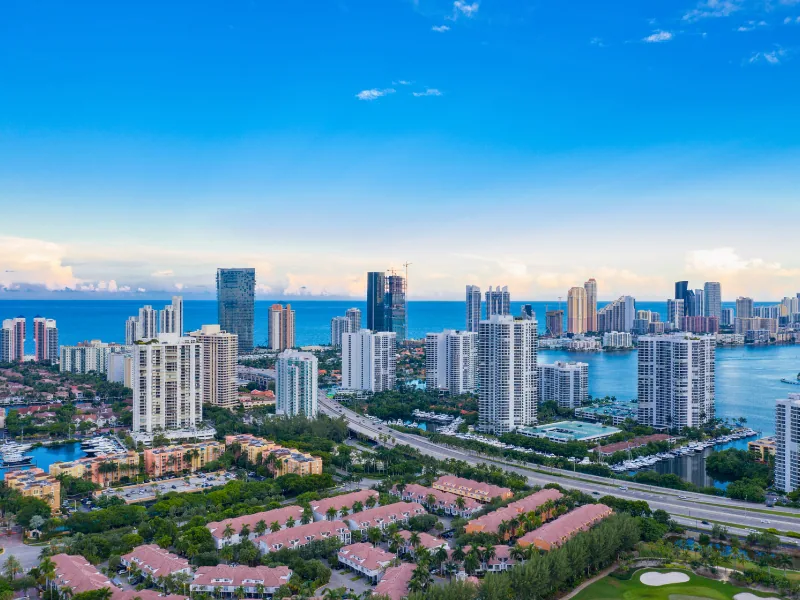
Commercial Roofing in State Road 7 Transit-Oriented Corridor, Miramar, FL
City redevelopment guidance gives State Road 7 a transit-oriented role and promotes mixed-use growth that considers pedestrians. For commercial roofs along the corridor, we inspect the assembly, drainage, seams, wall transitions and rooftop equipment, then plan access and protection below. A Miramar commercial roof visit can cover properties throughout the city, while a field inspection establishes what the specific roof needs.
What does the corridor framework change for roof work?
Before roof work begins, confirm active entrances, material delivery paths, available work hours and protection below. The scope records where barriers or notices are needed and identifies a daily closure method for each work section.
Miramar zoning includes neighborhood, community and heavy-business, employment-center and planned-industrial districts. For each property, record access and operating requirements alongside the roof observations and repair boundary. We inspect the assembly, drains, curbs, penetrations and edge details before pricing work. A Miramar Parkway corridor review can address access planning in another broad city area. When a business must remain open, we plan roof tasks by work window and the dry-in point for each shift.
On retail and service properties, a delivery path can cross the same area used by customers or staff. Mark the roof-access point, material staging zone, pedestrian route, and any loading hours before sequencing tear-off. If the path or work boundary changes, update the daily plan and keep temporary protection in place until the exposed area is closed. That makes the transition clear to the site contact and crew.
Where can water get past the roof surface?
At drains and scuppers, debris or a low spot can interrupt flow and leave moisture against seams. At penetrations, a split or loose flashing can let water follow the curb. We walk the drain path, look for ponding, compare interior reports with details above, and mark the likely entry point. If the assembly hides wet insulation, we identify a test location before expanding a repair estimate.
Miramar redevelopment can include infill, replacement or reuse within areas already developed. For an existing building, we locate the roof assembly and inspect drainage and rooftop details before planning a repair tie-in. A drain and scupper repair can address a restricted flow path. The field record shows which condition is observed and which needs more evidence. For a property with a street-facing entrance, mark pedestrian barriers and the material path in the work plan. Multi-tenant retail can require coordination between delivery schedules and roof access. Note those constraints before choosing the daily work boundary and protection below.
What should we check at the loading edge?
Wind can stress the roof edge, corners, laps and equipment attachments. We look for displaced edge metal, loose fasteners, open seams and movement at wall transitions. If an edge detail has separated, water entry can continue even after a nearby membrane patch. The repair needs the right boundary and secure termination. We photograph the detail before temporary protection, then record the permanent attachment and flashing after work.
For edge work near an active entrance, set barriers and keep a clear pedestrian path while materials are staged. We coordinate roof access, lifts and material placement with the property contact. A wind damage inspection can document attachment concerns, and edge metal repair can define a secure perimeter scope. We compare alternative systems with the existing assembly after field measurements.
How should an existing roof be evaluated before reuse?
When a property project affects an existing roof, check the membrane, layers, insulation, deck, drainage and edge height before choosing recover or replacement. The inspection record ties each recommendation to those observed conditions. A coating needs suitable substrate and preparation; a recover needs the assembly to support another layer without trapping moisture or obstructing drainage.
Cost and timing depend on measured roof area, tear-off depth, detail count, access, protection below and any equipment coordination. We state the removal assumptions and identify the test or opening that could change quantities. A defined repair scope may address an isolated defect, while a replacement comparison can evaluate removal and recover after the roof is inspected. For a nearby retail location, Historic Miramar roof planning can set a separate site visit.
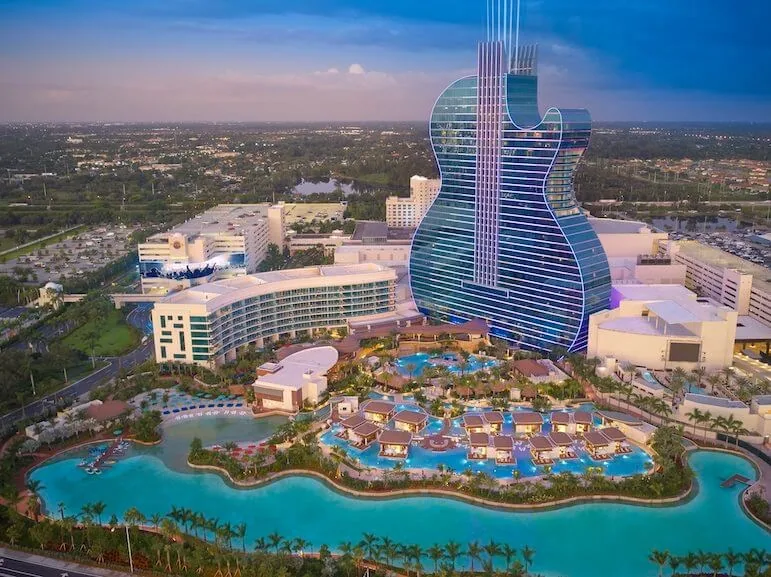
More about State Road 7 Transit-Oriented Corridor
What should be documented before approval?
Keep the marked roof plan, photos, access notes, repair boundary, test results and approval path with the property file. If a test opening finds wet insulation or a weak deck, stop at the authorized limit, record what changed and obtain direction before removal continues. This gives ownership a reason for added work and preserves the difference between observed scope and a contingency.
For a review along State Road 7, provide the property address, roof plan, access contact and any active leak report. We identify the condition needing attention, the test that can resolve an unknown and the work that can be scheduled later. A roof that has no active leak may still need a maintenance plan for drains and open details. Schedule a corridor roof review in Miramar, and we will leave the property team with a practical next step based on the assembly and access available.
Before approval, confirm who can authorize expanded removal, which tenant or facility contact can provide access and how temporary protection will be handled if the crew finds concealed moisture. The work order should state the visible repair area, material assumptions and restoration point. Those details keep the daily sequence clear and help ownership compare a requested change with the original scope.
A later inspection can return to the same marked points. We photograph a drain, edge or seam from a useful angle and note the date and condition. If the detail remains sound, it stays in the maintenance record. If it has opened again, the comparison can show whether the repair boundary was too small or a separate movement has developed. That history informs the next budget step without relying on a general corridor description.
At the visit, record measured roof areas, repair materials, detail transitions and approved quantities. A follow-up inspection can use the same marked points to compare the drain, edge or seam condition with the prior report.
Commercial Roofing Questions
Does a transit-oriented corridor mean a particular roof design?
No. The planning designation describes a corridor framework, not a building assembly. We inspect the property, identify membrane or metal details that are visible and note testing needed before choosing a repair or recover. The roof record stays tied to the building rather than the corridor label.
How do you plan work beside pedestrian access?
We confirm entrances, delivery paths, roof entry and protection needs with the site contact before mobilization. The work area is divided so materials and crews do not block an active route longer than the approved window. Each phase ends with a secure dry-in condition and a documented closeout.
Can a roof be reused when a property is redeveloped?
We check existing layers, moisture, drainage, deck and edge height before considering a recover or coating. Building reuse does not answer those roof questions. If concealed conditions could change the scope, a test opening should be authorized before a permanent option is priced.
How do you assess a low area after clearing an outlet?
We compare the observed pool with nearby drains, seams and roof sections. If water persists after the outlet is clear, a follow-up observation, elevation check or approved test opening may help explain the cause. The repair boundary follows evidence from the building rather than assuming the drain was the only issue.
Can you respond to a leak after normal business hours?
For a reported active leak, contact us to confirm availability and safe access. Any initial protection depends on roof conditions, weather and the property contact’s instructions. We document temporary measures separately from the permanent repair recommendation after the affected area is inspected.
Miramar, Pembroke Pines, Davie, Hollywood, Opa-locka, Miami Gardens, Miami Lakes and Doral in Broward and northern Miami-Dade County.
Request a Roof Assessment
Send the building address and what the roof is doing. We reply with a roof visit date and a written scope.