Johns Manville Commercial Roofing in Miramar, FL
A roof assembly has to match the deck and the work the building can support. For a Johns Manville roof, confirm the installed membrane, insulation and related components from the building's records and field inspection. The system review begins with the existing layers, drainage, edge attachment, rooftop equipment and reported leaks. We identify the details that affect repair or replacement before comparing product options. Miramar's land-use map includes commercial, industrial, office-park, employment-center, regional-activity and transit-oriented categories. The property contact confirms roof access and work-hour requirements before scheduling.
A photo record ties the visible condition to each roof zone. Schedule a commercial roof review in Miramar to establish the assembly and next budget step. A GAF system comparison or Carlisle SynTec option can be evaluated against the same project needs.
Which Johns Manville system fits the assembly?
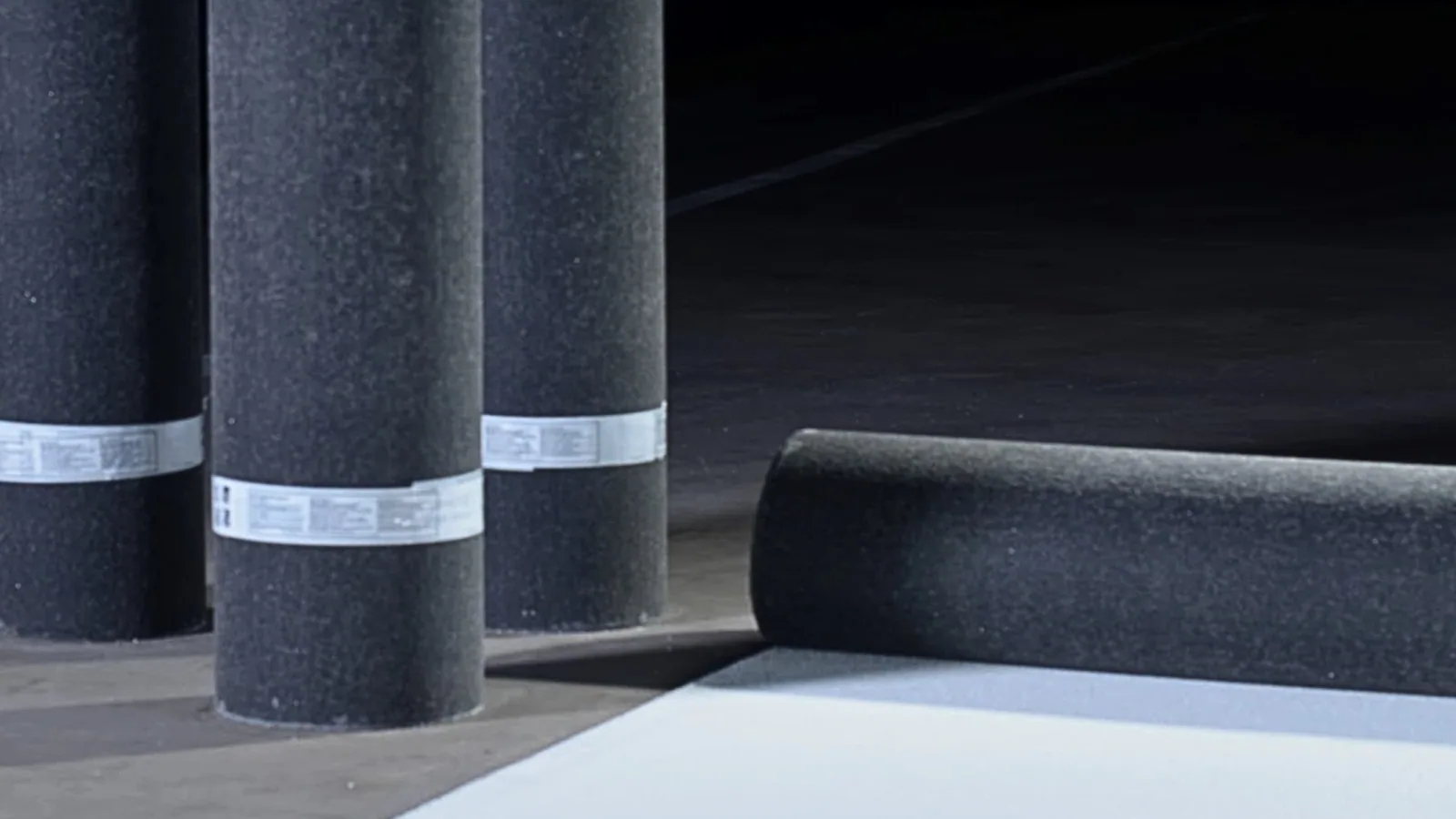
Start with the roof type, substrate, existing membrane, slope, insulation and attachment. TPO and PVC are thermoplastic single-ply membranes with heat-welded seams. EPDM is a synthetic rubber membrane installed with its own attachment and seam details. We check the project specifications and building conditions before recommending a product family. The proposal identifies the layers and transitions rather than naming a sheet without showing how it will connect.
Insulation and cover board create interfaces at parapets, drains and equipment curbs. Mark those junctions on the planned assembly, then identify which terminations must change before the membrane reaches each transition. If a rooftop unit will be replaced, its curb should be resolved before the new membrane detail is set. That sequence keeps later trade work from cutting through a completed roof assembly.
Roof selection also depends on edge height, drainage, equipment paths and future access. A roof with many curbs needs reliable flashing and room for service. The EPDM assembly review compares a different membrane family, and a commercial roof inspection establishes what the existing roof shows. We keep product selection separate from any manufacturer status or warranty term not included in the project documents.
What is hiding below the roof surface?
Wet insulation, soft cover board or a deteriorated deck can change an otherwise straightforward membrane scope. We look for ponding, displaced material, open seams and interior reports, then map areas for moisture testing where needed. Infrared readings can help target checks, but they should be confirmed in light of the assembly and site conditions. If a test opening is required, the owner approves its location and the repair needed to close it.
Davie lists aerospace, biopharmaceuticals, distribution, manufacturing, education, healthcare, maritime and technology among its industries. For each building, we inspect the roof assembly and record the membrane family and access limits. A moisture survey can guide follow-up, and a cover-board and insulation scope can define removal where wet material is confirmed.
Where can a membrane detail fail first?
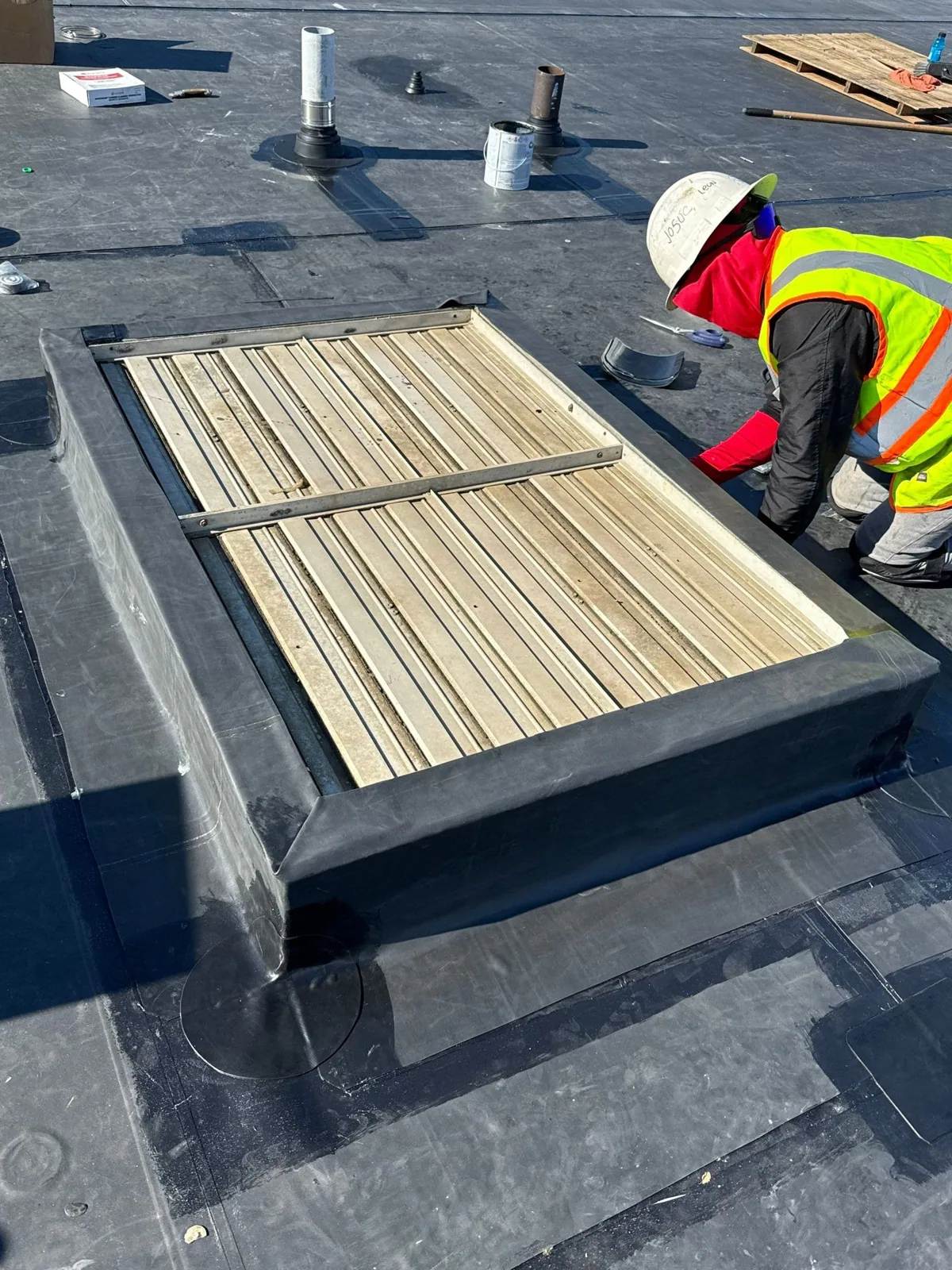
Seams, drains, curbs, walls and edge metal create transitions that need inspection as a connected system. We check for an open weld, loose termination, failed seal, blocked outlet or equipment cut that was not properly flashed. A leak may travel through insulation before appearing indoors, so we compare the roof area with the reported room or equipment location. The record distinguishes what we saw from the path that remains uncertain.
Before mobilization, the property contact confirms the entrance, staging area and delivery window so the crew can plan roof access and material handling. A drain and scupper review addresses water outlets, while a curb flashing inspection can identify details that need a mechanical trade.
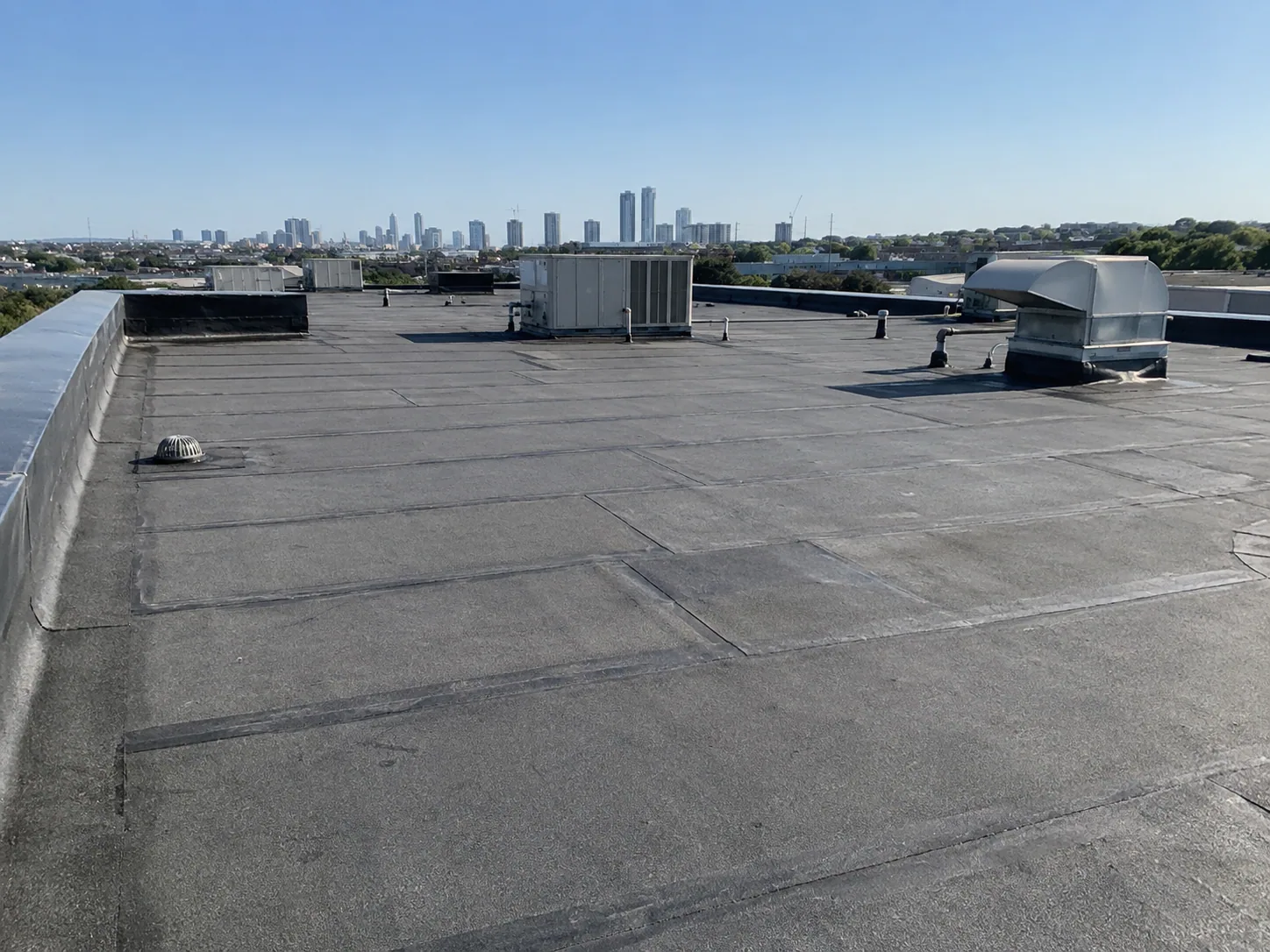
When should a repair become a replacement review?
A localized seam or flashing failure can be repaired when the surrounding material remains stable. The crew prepares back to sound membrane and records the finished tie-in. Several separated failures, wet insulation across a broad area, loose attachment or deck concerns may call for testing or replacement planning. We describe the evidence and set a repair boundary that matches the condition, not a larger quantity based on one stain.
For an identified Johns Manville assembly, keep system records with the inspection notes and check repair materials against current technical guidance. After a storm report, record the affected roof zones, visible details and repair boundary before selecting work. A repair scope can define a contained fix, while a replacement assessment can compare tear-off and recover where the layers and requirements support it. We also note drainage, edge and curb work that affects both choices. For a portfolio owner, the record should name the inspected building and roof zones, not only the membrane manufacturer. That lets the next inspection compare the same details and see whether seam, drain or flashing conditions changed after the work.
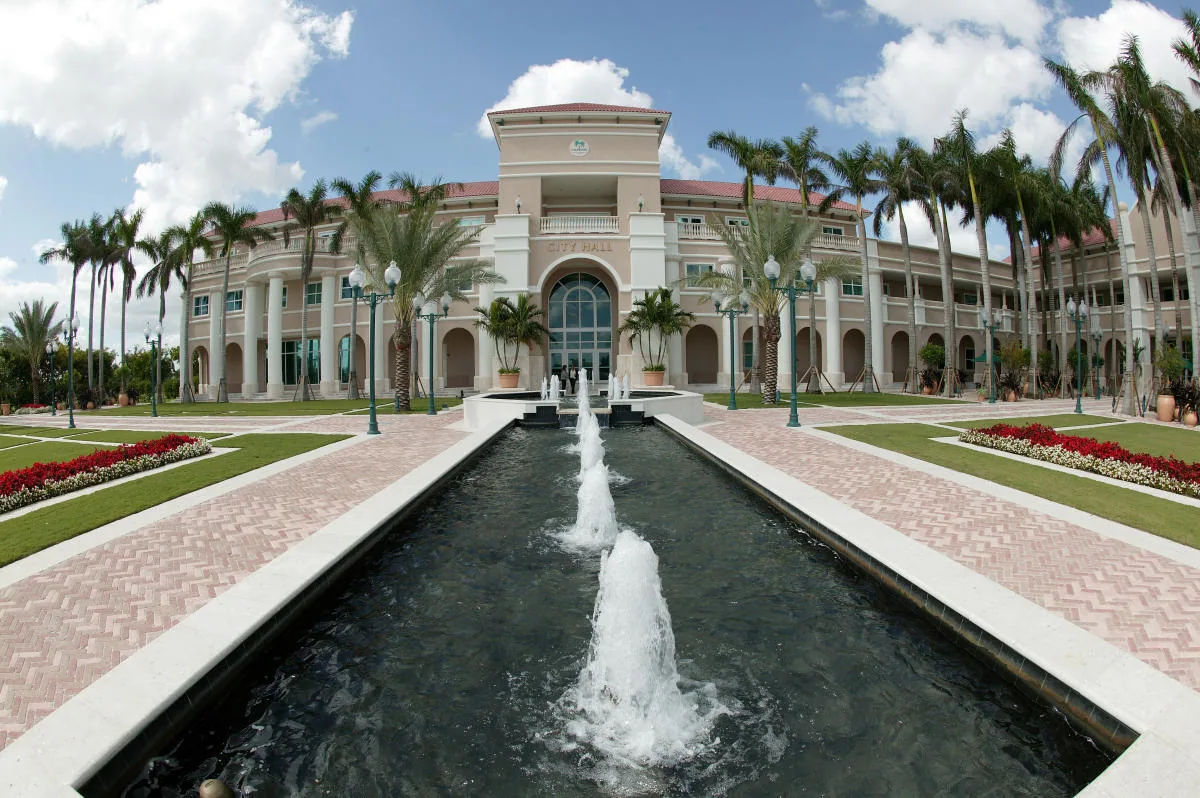
More about Johns Manville Commercial Roofing
How does the work fit an operating building?
We confirm roof access, occupied areas below, staging, drain protection and the daily closure point before opening the roof. Mechanical or electrical work must be coordinated before membrane is installed around changed equipment. Each shift has a defined area that can be secured. If removal exposes a different assembly or wet material, photos and measurements show the condition so the owner can approve the next step.
Before quoting that assembly, we map drainage, wall transitions, equipment supports and perimeter details so the specification follows field conditions rather than product labels alone. The facility's loading schedule and roof restrictions set the work window. The owner names the access contact and approves interior notices. A phased occupied-building plan can establish work limits, and a maintenance record helps the facility team track drains and details after the project. Schedule a Johns Manville roof assessment in Miramar. We will inspect the assembly and explain the next repair or budget decision.
Before mobilization, we confirm how material reaches the roof, where debris can leave the site and who can authorize work when concealed layers differ from the bid assumptions. For an occupied office or production building, the owner may set restricted hours or identify an area that must remain available. Those limits belong in the sequence, along with protection for drains and interior spaces. The shift plan identifies the closure boundary and records open items for the next crew handoff.
Commercial Roofing Questions
Does Johns Manville make only one kind of roof membrane?
Its commercial portfolio includes different membrane families and insulation products. We review the project documents and existing roof before recommending a system. The correct choice depends on substrate, attachment, drainage and details at this building.
Can TPO, PVC and EPDM use the same repair method?
No. Each material has its own seam and flashing requirements. We identify the existing membrane first, then select compatible materials and preparation for the repair. Mixing assumptions can leave a weak transition.
How do you find moisture below a membrane?
We review visible conditions and may use an infrared survey to identify areas for confirmation. Test openings or other checks can establish what is below the surface. The owner approves the investigation and any removal scope.
Can you apply a new system over the current roof?
A recover is considered only after documenting the existing assembly, evaluating moisture, checking deck and attachment capacity, and confirming available edge height. The selected Johns Manville system and project documents govern compatibility. Wet or unstable sections may need removal before a new assembly is considered.
What changes the Johns Manville roof project schedule?
Roof access, weather, tear-off depth, equipment moves, deck repairs and procurement affect timing. We identify work windows and concealed conditions before setting a sequence. The owner receives a defined daily closure point for each opened area.
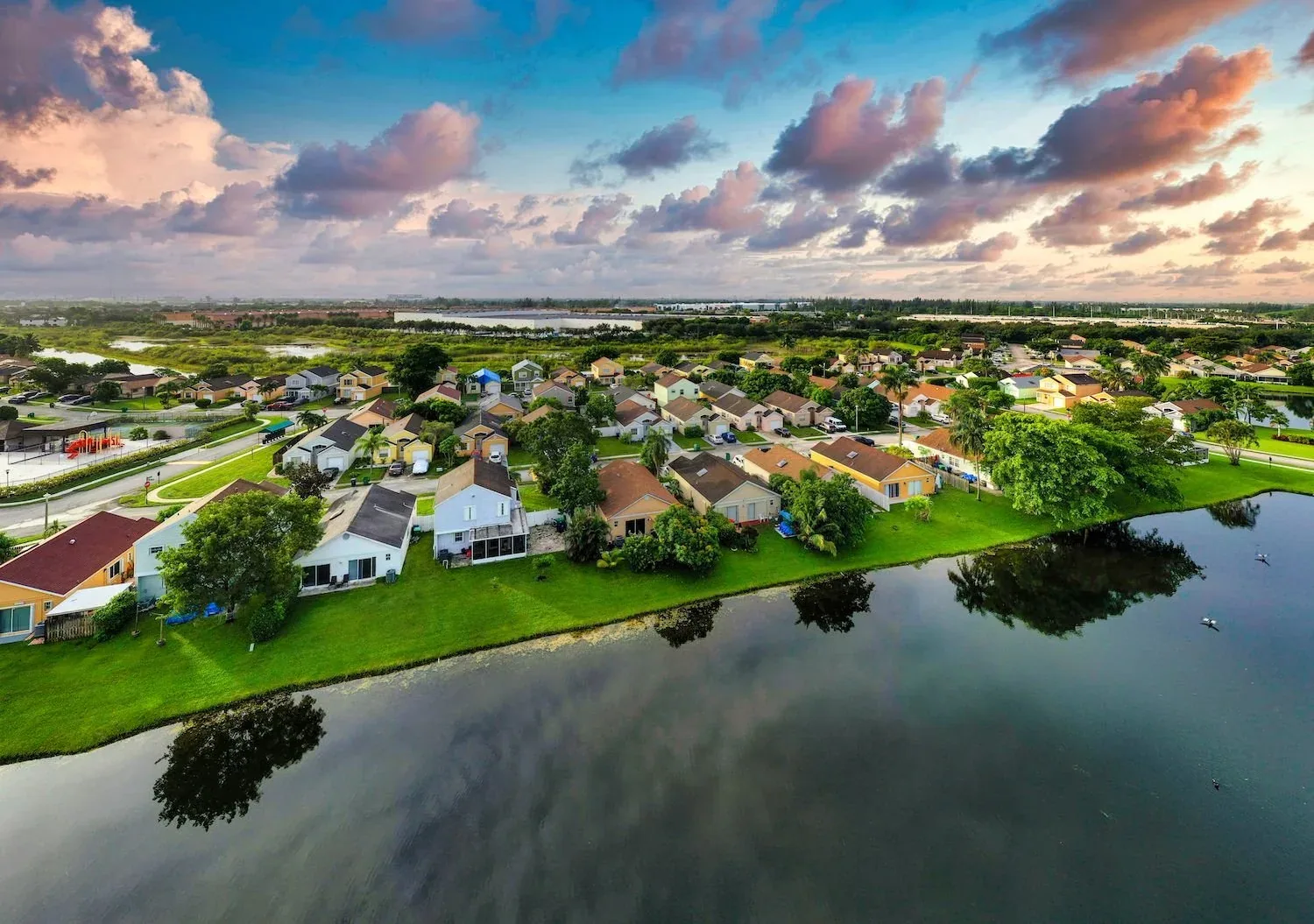
Miramar, Pembroke Pines, Davie, Hollywood, Opa-locka, Miami Gardens, Miami Lakes and Doral in Broward and northern Miami-Dade County.
Request a Roof Assessment
Send the building address and what the roof is doing. We reply with a roof visit date and a written scope.