Infrared Roof Moisture Survey in Miramar, FL
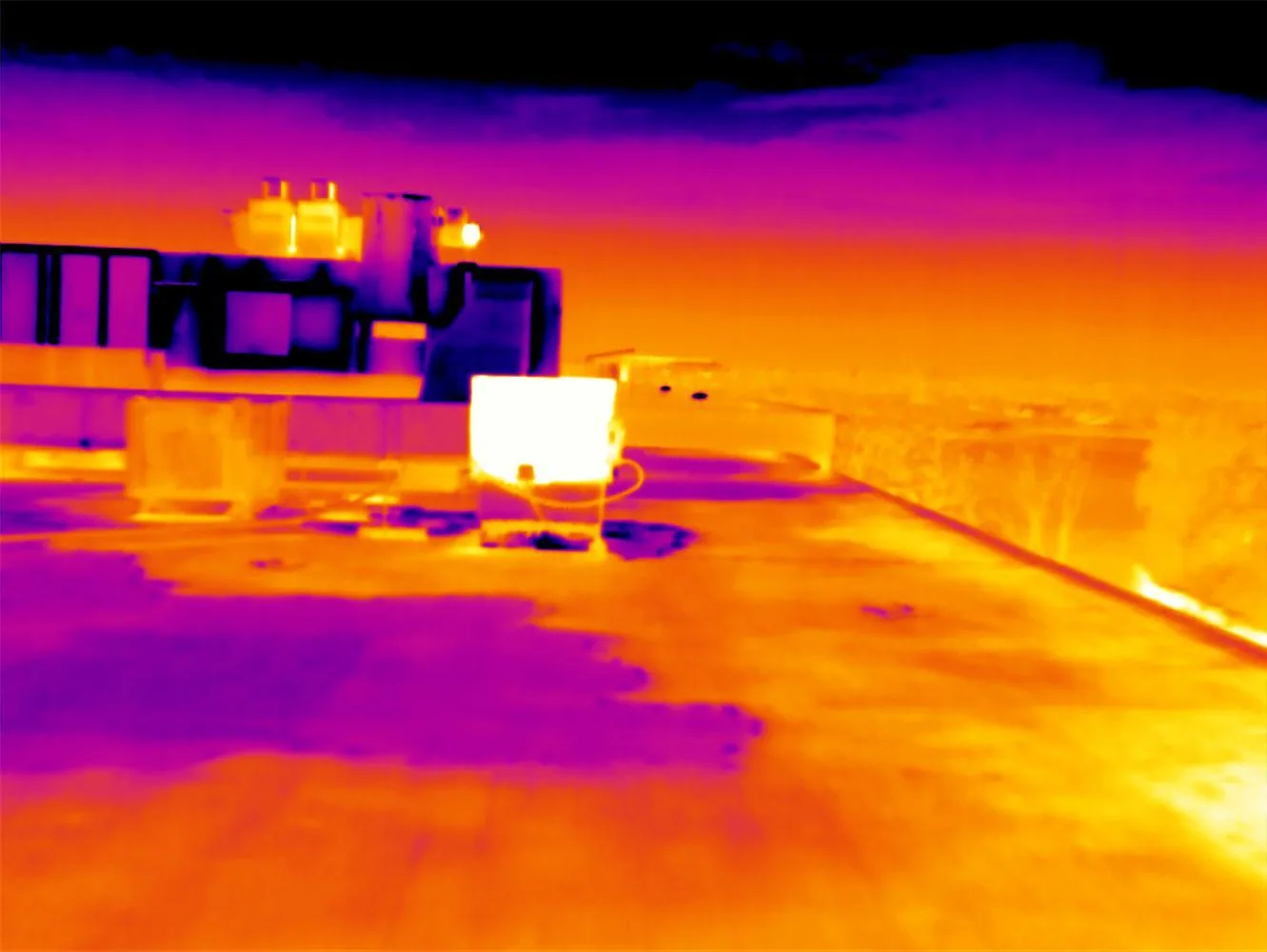
A roof can look dry from the walkway while moisture sits below the membrane. An infrared survey helps map temperature patterns that may point to wet insulation, but the pattern needs field verification before material is removed or covered. We survey suitable Miramar roofs, mark areas for testing and compare the readings with drains, seams, prior repairs and interior reports. A targeted core cut or other approved test can confirm what the assembly contains. The owner receives a marked roof map and a repair boundary based on checked conditions, not a thermal image by itself.
When is infrared screening useful?
Infrared equipment measures surface temperature differences under conditions that allow a useful scan. A dry roof, recent sun exposure, wind, cloud cover, surface materials and rooftop equipment can affect the reading. We review those factors before surveying and note conditions that limit the result. A scan can help narrow a large field to areas that deserve testing, especially where leaks have appeared in several rooms or the roof contains multiple sections with different repair histories.
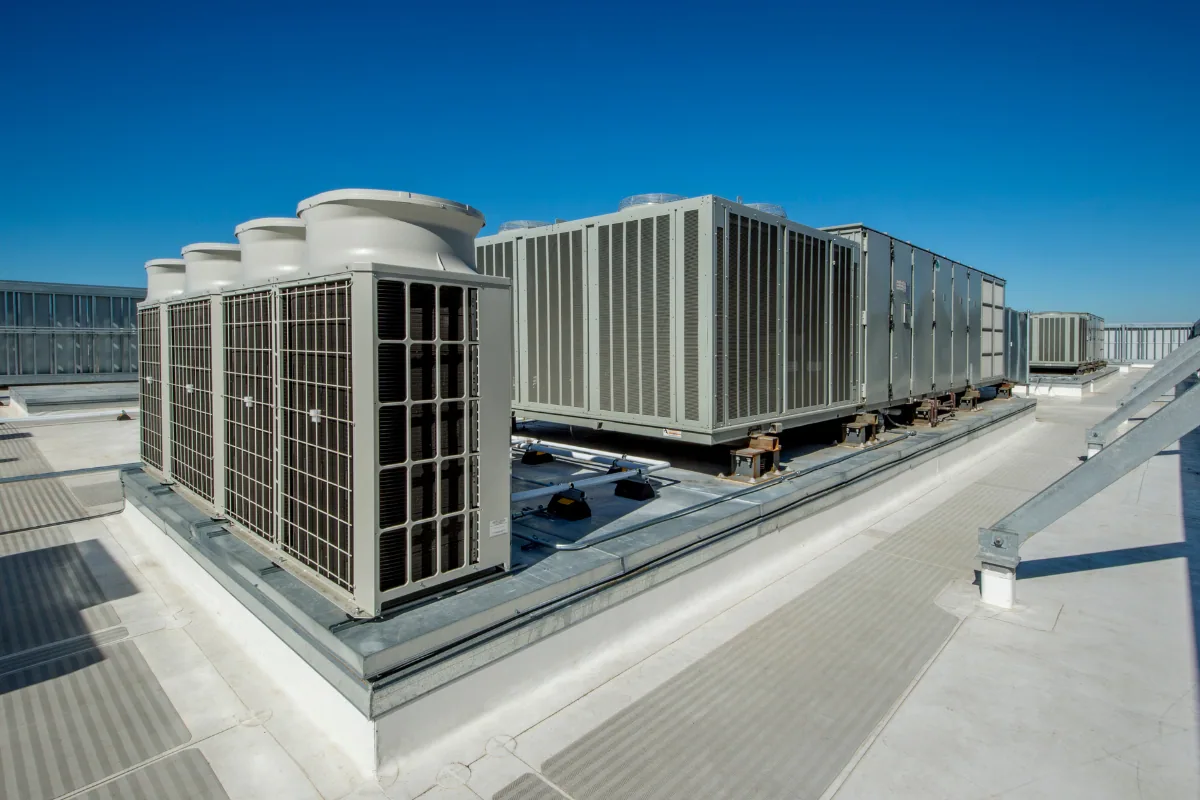
Miramar's land-use categories include office-park, employment-center, industrial and regional-activity areas. Large commercial roofs in those settings may have equipment, drains and service paths that complicate a visual walk. We plan the scan by roof zone, then compare patterns with the roof's layout. A drone survey can help map visible obstacles and access routes, while hands-on inspection checks details that infrared cannot evaluate. Each method answers a different question.
How do we confirm a suspected wet area?
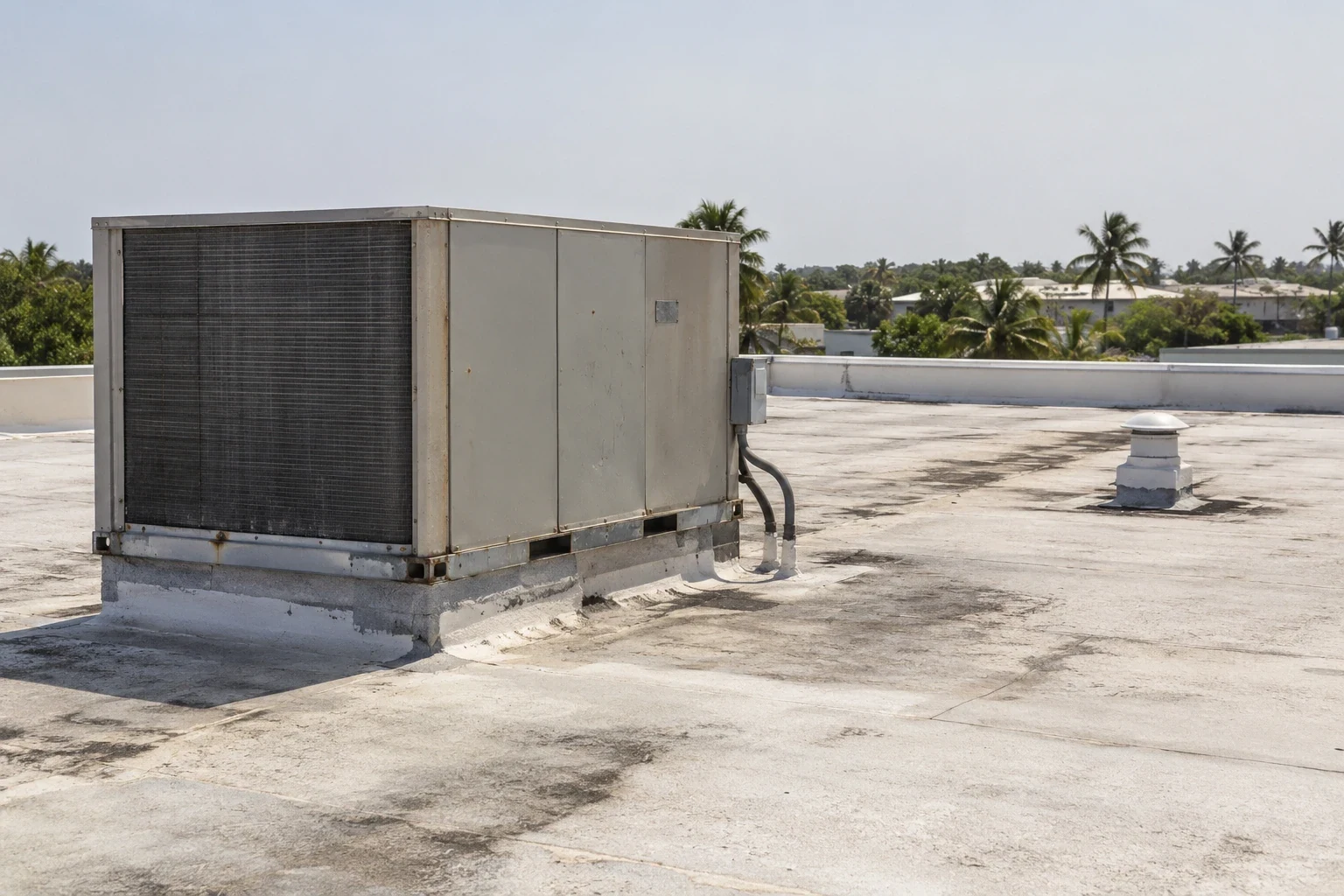
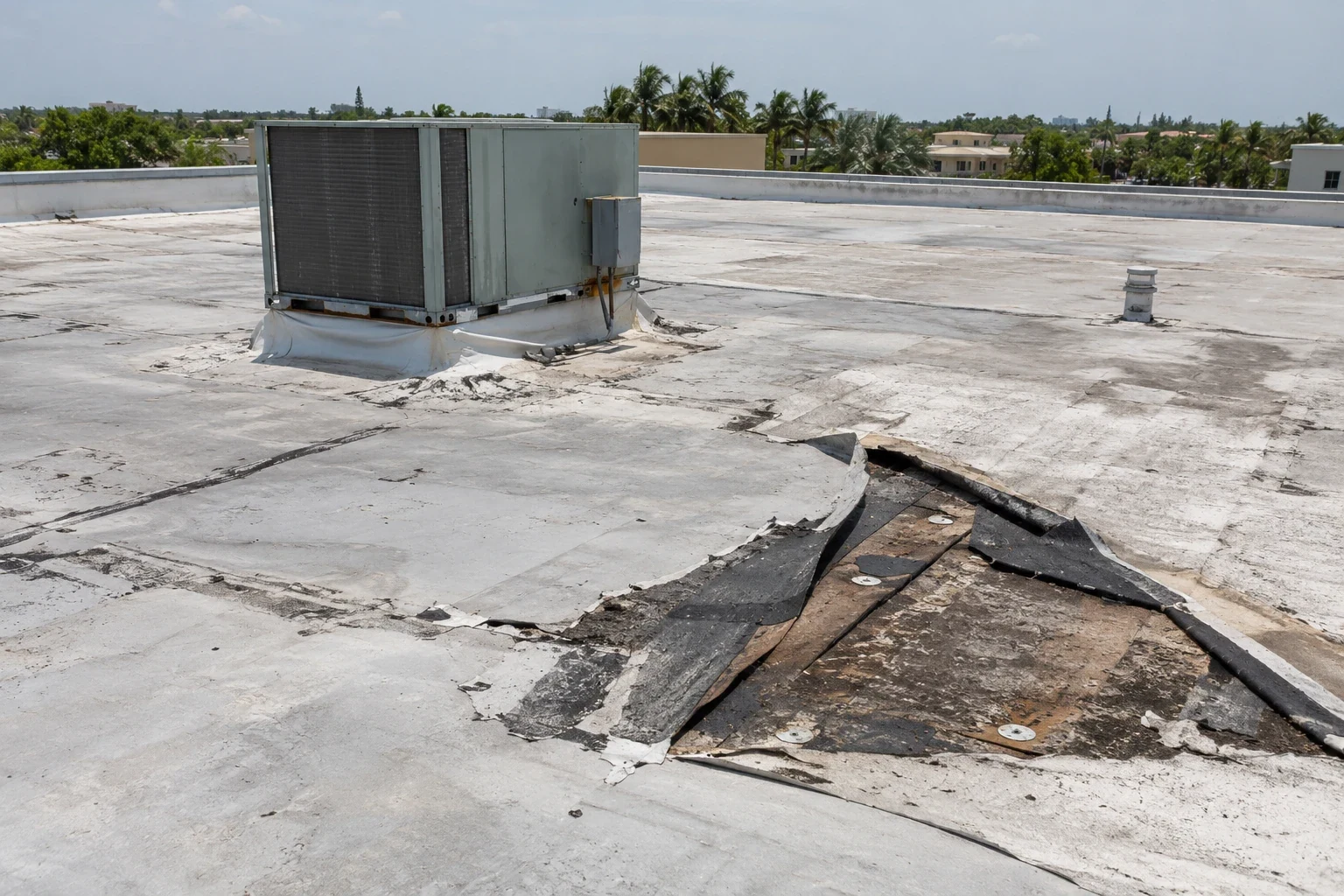
We mark a thermal pattern, then select a test location that can verify the insulation below. A core cut or other agreed test shows whether the material is wet, dry, compressed or separated from the deck. We photograph the opening, record the roof zone and close it with a compatible repair. When testing finds no moisture, we keep the repair boundary at the verified condition rather than extending it by color. If it does, we check nearby boundaries so the repair does not stop at an arbitrary line.
Davie has more than 900 acres of industrial-zoned land, with distribution, manufacturing, health, education and technology among its industries. For a property portfolio across nearby cities, consistent roof maps can make it easier to compare inspection results, while each roof's moisture findings still require direct testing. We identify which areas need removal and which remain sound. A roof condition report links the image, test location and repair note so the owner can review the evidence before approving work.
What can create a misleading thermal pattern?
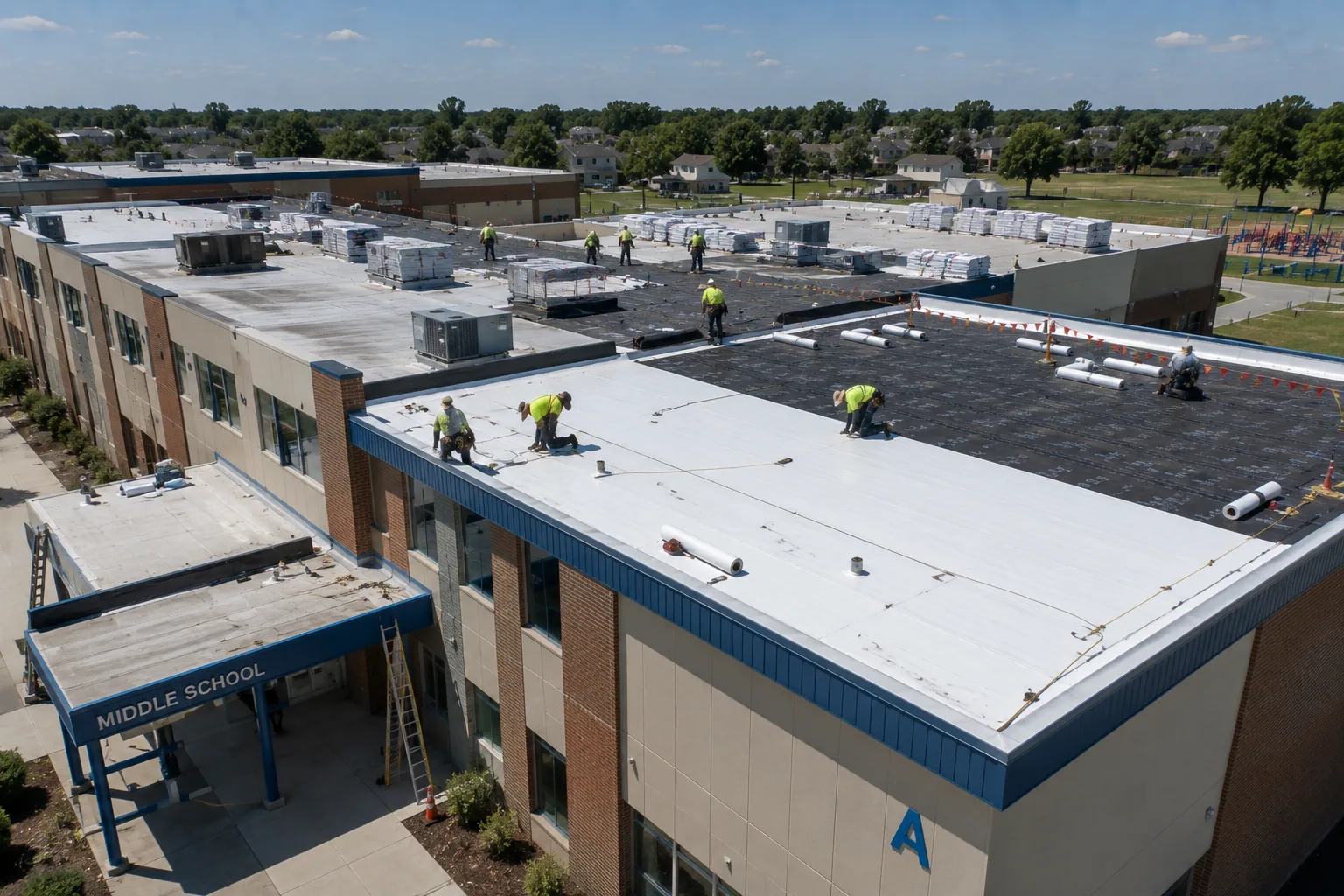
Equipment shadows, reflective surfaces, patch materials, ponding, insulation changes and differences in roof thickness can affect the appearance of a scan. We compare each contrast with the roof plan, surface conditions and repair history before choosing a test point. If the roof was recently coated or repaired, we note that material because it may respond differently from the surrounding field.
South Florida flood, hail, tornado, temperature and wind hazards can affect roof and equipment conditions. The scan identifies candidates; testing sets the repair boundary. The survey identifies candidate areas; testing confirms them. If an active leak is reported, leak tracing helps connect the interior sign to the roof. We keep that route distinct from a broad moisture survey so urgent entry points are handled promptly.
How is the survey performed on an occupied property?
We confirm roof access, operating hours, equipment restrictions and the best scan window with the property contact. The crew marks the survey boundary, records weather and surface conditions and captures readings by roof area. We avoid disrupting equipment and keep walk paths clear. Where a test opening is approved, we protect the work area below and close the cut before leaving. If conditions change during the scan, we stop or reschedule the affected portion rather than presenting incomplete data as a full survey. Before the crew leaves, we check each test opening and note the repair method. The report distinguishes readings collected across the whole scan area from locations verified by opening, so the owner can see the strength of each finding. Any section blocked by equipment or access limits is listed for follow-up rather than represented as inspected.
Miramar's principal routes include US 27, I-75, the Turnpike and State Road 7; the property contact confirms the delivery entrance and roof access. Travel routes help us plan the visit; access at the property determines the work sequence. Along the Pembroke Road corridor, planned roadway work includes a divided configuration and multi-use paths on segments; we confirm roof entry and site rules with the property contact. The map identifies scanned and inaccessible areas, which sets the boundary of the next test or repair.
More about Infrared Roof Moisture Survey
What does the final map help you choose?
The map helps set a measured repair boundary and separate confirmed wet areas from locations that only need monitoring. We explain the test results, affected roof layers and the next action for each zone. If moisture is widespread, the owner can compare selective replacement with a larger roof project. If only a small area is confirmed, a focused repair may be appropriate. The report records the basis for that decision and the location of each test.
A scan can also support capital planning when paired with roof age and repair records supplied by the owner. We keep service-life recommendations tied to the roof's verified assembly and repair history, not an infrared pattern. Instead, we show where evidence supports removal, where additional tests are useful and which areas remain outside the confirmed boundary. A replacement assessment or recover review can follow when the overall assembly needs a decision. Schedule a Miramar survey, and we will explain what the map can establish and where a core cut is still needed.
Commercial Roofing Questions
Does an infrared image prove insulation is wet?
No. It identifies temperature patterns that may indicate a difference in the roof assembly. We select test locations and confirm the material through a core cut or another appropriate method. The report separates thermal observations from verified moisture so the repair scope is based on the roof itself.
What conditions do you need for the scan?
The roof and weather need to support a useful temperature comparison. Surface heating, wind, cloud cover, moisture and roof materials can affect readings. We review conditions before the survey and record relevant limits. If the scan window is not suitable, we arrange another method or return when the roof can be evaluated more reliably.
Will you cut the roof during an infrared survey?
A scan does not require opening every marked area. We agree on targeted test locations, make a controlled opening where verification is needed and close it with a compatible repair. The owner sees which locations were tested and what the material showed. Additional openings are discussed before work expands.
Can equipment or old patches affect the readings?
Yes. Shadows, reflective surfaces, previous repairs, roof thickness and equipment can alter the temperature pattern. We note those conditions and compare readings with field observations before choosing a test area. An unusual image is a reason to verify, not a reason to remove material without checking.
Can the survey set a repair budget?
The verified map helps estimate removal and replacement areas, but cost also depends on deck condition, access, materials, flashing and equipment coordination. We state which moisture findings are confirmed and identify assumptions that need an opening or owner approval. That gives the proposal a clearer boundary and reduces guesswork in the next budget step.
Miramar, Pembroke Pines, Davie, Hollywood, Opa-locka, Miami Gardens, Miami Lakes and Doral in Broward and northern Miami-Dade County.
Request a Roof Assessment
Send the building address and what the roof is doing. We reply with a roof visit date and a written scope.