
Flex Industrial Roofing in Miramar, FL
A flex building can combine office frontage, warehouse bays, loading doors, and changing tenant layouts beneath one roof. A new exhaust, partition, or equipment curb can change the membrane details without changing the outside footprint. Miramar's designation set includes employment centers and office parks, plus transit-oriented and regional-activity areas; commercial and industrial uses are mapped separately. We inspect transitions, drains, penetrations, edge attachment, and the insulation below the surface. At a property in the Miramar service area, the manager confirms tenant activity and roof access.
We start with work orders, leak locations, roof drawings, and a list of equipment changes. A commercial roof inspection records the existing assembly and identifies which conditions are ready for repair or need testing. The tenant contact should identify production hours, loading paths and any process shutdown needed for safe roof access. We limit exposure first, then set the permanent repair boundary from the field condition and the tenant schedule.
How can tenant changes affect roof details?
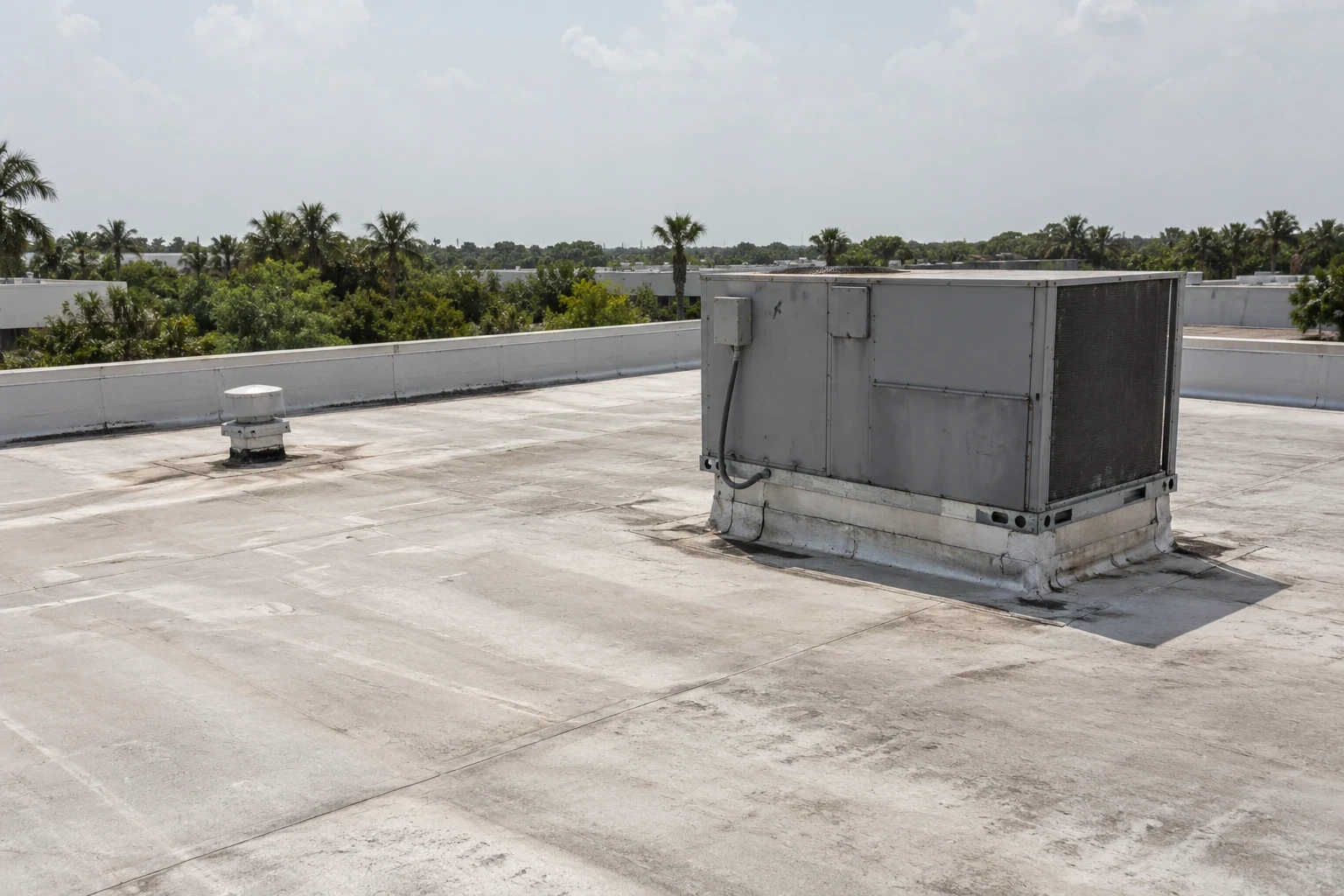
Flex space changes hands and use, but each penetration remains part of the roof assembly. We check curb flashing, abandoned openings, exhausts, conduit supports, and the route service trades use to reach equipment. A removed unit can leave a curb or opening that needs a permanent detail. We compare the owner’s records with what is visible, then photograph the condition before repairs close it.
Tenants may occupy office, light manufacturing, storage, or service space in different combinations. Those uses do not establish a roof load or membrane type. The owner confirms equipment plans and any permit drawings before a curb is moved or added. We coordinate the roofer’s tie-in with the mechanical trade so the flashing is installed after the final location is set. A manufacturing roof review may involve more fixed process equipment; the flex building still needs its own map of active units and roof penetrations.
Work can be phased by tenant bay, but the daily removal limit must leave a sound dry-in boundary. We identify who will move interior inventory, who approves concealed deck repairs, and how tenant notices will be issued. A phased plan for an occupied property records those handoffs so a late equipment change does not leave an open seam or blocked service route.
Where do drains and roof transitions need review?
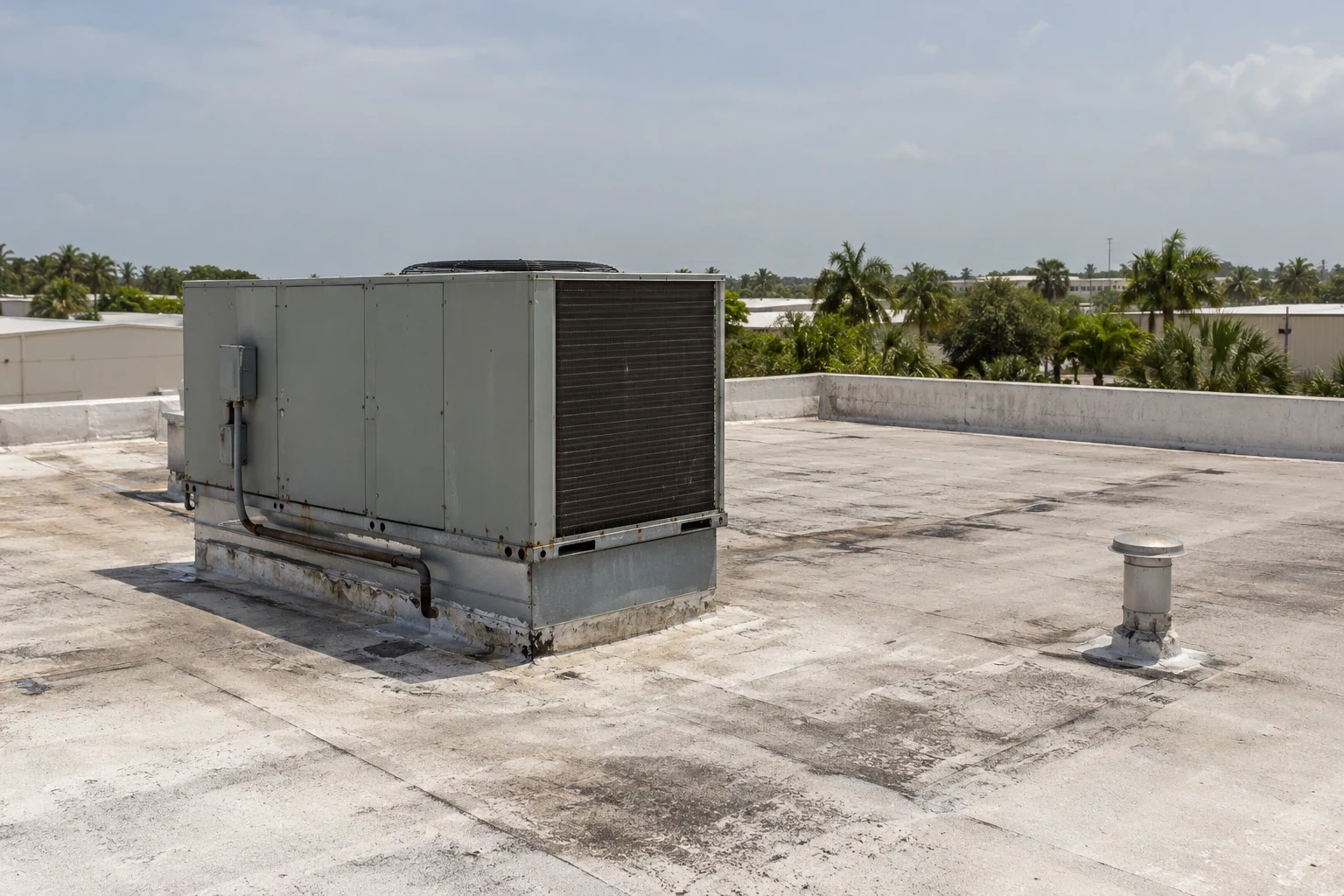
A low-slope roof sends water toward drains, scuppers, and overflow routes. We inspect the outlet, the surrounding membrane, and the plane that feeds it. Ponding might follow a clogged strainer, a separated drain tie-in, or a low area. Each calls for a different correction. If moisture extends into the insulation, we map the suspected extent and recommend testing before deciding on removal quantities.
For a flex building, we map tenant access and rooftop equipment before marking which bays will be under repair. In Pembroke Pines, warehouse and flex-space uses fall under medium-industrial zoning. The owner confirms delivery access and the assembly at the building under review.
Miramar's principal route network includes US 27, State Road 7, I-75 and the Turnpike. The property manager supplies the truck gate, loading-bay route and time limits for staging materials. On the roof plan, mark each drain or scupper against tenant demising walls so a repair opening does not obstruct an occupied bay. A drain and scupper repair addresses confirmed outlet conditions. An infrared moisture survey can help select areas for follow-up testing when the visible surface is not enough.
What should be checked after a storm?
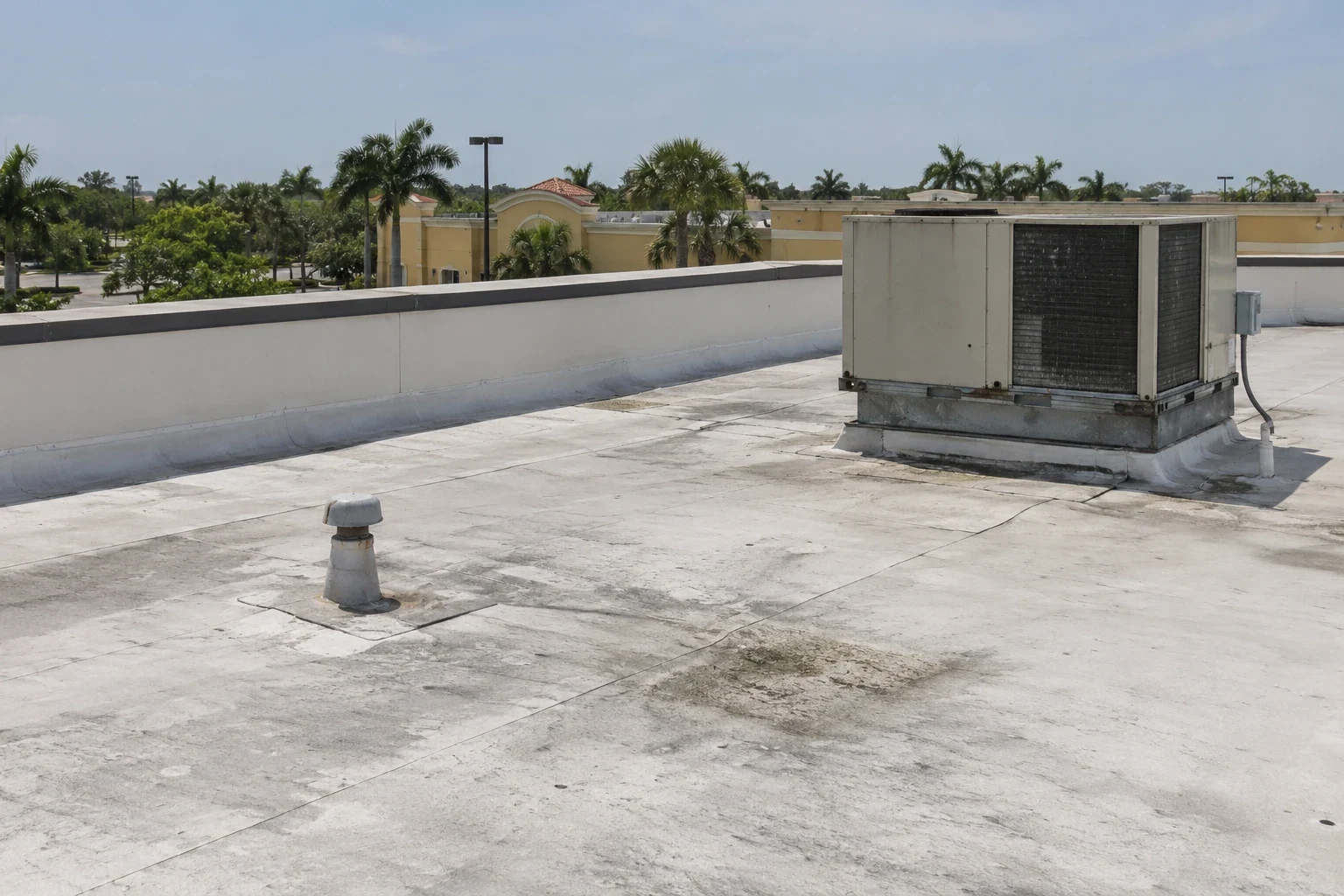
After a storm, we check corners, field seams, penetrations, rooftop units, and perimeter attachment. We photograph moved flashing, punctures, and water entry, then separate observed impact from a condition that needs testing.
Flex buildings can have several tenant areas under a continuous roof. A leak may travel beneath the membrane and appear in another bay. We compare interior reports with the drain path and nearby equipment details before setting the repair limit. A hurricane-related roof review records affected areas and temporary protection. For active water entry, the scope separates temporary protection from permanent work, with surface conditions setting when tie-ins resume.
Delivery timing matters when a property has shared loading lanes or tenant operating hours. We identify a staging point, roof access path, and daily work boundary with the manager. If weather shortens the shift, the crew secures the opened area to the agreed dry-in point. The owner receives a note showing what is complete and what remains temporary, instead of having to infer status from the next delivery.
When should a flex roof be renewed?
A focused repair can work where the membrane is attached, the substrate is sound, and the defect has a firm limit. Repeated seam movement, broad wet insulation, failing perimeter details, or damaged deck can support a replacement comparison. We verify existing layers, insulation, drainage, attachment, and edge height before considering a recover. An added layer does not dry wet material or correct a failed drain.
Cost changes with tenant coordination, roof access, tear-off, insulation, deck repair, drains, edge metal, equipment moves, and disposal. Timing changes with approvals, procurement, weather, and work zones that can be opened safely. We keep confirmed quantities distinct from concealed items that need a field decision. A replacement scope records those drivers in terms the owner can compare with a repair plan.
Commercial forms vary across nearby cities. In Pembroke Pines, warehouse and flex-space uses fall under medium-industrial zoning. A warehouse roof comparison or an equipment curb review can clarify related planning concerns, while the final option follows the specific flex roof and tenant operation. After repair, a maintenance program tracks seams, drains, curbs, and tenant changes.
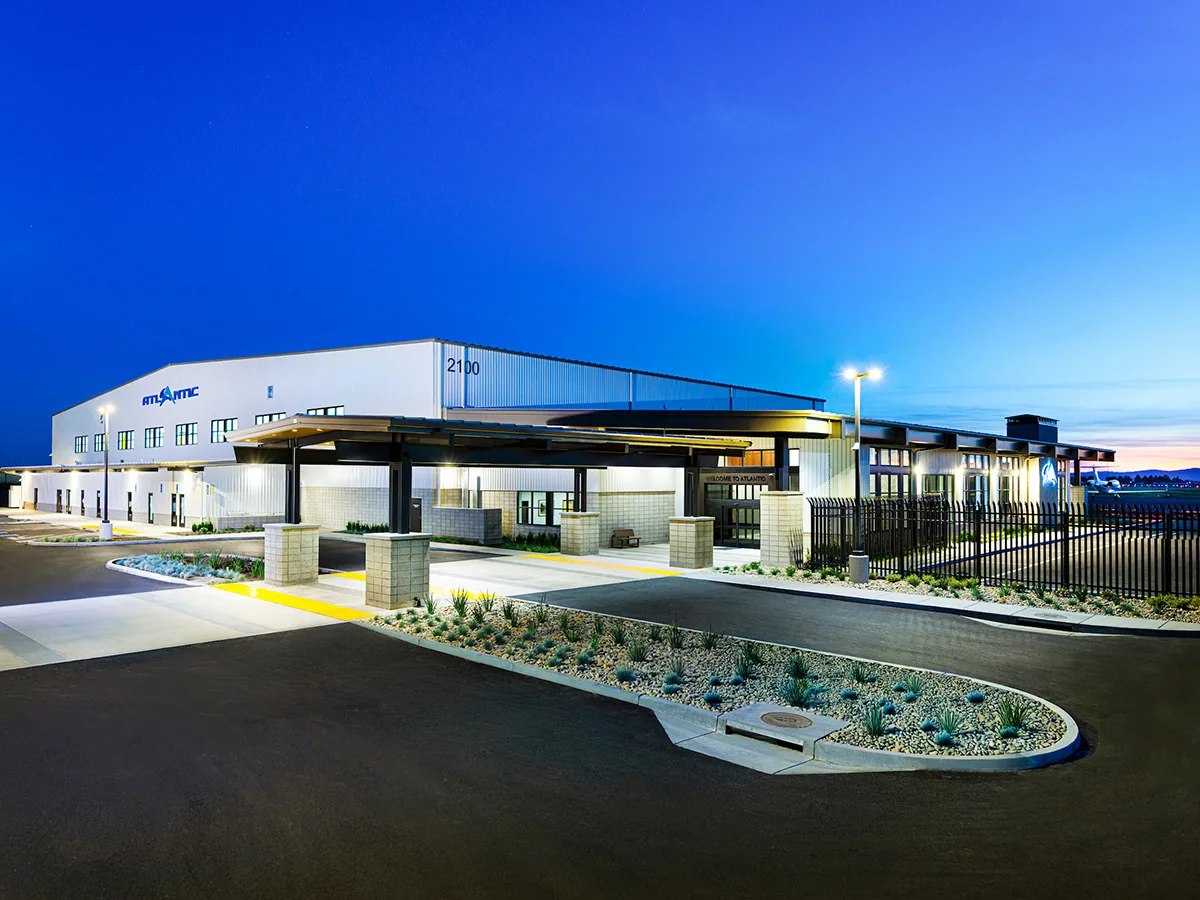
More about Flex Industrial Roofing
What should the property manager retain?
Closeout lists each repaired location, photographs, installed materials, approved scope changes, and any follow-up condition. A marked roof plan can show which tenant bay sits below the work and where another trade must protect the membrane. If testing remains, that item is not presented as completed repair. The file should distinguish the condition found, work performed, and decision still open.
That record can help the manager compare later leak calls with past repairs and tenant equipment changes. Schedule a Miramar flex industrial roof review. We will inspect the assembly, check drains and penetrations, and define a repair or replacement sequence around tenant access and loading operations.
Commercial Roofing Questions
Can a new tenant add equipment through the roof?
The owner or design team confirms the location and support requirements before the opening is cut. We coordinate the curb, flashing, and tie-in with the mechanical trade so the final equipment position and roof detail agree.
Why does a leak show up in another tenant bay?
Water can travel beneath the membrane or along the deck before reaching the interior. We compare the reported area with roof seams, drains, and equipment curbs, then identify testing if the path remains unclear.
Can one roof section be replaced at a time?
Phasing may work when the assemblies and tie-in boundaries support it. We plan the opening limit, dry-in point, tenant notice, and transition so each completed section can remain protected while work continues elsewhere.
What changes the estimate for a flex building?
Tenant access, equipment moves, roof layers, insulation, drains, edge metal, staging, and interior protection affect quantities. We state confirmed work separately from concealed conditions that could change after removal.
What is included in a roof condition record?
The record connects photographs and findings to roof locations, repair boundaries, materials, approvals, and remaining tests. The property manager can compare a later report with the same seam, curb, or drain.
Miramar, Pembroke Pines, Davie, Hollywood, Opa-locka, Miami Gardens, Miami Lakes and Doral in Broward and northern Miami-Dade County.
Request a Roof Assessment
Send the building address and what the roof is doing. We reply with a roof visit date and a written scope.