Self-Storage Facility Roofing in Miramar, FL
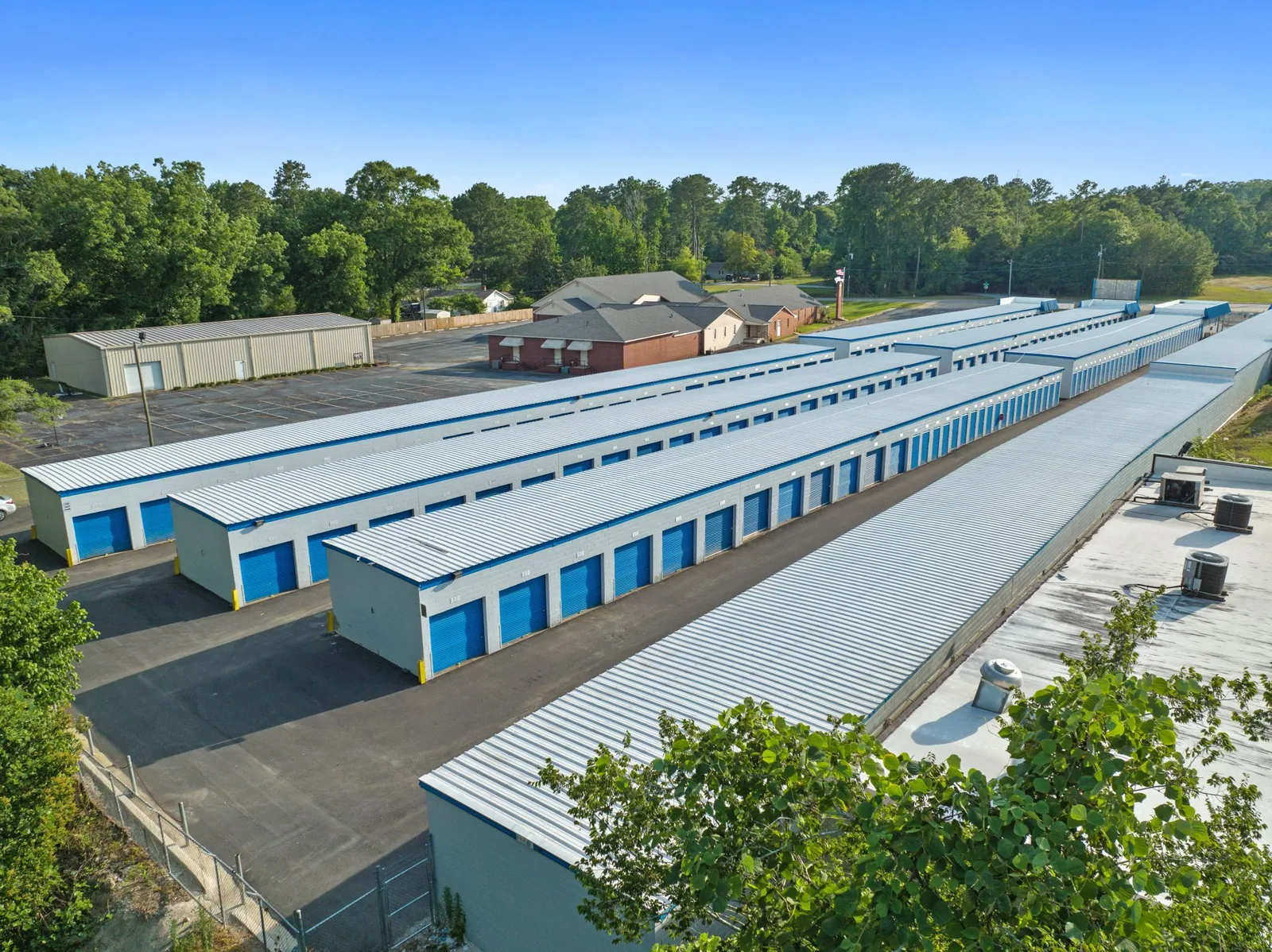
Storage buildings often pair long roof runs with repeating unit rows, corridor doors, and exterior loading areas. A leak over one row can travel before it reaches a visible ceiling or wall. The Miramar map distinguishes industrial and commercial uses, then separately labels employment centers and office parks, with regional and transit designations as well. Each row gets a leak-path review: trace the report to nearby seams, penetrations and drains, then assess insulation where moisture may be concealed. At a property in the Miramar service area, the facility manager identifies which aisles and access lanes must stay open.
Our first walk starts with the unit numbers or corridor locations where water appeared. We compare that report with the roof plan, then photograph the likely entry points and any nearby transitions. A commercial roof inspection separates a confirmed defect from an area that needs moisture testing. For active water entry, the manager should protect affected contents and record which units or interior areas are exposed. Roof access and safe temporary protection are confirmed with the property contact. A permanent repair boundary follows after the assembly and water path can be examined.
How do long roof runs affect leak tracing?
A long membrane field can move water beyond the point where it entered. We check seams, end laps, wall transitions, curbs, and penetrations along the path between the reported unit and the nearest drain. One opening may explain several interior marks, or separate details may need separate repairs. We note what is observed and what remains uncertain instead of pricing every stain as a separate roof failure.
Repeated roll joints and expansion transitions deserve attention where one addition meets another. We inspect the material at those connections, the attachment at the perimeter, and any patch that bridges movement. A leak investigation can map the route and recommend a test opening when the visible surface does not settle the cause. The repair boundary follows sound material and the actual path, not the edge of a storage aisle.
Unit access may remain available during exterior work, but a lift, debris chute, or material staging point can change how customers reach a row. The manager identifies blocked lanes and notice needs before the crew moves equipment. We can phase work by roof section, keeping each open area within the daily dry-in limit. A phased occupied-property sequence can coordinate roof activity with unit access and staff operations.
What happens when water stays near a drain?
A drain bowl, strainer, overflow, scupper, and membrane tie-in each affect the water path. We check for blockage, loose flashing, debris, and low areas that retain water. Ponding alone does not explain why the outlet is slow; the roof plane and drain detail need review. If wet insulation surrounds the outlet, we mark the suspected area and recommend testing before deciding how much material to remove.
We identify occupied units, customer paths, and affected buildings so staging does not block access or expose stored contents. Storage properties benefit from mapping each roof zone, drain path and tenant-access route before maintenance is planned. We inspect the building’s drains and roof slope directly. A ponding-water roof review can separate a drain correction from membrane repair or insulation removal.
A self-storage repair keeps customer lanes clear and gives the manager a marked boundary for the units below the work area. US 27 and State Road 7 are useful Miramar reference routes, with I-75 and the Turnpike connecting the wider area. The manager directs truck access and material staging at the individual facility. The manager confirms the actual gate, truck path, and staging area. Pembroke Pines reports commercial development above ten million square feet across retail, office and industrial uses. We document the assembly and condition of each storage property on site.
What needs inspection after strong wind?
Wind and rain can affect perimeter metal, corners, penetrations, rooftop equipment, and older patch edges. The NWS South Florida outlook includes regional wind and storm hazards, while each roof determines whether a repair is needed. After a reported event, we photograph displaced flashing, lifted membrane, punctures, and interior water entry. A hurricane roof assessment connects an observed condition to a roof location and separates temporary protection from permanent work.
Storage sites may have many exterior doors and roof transitions. We check that fasteners, terminations, and edge details remain secured, and we look for water paths near mechanical equipment or drains. If the membrane is still attached and the defect has a clear limit, a local repair may be possible. Widespread wet insulation, repeated edge movement, or deck damage can call for a broader review. The work record should mark the storage row and roof zone, note access limits, and link the confirmed work to the commercial roof repair scope.
Work timing changes with weather, material delivery, gate access, and the number of areas that can be opened safely. We set the daily limit and dry-in point before removal. If rain interrupts the work, the area is secured and the temporary measure is documented. Permanent tie-ins resume when the product and surface conditions support a sound connection.
When is repair enough, and when is renewal due?
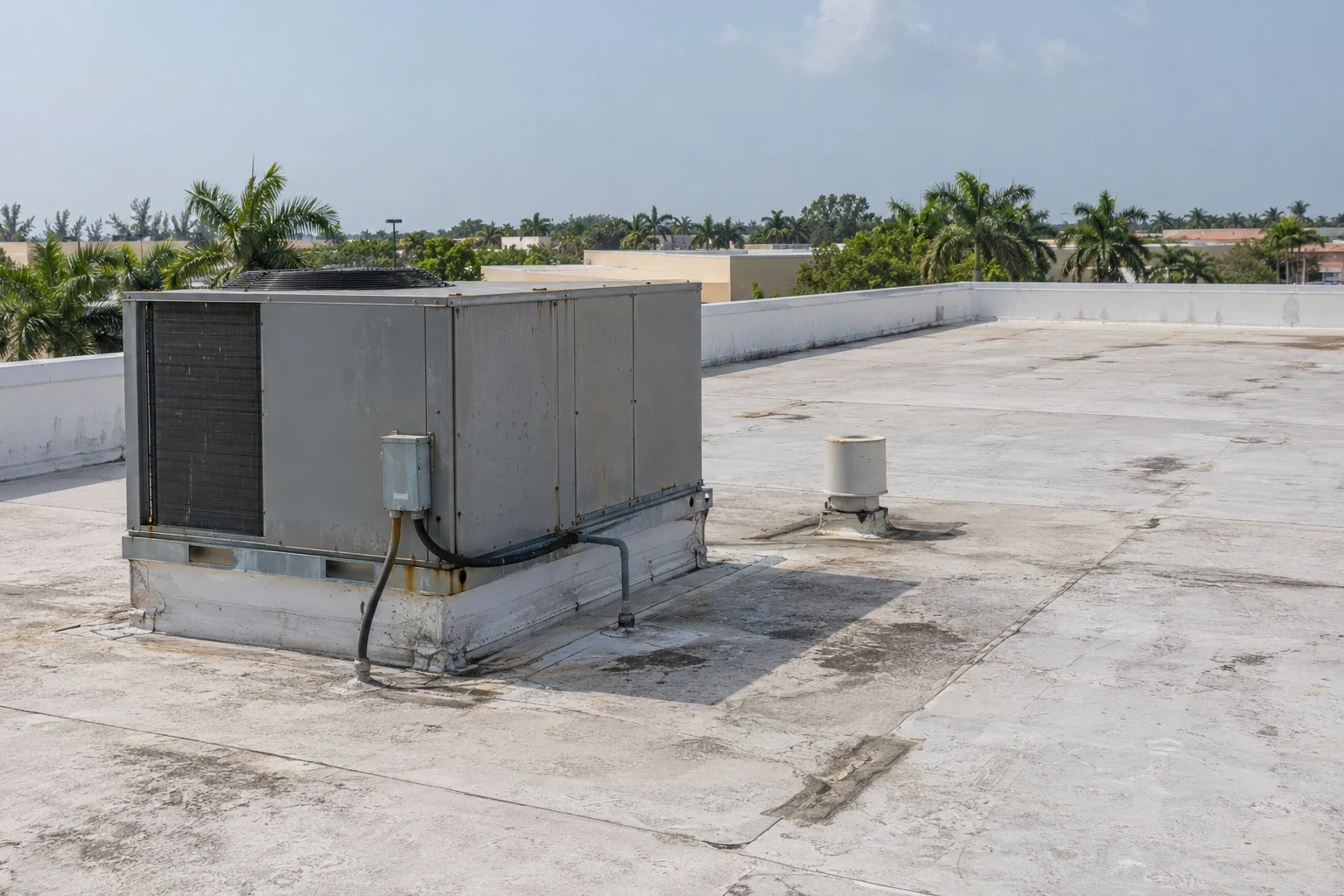
A repair fits when the surrounding membrane is stable, the substrate is sound, and the damage has a clear boundary. Several repeat leaks, widespread moisture, failing seams, or loose perimeter attachment can change the decision. We identify existing layers, deck condition, drainage, insulation, and edge height before considering a recover or replacement. An overlay cannot dry wet insulation or correct an unsupported drain detail.
The storage layout can make phased work practical, but each roof section must tie into a sound boundary. The warehouse roof review also weighs long spans and service access, while a shopping center roof plan often coordinates shared entrances. Neither comparison replaces the inspection at the storage property. We show which areas can be repaired, which need testing, and what condition would trigger removal.
Cost changes with tear-off, deck repairs, insulation, edge metal, drain work, equipment moves, disposal, and access. Schedule changes with procurement and how many work areas can be secured during each shift. The estimate keeps confirmed quantities separate from concealed conditions. A maintenance program can track drains, patches, and seam movement after repair, so the next visit compares the same roof locations.
More about Self-Storage Facility Roofing
What should the facility manager receive?
Closeout should identify repaired sections, roof locations, materials installed, and any remaining follow-up. We provide photographs and a marked plan that can be compared with later reports from the unit rows. If a drain, seam, or curb needs another test, that item stays separate from completed work. The manager can share the record with operations without translating a broad contractor note into a maintenance task.
For a larger replacement, the record also states the work limit, temporary protection removed, and any approved concealed-condition changes. Staff can use it when another trade needs roof access or when a new leak appears after a storm. Schedule a Miramar storage facility roof review. We will trace the water path, inspect the assembly, and define a repair or renewal scope around gates, loading lanes, and customer access.
Commercial Roofing Questions
Can a leak over one unit come from another roof area?
Yes. Water can travel along insulation, a deck, or a roof transition before it appears inside. We compare unit reports with drains, seams, and penetrations, then identify testing if the entry point remains uncertain.
How can roof work avoid blocking customer access?
The facility manager marks gates, loading lanes, and unit rows that need access. We place staging and the daily work limit around those routes, then secure each opened area before the crew leaves.
Does ponding automatically mean the membrane failed?
No. A blocked outlet, low area, separated flashing, or wet insulation can each affect drainage. We inspect those parts and keep the recommended repair tied to the confirmed condition.
What changes a patch into a replacement discussion?
Repeated seam failure, broad wet insulation, unstable attachment, or deck repairs can move the scope beyond a local patch. We map sound and affected areas before comparing repair and renewal quantities.
What is included in the roof closeout?
The file records work locations, photographs, installed materials, approved changes, and remaining follow-up. The manager can use the marked plan to compare future unit reports with completed repairs.
Miramar, Pembroke Pines, Davie, Hollywood, Opa-locka, Miami Gardens, Miami Lakes and Doral in Broward and northern Miami-Dade County.
Request a Roof Assessment
Send the building address and what the roof is doing. We reply with a roof visit date and a written scope.