Commercial Roof Condition Reports in Miramar, FL
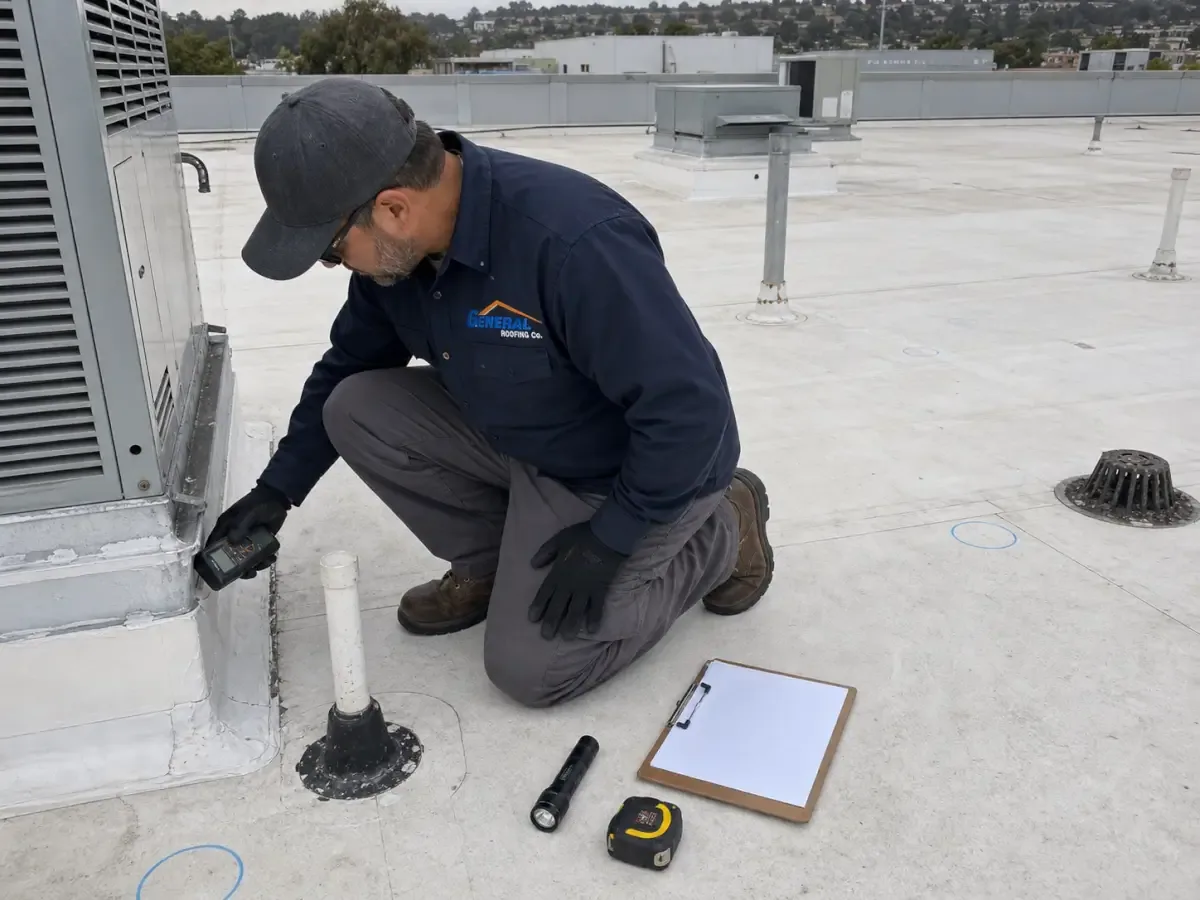
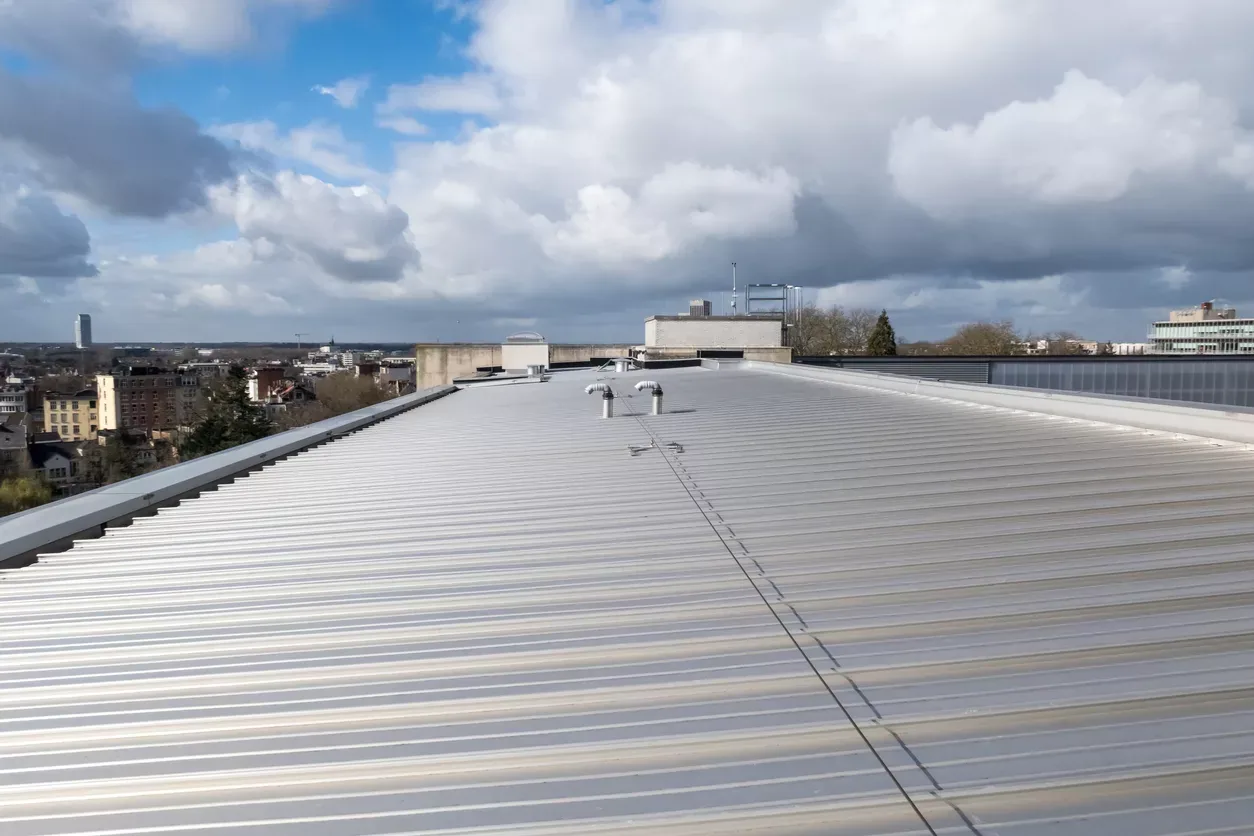
A report needs a location beside every finding. A photograph of an open seam is easier to act on when it identifies the roof section, nearby curb or drain, and the repair boundary. In Miramar, commercial properties include office, industrial and employment-center uses, each with different equipment and access constraints. We document visible conditions, connect them to interior reports and separate confirmed work from testing questions. A hands-on commercial inspection provides field observations, while roof reporting in Miramar can be arranged with the site's roof-access contact.
What should the written report show?
Identify the roof area, observed assembly, visible defect, photograph number, urgency and recommended next step. Note whether the condition is active, whether water has entered the occupied space and whether nearby details may be involved. If the membrane covers a suspected wet area, state whether moisture testing or an opening is needed before pricing a permanent repair. A clear record does not turn an untested area into a confirmed defect.
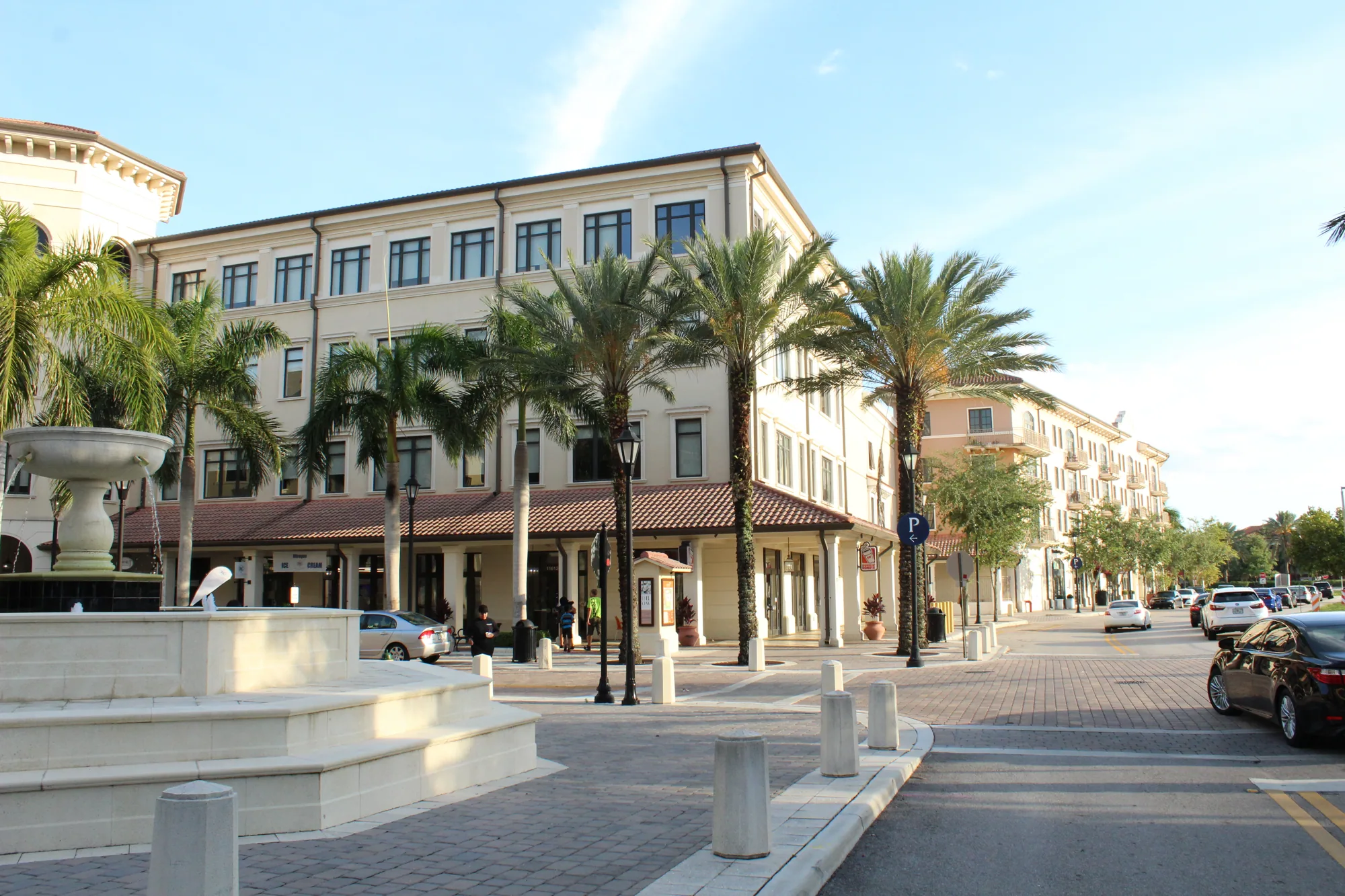
On Miramar’s land-use map, commercial and industrial categories appear alongside employment-center, office-park, regional-activity-center and transit-oriented designations. A report for a warehouse can note loading and equipment routes; an office record may emphasize occupant access and sensitive rooms below. We keep observations attached to their roof zones. A property file can carry the report forward to later maintenance, and a commercial office roof review can help clarify tenant and equipment considerations.
How do photographs make a finding usable?
We take wide views that orient the reader and closer images that show the detail. A note should connect them: roof section, direction, nearby feature and visible condition. At a drain, the record may show the bowl, surrounding membrane and water path. At a curb, it can show flashing, counterflashing and clearance around equipment. This helps a manager return to the same point without relying on a memory of the walk.
A photo cannot reveal every layer below a membrane. If the image shows blistering, open laps or a patch edge, we describe what is visible and state what additional test could answer the remaining question. The owner can authorize targeted work with the evidence in view. A moisture survey may help select areas for confirmation, and a roof claim record can keep dated observations and repair documents together.
How are findings ranked for action?
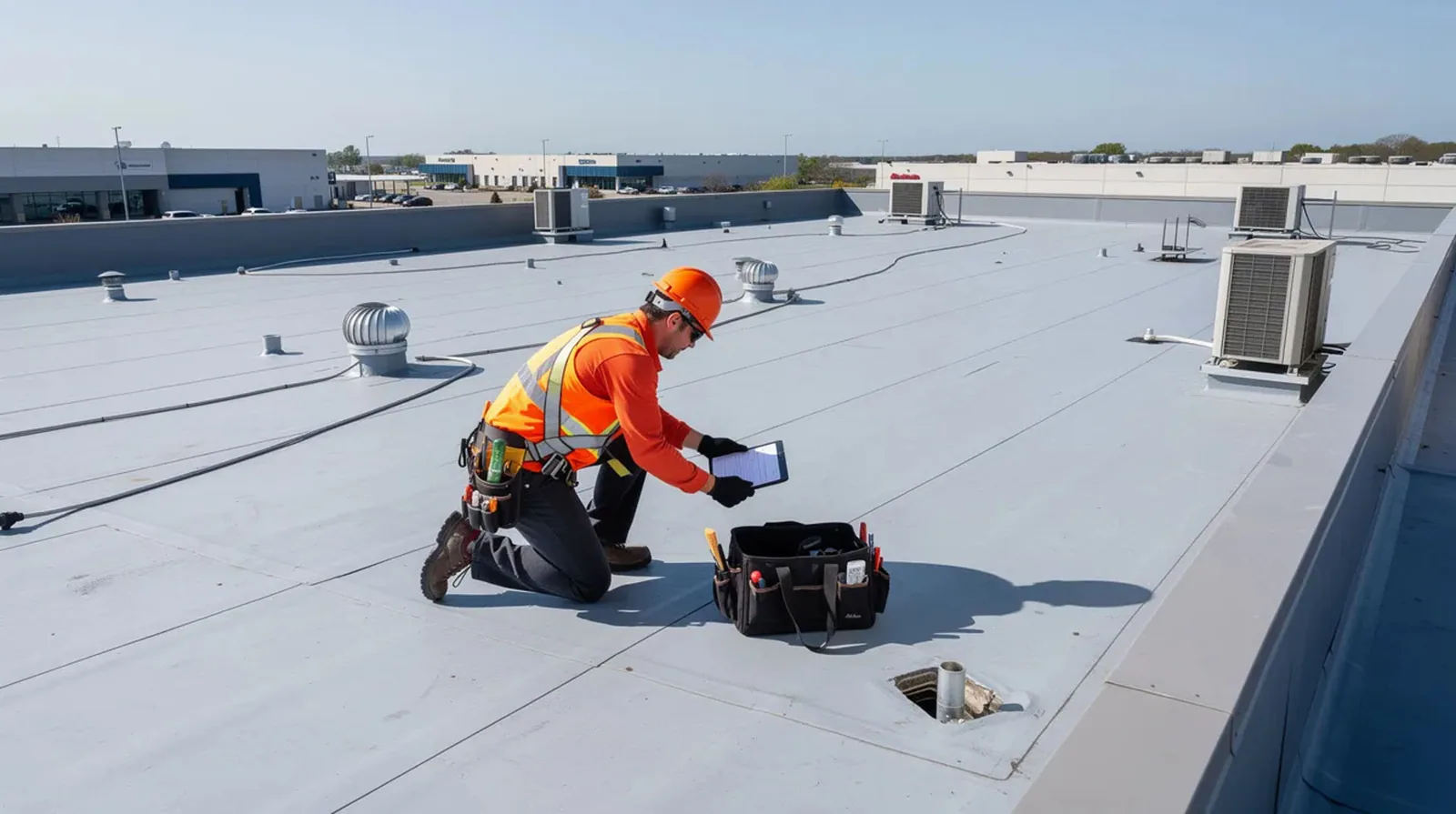
Use urgency labels only when the evidence supports them. Active water entry that threatens an occupied area may need interim protection; a loose edge or open flashing calls for a bounded review and safe controls. Surface wear may fit planned maintenance, while widespread wet insulation may call for testing before the owner selects repair or replacement. A report should state the observation, consequence, unknown and recommended next step as separate items.
For each finding, name the roof zone, photo reference, person responsible for authorization and date a response is needed. If access stopped the inspection, record the limitation rather than assigning a condition to an unseen area. When temporary protection is installed, note what was covered and what still needs permanent work. Keep the repair boundary visible so a field supervisor can match a work order to the report without interpreting a broad condition score.
In Miramar, findings may cover roofs with different equipment, drainage and access conditions. For a documented wind concern, a wind damage review can record attachment, edge and flashing observations. A defined repair scope then identifies the work limit and any concealed condition that still requires approval.
How can ownership use the report?
Use the report to approve a repair, plan maintenance, request a test or compare renewal options. We can group findings by building and roof section while preserving each photograph and recommendation. If one area has widespread moisture and another shows isolated surface wear, separate entries keep those conditions from being blended into a single scope. The property team can also assign a follow-up date and record who accepted or deferred each item.
Pembroke Pines’ retail inventory exceeds eight million square feet, a scale that makes clear why condition records need a building-level address. Managers with assets in both Pembroke Pines and Miramar can use the same report fields while recording each building’s assembly, access, findings and condition separately. A multi-property roof program can coordinate recurring inspections, while a capital review places documented repairs beside future funding decisions.
More about Commercial Roof Condition Reports
What should remain an open question?
Record inaccessible areas, uncertain materials, concealed moisture and roof sections blocked by equipment or unsafe access. State what would resolve each question and who needs to authorize it. If a report cannot confirm the deck from a surface walk, it should not imply that the deck is sound. That distinction protects the next decision: proceed with a limited repair, test first or prepare a replacement scope after more evidence is available.
A useful report identifies where moisture was measured, what remained concealed, and which test would answer the next open question. A regional property team may oversee buildings with varied roof access and operating needs, so a clear follow-up record matters. Keep the report, repair photos, approvals and closeout notes together. Schedule a Miramar roof review, and we will mark the conditions that need action now, those that need testing and those that can be tracked at the next visit.
A finding should also carry its disposition. Mark whether the owner approved repair, deferred work, requested a second opinion or chose additional testing. If the item remains open, include the person responsible for the next contact and the condition that would change urgency. This avoids a familiar problem: an old photograph reappears in a later meeting without anyone knowing whether the defect was closed. A dated closeout note gives the next inspection a fair comparison point.
For a large roof, a report can group work by practical phases such as perimeter, field seams, drainage and rooftop equipment. We identify transitions between those zones and call out where one repair could affect another. The manager can then schedule access and notify occupants with a clearer scope. When a test opening is approved, we add its result and restoration detail to the record before the repair recommendation is finalized.
Commercial Roofing Questions
Will the report identify where each photo was taken?
Yes. We connect images to a roof section or nearby feature such as a drain, curb, seam or edge. The written note explains what the image shows and why it matters. A close-up without a location is less useful for approvals and follow-up, so we pair detail photographs with views that orient the reader.
Can a report confirm moisture beneath the membrane?
A surface observation alone may not answer that question. We identify visible clues and recommend a targeted moisture survey or opening when it could change the scope. The report separates the confirmed roof condition from the area that still needs testing, with approval limits noted before removal begins.
How soon should urgent findings be addressed?
The next step follows the chance of continued water entry, the affected interior and the condition of the roof detail. We identify temporary protection and permanent repair separately when both are needed. The property contact can then approve a response with the location and work boundary in view.
Can a report support a replacement request?
It can document condition, repeat repairs, moisture questions and the extent of affected zones. We compare those findings with sound areas and explain where additional testing may change the estimate. A separate replacement scope can then describe removal, insulation, details, access and phasing for the building.
What happens when part of the roof is inaccessible?
We list the blocked or unsafe area and explain what access or equipment is needed for a follow-up. Drone imagery may help view a large area, but hands-on checks remain important when seam adhesion or material condition must be tested. The report does not label unseen conditions as inspected.
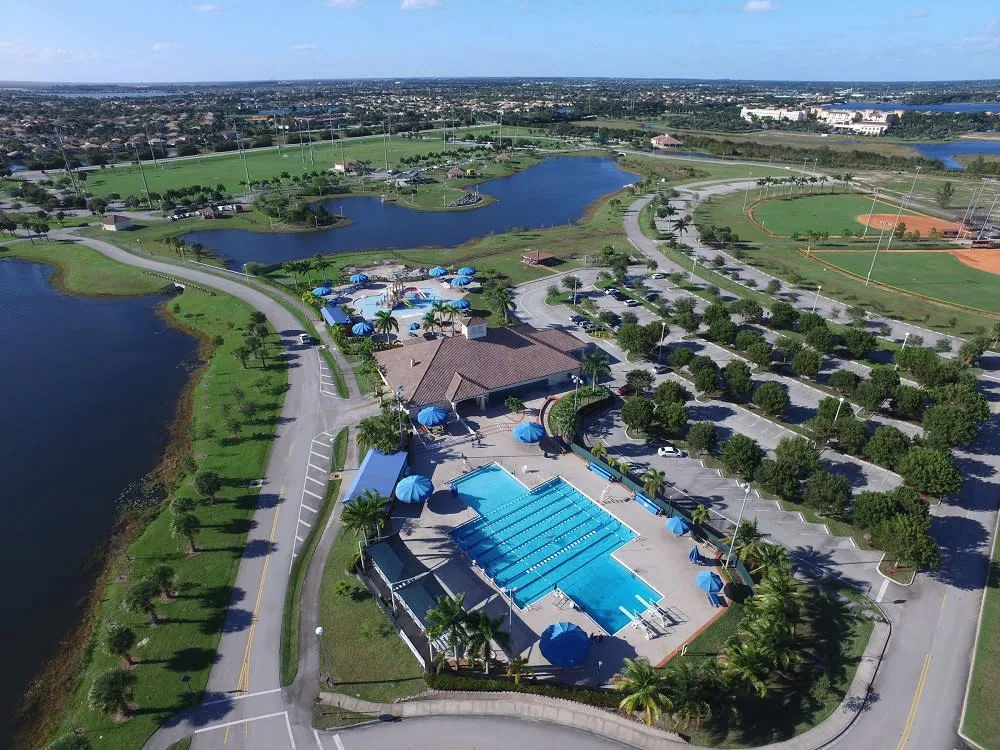
Miramar, Pembroke Pines, Davie, Hollywood, Opa-locka, Miami Gardens, Miami Lakes and Doral in Broward and northern Miami-Dade County.
Request a Roof Assessment
Send the building address and what the roof is doing. We reply with a roof visit date and a written scope.