Wind Damage Roof Repair for Commercial Buildings in Miramar, FL
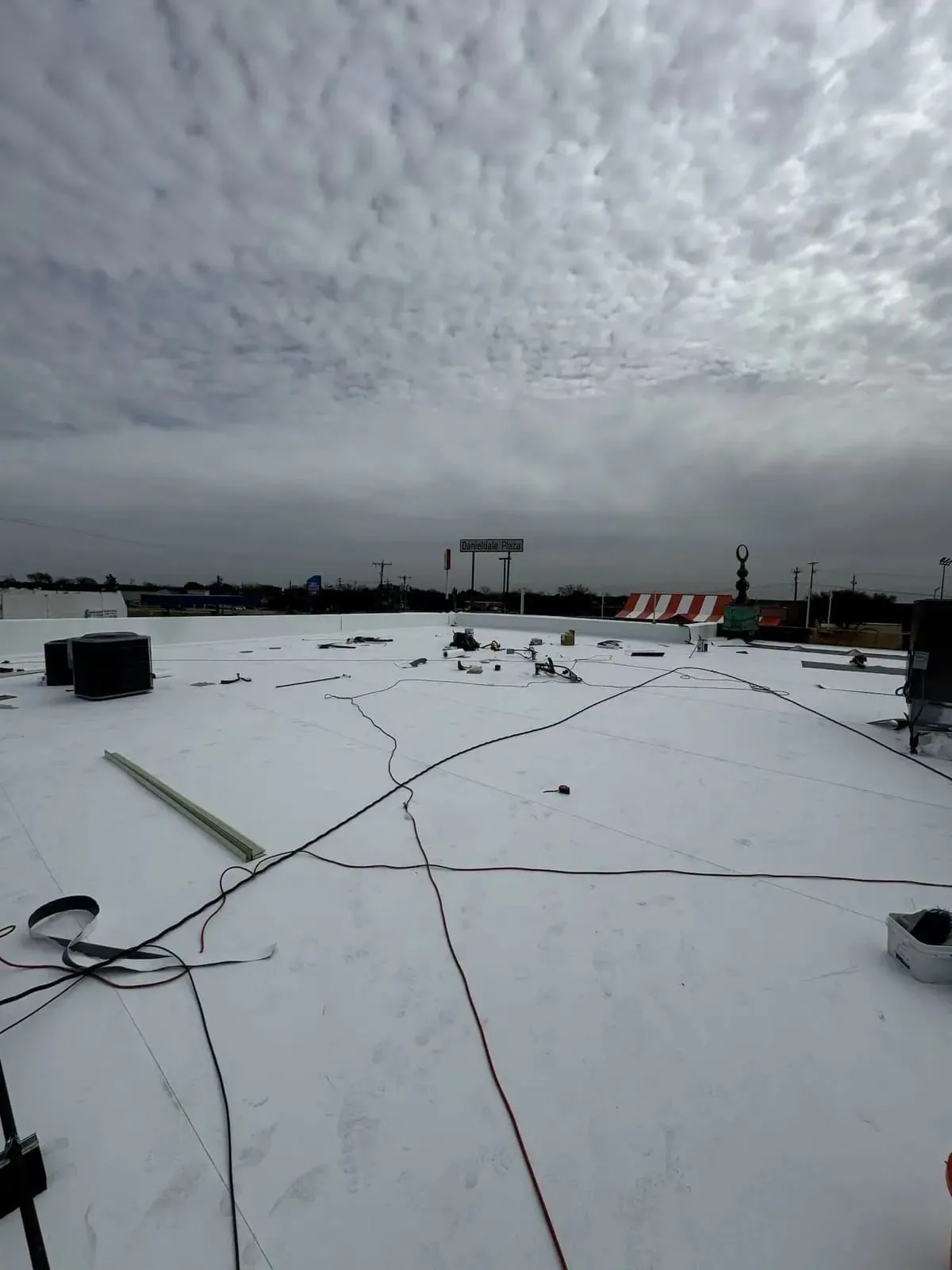
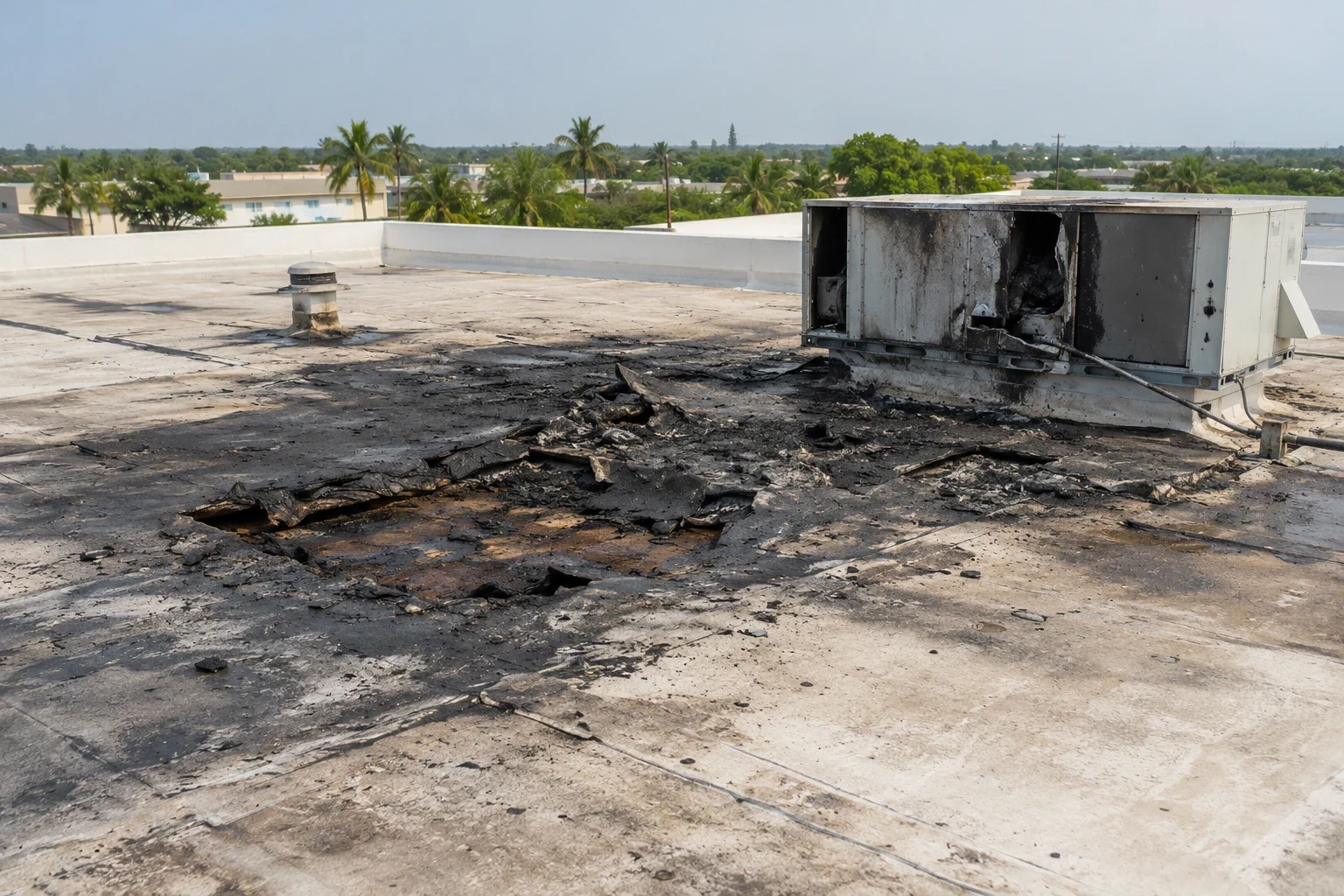
Wind can turn a loose edge into a roof opening. After a storm in Miramar, we check edge metal, seams, flashing and rooftop attachments before setting a repair boundary. The first question is where the roof may have lost continuity, not how much surface looks weathered from the ground.
We start with the reported area, event timing and any interior water entry. Then we inspect accessible roof sections for lifted membrane, displaced metal, split sealant, damaged curb flashing and debris that may have struck the surface. A commercial roof inspection ties photos to observed conditions and separates immediate work from items to monitor.
South Florida's flood, hail, tornado, temperature and wind hazards put roof attachment and rooftop equipment on the inspection list after severe weather. After severe weather, we inspect each roof’s attachments, perimeter and drainage, then connect the repair boundary to observed conditions and water entry.
What should the loading edge show?
The loading edge takes pressure where the roof meets the perimeter. We look for shifted metal, loose fasteners, opened seams and membrane pulled away from a termination. At corners and transitions, a small separation can admit water even when most of the surface remains in place. The photo record should show the edge, nearby field and direction of the observed damage. For a multi-zone roof, label each face and corner in the photos, then note which attachment or seam moved. The record lets the repair crew and facilities team discuss the same location before assigning follow-up work.
Service routing can use US 27 and US 441/State Road 7 across Miramar, while the Turnpike and I-75 are principal links; nearby connections include I-95, I-595 and SR 826. The property contact confirms its actual roof access and delivery route. If wind damage appears along several edges or penetrations, a hurricane damage review can organize the inspection without assuming one condition across every section.
Repair should restore the affected detail and tie into sound surrounding material. We identify whether metal replacement, membrane patching, seam work or another flashing detail is needed. The scope names its limits so an owner can distinguish repaired edges from adjacent areas that were not included.
Which rooftop attachments need a closer look?
Wind can test the connection between a roof and the equipment mounted through or above it. We inspect curb flashing, supports, pipe penetrations, conduit routes and nearby seams for movement or tearing. A unit that appears undisturbed from the ground may still have a shifted detail at its base. We document the roof-side condition and coordinate equipment work with the responsible mechanical contractor.
A damaged curb can create a water path and a service-clearance issue. Our curb and support review identifies the roof detail and equipment interface. The mechanical contractor authorizes unit movement; the roofing scope records flashing, membrane and access work around it.
If a roof has repeated wind-related concerns, checking only the most visible corner may miss a loose termination or opened seam elsewhere. We compare related roof zones, note differences in exposure and keep each repair boundary tied to the detail confirmed in the inspection.
How do you limit water entry after a storm?
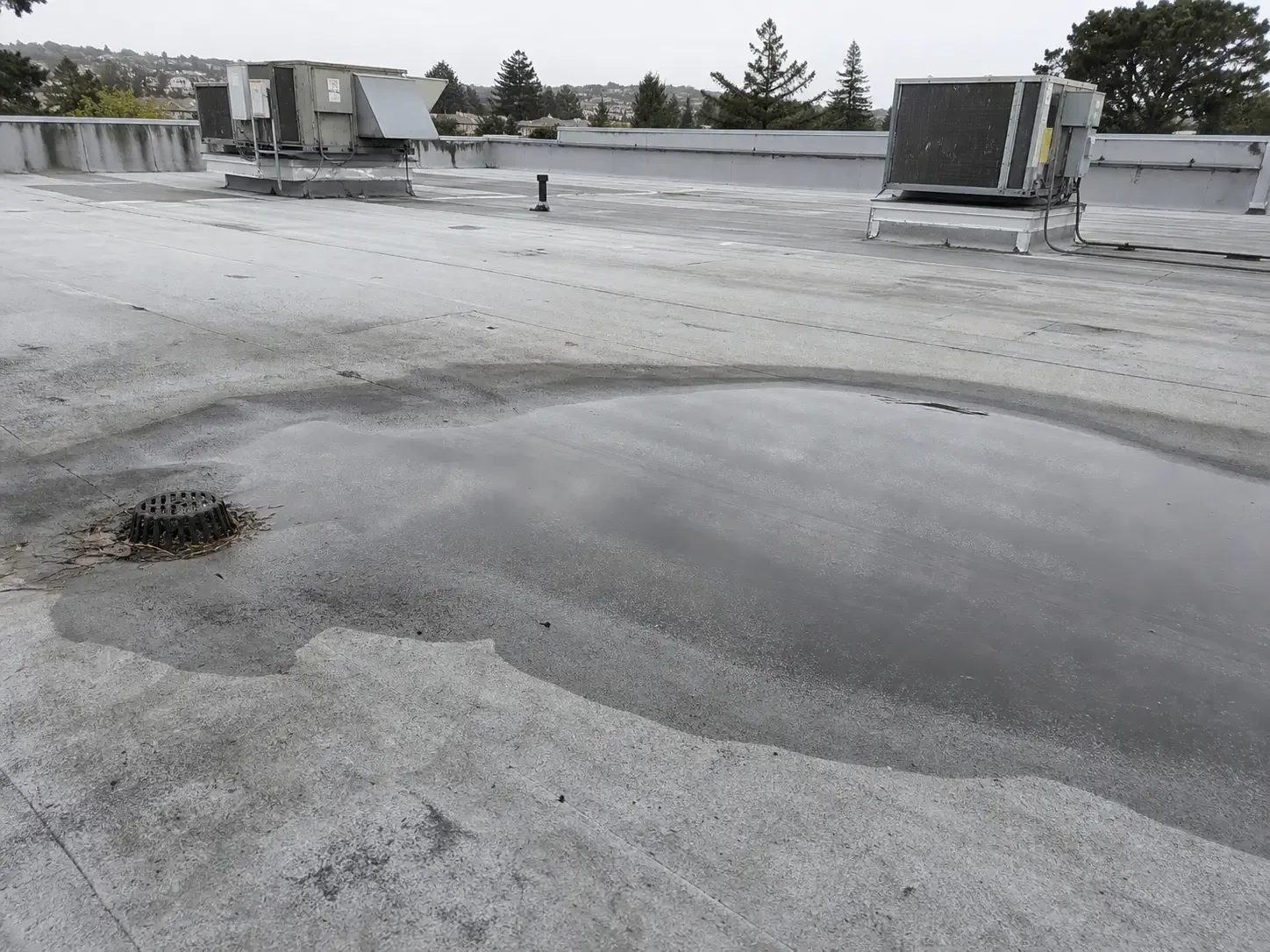
Temporary protection and permanent repair solve different problems. If water is entering, we locate the active path as safely as conditions allow and discuss an appropriate protective measure. A follow-up inspection can then define the material repair, check the surrounding drain path and record whether another visit is needed. After a wind report, record the affected roof zone, displaced details and interior signs before setting the inspection sequence.
Interior reports help set priority, but the stain may not sit below the opening. We compare its location with seams, penetrations, drains and walls above. If the path remains unclear, an infrared moisture survey may be considered when the assembly and conditions support that method. The survey scope should identify the area and question it is intended to answer.
For a property manager, the useful result is a photo record and repair boundary, not a vague statement that the roof was checked. We identify what was secured or repaired, what remains exposed and what should be revisited. That information helps coordinate tenant communication and decide whether to authorize follow-up work.
How does Miramar's exposure shape the check?
South Florida's storm environment makes edge details, rooftop equipment and drainage relevant inspection points. For a roof with reported wind damage, document the affected area, water-entry path and temporary protection before defining permanent repairs. After severe weather, inspect attachments and perimeter details at the property and tie the work boundary to observed conditions.
Miramar spans from the Everglades on the west to State Road 7 on the east, and Miami-Dade County borders its southern side. For a wind review, we verify the building address and entry instructions before planning the roof inspection. After documenting the perimeter, compare the affected face and roof zones with a protected area that did not show movement. Record edge attachment, flashing condition and any wet insulation separately; the repair boundary should follow those observations.
When a storm affects several properties, we keep each address and roof area distinct in the record. For work in the Miramar service area, share the building location, roof-access process and reported damage so the inspection can focus on the relevant roof zone.
More about Wind Damage Roof Repair
When should the repair scope widen?
A localized repair may fit when inspection finds a defined opening and the surrounding material can support a sound tie-in. If damage crosses roof zones, recurs at several details or reveals broader deterioration, the owner may want a wider assessment before approving isolated patches. We explain the evidence and proposed limits so the decision follows the roof condition rather than the storm label.
Where a seam has opened, metal has shifted or a penetration detail has failed, the repair method follows that assembly. A replacement discussion may fit when conditions extend beyond a practical repair boundary. Our commercial roof repair and replacement assessment can frame those alternatives after a site review.
Keep the initial report, inspection photos, approved work and closeout details together. Label each roof zone clearly so a later visit can compare the same edge or penetration. If another weather event occurs, that record shows what was addressed and where a fresh check should begin. A tornado damage follow-up can organize observations by roof zone for an owner review.
Commercial Roofing Questions
What should a manager report after wind affects a commercial roof?
Share the event timing, affected area, interior water entry and visible debris or displaced material. Identify access limits and a site contact. We inspect the roof before deciding whether temporary protection, repair or a wider assessment fits.
Can the roof be inspected before all weather has cleared?
Safety and roof conditions control access. We review the reported concern and determine whether a safe inspection or protective step is possible, then document permanent repair needs when conditions allow.
Does loose edge metal mean the entire roof needs replacement?
Loose metal is a condition to evaluate, not a full-roof conclusion. We inspect the perimeter and related transitions, then compare a defined repair with broader work only if the findings support it.
How are rooftop units handled during a wind repair?
The roof detail at each curb or support should be inspected, with equipment movement or service assigned to the appropriate trade. We define the roofing work and coordinate access rather than disturbing an operating unit without approval.
What records should be kept after wind damage is repaired?
Retain the reported location, labeled photos, approved scope, areas repaired and applicable closeout information. That record helps distinguish completed work from a new condition after later weather.
Miramar, Pembroke Pines, Davie, Hollywood, Opa-locka, Miami Gardens, Miami Lakes and Doral in Broward and northern Miami-Dade County.
Request a Roof Assessment
Send the building address and what the roof is doing. We reply with a roof visit date and a written scope.