
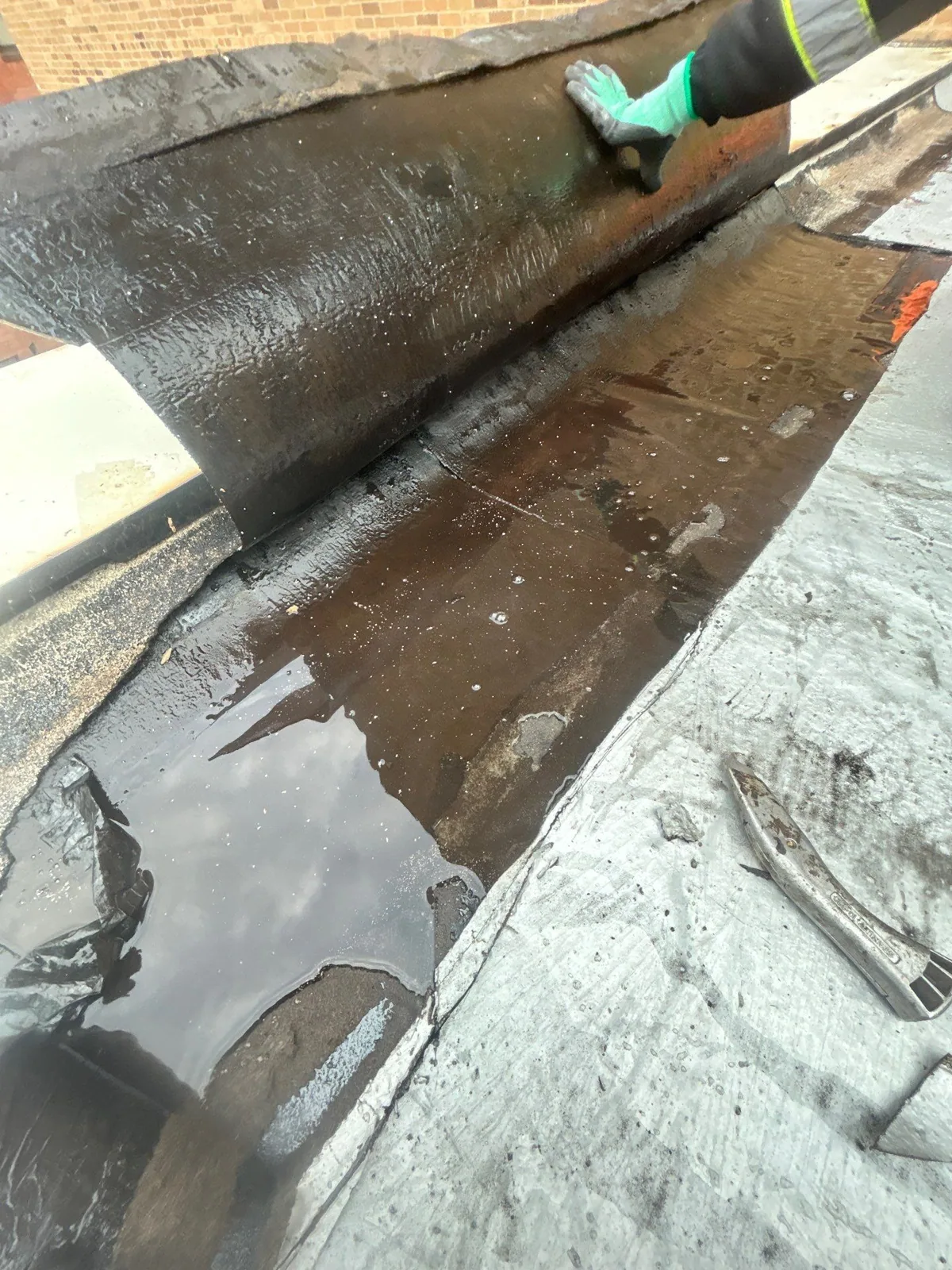
Commercial Roof Membrane Puncture Repair in Miramar, FL
A puncture can be hard to spot once tools, gravel or rooftop traffic have moved on. The opening may be a cut, impact mark or small hole near a service route. We inspect the suspected area and the membrane around it, then identify whether the damage is isolated or tied to a broader repair concern.
For a Miramar commercial roof, we ask what activity occurred, where equipment or materials were handled and when the leak appeared. We look for exposed reinforcement, a crease, displaced ballast, damaged coating or a patch that has begun to lift. A roof inspection connects those observations to the assembly and the owner's reported concern.
The repair boundary should cover the damaged material and enough sound area for the chosen method to tie in. We document the puncture and nearby seams, drains or penetrations that could affect water movement. A small opening may call for a defined patch, while wet insulation or a damaged substrate can change the scope.
Where did roof traffic cross the membrane?
Service paths around HVAC units, access hatches and maintenance points deserve a closer look after a puncture report. We inspect the route for sharp edges, dropped fasteners, tool marks and compression around supports. The goal is to find a plausible opening and identify whether nearby traffic created more than one damaged spot.
I-75 and the Turnpike orient regional travel to Miramar; the site contact confirms the roof hatch, equipment route and entry rules for this visit, including whether another trade worked nearby. Our equipment curb and support review can help sort roof-side damage from equipment work.
Where a puncture is near a seam or curb, we inspect both details. A patch placed across an unstable seam may not hold the repair boundary. The owner should see where the crew will prepare, what material will be replaced or reinforced, and what adjacent surface was left outside the approved repair.
What may be wet below the opening?
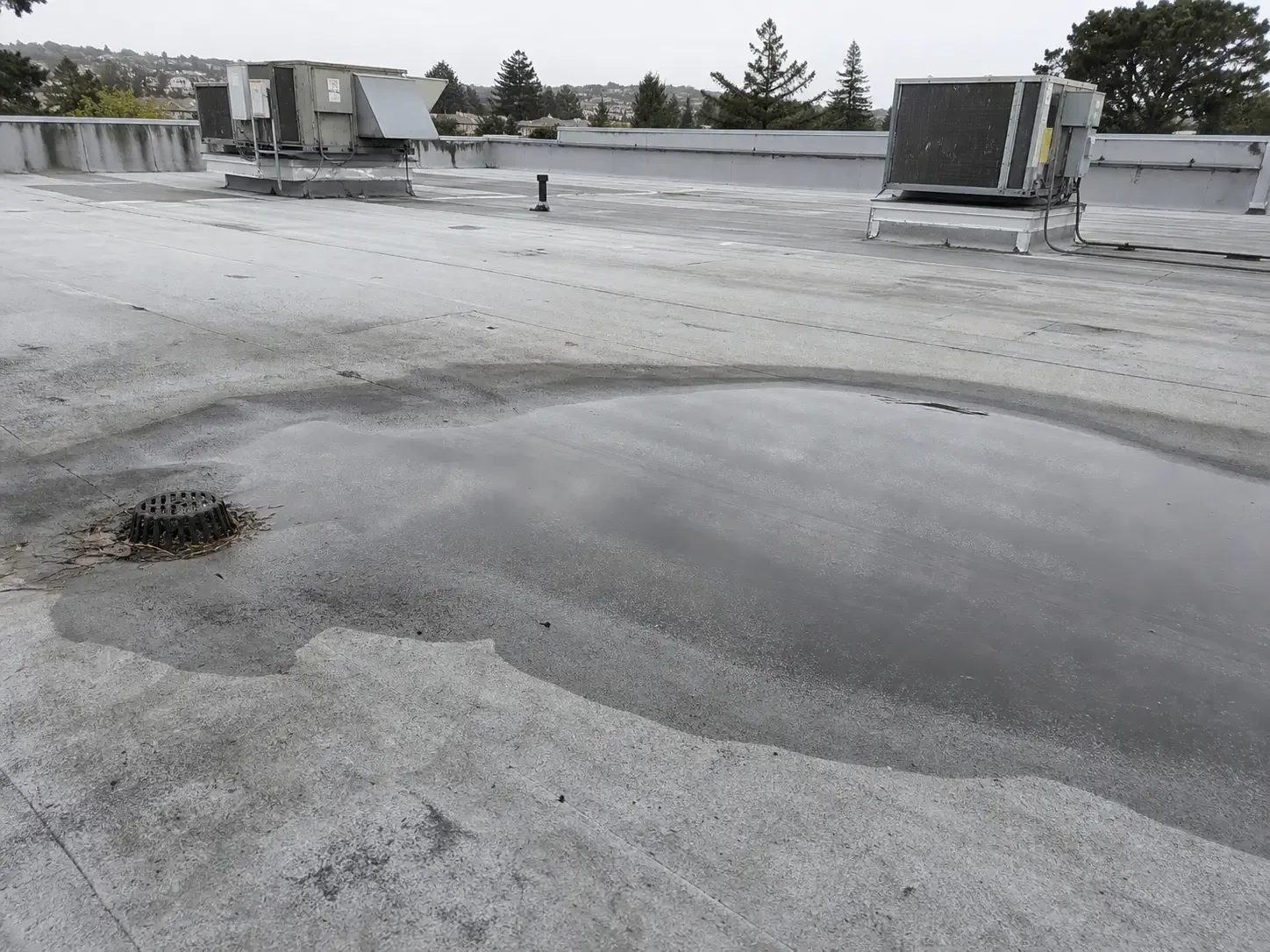
Water can move under a membrane before it reaches the ceiling. We compare the puncture location with interior reports, roof slope and nearby drains, then note what the accessible surface supports. If moisture may extend beyond the visible hole, a moisture survey can be discussed when the assembly and conditions are suitable.
The report identifies the survey boundary, recorded readings and any test opening needed to inspect concealed layers directly. We explain the method and approval points before recommending additional work. If water is actively entering, emergency roof repair can address urgent protection while the permanent patch is planned.
We also review drainage near the puncture. A roof drain that is blocked or a low spot that holds water can keep a repaired area wet longer, while runoff from another detail may cross the damaged surface. A ponding-water review can help distinguish an opening from a drainage condition that needs its own scope.

How do you build a sound patch?
Repair depends on the membrane type and the condition of the surrounding field. The crew prepares a clean, dry, stable surface, removes material that cannot support a tie-in and installs a compatible patch or detail. Welded systems require the right preparation and seam technique; other assemblies may use a different repair method.
At a coated roof, a puncture may break the coating and the underlying membrane. We inspect the substrate before discussing a new coating layer. If the assembly is suitable, the scope can describe cleaning, repair, reinforcement and coating restoration as separate steps. A coating restoration scope lists substrate preparation, reinforcement and finish work as separate steps.
A good closeout identifies the patch location, materials and any condition discovered as the surface was prepared. We photograph the completed tie-in and note the surrounding roof area so later maintenance can return to the same spot. The owner can retain the photo record and compare it with later maintenance. If the crew finds wet insulation, corrosion or a larger tear, we document it and seek approval before expanding the work.
What does weather change before a puncture repair?
NWS South Florida’s hazard outlook includes rain-producing and wind conditions relevant to roof work. For a membrane puncture, confirm the repair zone is dry enough for the specified patch before opening the membrane. For a membrane puncture, precipitation timing is the immediate constraint: the repair zone must be dry enough for the specified patch or cover strip. Wind affects how materials are carried and whether temporary protection can be secured. Before opening the membrane, we compare the forecast with conditions on the roof and the repair method. After a weather event, inspect the reported roof zone, drainage path and interior water entry before setting a repair boundary.
In Pembroke Pines, commercial development concentrates along Pines Boulevard and northwest industrial areas connect to US 27 and I-75. For a roof in the Miramar service area, record the affected roof section, interior area, lingering moisture and recent trade access. The field review follows the membrane and adjacent transitions to set the repair boundary.
If other trades have crossed the roof, give us their work dates and any equipment moves. A puncture beside a recent installation may call for a different inspection path than damage with no known roof access. We photograph the affected membrane, check adjacent seams and transitions, and define the repair boundary from observed conditions rather than assuming every opening has the same cause.

More about Commercial Roof Membrane Puncture Repair
When does a puncture call for a wider review?
One clean puncture may be a bounded repair. Multiple marks along a service route can indicate a protection or access issue that should be addressed alongside the patch. We can identify damaged spots, review whether walkway or equipment clearance changes are needed and keep any non-roof work with the appropriate trade.
If a puncture joins an open lap, the seam may need its own repair. A seam failure assessment can clarify that condition. If wind or debris may have caused the damage, a wind damage roof check can examine related edges and attachments. Each route points to a distinct roof condition, so the owner can compare findings without assuming one cause.
Repeated punctures, wet areas or deterioration across a roof zone may justify a broader inspection before the next patch. A commercial roof repair scope can set out localized work, while a replacement assessment may be considered when conditions extend beyond repairable areas. We explain the evidence and decision points in the proposal.
Commercial Roofing Questions
What can puncture a commercial roof membrane?
Tools, fasteners, dropped materials or foot traffic over a vulnerable detail can damage a membrane. We inspect the mark and nearby access path to determine the visible extent and a compatible repair method.
Can a small puncture cause a ceiling leak later?
Yes, a small opening can admit water that moves before it becomes visible indoors. We compare the reported room with roof seams, drains and penetrations, then document the likely repair area and any uncertainty.
Should roof traffic routes be changed after a puncture?
The property team can review how technicians reach equipment and whether a designated path or protection is appropriate. We identify roofing concerns and coordinate any access changes with the manager and equipment vendors.
Does a puncture patch require removing insulation?
Not in every case. The observed membrane and any evidence of moisture determine whether a surface repair is enough or further inspection is needed. We explain the basis for the proposed boundary before work.
What details should a puncture repair record include?
Keep the location, photos, repair method, approved area and any nearby condition noted during preparation. That record can help a later crew distinguish the repaired opening from new damage.
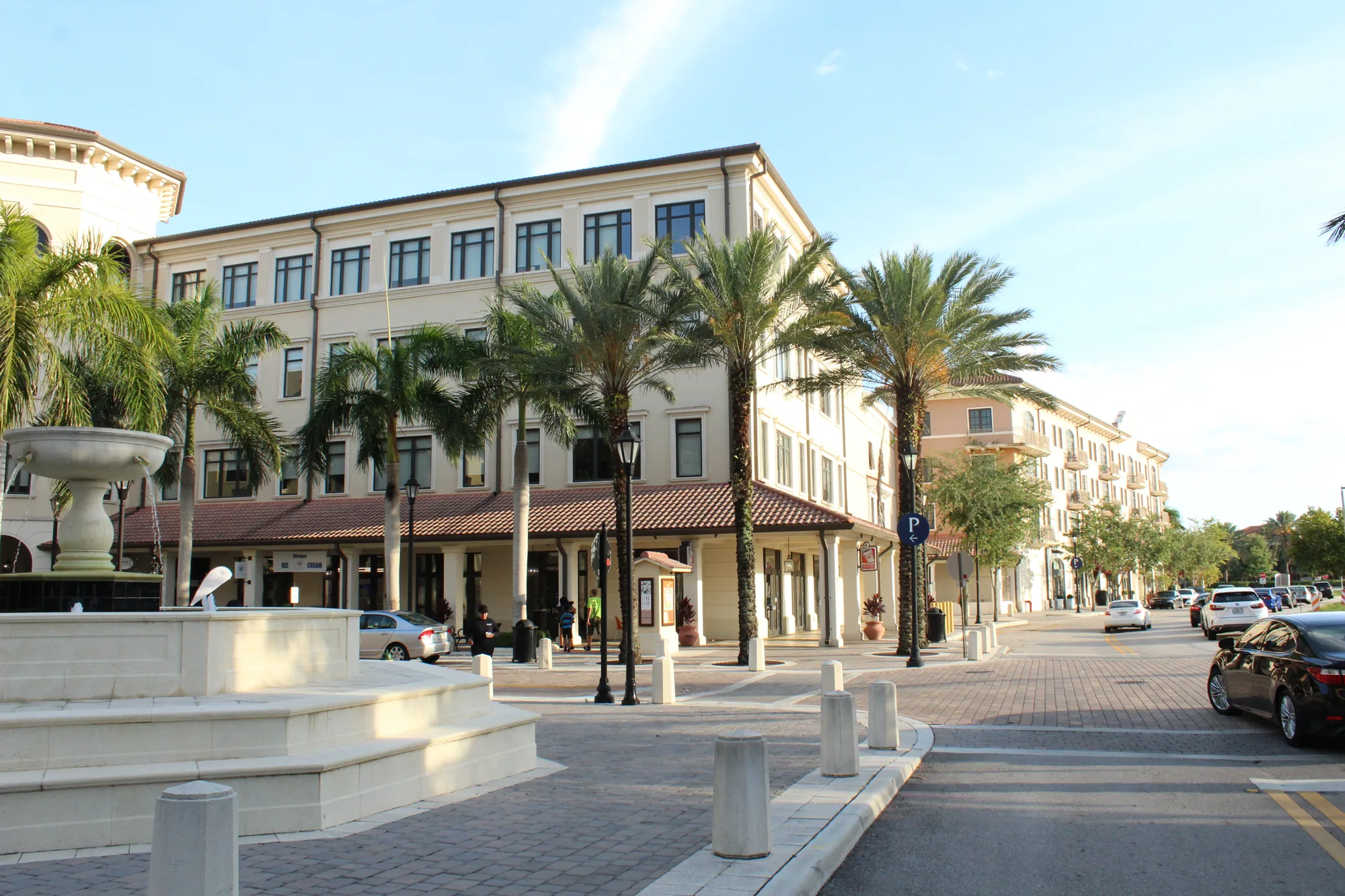
Miramar, Pembroke Pines, Davie, Hollywood, Opa-locka, Miami Gardens, Miami Lakes and Doral in Broward and northern Miami-Dade County.
Request a Roof Assessment
Send the building address and what the roof is doing. We reply with a roof visit date and a written scope.