Commercial Roofing for Insurance Restoration in Miramar, FL
After a storm or sudden leak, a restoration team may need a roofer to document the exterior condition, protect an opening and define repair work. The roof report should distinguish visible damage from pre-existing wear, concealed conditions and items that need testing. We record the area reviewed, photographs, access limits and observed details such as seams, flashings, drains, curbs and edge metal. The record links each photograph to a roof zone and proposed repair boundary so the restoration team can review the same conditions.
Miramar connects to the wider road network by the Turnpike, US 27 and US 441/State Road 7; I-75 crosses the city, with I-95, I-595 and SR 826 nearby. Before arrival, confirm the property’s gate, roof ladder, staging point and access contact. A Miramar commercial roof assessment starts with the site and the reported issue.
What happens during an initial roof response?
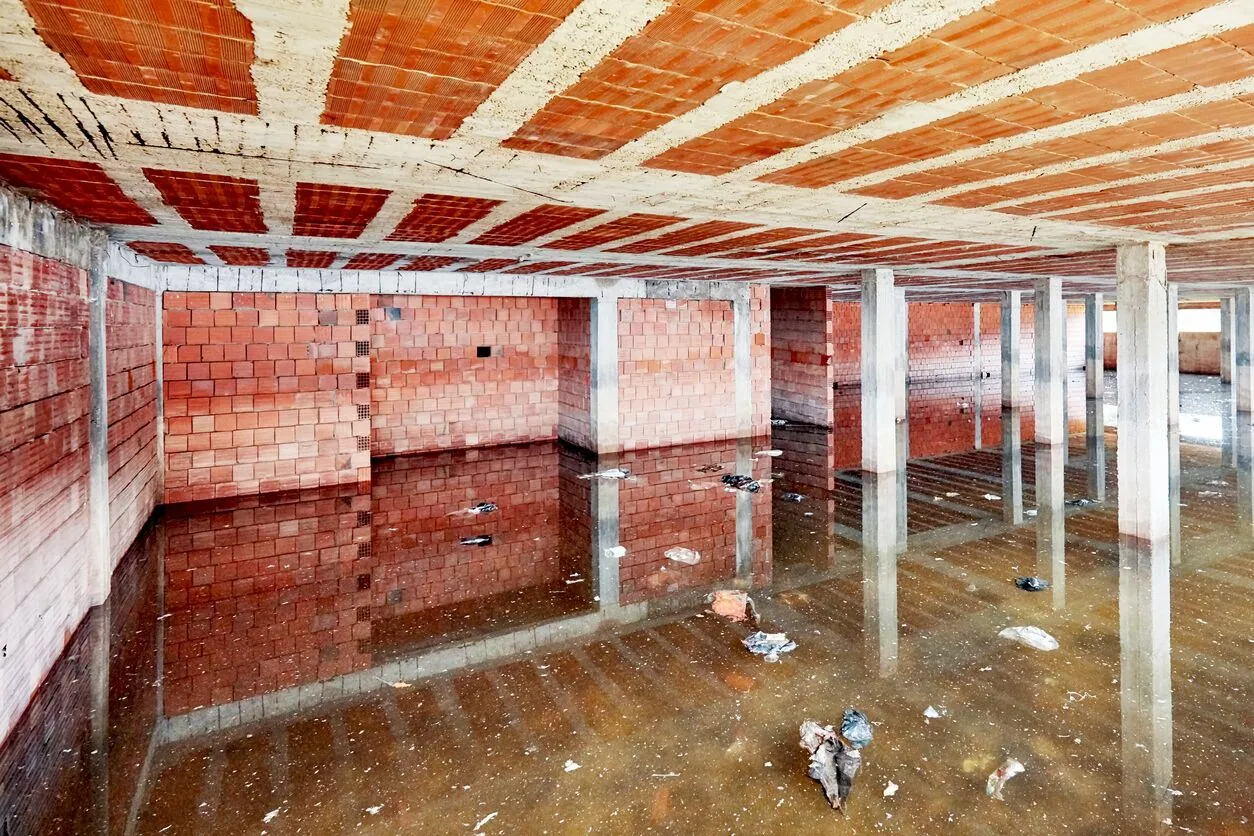
For active water entry, the property contact should protect people and contents below and report the location, timing and current status. We review safe access, inspect the reported area and nearby roof details, then document whether temporary protection is appropriate. For emergency work, separate temporary protection, the inspected area and permanent repair quantities in the written record. We identify access completed and any testing or follow-up still needed.
A hurricane roof damage review can record visible storm-related conditions without assuming every defect came from the same event. If access or weather prevents a complete inspection, we identify that limit and arrange the next review. Keep the first notice, weather timing and interior photos together; confirm inspection timing after the owner identifies the roof area.
What should the photo record include?
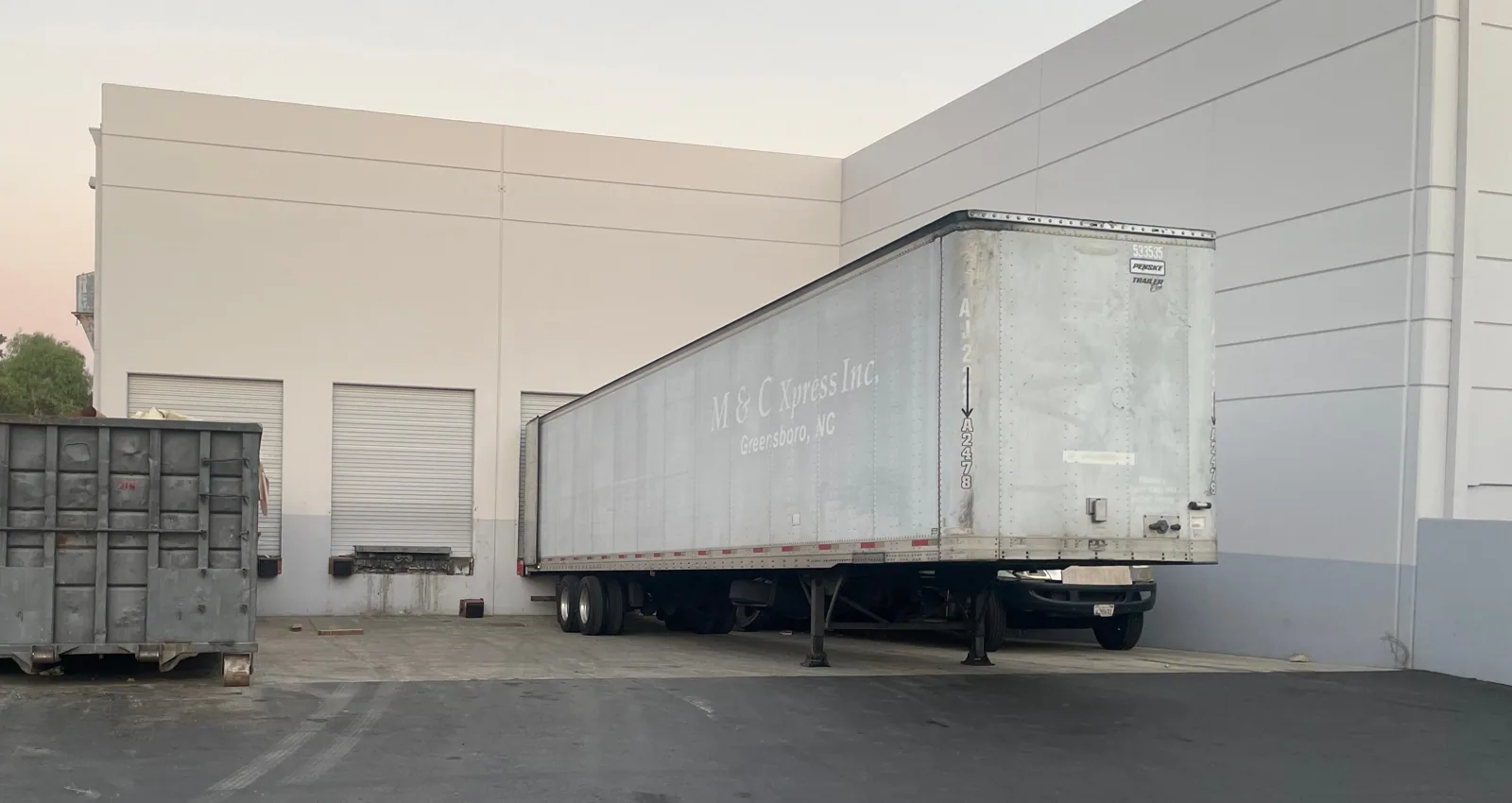
Photos are more useful when they show both context and detail. We identify the roof area, take an overview, then photograph the specific opening, displaced material, puncture, seam or flashing condition. Where practical, the record notes the approximate location, orientation, date and whether the image was taken before or after temporary work. Interior reports can be logged separately so a ceiling mark is not mistaken for the roof opening itself.
The report states what was observed, what could not be seen and which follow-up would reduce uncertainty. A commercial roof inspection can evaluate conditions beyond the first reported point. If moisture or concealed layers need confirmation, we identify the test area and approval needed before opening the assembly. The report labels observations, tests and working hypotheses separately so each proposed task has a clear basis.
How is roof damage separated from other work?
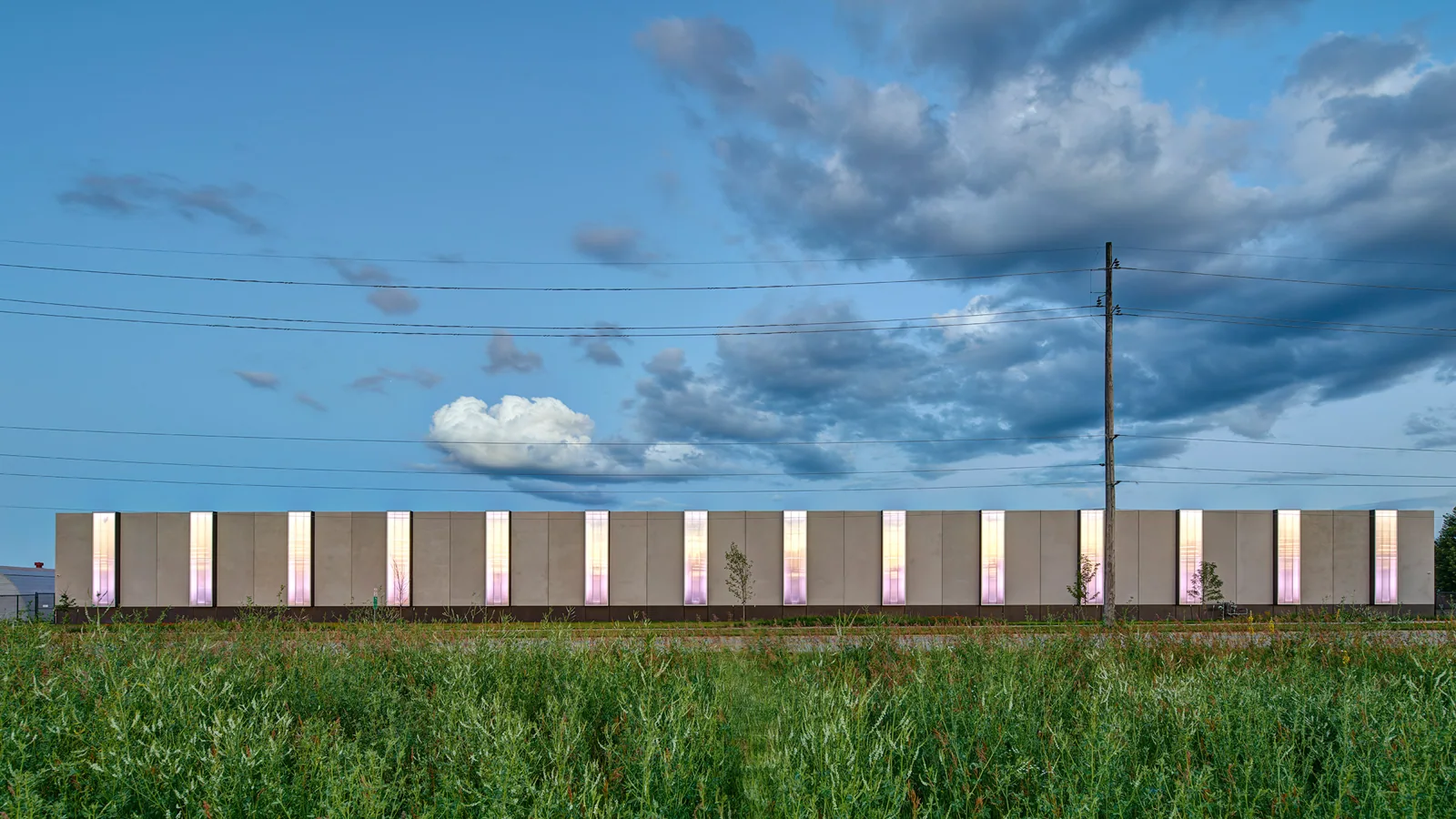
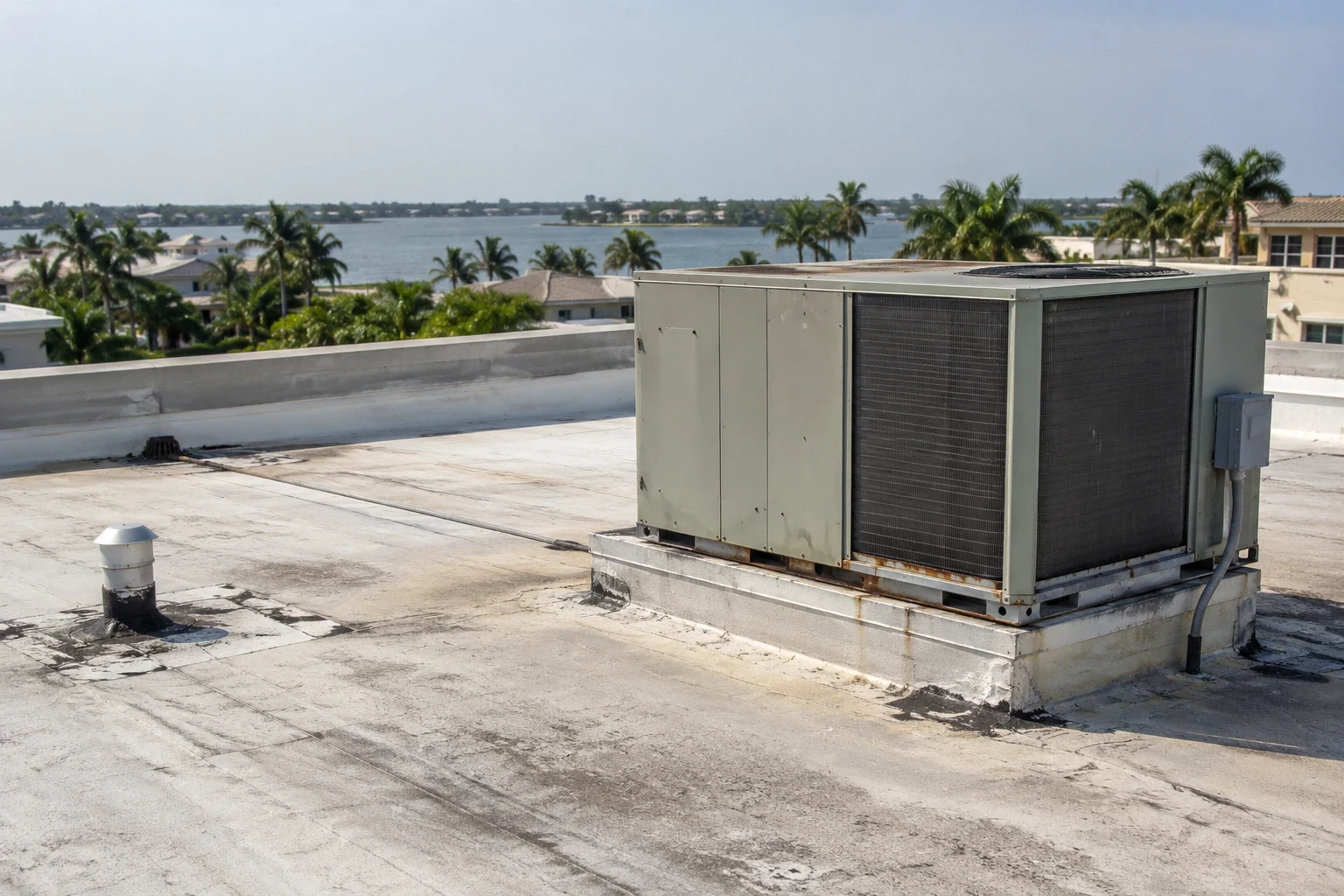
Restoration projects can involve roofing, insulation, deck, mechanical equipment, interior finishes and contents. We define the roof work area and note interfaces that need another trade or owner decision. A curb may need mechanical coordination; a wet ceiling may need interior remediation; a deck opening may require structural review. The roofer's Diligence Notes can describe the observed roof assembly and proposed roofing work, while the responsible project parties decide how their scopes connect.
The Florida Building Code’s 8th Edition (2023) took effect December 31, 2023. For a permitted scope, the project team confirms applicable requirements and records the edition used in the review. A general contractor roofing coordination plan can clarify trade interfaces, while a curb and equipment review can document flashing and access details.
When is repair enough, and when should replacement be compared?
A localized repair may be suitable when the material around a defect remains sound and the new flashing or membrane can tie into stable work. Repeated seam failure, widespread wet insulation, broad attachment concerns or a damaged deck may call for additional testing and a larger scope comparison. We document the observed area and avoid extending quantities beyond evidence from inspection, drawings or approved test openings.
A commercial roof repair scope describes the repair boundary, preparation, tie-in and any access assumptions. A replacement assessment can compare removal and recover approaches when the conditions support that review. If other buildings are involved, a portfolio roof record keeps property observations separate instead of carrying one building's finding to another.
More about Insurance Restoration
How should regional weather information be used?
When a claim follows severe weather, we record the reported hazard separately from roof conditions, then tie each repair recommendation to what the inspection can show. After South Florida storm conditions, the restoration file should compare event timing with attachment, drainage and water-entry observations, while keeping suspected cause separate from what the inspection confirms. The team can align event timing, maintenance history and inspection notes, then identify conditions that require testing or permanent repair. We label observed movement and water entry separately from a suspected cause when evidence is incomplete.
After a tropical system, the site contact can note when the leak began, affected interior areas and any temporary measures already in place. We inspect accessible edges, corners, drains, penetrations and prior repairs, then photograph current conditions. A temporary roof protection option may be considered when an opening needs immediate cover, subject to safe access and the actual condition. Follow-up documents the protection and remaining work.
What should a restoration team provide?
Send the property address, reported area, date and nature of the event, known roof system information, safe access instructions and photographs already collected. Include the restoration team's scope boundaries and any deadlines for an inspection or estimate. During the initial handoff, identify who controls the roof hatch, whether an escort is required, where material can be staged and who can approve a change in the work boundary. Confirm a backup contact for weather delays or after-hours access. These details let the roofing crew plan around site rules and keep the work record attached to the correct roof zone. Record the inspection date and site contact with each photo set. If the building is occupied, identify the contact for interior access, notices and staging. We can then confirm what can be reviewed, what evidence is available and whether a test or second visit is needed.
Our written scope can list observed conditions, proposed roofing work, assumptions, exclusions and follow-up items. It can also name the report date, inspected roof zones, inaccessible areas and supporting photographs. If a restoration estimate uses a different work boundary, we can note the difference for the project team to reconcile. Keep revised scopes with their approval date so later work is compared with the current version, not an earlier draft. The policyholder and carrier handle coverage decisions; the roof file stays focused on inspection observations, recommended work, pricing and follow-up items.
Commercial Roofing Questions
Can your report determine whether insurance covers the roof work?
The carrier and policyholder evaluate coverage. Our report records roof conditions, photographs, repair scope and open testing items for their review.
What information helps assess a roof during an active loss?
Pair the reported leak location with current water entry, visible interior effects and safe roof-access details. The field review records observable conditions and the protection that can be considered. The repair scope is based on the inspected assembly and documented damage.
Will you separate storm damage from older roof wear?
We compare visible conditions with event timing, maintenance history and available test results. When age or cause remains unknown, the report marks that question for follow-up.
Can the roofer coordinate with a restoration contractor?
Yes. We can define the roofing boundary and coordinate access, sequencing and interfaces with the restoration team. Interior remediation, mechanical work, structural decisions and coverage determinations remain with the parties responsible for those scopes.
What if the roof assembly is concealed or wet below the surface?
Testing or an approved opening can expose concealed layers for review. We identify the method and approval needed before expanding the scope or revising quantities.
Miramar, Pembroke Pines, Davie, Hollywood, Opa-locka, Miami Gardens, Miami Lakes and Doral in Broward and northern Miami-Dade County.
Request a Roof Assessment
Send the building address and what the roof is doing. We reply with a roof visit date and a written scope.