Roofing for Retail and Restaurant Chains in Miramar, FL
A chain can have one leak above a stockroom and another over a kitchen exhaust curb, with different operating limits at each address. We connect the report to a roof zone, equipment detail and the room below before assigning work. Miramar’s city profile describes Fortune 500 employers and commercial redevelopment; its land-use map includes commercial, industrial, employment-center, office-park, regional-activity-center and transit-oriented categories. For local dispatch reference, US 27, the US 441/State Road 7 corridor and the Turnpike sit alongside I-75; I-95, I-595 and SR 826 are nearby. Pembroke Pines reports more than eight million square feet of retail development, adding nearby planning context to the chain's Miramar dispatch area. The chain supplies its property list so dispatch can assign each visit to the correct building and local contact.
We coordinate access, delivery windows, interior protection and equipment trades with the store contact. A chain operations team can compare findings while keeping repairs grounded in each building. A Pines Boulevard area review provides nearby retail context. A property management record can keep owner approvals and tenant notices beside the roof condition.
What changes between store formats?
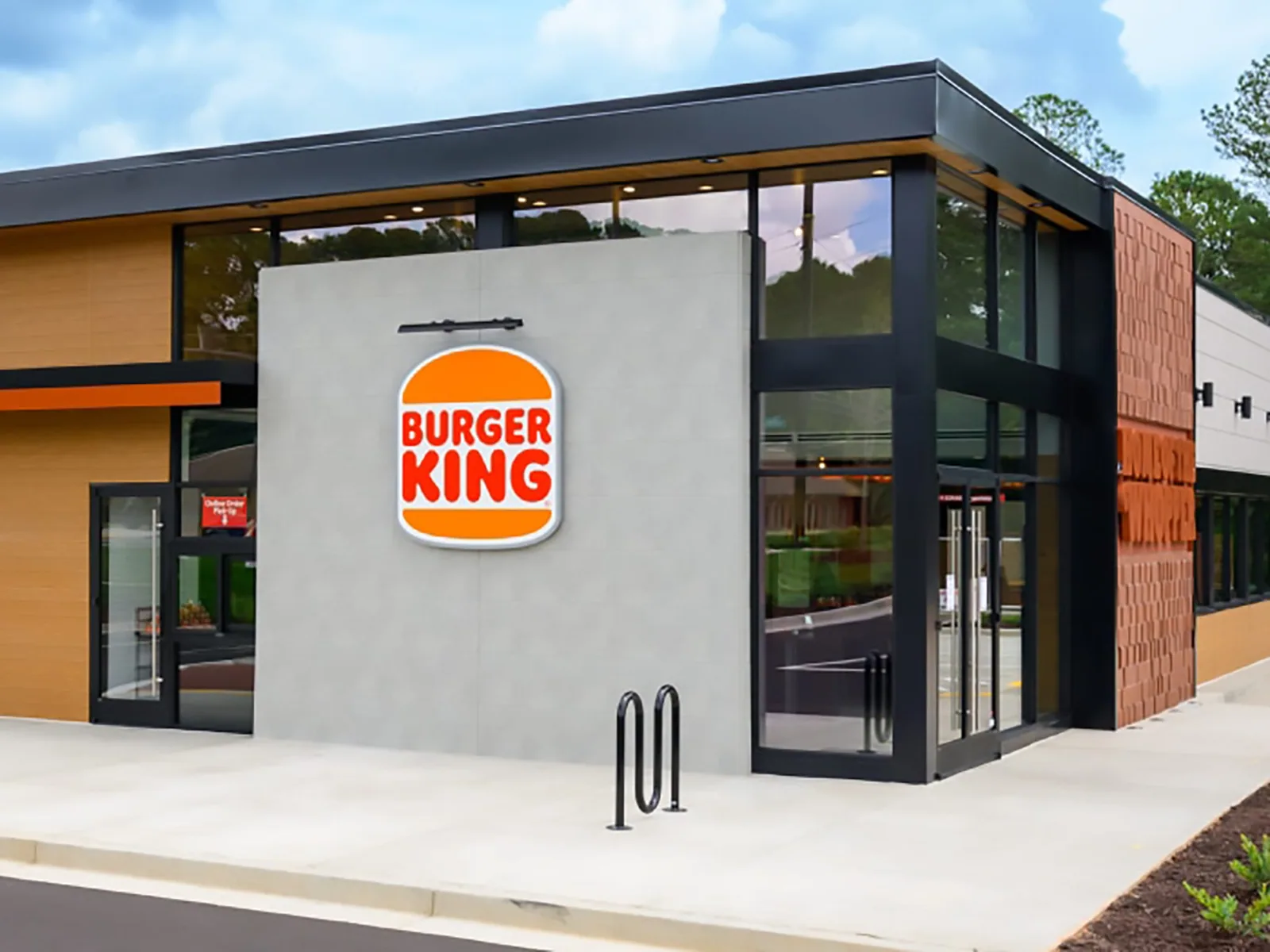
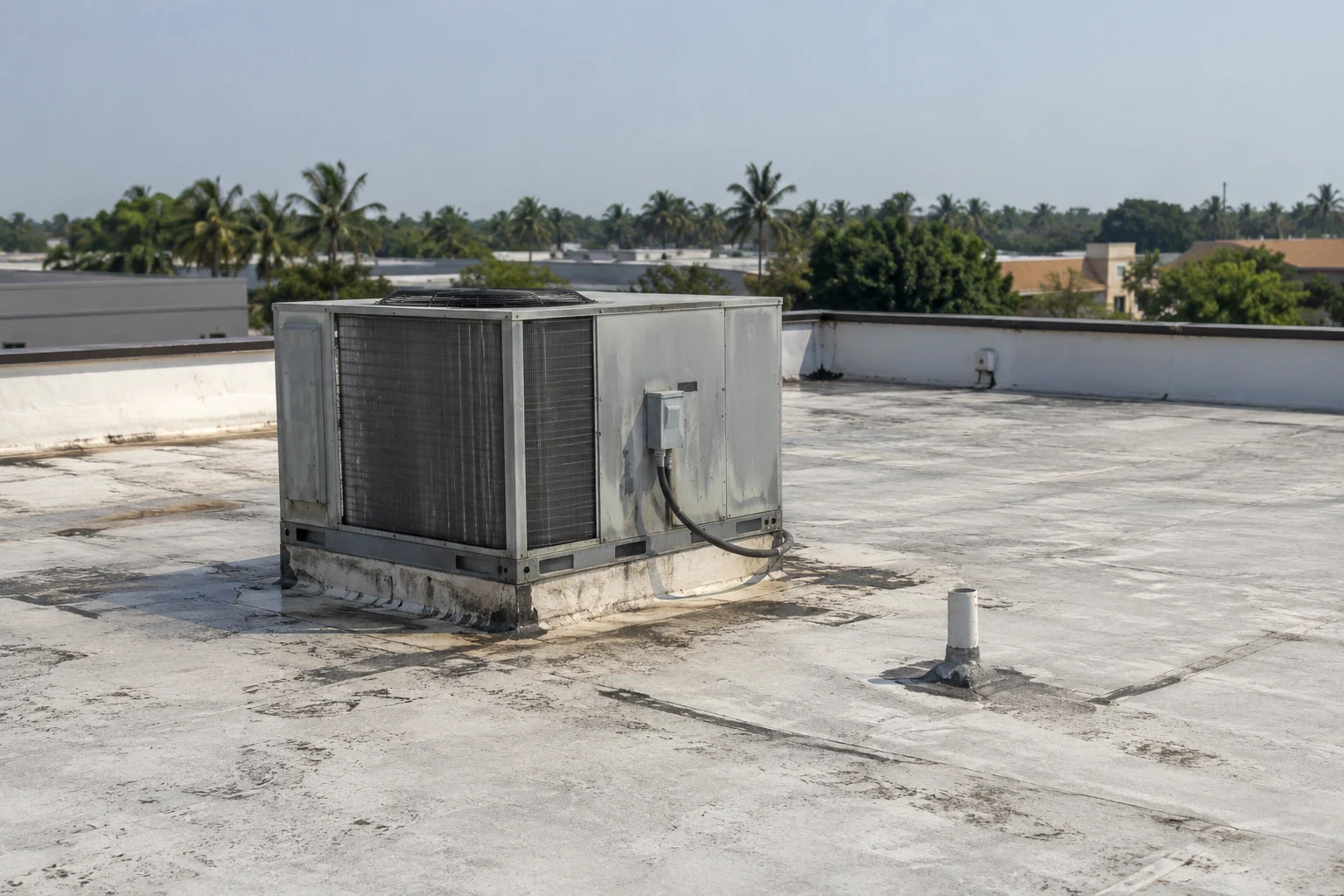
A restaurant roof can concentrate penetrations at exhaust, supply air and grease duct. A grocery property may have refrigeration equipment, while a general merchandise store can have a large field and long perimeter. We identify the actual equipment, drains and membrane before setting scope. Store format is a starting question, not a substitute for inspection. The chain can supply standard operating requirements, but site access and roof details are confirmed location by location.
A restaurant roof plan can address kitchen work windows, and grocery roof coordination can help with refrigeration and stock protection. For a multi-tenant shopping property, a shopping center scope also accounts for shared access and nearby suites. We identify what can remain open and what needs a temporary restriction while the repair is underway.
How can the chain keep locations consistent?
Use a common record for each property: reported area, roof zone, observed detail, photos, repair boundary, access needs and follow-up. That gives the regional manager a consistent way to review work without assuming all roofs share one assembly. A local repair may be complete at one store while another needs a moisture test or replacement comparison. We keep confirmed findings separate from questions that require opening the roof.
For a chain, we compare each address by observed roof condition and service interruption rather than averaging work across a portfolio. Regional routes inform dispatch planning; the store confirms its receiving entrance, security process and work window. We can group visits by region while retaining a separate scope and closeout at each address. A multi-location roof program can keep photos, work status and priorities together for the chain.
What happens when a store reports active water?
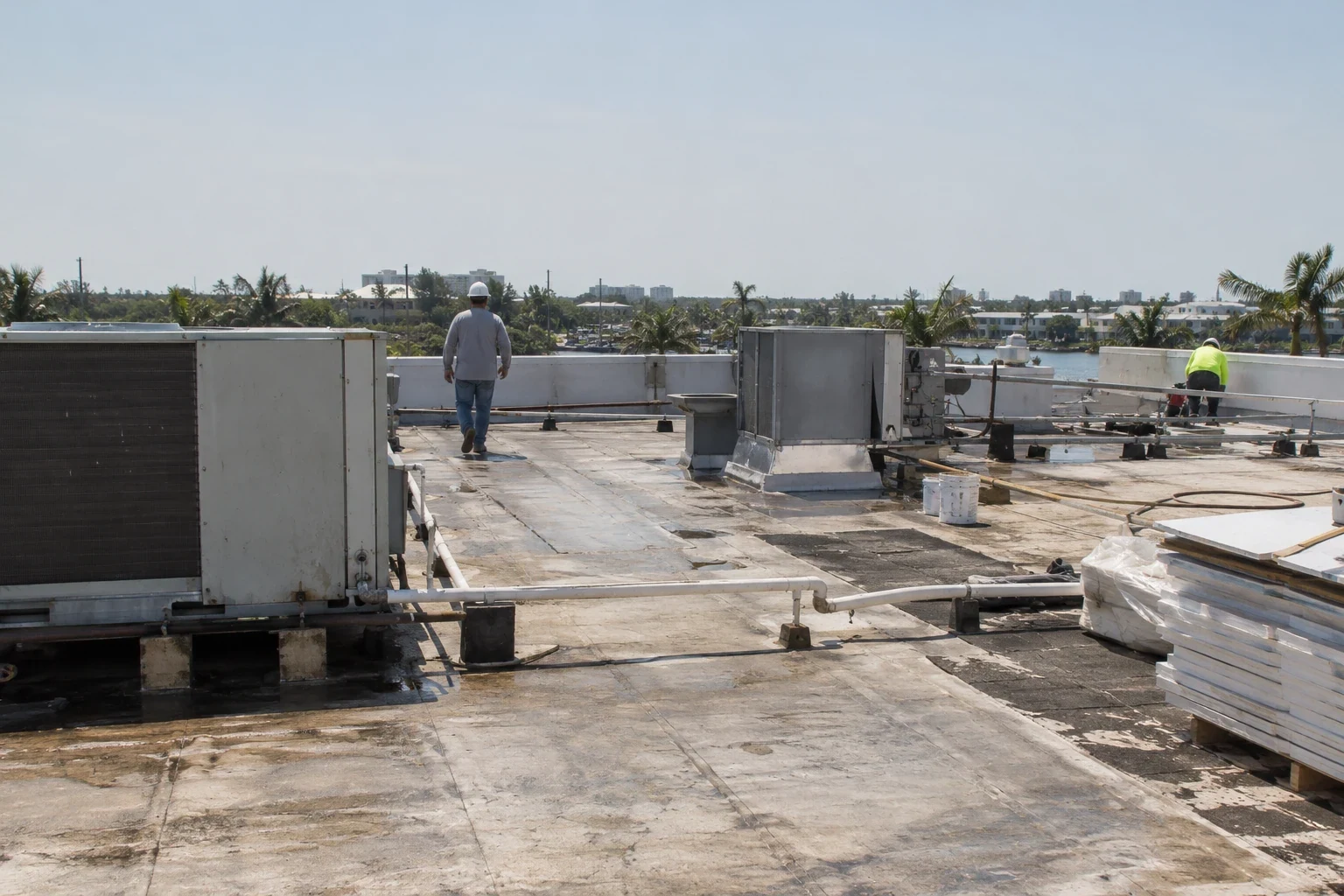
We need the store location, room or work area, when water began, whether it is still active and a contact who can authorize roof access. Protect the affected area below and keep people clear of any ceiling material that appears unstable. The crew inspects the likely roof zone, checks drains and penetrations, and documents temporary protection before pricing the permanent repair.
A stain may be several feet from the entry point, so we trace the route across seams, curbs and transitions. If wet insulation remains concealed, a test opening can establish how far removal needs to extend. Protect food-service and customer areas by noting the leak zone, exhaust equipment and delivery window before repair planning. For each location, an emergency roof repair estimate lists temporary protection, access limits and follow-up at that store. A follow-up inspection record shows which repairs are complete and which conditions need further testing.
Which store zones need a post-storm check?
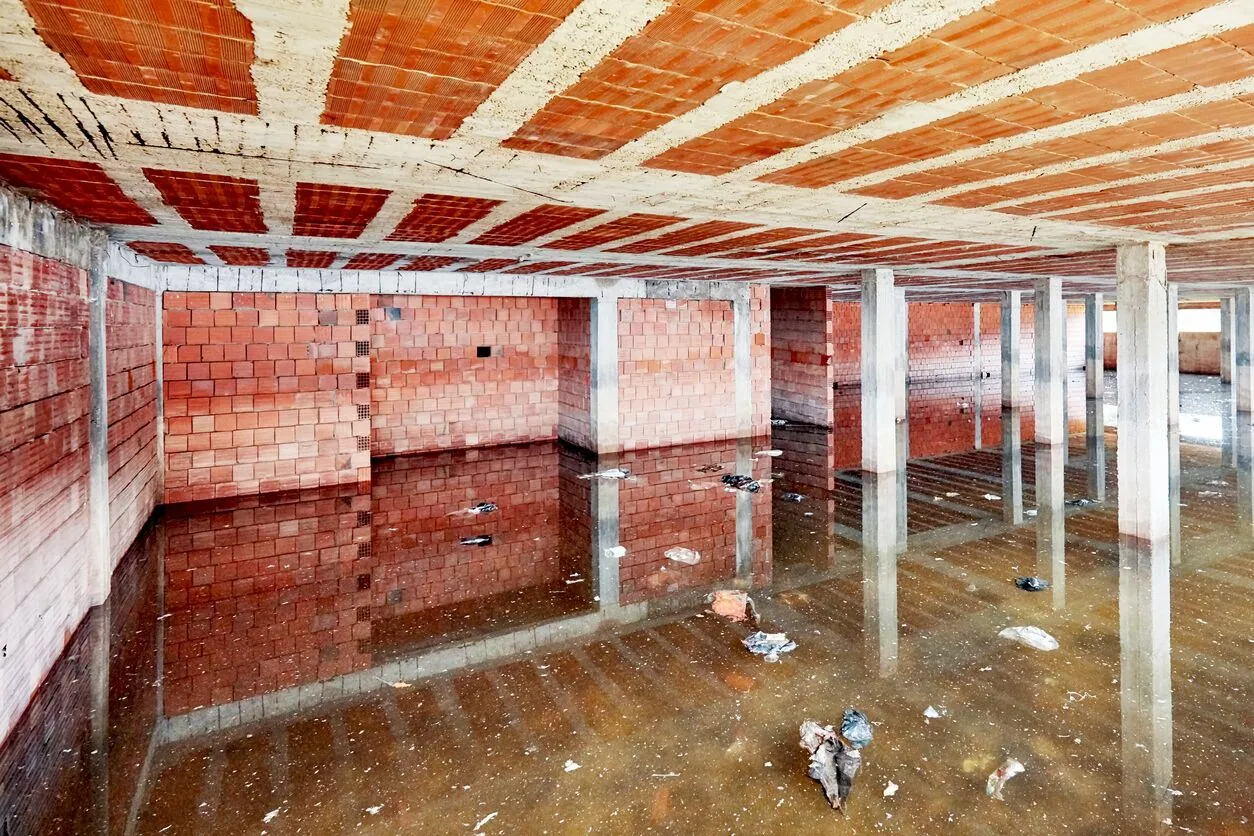
When a district manager reports rain entering a branch, capture the store identifier, time, room below and whether water is still arriving. The regional team can compare incoming reports without treating nearby locations as though they share one roof condition. Ask the local contact to preserve photos and note interior effects before roof work starts. Dispatch can separate urgent containment from a scheduled review, while recording each property's access contact and delivery limits on its own.
Hurricane Katrina brought sustained winds around 80 mph to South Florida, with significant regional wind impacts. After a reported event, inspect attachment, seams, drains and curbs at the affected location. The store manager confirms the building, roof access, active leak and delivery window before dispatch; each record retains its address and findings. A storm roof review can document attachment, seams, drains and water entry at an affected store. Keep field observations distinct from an insurer's coverage decision, then select temporary protection or permanent work from verified conditions and the location's operating window.
More about Retail and Restaurant Chains
When should a repair become a chain budget item?
For a chain program, the trigger for capital review is repeated, confirmed failures across stores, not a single resolved service call. Compare each location's repair history, test results, roof area, service window and access limits. Keep urgent containment, completed repair, test opening and future renewal as separate budget lines. Regional operations can rank sites by documented condition and closure impact, but do not transfer one store's quantities or schedule to another. If the assembly supports recover, compare it with removal and list the assumptions that control each option. Record who approves added work, how follow-up reaches the local contact and which unresolved item belongs to each address.
What should the regional office receive?
The closeout file should include a roof plan with marked work, photographs, materials, repair limits, test findings and access notes. We identify the store and zone shown in each image. The regional office can compare those records across locations and see which items remain open. Keep temporary protection, permanent repair and maintenance observations distinct. A regional summary can show which stores have active leaks, which await testing and which have planned work. Each entry should retain its own photographs, approval and completion date. The operations team can use those records to route future calls and avoid repeating a completed inspection without new evidence. Ownership can compare work status without merging separate roof scopes.
A scheduled roof visit can check drains, seams, equipment traffic and edge metal before another store report interrupts operations. The manager can share calendar limits and equipment changes before dispatch. A hospitality roof program offers a comparison when the chain also operates lodging properties. Schedule a retail or restaurant roof review in Miramar. We will document conditions by store and clarify the next repair, test or renewal step.
Commercial Roofing Questions
Can you handle roof calls for several chain locations?
We can schedule inspections or repairs across multiple properties while recording findings separately by store. Each roof receives its own condition notes, photos and work limits. Regional reporting can summarize priorities without carrying a finding from one assembly to another.
What should store staff do when water is active?
Protect the affected area, report the room or work zone and whether water is still moving, then provide a safe roof-access contact. Do not send staff onto the roof. We inspect, document temporary protection and define the permanent repair after the roof condition is confirmed.
How do you keep a store open during roofing work?
We coordinate work windows, deliveries, lift placement and protection below with store operations. The daily opening stays within the area that can be secured before the shift ends. The property team communicates any customer or employee route restriction that affects the site.
Does one storm claim cover every store in the region?
A claim file should keep each building’s inspection, photographs, observed attachment movement, punctures, water entry and repair scope together by location.
How can the chain compare roof budgets by location?
Use consistent condition fields, repair quantities, access limits, testing needs and photos for each store. We separate immediate water-control work from maintenance and replacement candidates. That gives regional managers a clear basis to compare timing while keeping scope site-specific.
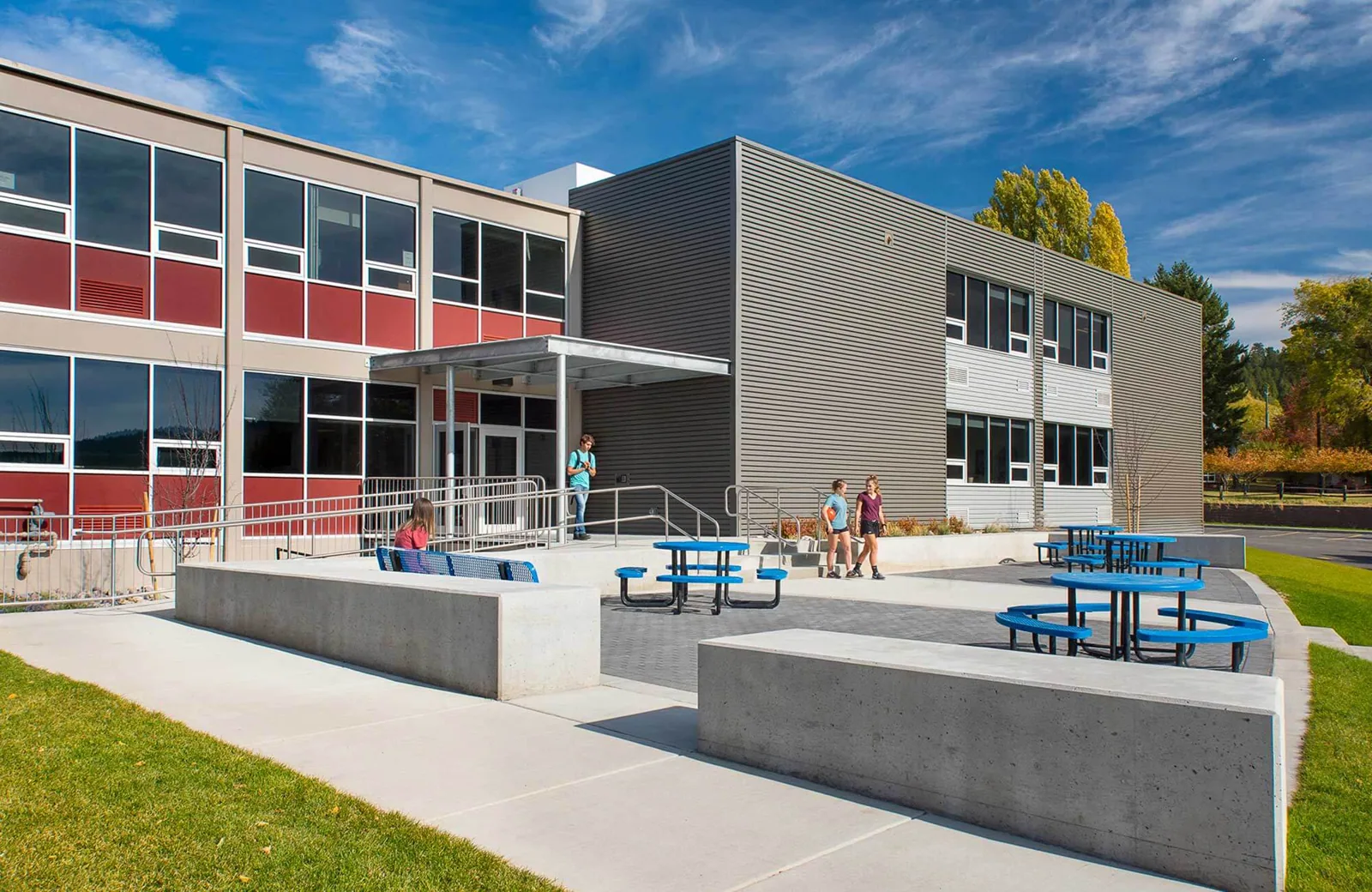
Miramar, Pembroke Pines, Davie, Hollywood, Opa-locka, Miami Gardens, Miami Lakes and Doral in Broward and northern Miami-Dade County.
Request a Roof Assessment
Send the building address and what the roof is doing. We reply with a roof visit date and a written scope.