Aircraft Hangar Roofing in Miramar, FL
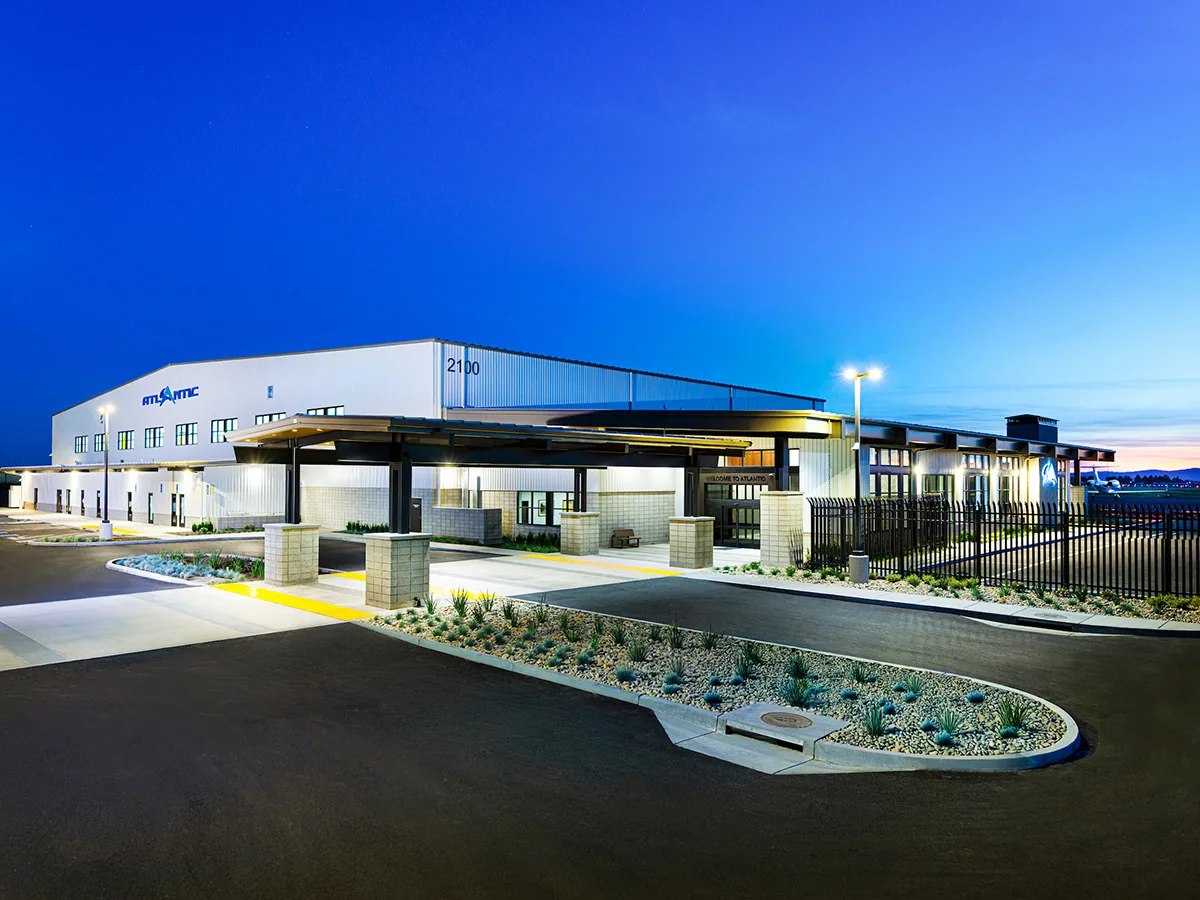
Hangar roof scope starts where the roof meets door tracks, moving panels, seals and the adjacent wall. A leak near the opening may reach equipment or stored aircraft before interior staining appears, so map the report to the door bay and roof zone. A Miramar hangar roof review can document the assembly and access rules for the authorized property. Inspect panel profile or membrane, edge metal, door transitions, drains and penetrations, then record access restrictions with the operations contact. US 27 and the Turnpike provide two broad route references for Miramar; the operator specifies the authorized gate, apron approach, and equipment staging for the hangar visit. The site contact confirms the authorized truck route and access rules. A commercial roof inspection can document the assembly. Confirm which doors must keep cycling and who can authorize a temporary closure before staging a lift or crew.
How do wide doors change the roof edge?
Hangar doors create a long opening with tracks, operators, seals, and support points. We inspect the roof edge above the opening, the adjacent flashing, and any joint where the wall or canopy meets the main assembly. Water entry may follow a loose termination or a failed transition, but the door system itself also needs clear movement. The inspection records each condition separately so roof repair does not obstruct door travel.
A large span can make drainage and structural deflection part of the same review. We check the roof plane, outlet details, scuppers, and evidence of water that remains after rain. Equipment supports and penetrations require clearance from moving parts and maintenance routes. A metal edge and coping review helps define whether the work is at the perimeter, the door transition, or both. The scope follows the assembly and the approved engineering details.
Work near a hangar door can affect aircraft movement, ground crews, or maintenance activity. The property contact identifies restricted zones, escort requirements, and the daily access window. We stage materials outside the path supplied by the owner and keep the open roof area within a secure limit. The plan names who can pause work if an aircraft operation or door repair changes the sequence.

What belongs in a controlled-access plan?
Hangar access has to account for the doors themselves. We mark the track, operator, travel range, adjacent membrane, edge metal, and any canopy transition before deciding where a crew can stage tools. The operations contact identifies which bays or door positions must remain available and how aircraft movement is communicated. We agree on a delivery path that avoids door travel and ground-equipment activity. If a lift is needed, the site team confirms a placement that does not cross an apron restriction or block a required lane. The crew divides the roof into sections that can be inspected, opened, protected, and closed within the approved window. A change in door or aircraft activity can stop that sequence, so the lead confirms that the roof zone is clear before proceeding. The daily record shows which door edge and roof section were completed, what remains protected, and which detail needs the next shift. Work on an operator or track belongs with the responsible door trade; roofing tie-ins remain in the roofing scope. The plan also separates crew access from aircraft support paths, with a direct handoff to operations before the shift begins. For a defense-controlled building, a military hangar roofing scope must account for approved access and operating windows.
Where can water hide in a large-span roof?
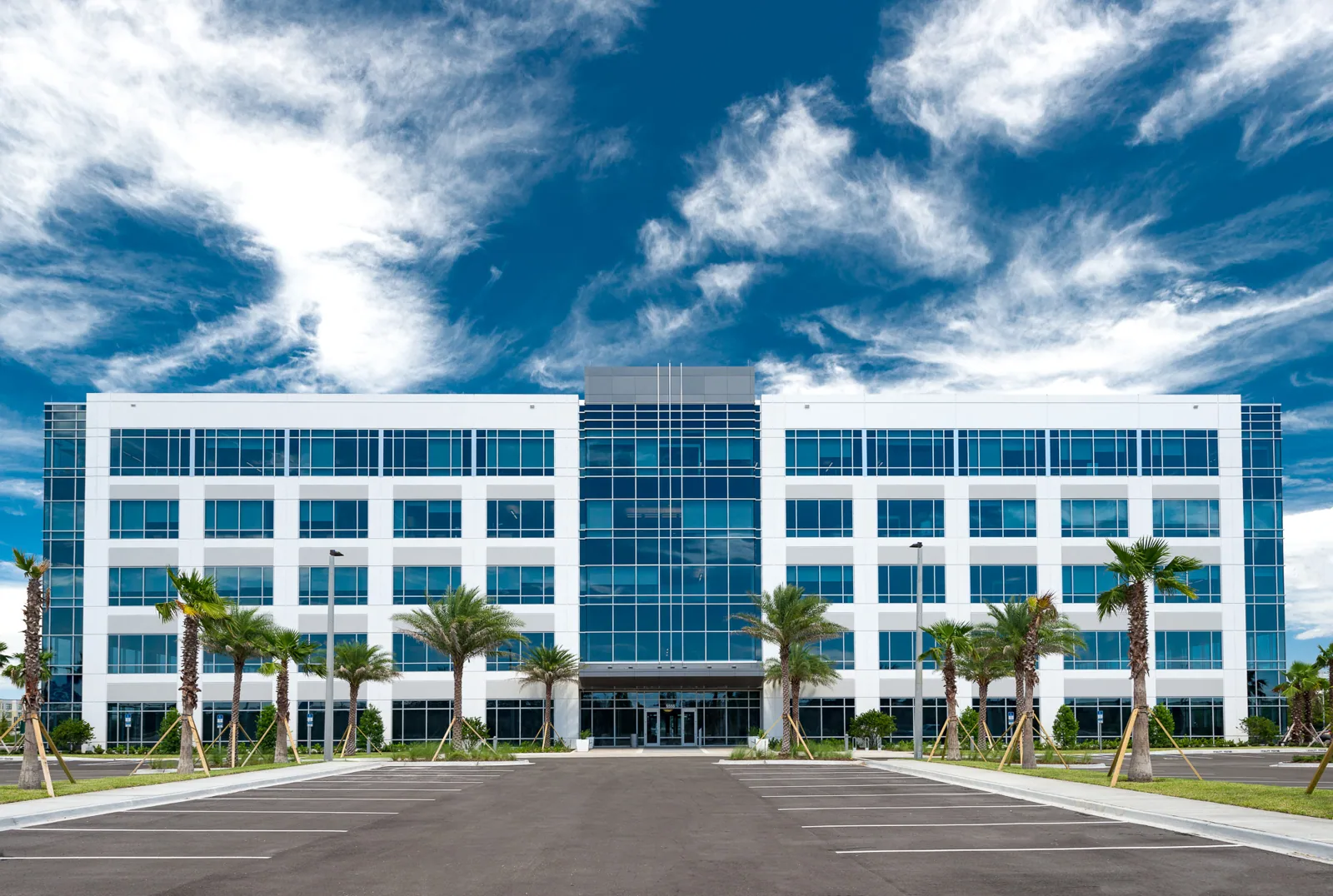
Wide roof planes can send water toward multiple drains, scuppers, and perimeter outlets. We check the actual slope, strainers, overflow path, flashing, and low areas rather than assuming that the nearest outlet is the source. A blocked drain, separated membrane, and wet insulation call for different work. If the surface does not show how far moisture extends, we identify testing before setting tear-off quantities.
We coordinate door movement, aircraft clearances, and controlled access with the operations contact before assigning work zones. After severe weather, we inspect door transitions, corners, attachment, seams and exposed equipment details. A wind damage review documents observed movement and the repair boundary before temporary measures alter the evidence.
Miramar connects to the Turnpike, I-75, US 441 and US 27. Those links orient regional travel; the hangar operator confirms the authorized gate, apron approach, and equipment staging area. A drone roof inspection can document large exterior areas when roof access is limited, followed by hands-on checks where the assembly needs closer review.
Which roof assembly fits the hangar?
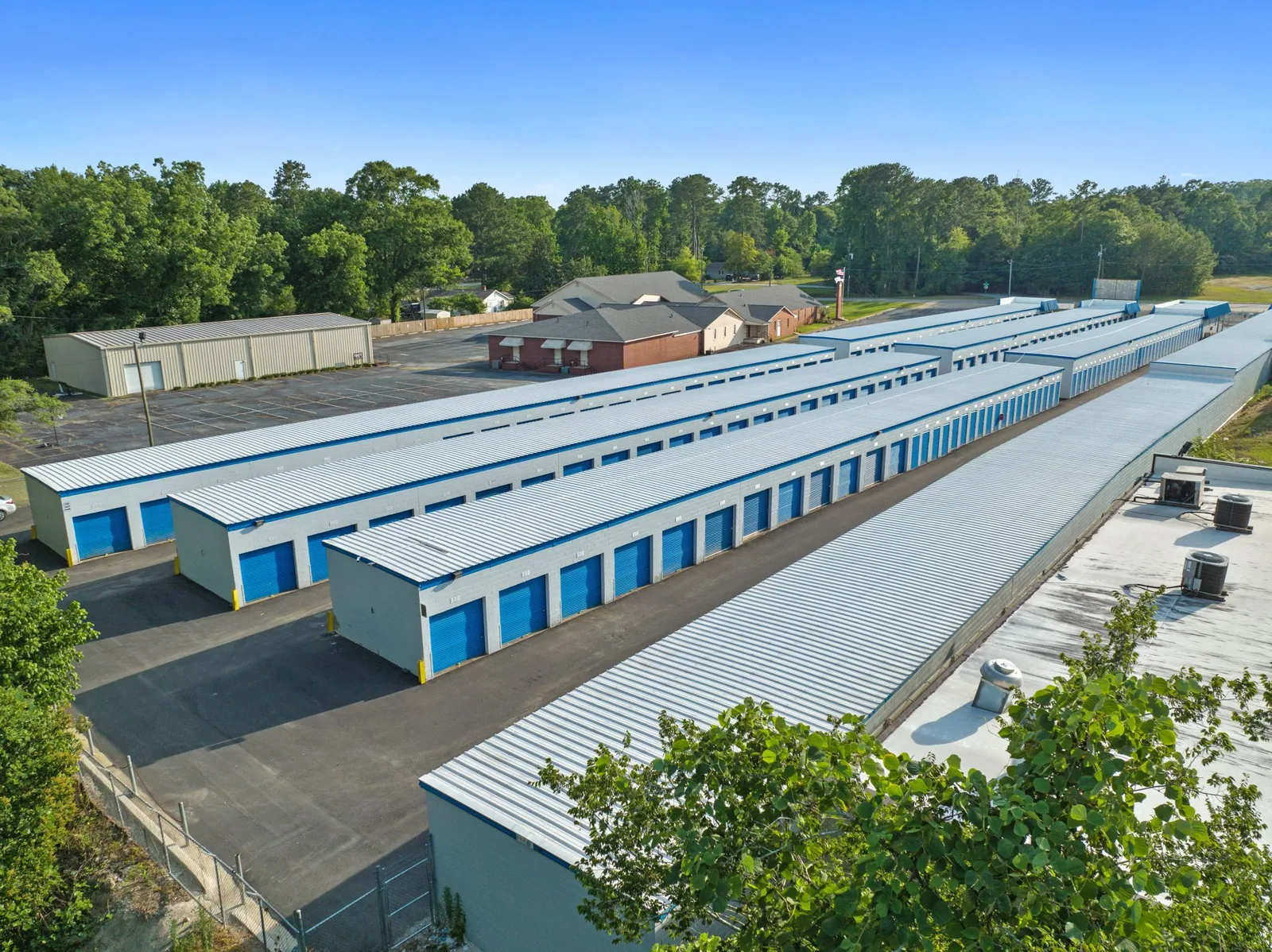
Hangars may use metal panels, single-ply membranes, or other low-slope systems. We identify the existing roof, attachment, insulation, deck, and edge details before choosing a repair material. Standing seam panels need attention at clips, laps, fasteners, and transitions; a membrane roof depends on seams and flashing around curbs. A standing seam roof review can compare panel conditions with a compatible repair or replacement scope.
A local repair works when the surrounding assembly is sound and a tie-in can be made to stable material. Repeated edge movement, widespread corrosion, wet insulation, or deck concerns can move the decision toward a larger project. A recover is considered only when the existing layers, attachment, added load, and edge height support it. The warehouse roof review also considers long roof runs and equipment access, but the hangar’s door openings and operating controls make its sequence distinct.
Cost changes with roof area, panel or membrane type, edge metal, insulation, access, lifts, safety boundaries, equipment, disposal, and interior protection. The estimate separates confirmed scope from conditions concealed beneath the roof. If an active leak needs a patch, a commercial repair scope identifies the preparation, flashing, and closeout check. The hangar lead should identify aircraft movement, door clearances and overhead-work limits before roof access is planned.
More about Aircraft Hangar Roofing
What should the operations team receive?
Closeout records repaired locations, photographs, materials installed, approved scope changes, and any follow-up condition. The marked roof plan helps the operations contact compare later reports with the work already done. We identify which edges or transitions should remain clear for another trade and where a service route crosses the roof. Temporary protection and permanent repairs are recorded as separate items.
That record can support the next capital review by showing recurring seam, drainage, or door-edge problems. The owner can compare a focused repair with replacement while accounting for hangar use and controlled access. Schedule a Miramar aircraft hangar roof review. We will inspect the assembly, check the door transition and water path, then define a work window and repair boundary that fit the property’s operating rules.
Commercial Roofing Questions
Can a hangar door keep operating during roof work?
The owner sets the safe door and aircraft movement windows. We sequence the roof opening, lift placement, and staging around those directions, then secure the area before the crew leaves. Door operations remain under the property’s control.
What should be checked above a large hangar door?
We inspect the roof edge, flashing, termination, door seals, tracks, and nearby drainage. The repair must protect the roof connection while preserving the door’s movement and required clearances.
How is access handled at a controlled aviation property?
The property contact provides badging, escort, vehicle, and tool procedures before mobilization. We follow the approved route and work boundary, with a named contact for schedule changes or access pauses.
What confirms storm-related hangar roof damage?
Storm-related damage is confirmed by examining the attachment, seams, flashing, drains, and interior reports. Photographs record observed changes; any further testing is identified when moisture may be concealed below the surface.
What drives the price of hangar roof repair?
Assembly type, access controls, lifts, edge details, drain work, insulation, equipment, and interior protection affect the scope. We separate confirmed repairs from conditions that remain concealed until removal.

Miramar, Pembroke Pines, Davie, Hollywood, Opa-locka, Miami Gardens, Miami Lakes and Doral in Broward and northern Miami-Dade County.
Request a Roof Assessment
Send the building address and what the roof is doing. We reply with a roof visit date and a written scope.