
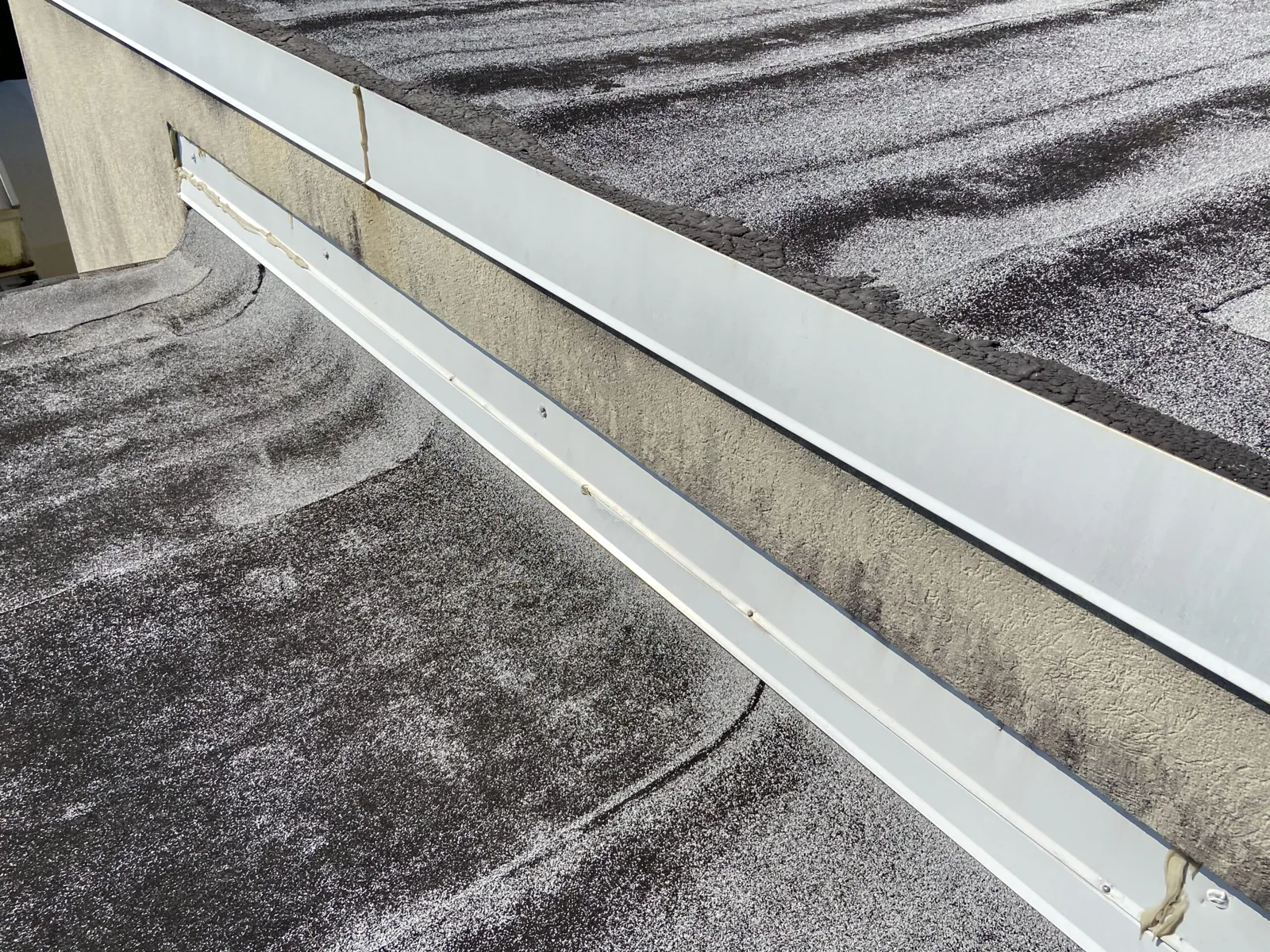
Commercial Roof Edge Metal, Coping and Gutters in Miramar, FL
A loose coping joint can admit water at the same edge that takes wind pressure. Miramar's land-use map lists commercial, industrial, office-park and employment-center categories. At the property, we inspect cleats, fasteners, laps, sealant, membrane termination, gutters and downspouts as connected details. South Florida wind and flood hazards put roof edges and discharge paths on the inspection list. We photograph the condition, check adjacent materials and mark the repair boundary before selecting a detail. A patch is useful only when its attachment and tie-in are sound. If movement or wet insulation reaches beyond the metal, the proposal needs a broader review.
Miramar's principal routes include the Turnpike, I-75, US 27 and US 441/State Road 7; I-95, I-595 and SR 826 are nearby. At the building, confirm the service entrance, roof hatch and loading path with the property contact. If equipment sits close to the perimeter, measure service clearance before choosing a coping or gutter detail. A commercial roof inspection records the edge, drain and wall conditions together so the owner can compare repair options.
Which edge detail has moved or opened?
At a parapet, inspect coping joints, cleats, fasteners, end caps, corners and the membrane turn-up. At a low edge, check metal profile, attachment, drip and the substrate below. We note the length and location of loose or separated sections and photograph a representative detail. Do not cover a failed attachment with sealant alone. The repair needs a secure substrate and a termination that matches the roof assembly and project requirements.
Wind can lift corners and expose fasteners, while movement can open a joint even when the metal appears intact from the ground. We check whether the membrane termination and edge metal move together. If the deck or blocking cannot be confirmed from the surface, identify an opening or another inspection step before pricing permanent work. A defined repair scope lists the material, length, corners and tie-in limits so a crew can inspect the finished detail.
On longer runs, check each splice and each change in direction. A loose fastener at one corner can leave the adjacent lap exposed, while a failed backing board may require opening the assembly before custom metal is ordered. We record those limits first. That saves a return visit to measure a profile that cannot be reused and keeps the owner informed about material lead time.
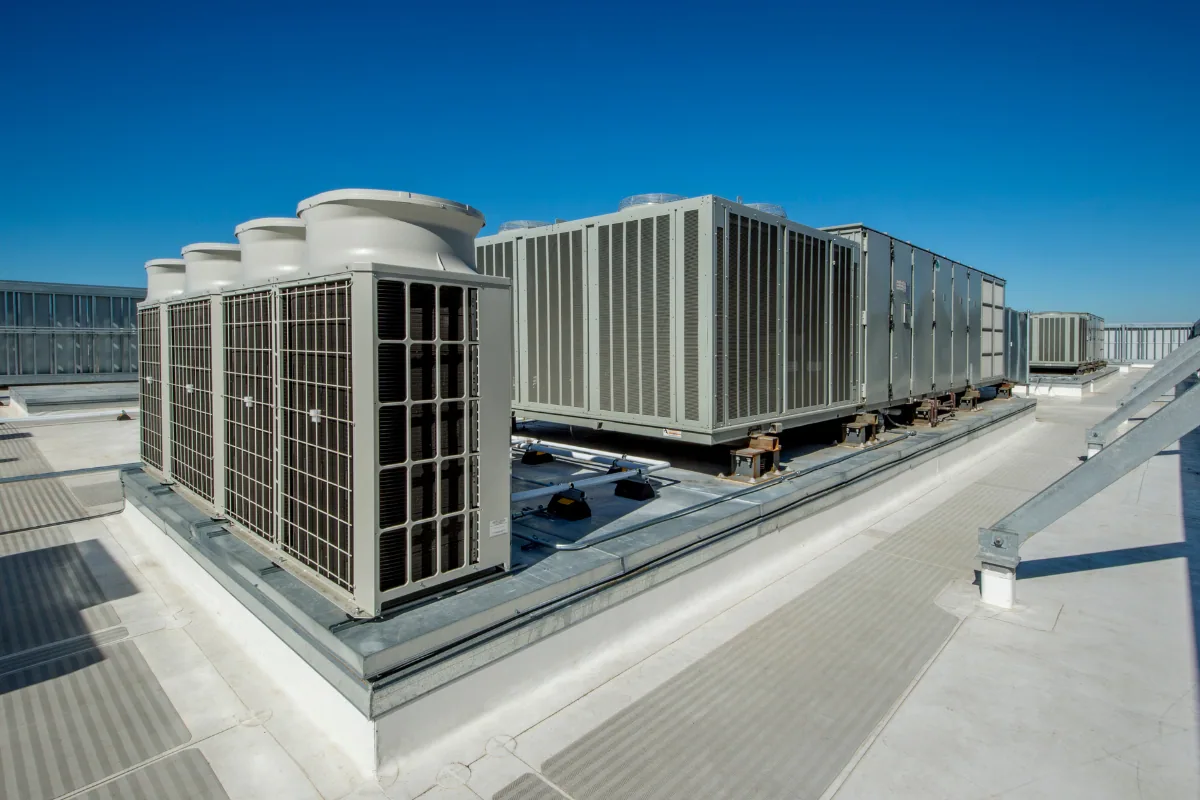
Which coping parts have moved?
Start with an edge map. Record the length of loose cap, separated joints, cleat or fastener movement, missing end closures, open sealant and any shift where metal meets a wall or membrane. Compare neighboring segments. One opened joint can be isolated; lift across a longer run calls for a securement review. Check the water path beneath the cap and on the roof side so a gutter outlet is not mistaken for every interior leak. Photographs should show both the overall perimeter position and a close view of each repair point.
Keep a loose section visible until it is documented, then secure it as needed to protect the building. If water enters, the emergency response can address temporary protection while a permanent tie-in is scoped. A storm damage review records roof conditions and prior wear separately. The property contact confirms roof access, material staging and any area below the work that needs protection.
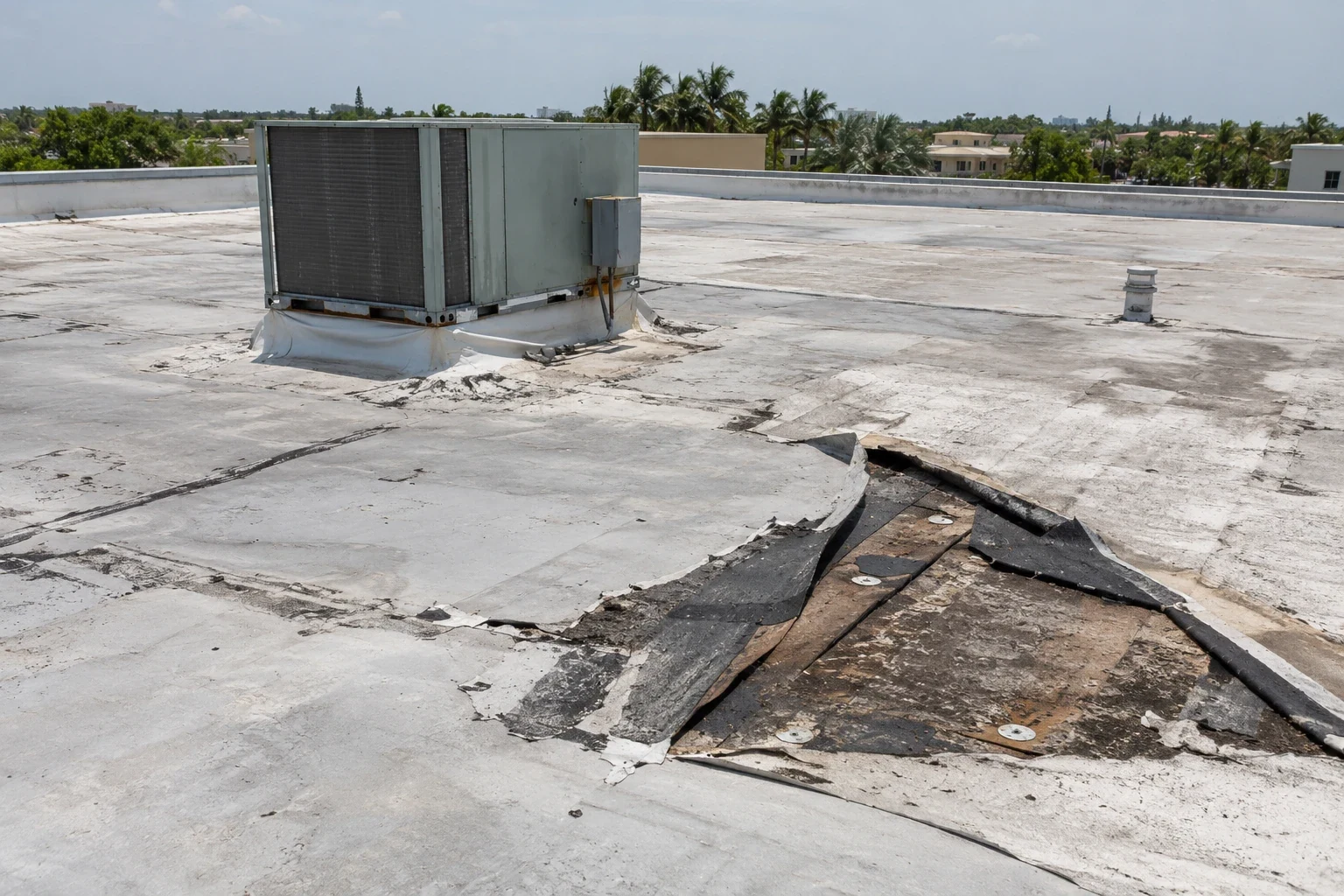
Where should gutters and downspouts carry water?
Inspect gutter slope, hangers, seams, end caps, outlets, downspout connections and discharge points. Note corrosion, separation, blockage or overflow marks. Water should reach the intended discharge area without running back across the fascia or roof edge. If a downspout continues below the roof, identify where roofing work ends and plumbing or site drainage begins. The estimate should state whether cleaning, metal replacement, flashing or a separate trade is included.
Check where the roof membrane meets the gutter or edge metal, especially at corners, roof-to-wall transitions and outlet cutouts. A drain and scupper review can identify an outlet condition beyond the edge detail. In Pembroke Pines, commercial activity concentrates along Pines Boulevard and includes retail, office and industrial uses. That nearby mix helps orient regional building needs; the Miramar property contact still defines the actual discharge path and access route.

What materials and trades meet at the edge?
Metal profile, gauge, finish, attachment, substrate and roof-system compatibility all affect the repair. Review existing drawings or samples where available. At a coping joint, account for movement and the proper splice; at gutters, make sure the outlet and drainage path remain clear. The project should identify who supplies blocking, cleats and backing, and who completes adjacent masonry or fascia work. A clear responsibility line avoids leaving an open transition between trades.
At the roof edge, we inspect coping laps, cleat attachment, corners, and the transition into the wall before quoting metal replacement. Each building can place rooftop equipment and service access near the edge. Confirm clearances before cutting metal or moving a line. For a standing-seam roof, seam and perimeter details need to match the system's clips and panels. If a coating is present, coating restoration should not bridge an unstable edge; first resolve attachment and termination.
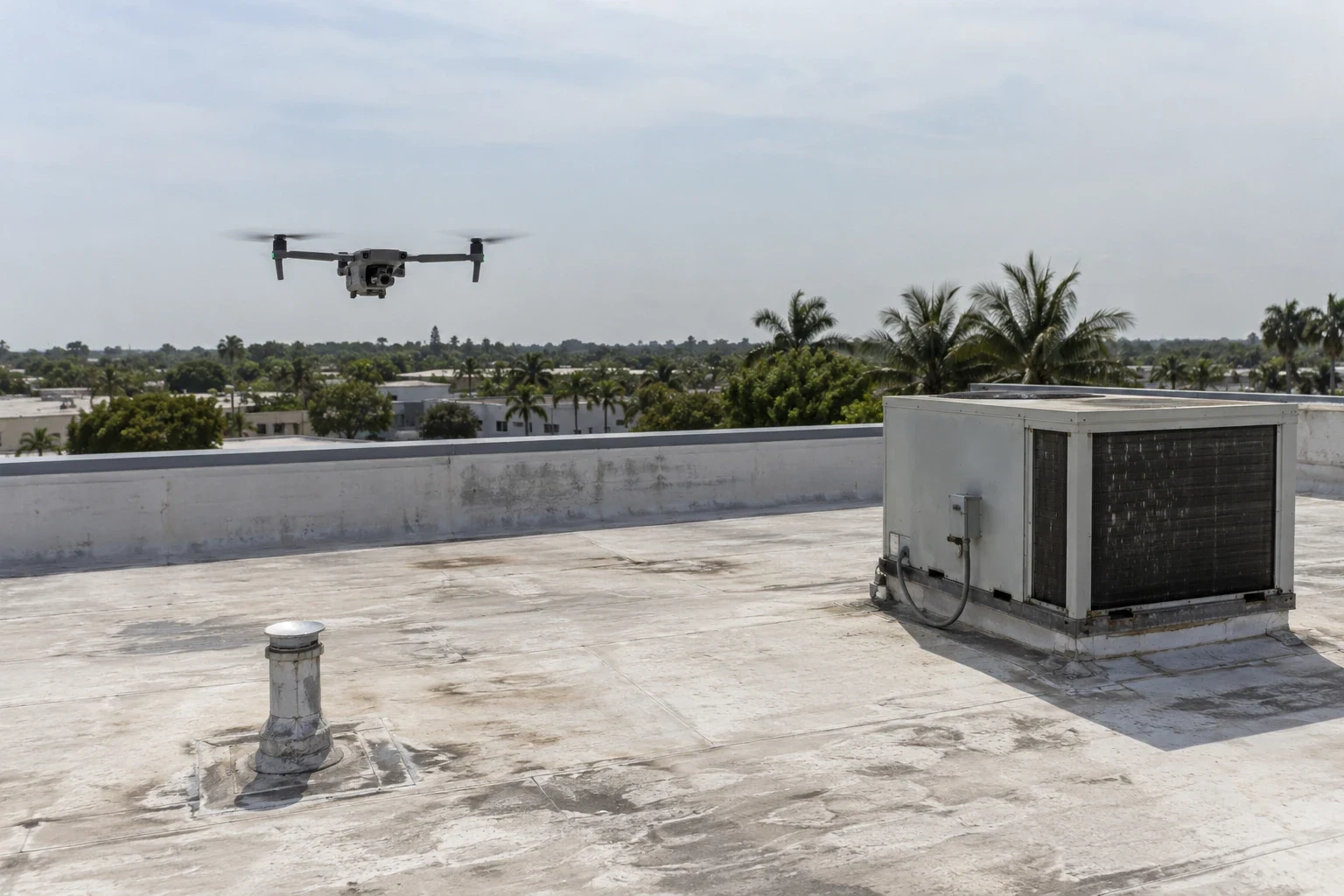
More about Commercial Roof Edge Metal, Coping and Gutters
What sets the edge repair schedule and cost?
Price changes with measured length, corners, custom metal, substrate repair, access, lift use, height, finish matching and coordination with gutters or masonry. The proposal should distinguish a short repair from full-perimeter replacement and list the connection points included. If concealed blocking or deck damage could change the quantity, state that before work begins. A staged repair can be practical when each open section can be protected and tied in safely before the next phase.
Work at occupied offices or retail needs a delivery window and protection plan. The site team identifies entrances, loading paths, areas below the edge and any equipment that cannot be interrupted. We measure the roof edge at the building before setting metal quantities, finish and attachment scope. A sample section shows the lap, profile and roof-side termination. Our Miramar service area work begins with the actual building and its owner-approved schedule.
How will the finished detail be checked?
At completion, review corners, laps, fasteners, cleats, end caps, gutter outlets, downspout connections and the membrane tie-in. Photograph the finished work and label its location on the roof plan. Runoff or hose testing should follow the project plan and site conditions, not an informal assumption. Note any item that remains outside the roofing scope. The owner gets a record that shows what changed and who completed adjacent work.
Share earlier leak locations, wind observations and available roof details before scheduling. We will inspect the edge and water discharge, identify repair limits and explain any substrate question that remains. Keep the closeout photos with the estimate and service history. A later inspection can then compare the same coping joint or gutter section with the condition recorded at repair.
Commercial Roofing Questions
Can sealant alone secure loose coping?
Sealant closes a joint but does not replace failed cleats, fasteners or backing. We inspect the attachment and substrate, then define the repair needed to hold the edge detail.
Do gutters and roof drains fall under the same scope?
They connect through the water path, but the estimate names each component. Roofing, plumbing and site drainage responsibilities may need separate coordination.
What should be checked after wind exposure?
Photograph corners, perimeter metal, coping joints, fasteners, membrane termination and rooftop equipment details. The owner can compare those conditions with earlier records.
Can you match existing edge metal?
We review the profile, finish, dimensions and attachment. Availability and field conditions determine whether a match or a transition detail is appropriate.
What if the gutter outlet is clear but water still overflows?
We check slope, seams, outlet size and downstream discharge. If the issue extends into piping or site drainage, the proposal identifies the next trade review.
Miramar, Pembroke Pines, Davie, Hollywood, Opa-locka, Miami Gardens, Miami Lakes and Doral in Broward and northern Miami-Dade County.
Request a Roof Assessment
Send the building address and what the roof is doing. We reply with a roof visit date and a written scope.