
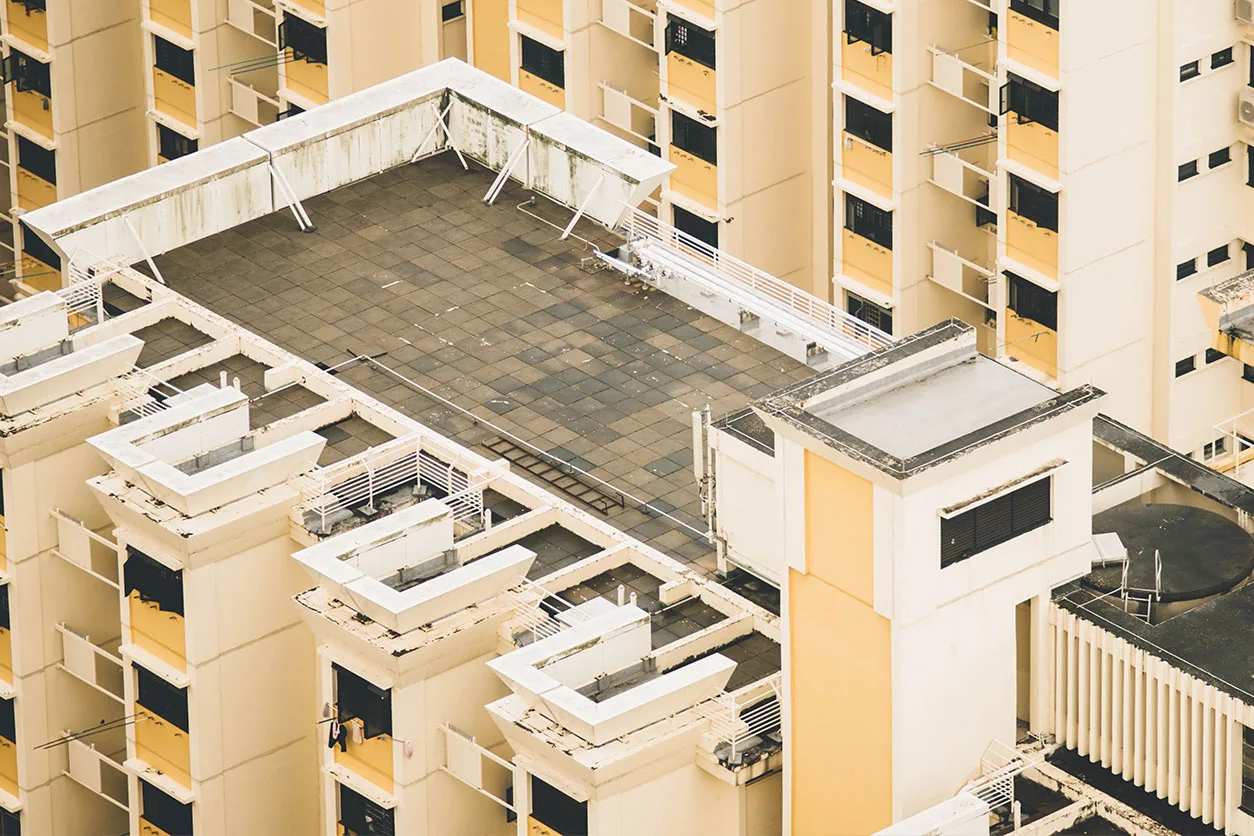
Apartment Building Roofing in Miramar, FL
An apartment roof protects occupied units, corridors, stairwells and shared mechanical systems. A leak may show up in one unit after water has moved from a roof curb or drain several feet away. We inspect the assembly, mark the reported area and check nearby seams, penetrations and edge details before recommending work. Miramar's land-use categories include commercial, office-park, employment-center and regional-activity areas. Hollywood Lakes, east of US 1 between Washington and Johnson Streets, includes apartments and hotels among its local building uses. We confirm each roof assembly on site before comparing repair and replacement options.
Residents need clear notice when roof access, parking or a work zone changes. We coordinate building access, protection below and equipment clearances with management, then limit openings to what can be closed safely that day. A Miramar roof review can distinguish a localized flashing repair from wet insulation or recurring membrane failure. A commercial inspection gives the owner photographs and repair priorities for the affected building.
What should residents know before work?
Management can identify roof entry, unit access, parking limits, quiet hours and any security procedure before crews arrive. We map the work zone to the units or common spaces below and agree on a notice period with the property contact. A lift or material delivery may affect a drive aisle, loading area or reserved parking. We confirm where staging can occur and keep exit paths open according to the site's requirements.
Mechanical rooms, roof-access overhangs, balconies and shared corridors may sit beneath roof details that need attention. We identify equipment or finishes requiring protection and coordinate any unit shutdown with the responsible trade. A hotel roof plan can provide a comparison for occupied rooms and guest notices. Where a residential property includes on-site food service or a restaurant tenant, a restaurant roof sequence can help frame exhaust and delivery coordination.
Where does water travel before it appears?
A ceiling stain may sit below the end of a water path rather than the opening in the roof. Water can move along insulation joints, a deck flute or a pipe before reaching an apartment. We inspect the membrane above and around the report, including drains, seams, pipe boots, parapets and equipment curbs. Photos mark the observed condition. If the insulation or deck cannot be confirmed from the surface, we identify a test location and explain how the result could change the repair quantity.
We plan around resident entrances, parking, deliveries, and notice requirements, keeping pedestrian routes clear as work advances. After a storm, we check attachment, flashing, seams and drainage, then compare those observations with resident reports. An infrared moisture survey may help identify areas for testing when the surface does not show whether insulation is wet.
How should shared roof drainage be checked?
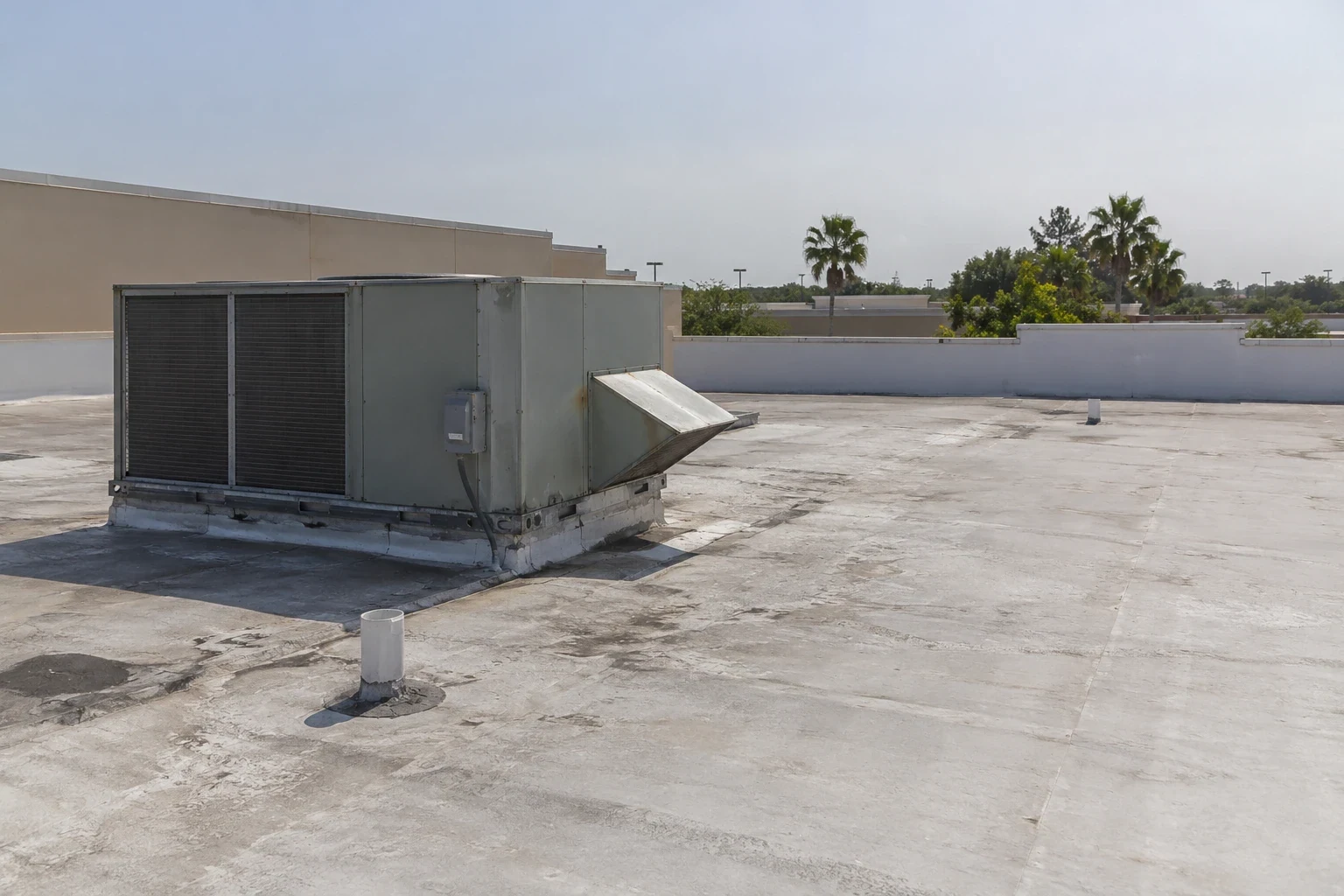
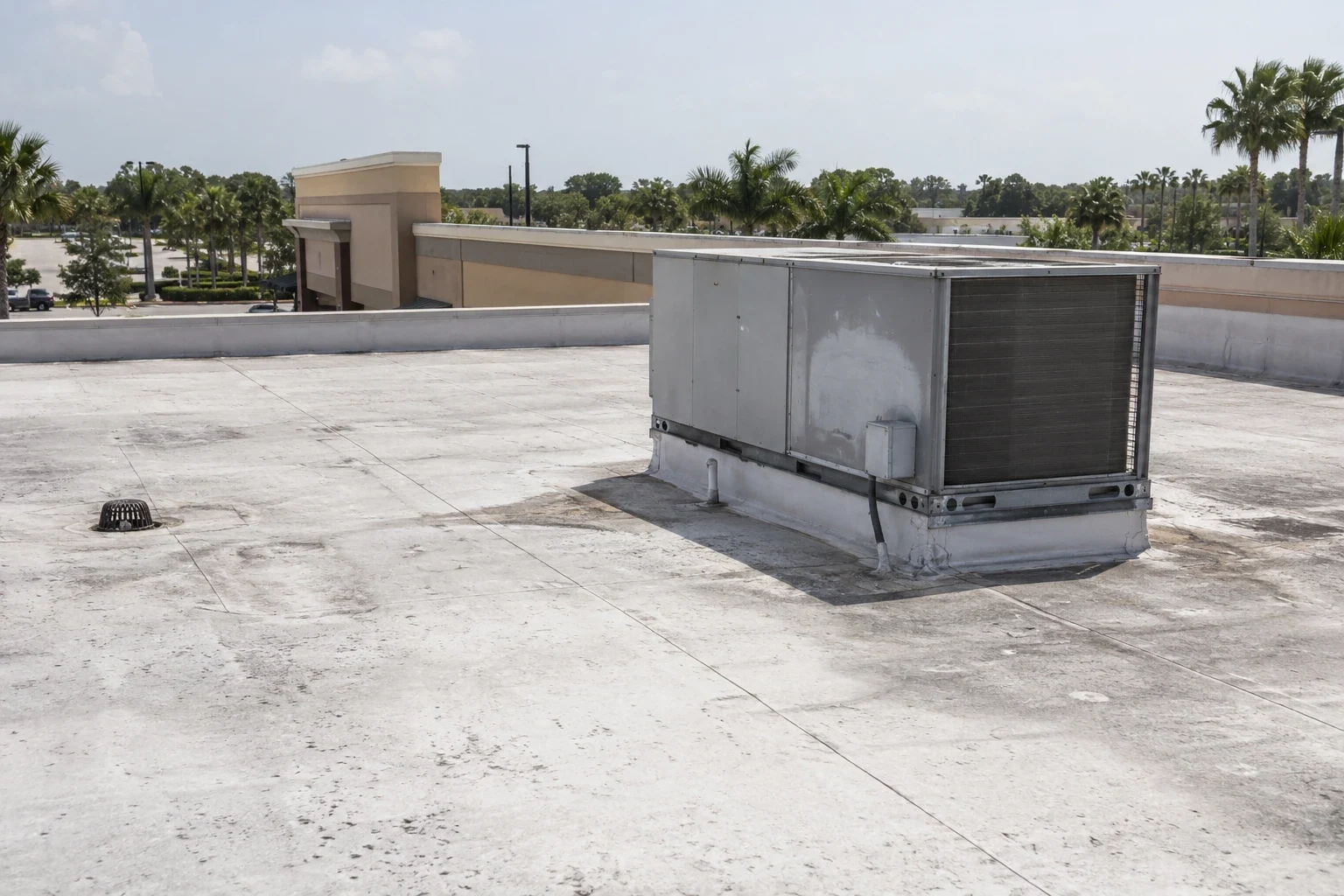
A blocked drain can hold water over a large portion of a building and put stress on weak seams or flashing. We inspect the bowl, strainer, overflow route and nearby membrane, then note whether water remains after the outlet is cleared. If ponding appears at several locations, we review roof slope and the path to each drain. The scope distinguishes a cleaning or detail repair from corrective work that involves insulation or deck conditions.
Miramar is linked by US 27 and State Road 7, with I-75 and the Turnpike also serving the broader route network. Management confirms the apartment's gate, parking limits and roof entry. Residents should not use a roof hatch or attempt a repair. A drain and scupper inspection can record outlet condition and the membrane tie-in, with findings separate from plumbing work inside the building.

When can a repair stay within one building?
A repair can remain local when the surrounding membrane is attached, the insulation is dry and the flashing can tie into stable material. We remove failed material to a clear limit, prepare the substrate and photograph the completed work. If multiple units report leaks along one line or moisture extends through several roof zones, the visible symptoms may reflect a broader assembly issue. We mark confirmed conditions and identify any test that could change the scope.
Resident access, occupied rooms, equipment and weather affect timing. We can set a work window with management and identify which units need notice or interior protection. An apartment repair scope records the area, access conditions and closeout check. For repeated leaks, a roof condition record can help ownership compare repairs among buildings without treating one roof's findings as another's.
More about Apartment Building Roofing
What signals that replacement should be compared?
Widespread wet insulation, recurring seam failure, loose attachment or deck deterioration can make repeated patches less useful. We compare roof zones by condition, drainage, penetrations and perimeter details. A recover is considered only when existing layers, moisture, deck and edge height support the added assembly. Tear-off, insulation replacement, equipment moves and concealed conditions are shown separately so management can review how each item affects occupied areas.
A phased reroof can sequence buildings or roof sections while keeping access clear for residents. We identify the daily opening limit, dry-in point and any mechanical or parking coordination. A replacement assessment compares removal with a recover when the assembly allows. A membrane system review can address a material option in relation to building details and project requirements. Budget timing also reflects deck repairs, drains, access, staging and weather windows.
What belongs in the property roof file?
Keep a marked plan, photographs, repair limits, material notes, test locations and visit dates together. Record which units or common spaces were below active work and what notice or access arrangement was used. That helps a new manager respond to a later leak without assuming it matches an earlier repair. Open testing, deferred work and completed repairs should appear as separate items.
At closeout, we review the finished area and note remaining maintenance needs with management. Planned visits can check drains, penetrations, roof traffic and edge details before a resident report becomes urgent. Building staff should note occupied units, interior protection and resident notice before setting the inspection window. Schedule an apartment roof review in Miramar. We will document the condition, coordinate resident access and clarify whether the next step is repair, testing or a phased replacement.
Commercial Roofing Questions
How much notice should residents receive?
Management sets the notice process and identifies affected units or common areas. We provide the roof zone, expected access needs, work window and any temporary restriction so the property team can communicate clearly. If the scope changes after opening, we report the added condition before proceeding beyond the approved boundary.
Can residents access the roof during repairs?
Roof access should stay limited to authorized personnel. We coordinate the hatch, ladder or gate with management and keep the work zone clear. Residents should report interior water or visible damage to the property contact rather than climb to the roof, where an open area or equipment can create a hazard.
How do you inspect a leak reported by one unit?
We compare the unit location with the roof details above and nearby, then inspect the likely water path. A drain, curb or seam can be the entry point even when the ceiling mark sits elsewhere. We photograph findings and recommend testing if concealed insulation or deck condition remains uncertain.
Will the repair require residents to leave their apartments?
Many roof repairs can be completed from above, but noise, debris, equipment access or interior work can change that. We identify the work zone and protection needs with management before starting. The property team decides resident notices and any temporary unit restrictions based on the confirmed sequence.
What makes a multifamily roof a replacement candidate?
Repeated leaks, broad wet insulation, attachment problems or deck deterioration can support a replacement comparison. We inspect sections separately and identify what is confirmed, what needs a test and whether a recover is structurally suitable. The owner can phase work by building or roof area after reviewing access and budget drivers.
Miramar, Pembroke Pines, Davie, Hollywood, Opa-locka, Miami Gardens, Miami Lakes and Doral in Broward and northern Miami-Dade County.
Request a Roof Assessment
Send the building address and what the roof is doing. We reply with a roof visit date and a written scope.