
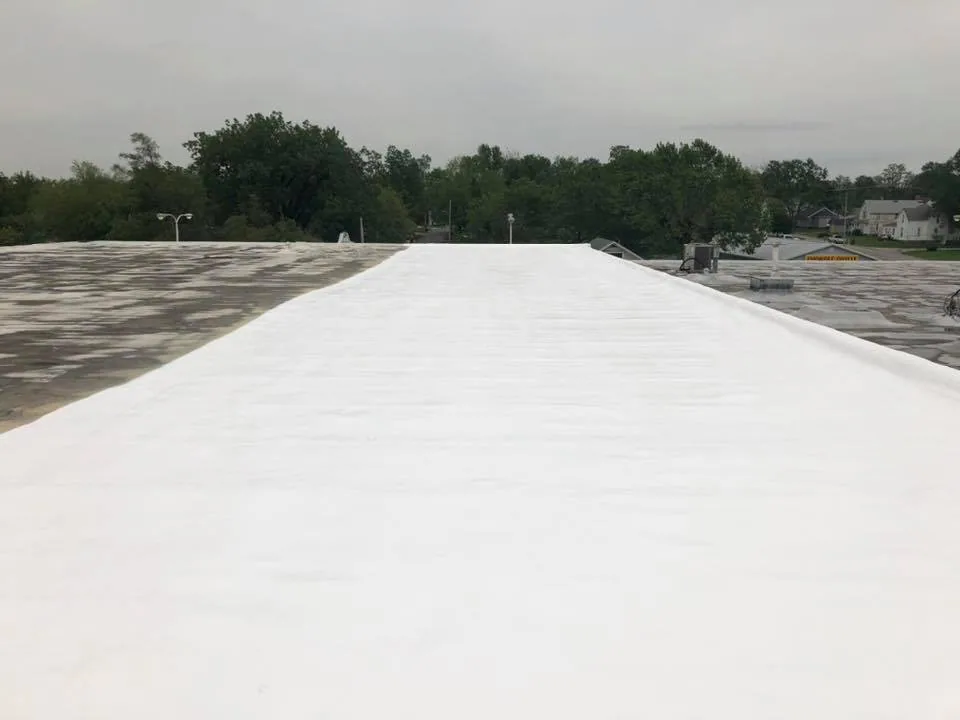
A spray polyurethane foam roof depends on the surface below and the coating above it. Miramar’s land-use categories include industrial, commercial, office-park and employment-center designations. We inspect foam condition, adhesion, surface coating, drains, and penetrations before deciding whether a repair or restoration is practical. A Miramar SPF roof review confirms the existing assembly and field condition.
SPF is applied as a liquid that expands into a cellular foam layer. The surface then needs a compatible protective coating suited to the specified system. We check for exposed foam, cracks, impact marks, loss of coating, wet areas, and separation at transitions. A commercial roof inspection records thickness observations, drainage, and details that need testing. A coating should not be applied over an assembly that has not been checked for moisture and adhesion.
What should the foam surface show?
The foam layer should remain bonded to a suitable substrate and shaped to support the designed drainage. We look for exposed cells, erosion, cracks, depressions, and changes in thickness around drains and curbs. A soft or wet area needs more investigation before it is covered. The inspection marks each condition and identifies test cuts where the visible surface cannot establish the foam or deck condition.
SPF can be useful where the project design calls for a continuous insulated surface, but its performance depends on preparation, application, and the protective coating system. The crew needs a clean, dry substrate and controlled application conditions. We review the specification, product requirements, and detail drawings before assigning a scope. A roof insulation review can compare the existing build-up with the planned assembly. Repair quantities remain separate from broad restoration until field conditions are confirmed.
Why does the protective coating matter?
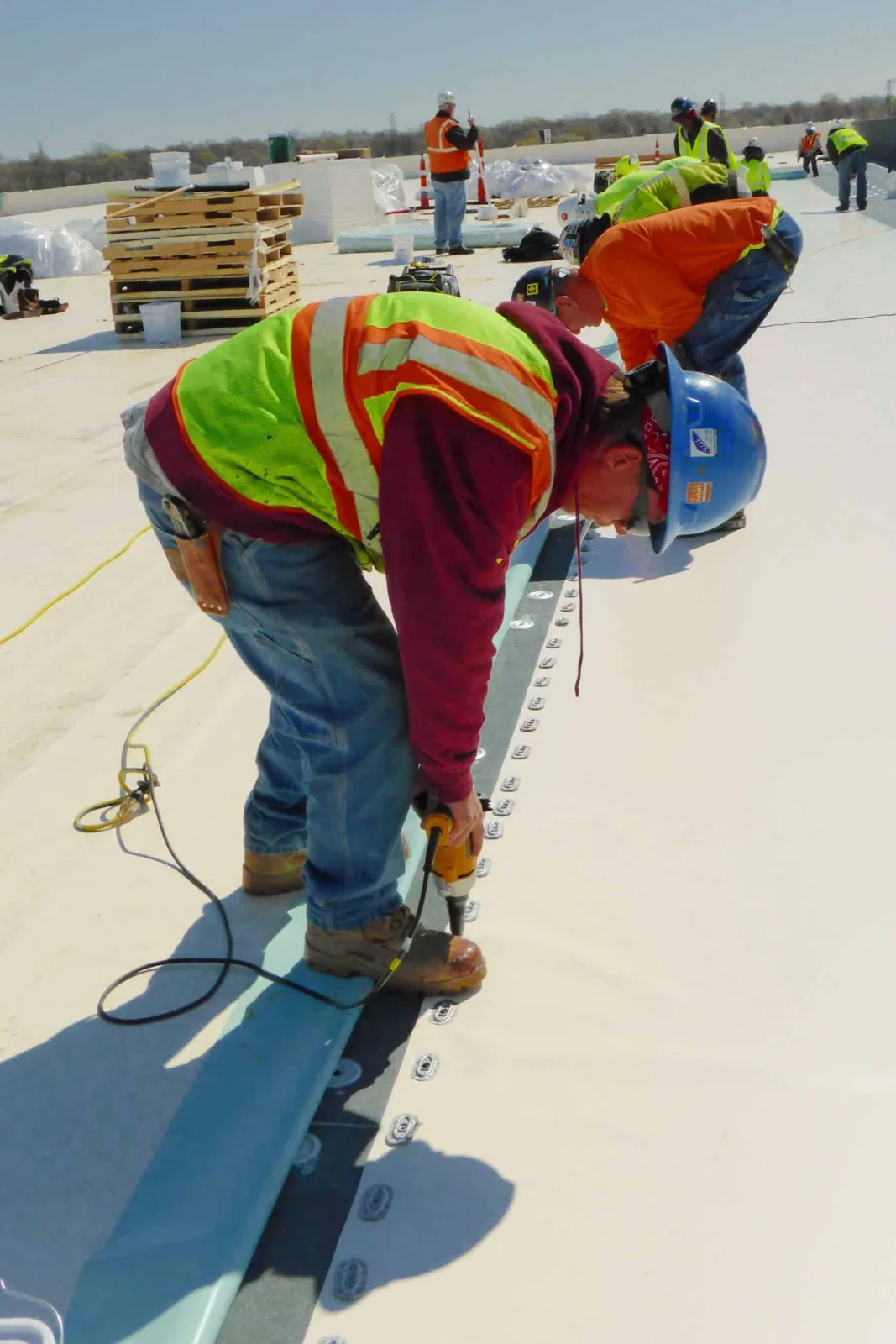
The topcoat shields foam from weather and physical exposure. We inspect coating thickness where records exist, along with adhesion, cracking, erosion, and bare areas. A damaged surface may need localized preparation and repair. Widespread coating loss can require restoration, but the foam beneath must still be sound and dry. Applying another layer over loose coating or wet foam can trap the condition and shorten the useful repair boundary.
Coating choice follows the product system and exposure. Silicone and acrylic products have different properties and application limits. A silicone coating comparison may be appropriate where the system and drainage suit it; an acrylic system has its own substrate and weather requirements. We review compatibility, surface preparation, adhesion, and the renewal plan before comparing prices. The roof condition, not the coating category, determines whether restoration belongs in the scope.
How does drainage affect SPF?
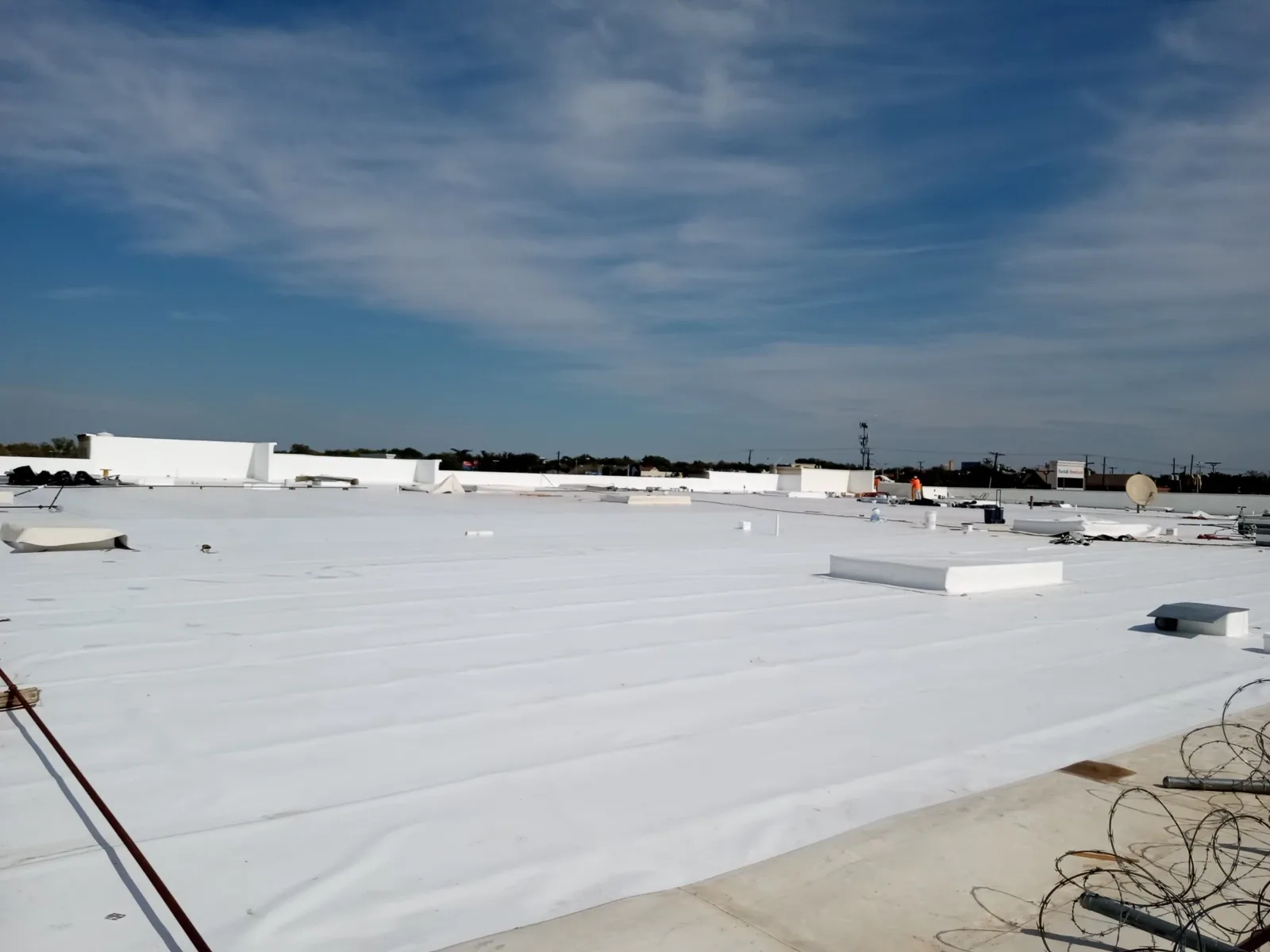
SPF can be shaped to direct water, but drains and overflows still need to stay open and correctly detailed. We inspect bowls, scuppers, low areas, and the coating around each outlet. Ponding may point to a blocked drain, damaged foam contour, or a separate slope issue. The repair scope identifies which condition is present rather than adding foam or coating without a drainage review.
A continuous coating protects the foam as the roof drains toward outlets; erosion, ponding and open penetrations need review before another coat is considered. The building’s outlets, roof geometry and field condition control the water path. A drain and scupper service scope addresses a confirmed outlet issue. If moisture may sit beneath the foam, a targeted opening or infrared survey can help decide how much material needs removal.
What can South Florida weather expose?
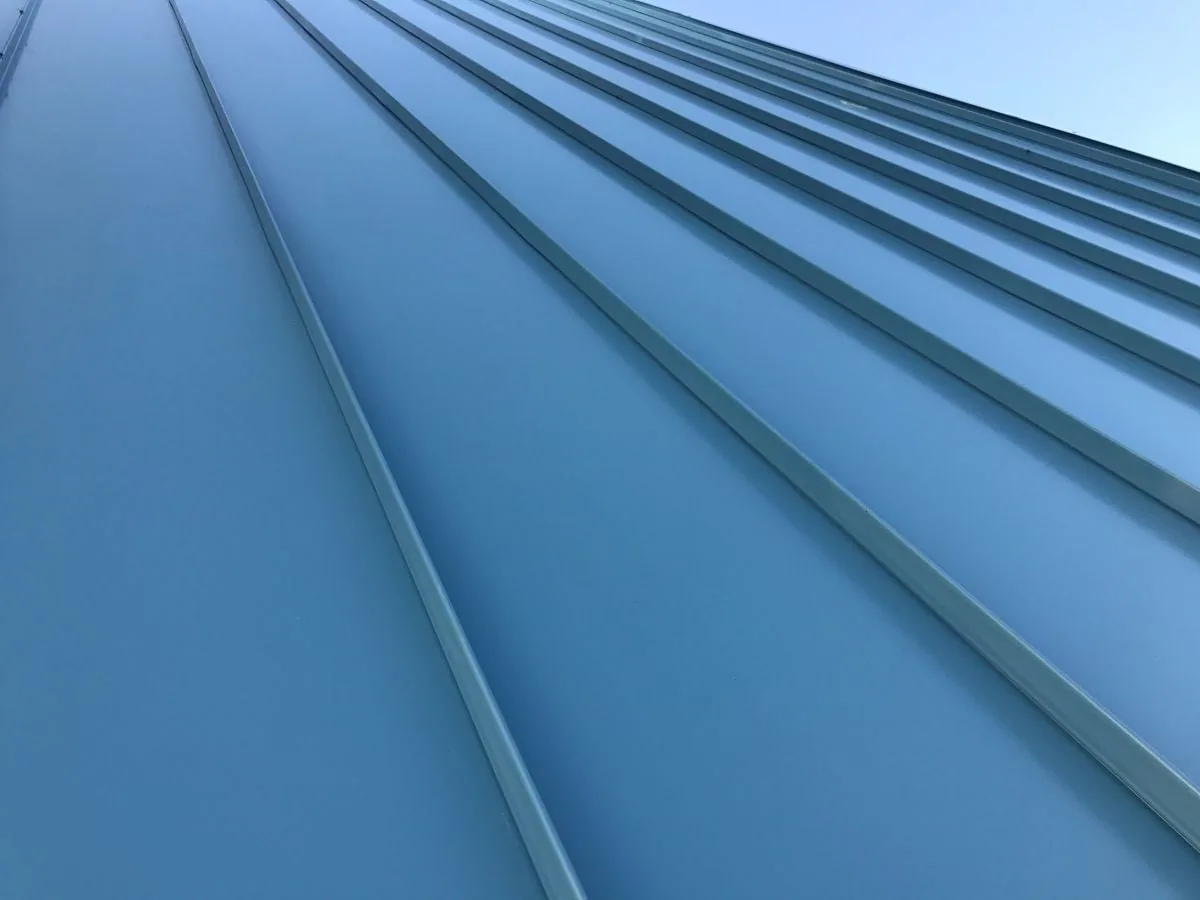
South Florida’s flood, hail, tornado, temperature and wind hazards make checks of coating, attachment and water entry part of post-storm roof planning. After a storm, we inspect for impact marks, coating breaks, loose flashing, ponding and interior water entry. Photos tie each condition to a roof area before temporary work changes the surface. A hurricane-related roof assessment separates observed damage from prior wear.
Heat and humidity affect the work window and application conditions. We confirm weather, substrate temperature, and product limits before spraying or coating. Each shift needs an area limit, protected edges, and a plan to keep overspray away from equipment and nearby surfaces. If rain threatens, the crew secures the work area and documents any temporary protection. The permanent coating or foam repair follows when the substrate and conditions support the specified installation.
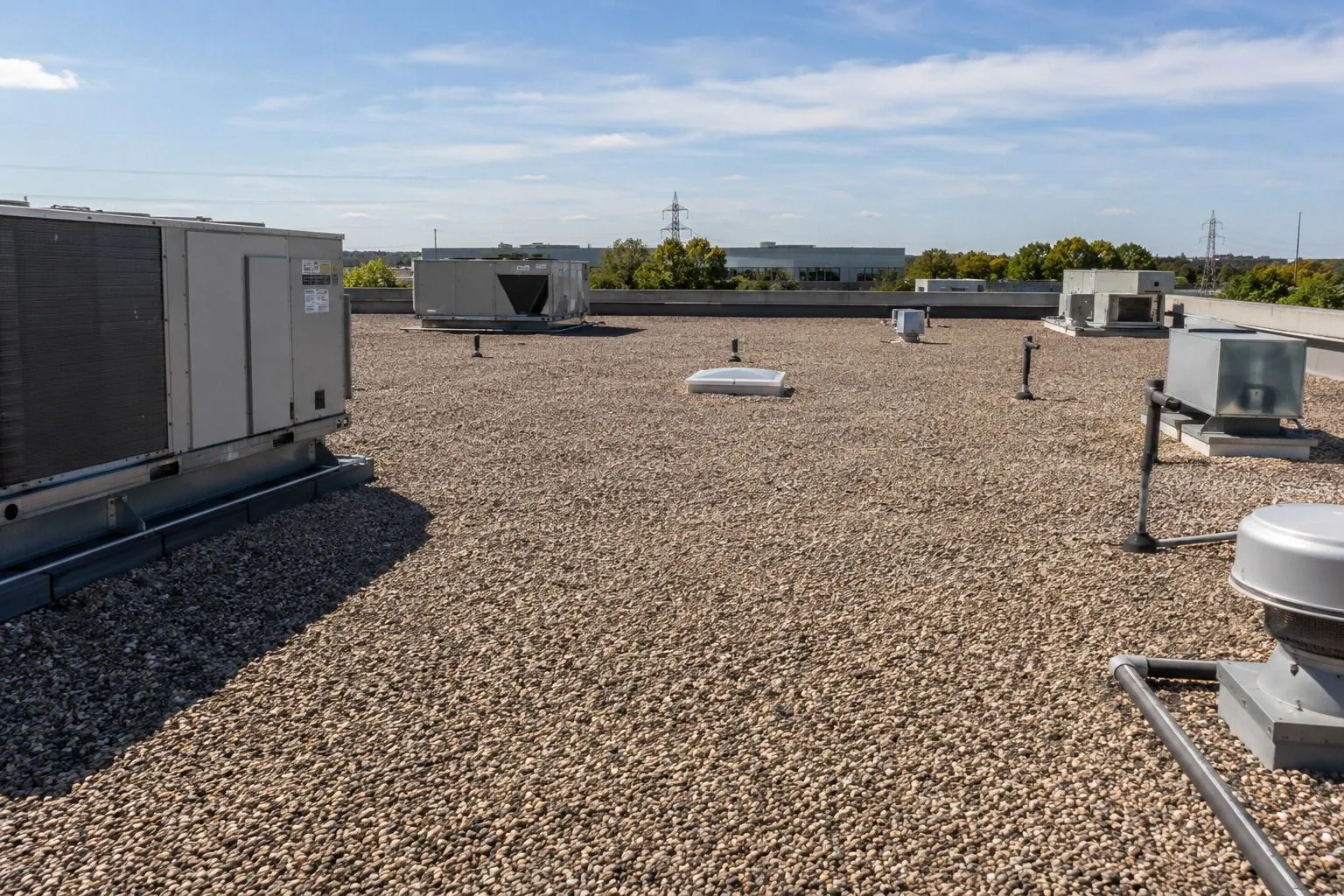
More about Spray Polyurethane Foam Roofing
Can SPF be patched or recoated?
A local repair can work when the foam remains bonded and the defect has a clear edge. We remove degraded material to sound foam, rebuild the shape where required, and restore compatible coating. Exposed cells, cracks, and impact marks need preparation before a topcoat is applied. If moisture is trapped below or the foam has separated from its base, surface coating alone does not resolve the condition.
Estimate drivers include access, surface preparation, foam removal, coating area, edge details, overspray protection, and the number of penetrations. A coating restoration scope identifies those quantities. If testing shows widespread wet foam or deck damage, the owner can compare a replacement assembly with repair. A focused repair may remain practical where the defect is isolated and the surrounding surface is sound. We explain what is verified and what needs an opening.
What should be ready before application?
Before SPF installation, verify that the roof is a suitable candidate and that the substrate is dry and stable for preparation. Set moisture-test areas, confirm the slope and drain details, and identify curb transitions, edge terminations and equipment clearances. The property contact marks sensitive areas below and who can authorize a shutdown. Coordinate new penetrations and later equipment work with the general contractor so they do not cut into finished foam. Map hose routes, staging, safe exits and overspray protection before loading materials. Establish start and stop limits by roof zone, including how the crew will secure an open area if weather changes. I-75 and the Turnpike orient regional deliveries; Miramar's principal city links also include US 27 and US 441/State Road 7, while I-95, I-595 and SR 826 sit nearby. The property manager sets gate, delivery and roof-access procedures. Follow the specified foam thickness and coating requirements, and document moisture, application conditions, and finished details at closeout. Record follow-up needs before another trade enters the roof area. Use a separate release check for each completed zone. Each release record identifies the installed system, completed roof zone, observed coating condition, and follow-up work that must precede later trade access.
Commercial Roofing Questions
Can coating fix a wet spray-foam roof?
No. We investigate moisture and adhesion first. Wet or separated foam may need removal and rebuilding before a protective coating can be restored. We mark test areas and price confirmed quantities separately from concealed conditions.
How do you check whether SPF remains bonded?
We inspect the surface for cracks, movement, exposed cells, and soft areas, then use testing or an opening where needed. The report identifies the area checked and what remains unknown before repair quantities are set.
Can you apply new foam during a humid day?
The substrate and weather must meet the selected product’s installation requirements. We check conditions before spraying and stop if the surface or forecast does not support a sound bond and coating sequence.
What does a damaged topcoat mean?
Bare foam or coating loss needs a closer look at the surface and material below. Local damage may be prepared and recoated; widespread deterioration or moisture can require a larger restoration or replacement comparison.
When should a foam roof coating be evaluated?
Look for exposed foam, coating wear, open penetrations and drainage problems. A field review checks the substrate and coating condition before a renewal or localized repair is chosen.
Miramar, Pembroke Pines, Davie, Hollywood, Opa-locka, Miami Gardens, Miami Lakes and Doral in Broward and northern Miami-Dade County.
Request a Roof Assessment
Send the building address and what the roof is doing. We reply with a roof visit date and a written scope.