
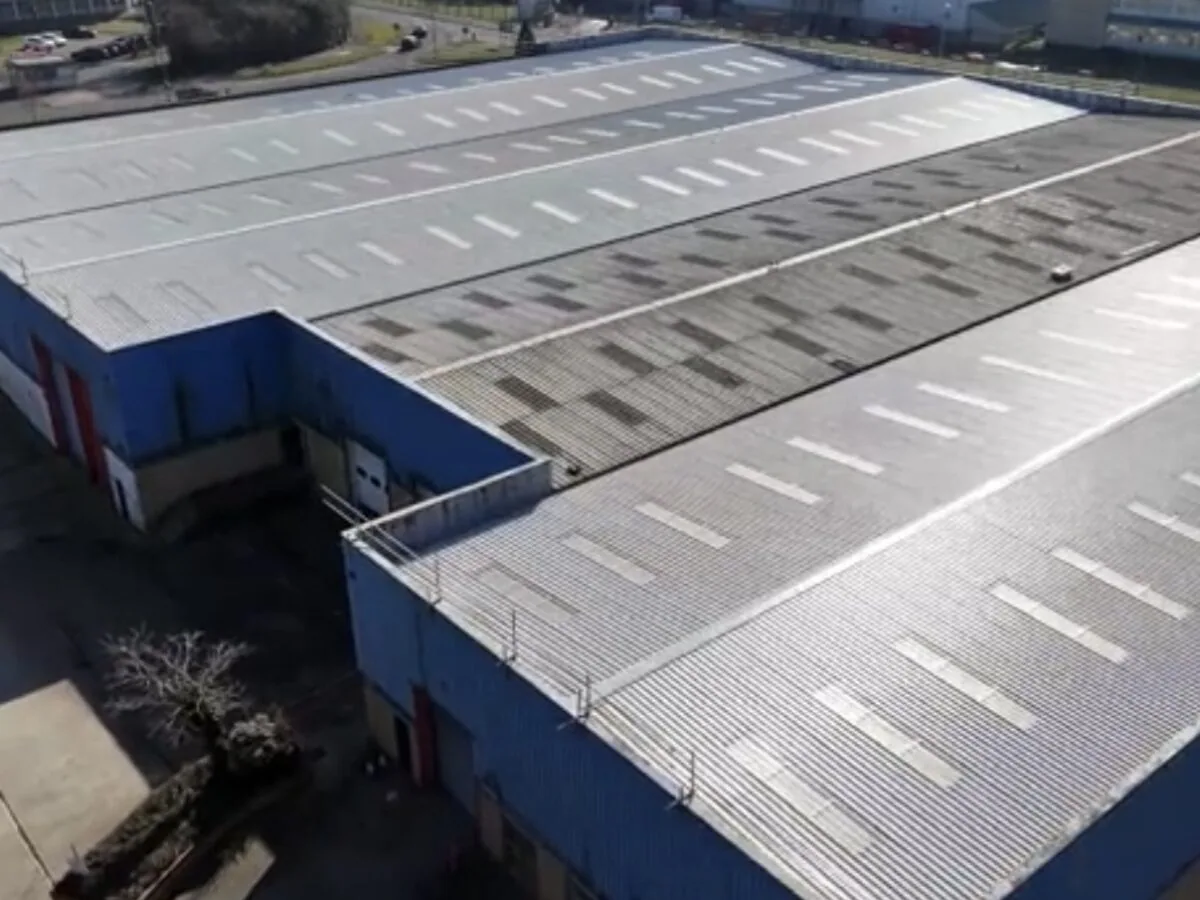
An exposed-fastener metal roof can show trouble at a washer, lap, or panel edge before the full assembly is ready for a retrofit. Miramar’s land-use categories include commercial, industrial, office-park and employment-center areas. We inspect panel condition, fasteners, corrosion, underlayment, deck, drainage, and transitions before deciding whether restoration or a new over-roof assembly is practical. A Miramar metal roof review starts with the existing panel system and field conditions.
A retrofit should not cover a loose substrate or hide wet material. We check the attachment pattern, panel laps, structural support, edge height, and rooftop equipment. A roof inspection records the condition and identifies where a test opening may be needed. If a panel system is beyond repair, a standing seam replacement can be compared against an engineered retrofit after the owner’s documents and field measurements are reviewed.
What do the fasteners and washers show?
Exposed-fastener roofs rely on screws and sealing washers at panel attachment points. We look for backed-out screws, stripped holes, cracked or compressed washers, corrosion, and fasteners that no longer hold the panel firmly. Replacing a washer without checking the panel and substrate can leave a loose connection in place. We sample representative areas and mark any pattern that suggests broader attachment work.
Panel laps and end joints need attention too. We inspect sealant, overlap, movement, and areas where debris holds moisture. A repair detail should match the panel profile and approved attachment method. The project team also confirms whether later mechanical work added new penetrations or changed rooftop loading. An edge-metal and gutter review helps identify where water leaves the roof and whether perimeter work belongs in the retrofit scope.
Can the existing roof carry a retrofit?
Before another assembly is added, the design team needs to know the condition of the panels, purlins or deck, attachment, and supporting structure. We inspect for corrosion, deformation, trapped moisture, and evidence that the existing roof has moved. A retrofit design may require new subframing or a different attachment path, but that choice belongs to the approved system and engineering documents. The structural review and approved attachment design determine whether the existing metal can support added layers.
Where insulation or underlayment is wet, the scope needs an opening or testing before it is covered. We mark the area, photograph what is exposed, and separate confirmed removal from concealed assumptions. A roof insulation review helps define the build-up, while the structural review sets allowable loads. A single-ply roof option may be compared if the project changes system type, but the transition from metal to low-slope membrane needs a designed detail. We also note panel spans, purlin spacing where visible, and existing edge elevations. Those measurements help the project team compare fastening options and identify conflicts with parapets, gutters, and rooftop units before drawings are finalized.
Where does water reach an exposed-fastener roof?
Water can enter at washer failures, panel laps, ridge caps, curbs, valleys, and roof-to-wall transitions. We inspect from the reported leak toward the panel path and compare the interior signs with roof details. A stain is not a fastener count. We photograph the suspected entry point and check adjoining panels for similar movement before setting the repair boundary.
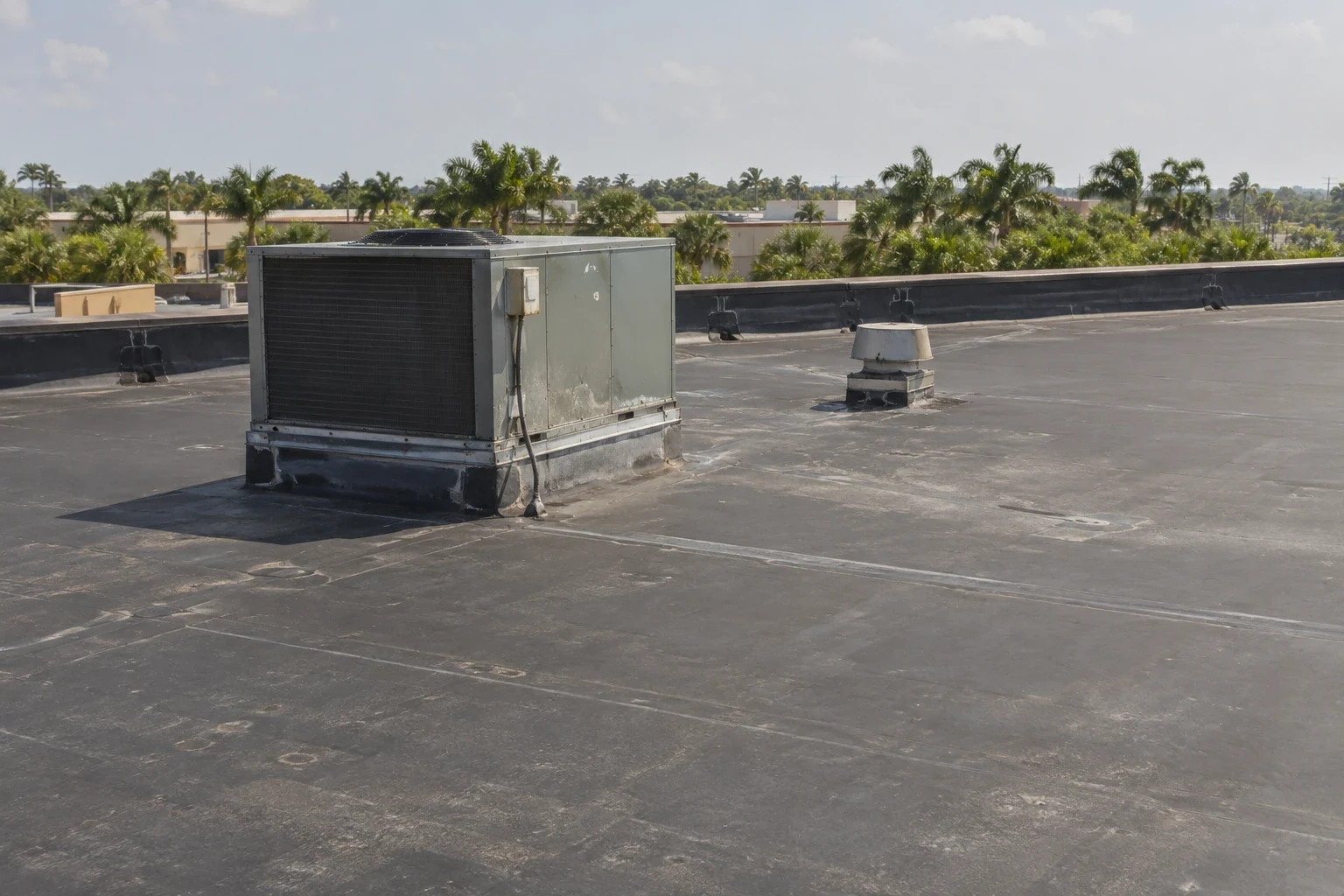
Before a metal retrofit, verify panel movement, attachment and closure details alongside drainage and edge transitions. We trace the water path from the panel field to gutters and outlets, noting ponding or a failed transition. A drainage review addresses outlets when present. After a storm, we inspect panel attachment and edge conditions before setting a repair scope.
How should wind findings be documented?
After wind, inspect each panel line as a connected assembly: panel profile, seam engagement, clips or exposed fasteners, ridge and eave closures, and trim. Photograph suspected movement at the connection and include a wider frame that fixes its roof location. Material delivery for a retrofit can use Miramar’s Turnpike, I-75, US 27 and US 441/State Road 7 connections, with I-95, I-595 and SR 826 as nearby regional links. Confirm the chosen truck approach, gate clearance and unloading limits with the property contact before ordering long panels or trim. Distinguish fresh displacement from corrosion, prior sealant and older repairs. A wind-damage assessment can specify replacement clips, fasteners or trim only after confirming the panel and supporting structure. Record temporary restraints and apply the approved attachment detail. Check whether underlayment, insulation or interior conditions require separate assessment before fastener changes are authorized.
More about Metal Roof Retrofit
When is panel restoration enough?
Localized fastener replacement, lap repair, or flashing correction may fit when panels and supports remain sound. Widespread corrosion, repeated stripped holes, significant deformation, or wet material can require a broader retrofit or replacement comparison. We map affected elevations and roof areas, then list which components can remain. If an opening reveals damaged substrate, the owner receives the condition and added quantity for approval before the work moves beyond the agreed boundary.
Cost depends on panel profile, fastener count, access, substrate, edge details, insulation, and any framing or engineering. A metal repair scope keeps those items separate. A new assembly changes the schedule with removal, new panels, clips, flashing, and fabrication. A replacement review can compare those quantities with a designed retrofit. The decision follows the documented load path and condition, not a surface appearance alone.
What should the work plan identify?
The site plan names roof access, material staging, equipment clearances, interior protection, and the area opened each day. The general contractor coordinates mechanical work before a new panel or flashing detail is installed. We set a dry-in point and keep drainage open while material is removed. If the retrofit requires multiple phases, the handoff shows how each temporary edge is protected until the next section begins. The closeout record maps replaced fasteners to panel rows and notes washer and seal condition at each repair. If matching panels or trim are delayed, keep the approved temporary detail in place and track each open item until the permanent assembly is complete.
Closeout includes panel locations, fastener and flashing work, photographs, approved changes, and maintenance notes. After installation, a maintenance program can track loose fasteners, sealant changes, gutters, and penetrations. Schedule a Miramar metal roof review. We will check the attachment and substrate, identify any needed test opening, and show whether the next budget step is repair, retrofit, or replacement.
Commercial Roofing Questions
Can every exposed-fastener roof be covered with a retrofit?
No. We verify panel condition, attachment, substrate, moisture, edge height, and structural support first. The selected design and engineer determine whether another assembly can be installed safely and how it must attach.
Should all roof screws be replaced during a retrofit?
The inspection identifies which fasteners have lost hold, which washers have failed, and whether there is a wider pattern. The repair quantity follows those findings and the system requirements, not an assumed count.
Will sealant stop a leak at a panel lap?
It can be part of a compatible detail, but it may not correct movement, corrosion, or a failed fastener beneath the lap. We inspect the panel connection and use a repair that matches the roof profile and water path.
What confirms storm-related metal roof damage?
We document panel movement, loose fasteners, displaced trim and interior water entry at the property. Photos identify the observed conditions and distinguish new movement from corrosion or older repairs.
What affects retrofit timing and price?
Engineering, panel measurements, fastener condition, substrate repairs, insulation, perimeter details, equipment work, fabrication, and access affect scope. We confirm those decisions before releasing material orders.
Miramar, Pembroke Pines, Davie, Hollywood, Opa-locka, Miami Gardens, Miami Lakes and Doral in Broward and northern Miami-Dade County.
Request a Roof Assessment
Send the building address and what the roof is doing. We reply with a roof visit date and a written scope.