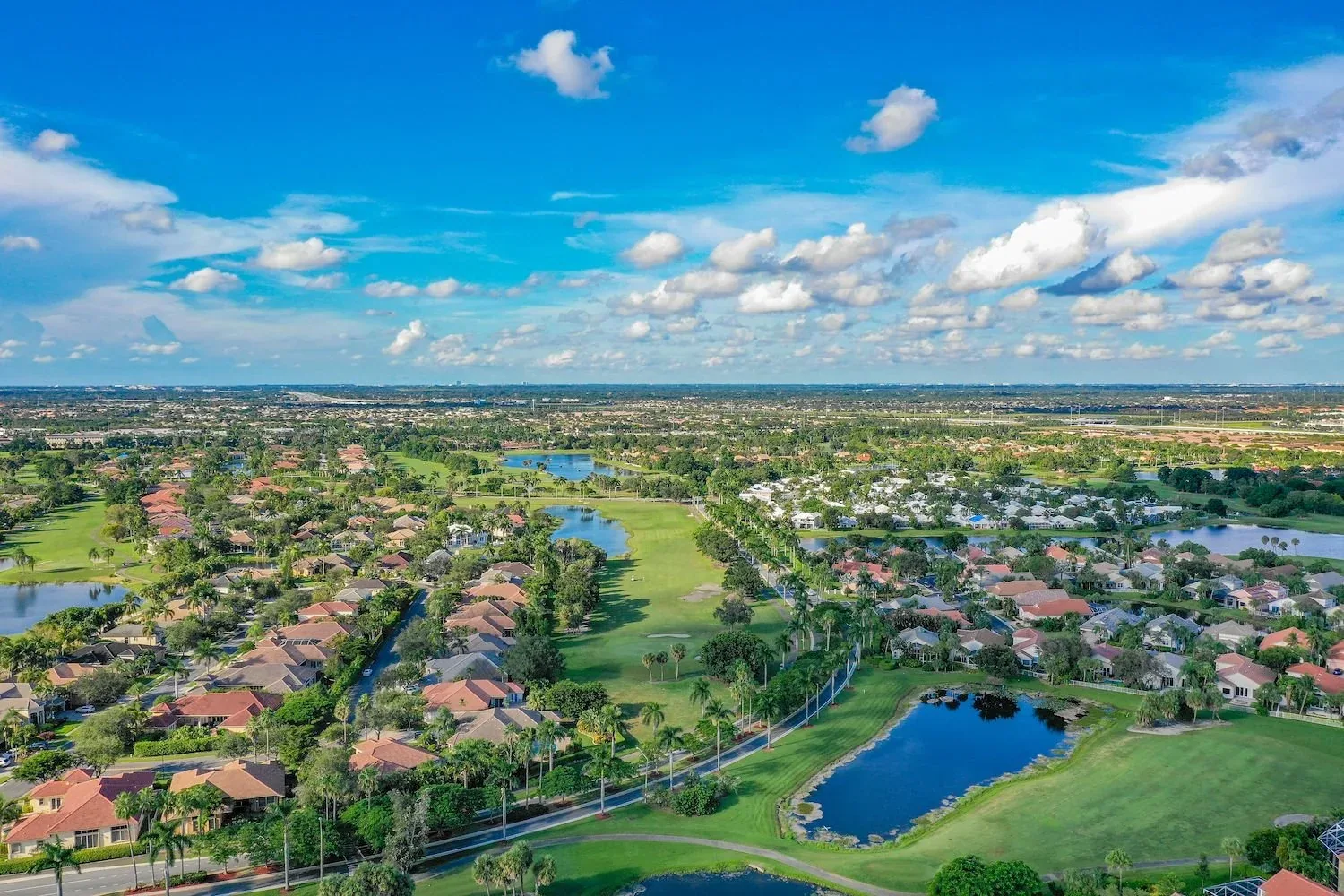
Retail, office and industrial properties in Pembroke Pines call for roof scopes that match the building in front of us. Pembroke Pines’ commercial footprint exceeds ten million square feet, with much of that development clustered along Pines Boulevard. We check seams, drains, curbs, edge metal and interior reports before recommending work. A commercial roof inspection creates the first location-marked record, while a Pines Boulevard corridor review can help owners coordinate nearby properties without assuming they share the same assembly.
What does the building use change on the roof?
A retail center may need customer access kept clear below a repair. An office property may have equipment or occupied rooms that affect access and notices. An industrial park may need material staging coordinated with deliveries. Its commercial inventory includes retail, office and industrial parks. We use that mix to ask better scheduling questions, not to infer the membrane, age or condition at a specific address. The roof walk establishes those details in person.
We begin by locating roof access, drains, penetrations, rooftop units and the reported interior symptom. Photos show the larger roof zone and a closer view of each defect. If water appears inside, we compare the report with laps, flashing and drainage above rather than drawing a repair boundary around the ceiling mark. A leak investigation may include targeted testing when the entry path remains uncertain. For a building that remains occupied, phased roof work can separate daily work areas and protection needs.
How does Pines Boulevard figure into service planning?
Pines Boulevard concentrates commercial development, including retail, so a multi-building schedule can involve shared deliveries and tenant access. Each roof still gets its own findings, quantities, and approval boundary. Confirm the property entrance, roof access, delivery windows, staging area, and tenant notices before opening a section.
Power, community, and neighborhood centers can have different operating hours, tenant entries, and loading needs. We coordinate barriers and work windows before opening a roof section. A drain review identifies whether outlet maintenance, a damaged bowl, or a membrane detail needs attention; a drain and scupper inspection records those items separately. When a roof has repeated patches, compare local work with a broader assembly review. A Pembroke Road corridor visit can be scheduled while retaining a separate record for each property.
When several properties share a manager, confirm which contact controls each roof entry and who can approve a scope change. A single visit calendar can coordinate the work while keeping measurements, photos, and repair quantities with their own building.
Which roof details deserve a closer look after weather?
South Florida rain tests drain paths, laps and flashing transitions. Wind can stress perimeter attachment, edge metal and equipment details. Pembroke Pines spans retail, office, and industrial uses, so we confirm the building's access points and occupied work areas before setting a repair sequence. After a reported event, we document visible changes and interior conditions, then separate the observations from any cause that needs more evidence. The result is a repair decision tied to the actual roof, not a weather headline.
Pembroke Pines also cites the Turnpike, I-75 and US 27 as major business access routes. The route information helps with service coordination; it does not replace site instructions or a roof inspection. For displaced edge material or open seams, a wind-related roof review records attachment and flashing evidence. If a moisture question remains after the surface walk, an infrared moisture survey can help identify areas for confirmation.
When does a local repair stop being enough?
A repair may fit when the defect is confined and the surrounding membrane, insulation and deck remain suitable. We check the lap, patch compatibility, flashing returns and moisture near the boundary. Repeated openings, broad wet insulation or loose edge attachment can point toward additional testing or replacement planning. A recover is considered only after the existing assembly, drainage height and applicable requirements are reviewed. The proposal states what is confirmed and what could change if an authorized opening exposes concealed damage.
For a retail or office property, timing can depend on tenant notices, roof access, material staging and how much area can be closed safely each shift. We plan the sequence around those constraints and identify a daily dry-in point. A replacement scope can compare removal and recover choices after the layers are understood. If the owner needs a system comparison, TPO roofing is one assembly to evaluate against the building's drainage, attachment and service needs. A building's location in a commercial district cannot determine its membrane, drainage or repair history. We confirm those conditions during the roof walk.
More about Pembroke Pines
What should remain in the property file?
Keep the roof sketch, dated photographs, repair limits, access notes, approvals and closeout images with the work order. Mark whether each finding was repaired, tested, deferred or left open. If a test opening is authorized, preserve its location and result so the next recommendation has a clear basis. That file helps a manager distinguish a completed patch from a nearby condition that still needs attention.
When Pembroke Pines property teams coordinate work across retail, office and industrial holdings, separate building records prevent one site's leak history from being applied to another roof. We can organize observations by roof section and identify which items affect water control, access or future capital planning. Schedule a roof review in Pembroke Pines, and we will mark the conditions that call for repair, testing or a longer-range decision. In Pembroke Pines, identify the affected building, access route and occupied area before confirming an inspection time.
A closeout record should state what the crew changed and what remained outside the approved boundary. If flashing was reset but adjacent membrane was not removed, note that distinction. If weather delayed the next work area, record the temporary condition and the date for return. That simple continuity matters when a new manager takes over or an old ceiling mark appears again. The photo record gives the next inspection a comparison point, while the repair notes show which details were actually addressed.
Commercial Roofing Questions
Can one roof proposal cover several Pembroke Pines properties?
We can coordinate the schedule and present findings in one program, but each roof needs its own inspection record, quantities and repair boundary. Retail, office and industrial uses have different access and operating constraints. Separate building sections make approvals and future comparisons clearer.
What should happen before a roof replacement is priced?
We inspect the existing layers, drainage, edge details, penetrations and visible moisture. If concealed conditions could affect quantity, the proposal identifies the test or opening needed and its approval limit. That gives ownership a decision point before removal expands the work.
Can a roof repair be scheduled around store or office hours?
We confirm roof access, occupant protection, staging and any limits on noise or material movement with the property contact. Work can be divided into secure daily sections when the roof and weather allow. The sequence is set from the site's actual operations.
Does a storm report prove my building has roof damage?
No. We inspect the roof and document the details that show movement, opening or water entry. A regional hazard is a reason to check relevant edges, seams, drains and equipment flashing, not proof that a specific property failed.
Which records make a future leak review easier?
Keep dated photos, the marked roof location, repair limit, materials addressed and closeout notes together. We also identify unresolved testing or access questions. The next visit can compare the same zone instead of rebuilding the history from an interior stain.
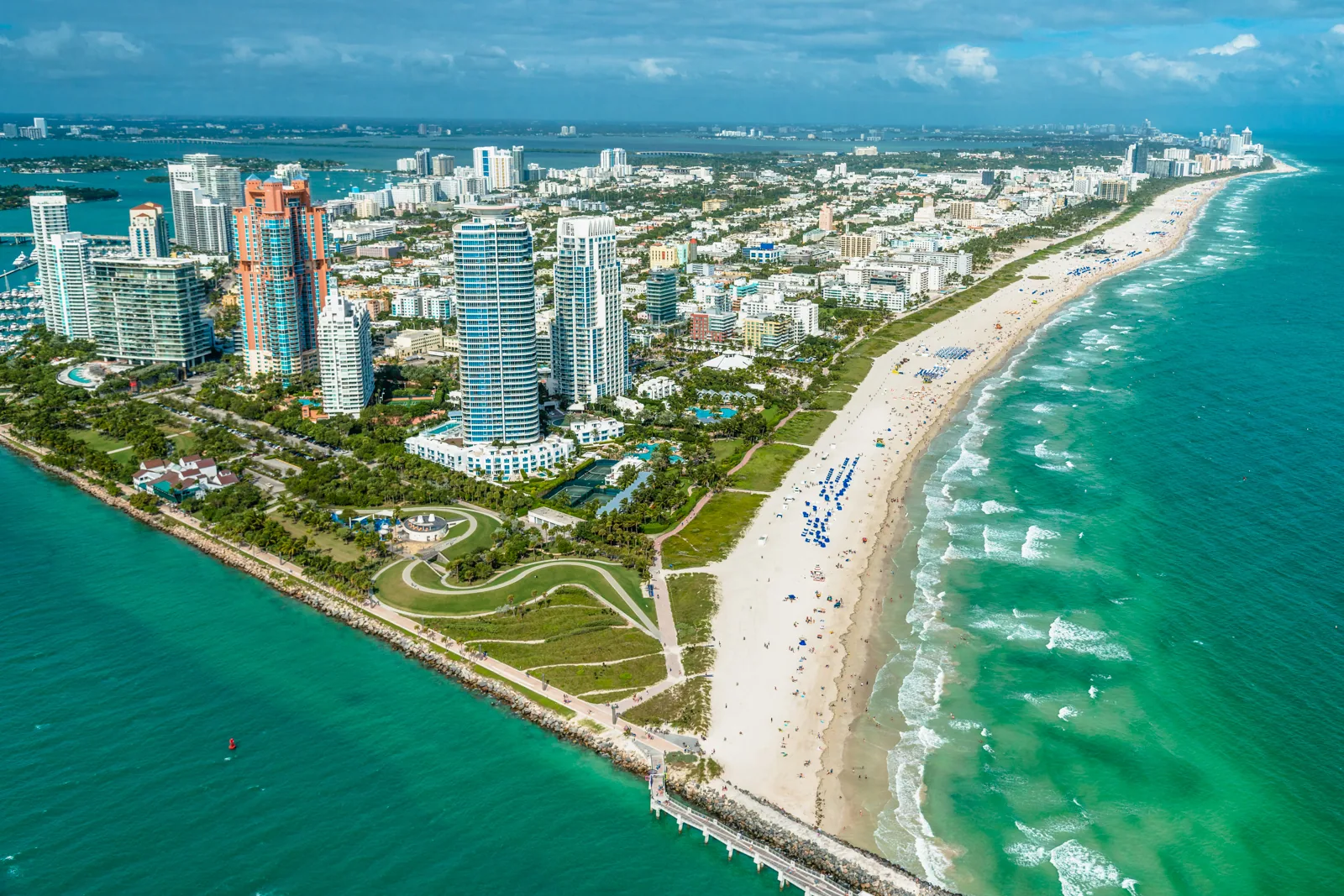
Miramar, Pembroke Pines, Davie, Hollywood, Opa-locka, Miami Gardens, Miami Lakes and Doral in Broward and northern Miami-Dade County.
Request a Roof Assessment
Send the building address and what the roof is doing. We reply with a roof visit date and a written scope.