
Storm Damage Roof Repair in Miramar, FL
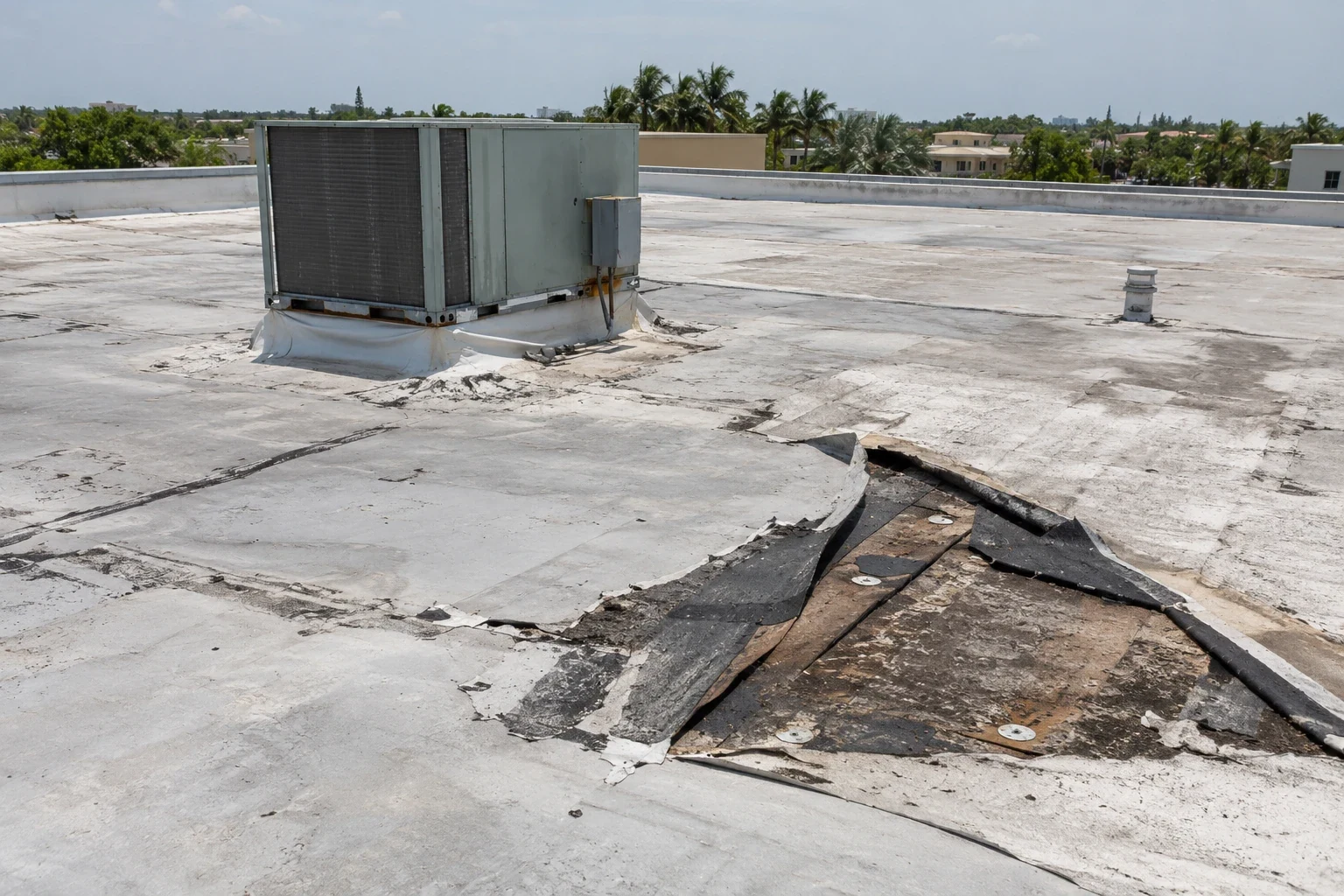
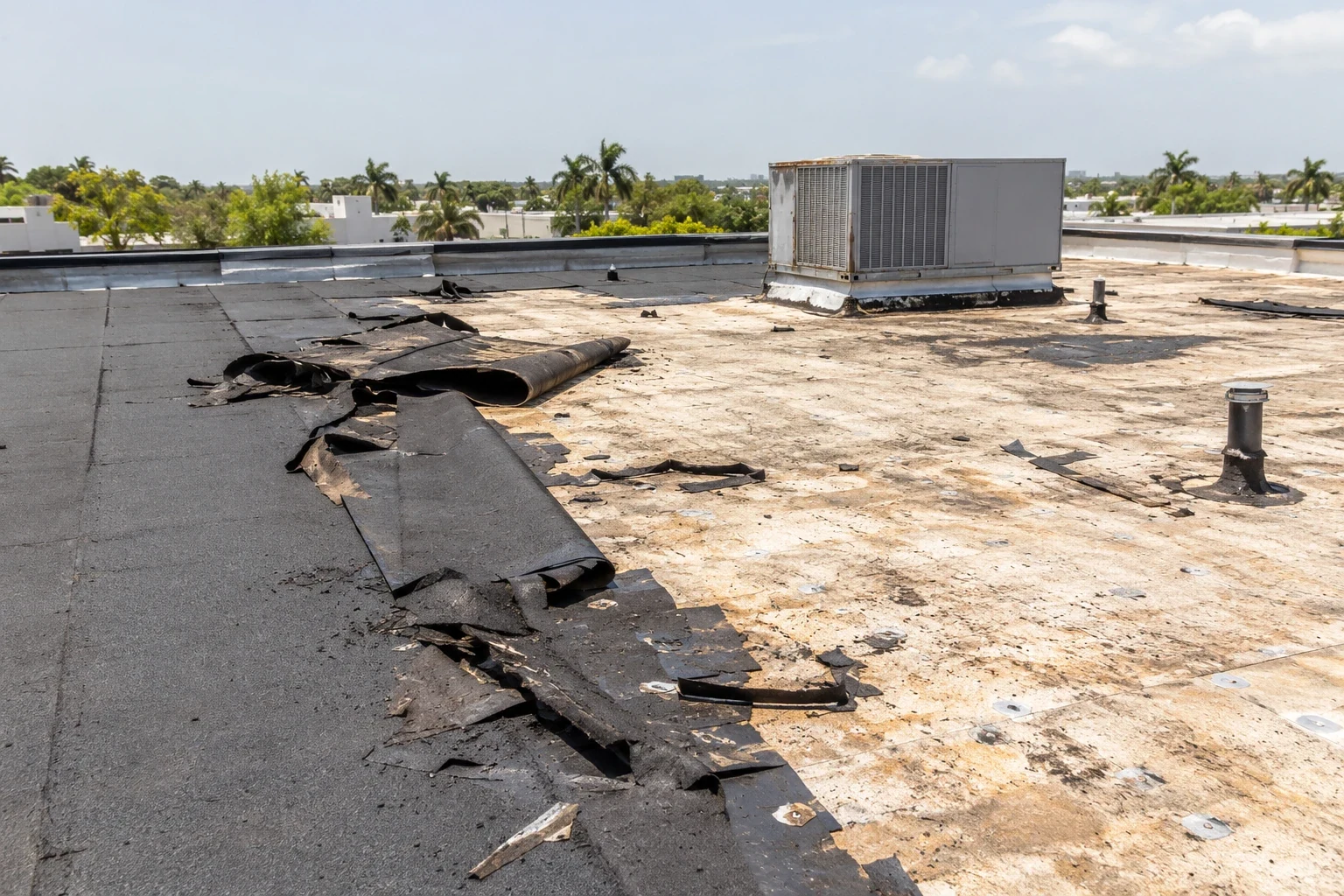
After a storm, a lifted edge or wet ceiling needs a recorded location before the crew covers it. After a storm report, we photograph displaced edge details and active openings before temporary protection changes the visible evidence. We check seams, edge metal, curbs, drains and interior reports, then photograph what changed and what appears older. Hurricane Katrina brought sustained winds around 80 mph in South Florida, showing why post-event attachment checks belong in the review. For Miramar roofs, inspect attachment, drainage and water entry after a reported event, then tie the repair scope to observed conditions. For active water entry, our emergency roof repair response can protect the interior while the permanent work is defined.
Miramar's land-use map includes industrial, employment-center, office-park and regional-activity categories. A storm review should note how rooftop units, drains and service paths interact on that actual roof. We confirm access, equipment restrictions and the owner's work window, then separate urgent stabilization from repair, testing or replacement decisions. The roof inspection record gives the owner dated photos and a clear repair boundary.
What should be protected before repair begins?
Control active water entry without hiding evidence. We identify affected interior areas, protect equipment and contents where authorized, and document the roof location above the report. A temporary cover or limited patch must be secured for the conditions and checked before the crew leaves. The work order states what the temporary measure protects, what it does not address and when a permanent inspection will follow. If water is near electrical systems or sensitive operations, the property contact coordinates the proper trade response.
Keep loose material, displaced edge metal, debris and damaged flashing visible until photographed. Record the weather report and date supplied by the owner, but do not assign damage to a storm from timing alone. A photo-based condition record separates observed impact, prior wear, temporary work and unanswered questions. The owner can then decide whether to approve a repair, additional opening or an insurance submission using consistent documentation. In the Miramar service area, we keep each condition tied to the inspected building.
Where can wind disturb the roof assembly?
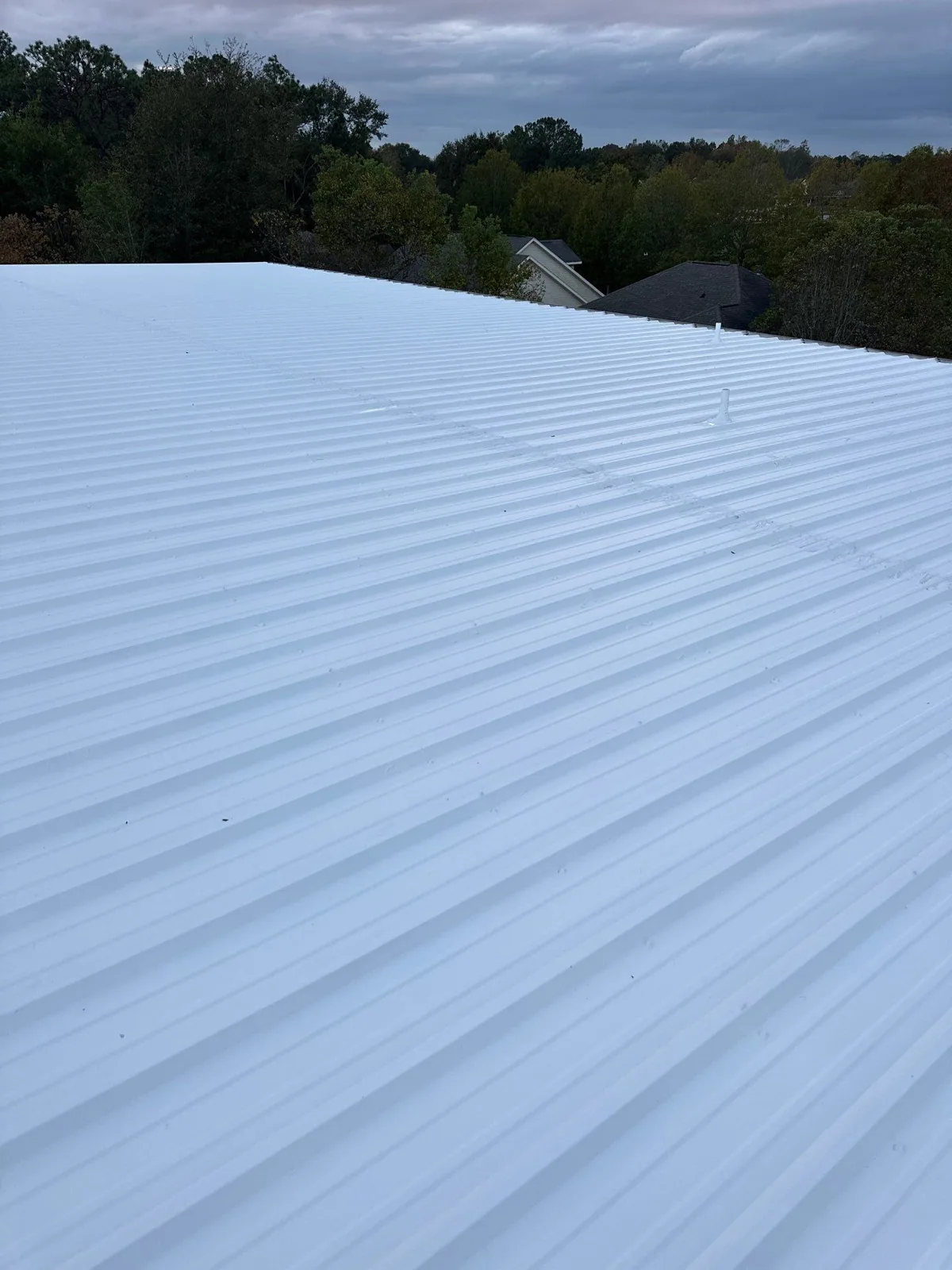
Build the storm record before deciding how much roof to open. Start with the report time, weather information supplied by the property, interior locations and any temporary measures already in place. On the roof, photograph each edge, corner, seam, curb and screen in a wider view, then take a close image that shows the actual condition. Mark the roof zone and distinguish moved metal from a membrane opening; one does not prove the other. A close photo of the edge fastener and adjacent membrane helps show whether movement extends beyond one detail.
Compare affected zones with nearby areas that appear intact, and note whether attachment, substrate or a concealed layer needs testing. Separate stabilization from permanent work so urgent protection can proceed while concealed scope remains unknown. Price an isolated detail separately from a multi-zone perimeter review.
For dispatch context, Miramar identifies US 27 and I-75 as principal routes, with I-95 and I-595 nearby. The property contact still confirms the entrance, roof access and delivery window. A wind-damage assessment can distinguish edge movement from field conditions, while claim file support scope organizes photographs and scope records without deciding coverage.
How will rain, hail, or debris affect the scope?
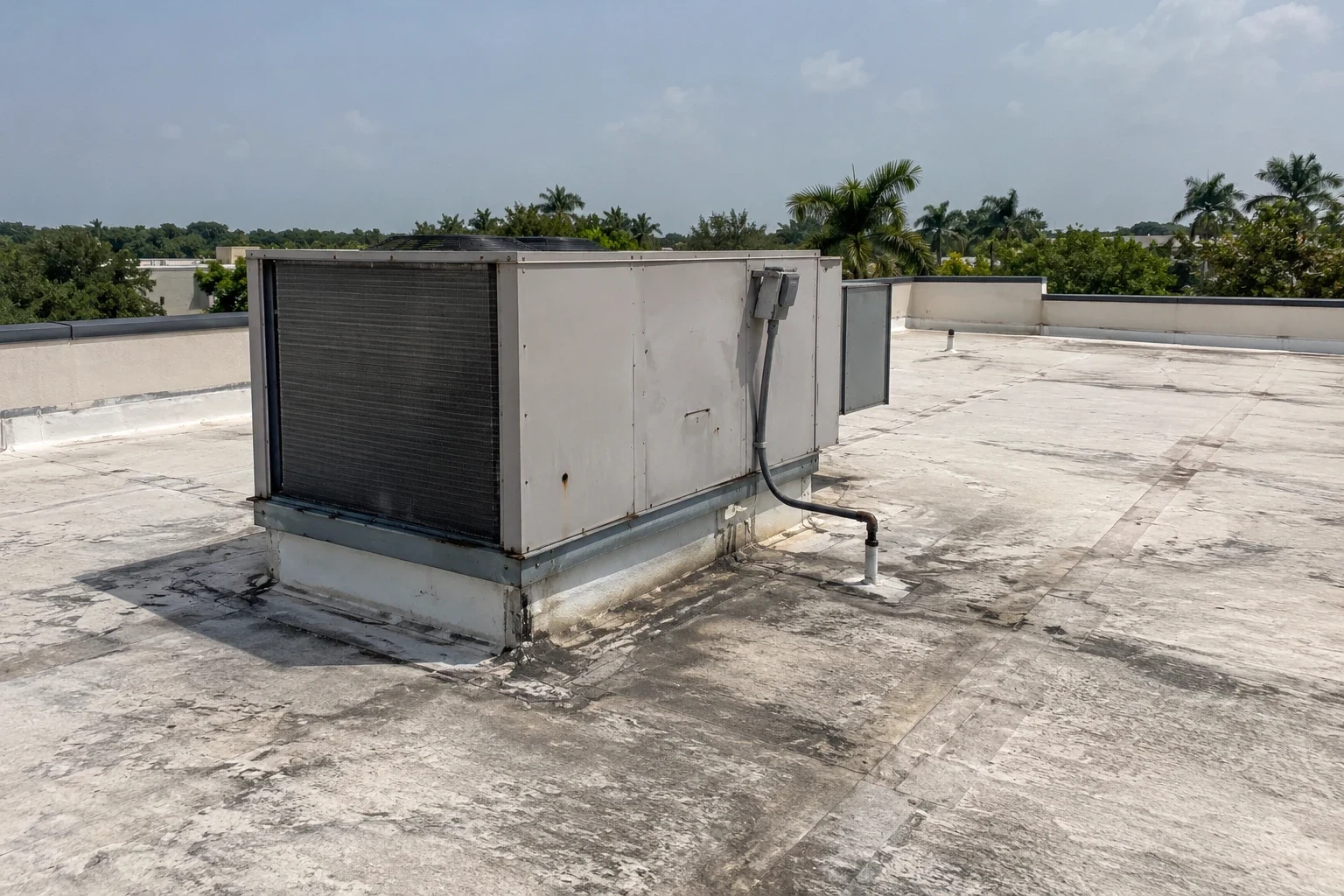
Heavy rain tests drain bowls, scuppers, overflow routes and every seam that has begun to open. We inspect the outlet, nearby flashing and the likely water path, then compare those findings with interior reports. Hail or flying debris may leave punctures, fractured surfacing or damage to rooftop equipment. We photograph both impact points and surrounding material, and identify when a closer test is needed. We record ponding and inspect the drain path; standing water alone does not establish storm damage or a structural issue. Miramar’s project-location description sets Town Center between four roads: Miramar Parkway and Miramar Boulevard form its south and north limits, while Red Road and Hiatus Road bound it west and east; the city also identifies I-75 and the Florida Turnpike Extension as access routes. That map reference can orient dispatch, but storm findings come from the property's roof and interior. The facilities contact confirms roof access, loading conditions, air intakes and areas needing interior protection. A drain and scupper repair may be included when a specific outlet detail is damaged; slope questions or deck concerns remain separately identified for review.
What repair boundary follows the evidence?
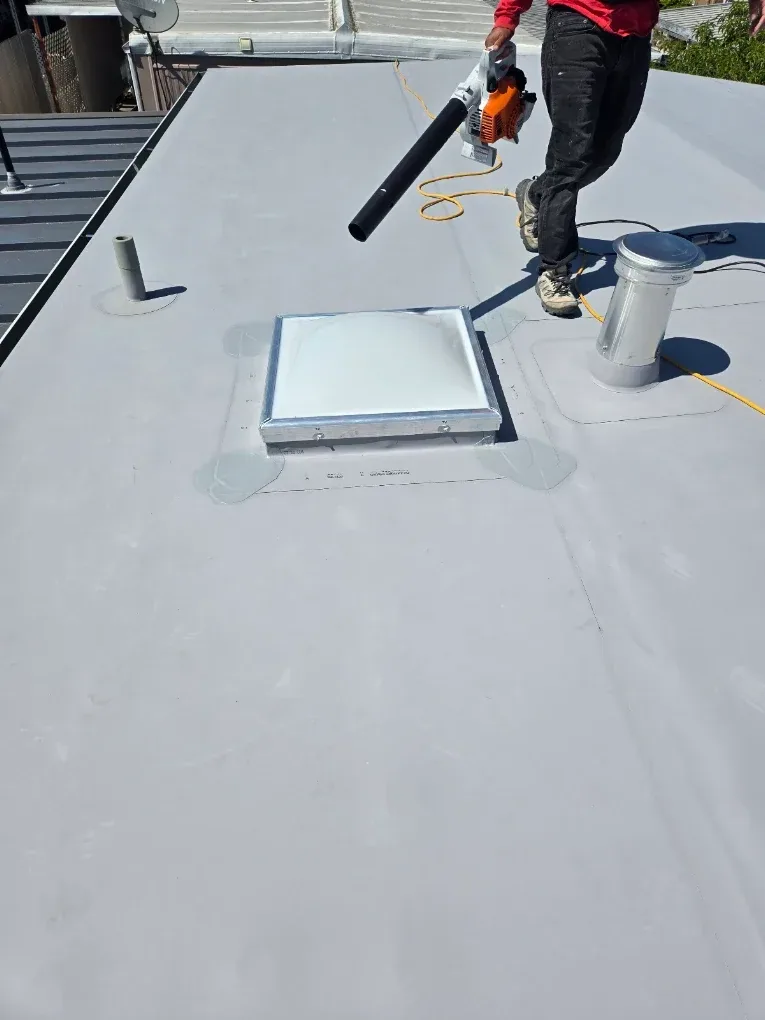
A limited patch is suitable only when the failed area is known and surrounding material can accept a compatible repair. If wet insulation, loose attachment or a damaged deck extends beyond the visible opening, the scope needs testing or removal before closure. We mark the boundary on a roof plan, list each detail and show any temporary protection already installed. An owner can approve urgent work first, then review follow-up repairs without mixing the two decisions.
Before dispatch, the property contact confirms loading, staging, roof entry and the available work window. We use those details to select a safe staging area and keep loading routes clear while the repair is underway. If the storm affects occupied space, the occupied-building sequence can define access, notices and daily dry-in. A follow-up maintenance visit can check repaired seams and drains after the storm work is closed out.

More about Storm Damage Roof Repair
What records help the owner make the next decision?
Keep the inspection date, weather report provided, roof plan, photos, interior reports and temporary work together. List which conditions are observed, which are suspected and which need testing. An estimate should separate emergency stabilization, permanent repair, concealed-condition allowance and replacement alternatives. Cost and timing change with access, material availability, wet insulation, deck work, equipment coordination and the size of the approved repair area. The owner can compare a contained repair with broader work using the same roof map.
The insurer and policy govern claim decisions. Our scope records roof conditions, completed work and supporting photos, while any cause question that needs more evidence is identified for review. Once the immediate issue is stable, set a return visit around system requirements and the property's operating schedule. A written closeout makes it easier to identify any new movement or water entry on a later inspection.
How does the crew close the storm repair?
Before leaving, check the repair edge, flashing, drain openings, equipment clearances and temporary protection. Photograph the finished work and label the roof section. If a test opening or an adjacent detail remains pending, identify who will authorize it and whether the roof is protected until then. The owner receives a list of completed work, exclusions and follow-up items. We keep the record specific to that building, even when the property is part of a larger Miramar portfolio.
South Florida weather can shift the order of work. The superintendent checks current conditions before opening another section and protects exposed areas at the end of the shift. Schedule a storm damage roof review in Miramar when the owner needs a documented repair boundary, not a broad assumption from the event name. We inspect the roof, protect active leaks and explain what evidence supports the next scope.
Commercial Roofing Questions
Can you tell whether wind or hail caused a roof condition?
We document observed damage, date information, prior repairs and the details affected. The report separates those observations from cause questions that need further testing or claim review.
What happens if water is still entering the building?
Our emergency response can protect the interior and secure an appropriate temporary measure. We photograph the roof condition and set a follow-up inspection for the permanent repair boundary.
Will you work with the insurance adjuster?
We can provide roofing observations, photos, measurements and a repair estimate for the owner's file. The insurer determines coverage and claim outcome.
Should a lifted edge be covered before inspection?
Photograph the location first when it is safe. We then protect the area and record any temporary work so the repair scope can distinguish the initial condition from stabilization.
How soon can the permanent repair be priced?
The timing follows safe access, visible conditions, material availability and whether testing or an opening is needed. We identify those requirements and give the owner the next decision point.
Miramar, Pembroke Pines, Davie, Hollywood, Opa-locka, Miami Gardens, Miami Lakes and Doral in Broward and northern Miami-Dade County.
Request a Roof Assessment
Send the building address and what the roof is doing. We reply with a roof visit date and a written scope.