Commercial Roof Coating Restoration in Miramar, FL
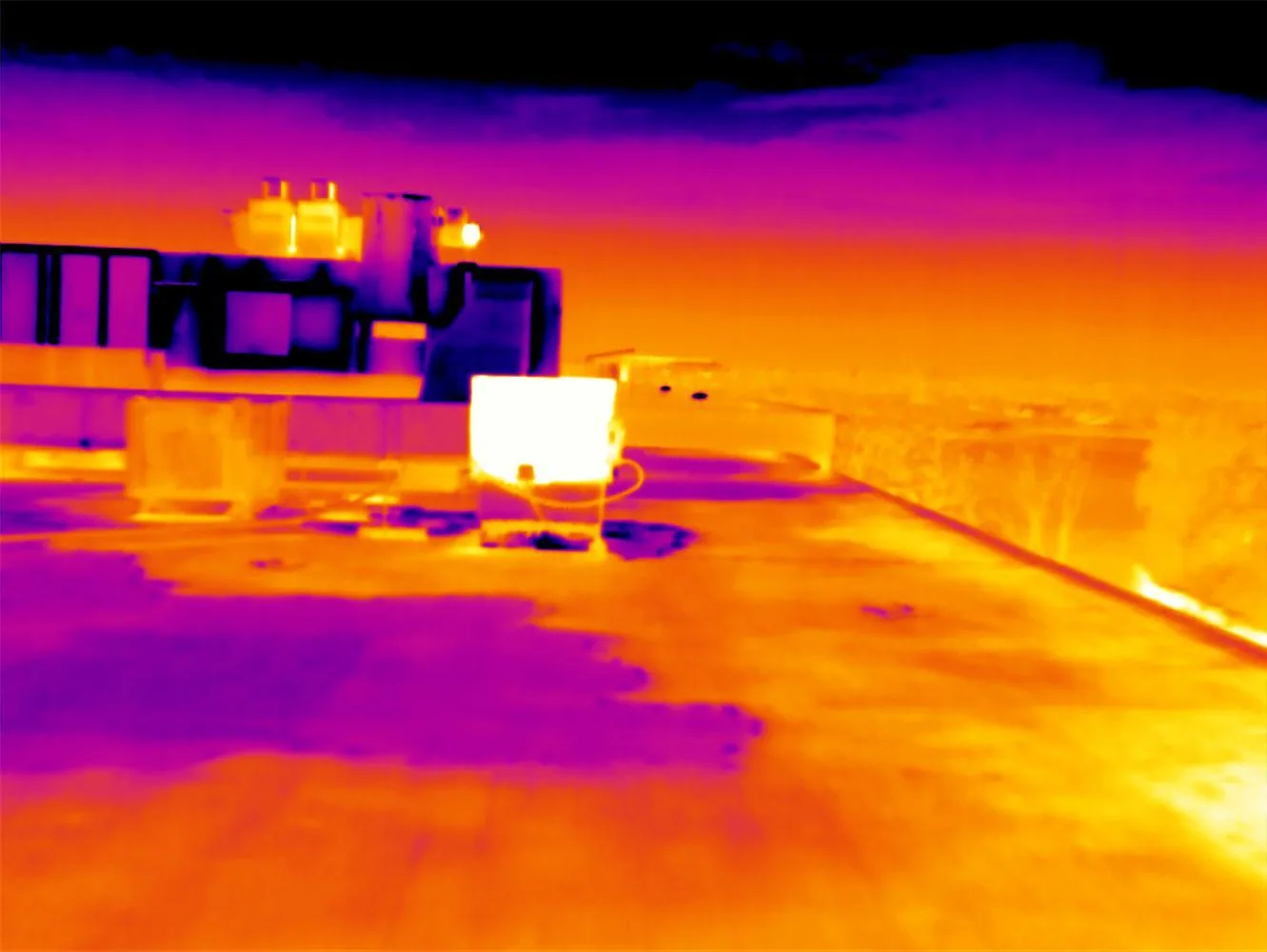
A coating belongs on a dry, stable roof, not over wet insulation or a failed attachment. Before coating is specified, confirm adhesion, moisture, drainage, and compatibility across a representative test area. That exposure makes the base condition matter before a new surface is applied. We inspect seams, drains, curb flashing, edge metal and prior repairs, then test areas where moisture is suspected. The owner sees which sections can be restored, which need repair first and which require a different budget step. A commercial roof inspection starts the review with marked locations and photos.
Miramar's land-use map includes industrial, office-park, employment-center, regional-activity and transit-oriented categories. That mix can put exhaust, rooftop units and service routes beside roof drains. We verify each building's layout instead of assuming a use from the district. If wet insulation, loose edges or deck damage appear, insulation and cover-board review can help define removal and repair limits before coating quantities are set. A coating restoration does not replace correction of an unresolved water path.
Is the existing roof a sound coating base?
Start by identifying the membrane or surfacing, its age if documented, prior coatings and repairs, and areas that hold water. We check adhesion, surface contamination, seam condition, penetration flashing and perimeter termination. A test area may be needed to confirm compatibility and preparation. If moisture is present below the surface, a coating can trap it and leave the underlying problem in place. We mark the affected area, explain the evidence and price any opening or drying work as a separate step.
The base review also includes drains, scuppers, curbs, skylights, expansion joints and metal edges. A sound field with failed details is not ready for broad application until those transitions are repaired. We document the surface cleaning, repairs, primer and reinforcement required by the selected system. The owner's records should show the substrate and preparation, not only the finished color. This gives the next maintenance visit a useful reference for seams, ponding areas and coating wear.
How does Miramar weather affect the work window?
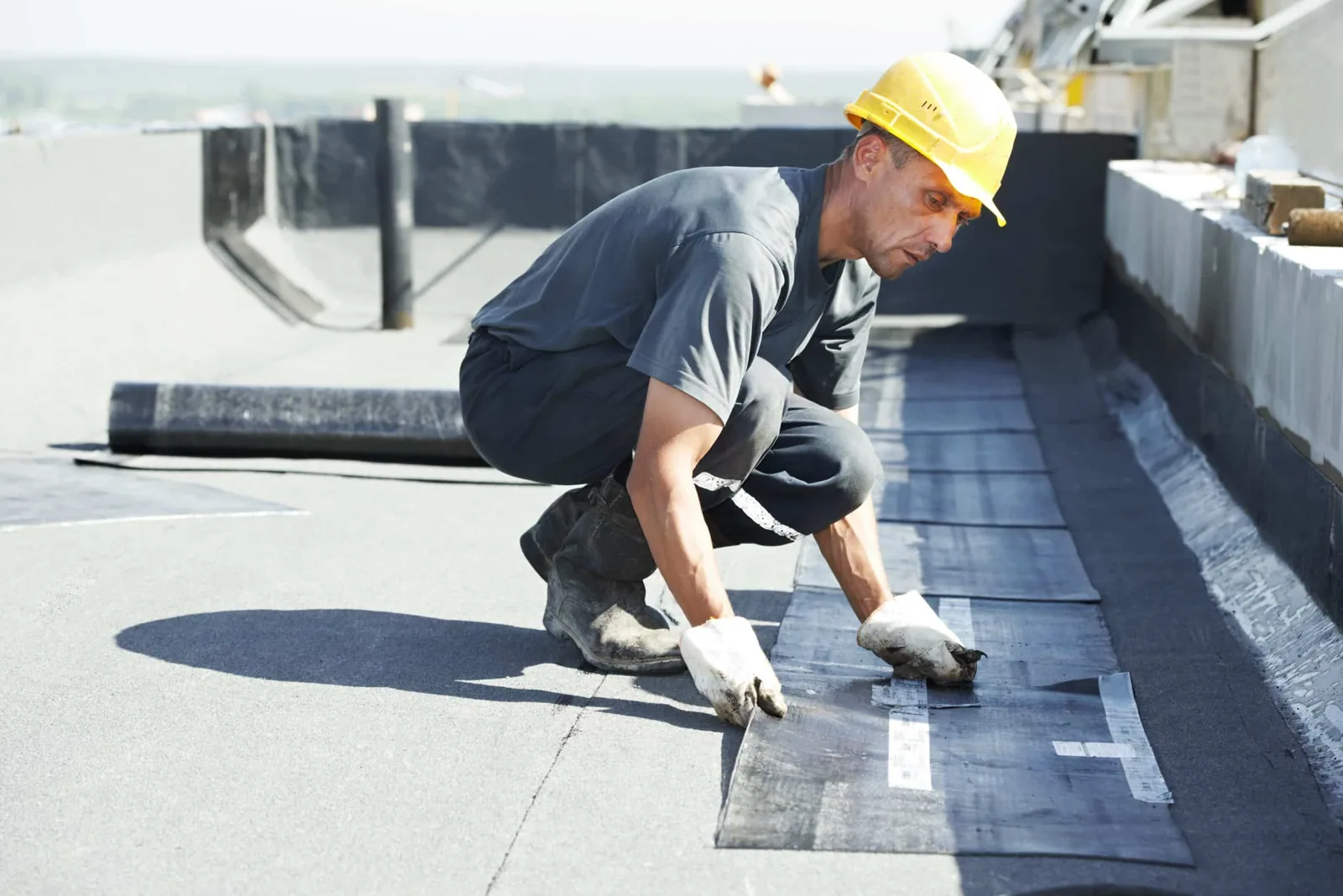
Coatings need a suitable surface and application window. Temperature, humidity, dew, rain risk and cure conditions influence preparation and sequencing. We check the manufacturer's requirements and current forecast before opening a section. Tropical rain can expose a missed drain or an incomplete termination, so the crew protects work at the end of the shift. A coating is useful only when the existing surface and underlying assembly support adhesion and continued drainage.
Before coating is specified, confirm adhesion, moisture, drainage, and compatibility across a representative test area. After a wind event, inspect edge attachment and flashing before applying a coating over the affected detail. Photograph movement, open seams and any temporary repair. A storm damage assessment can separate visible impact from older wear, while a wind damage scope identifies repair areas that need attention before restoration. Coating proceeds only after the substrate and details are suitable.
What happens to drains and rooftop equipment?
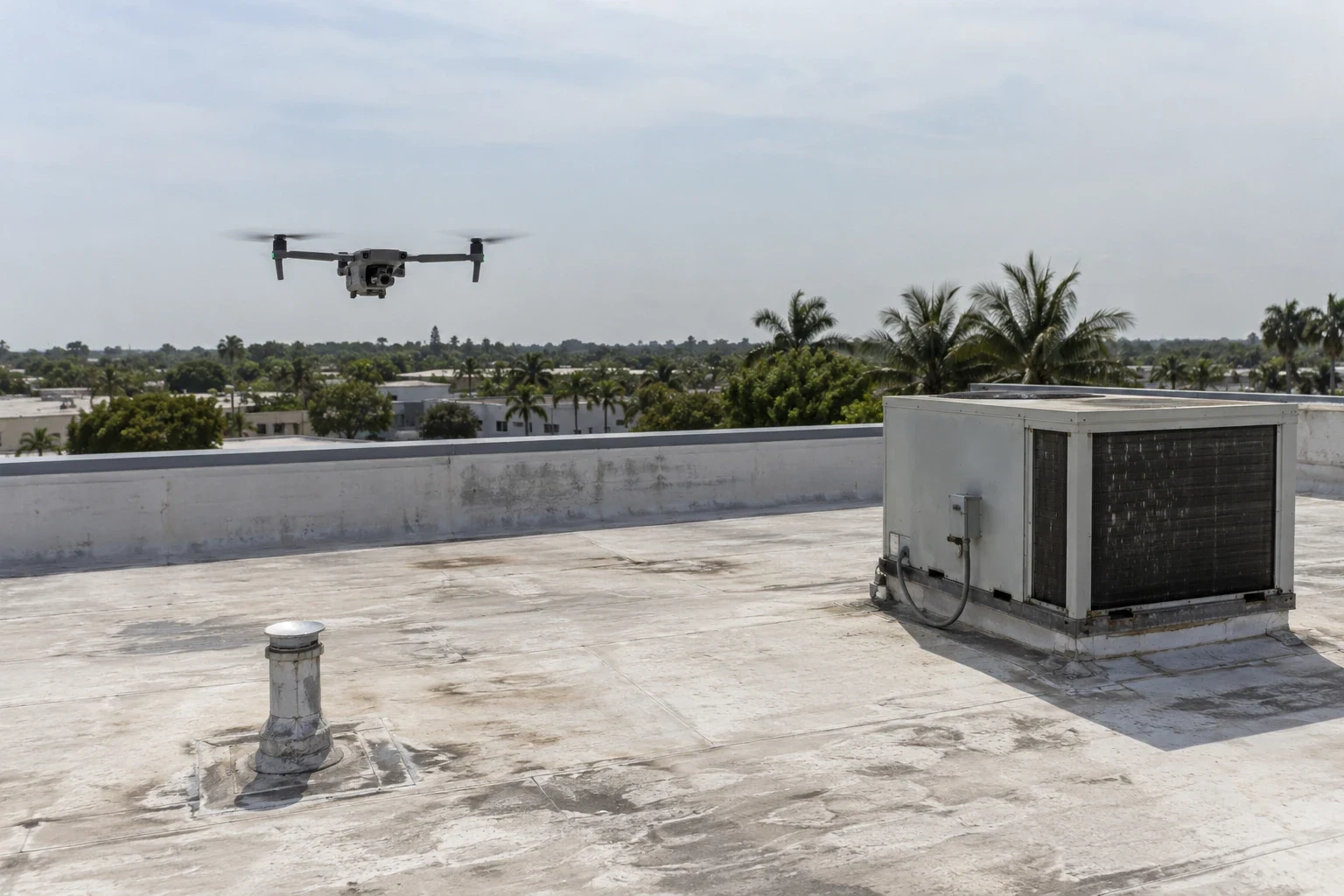
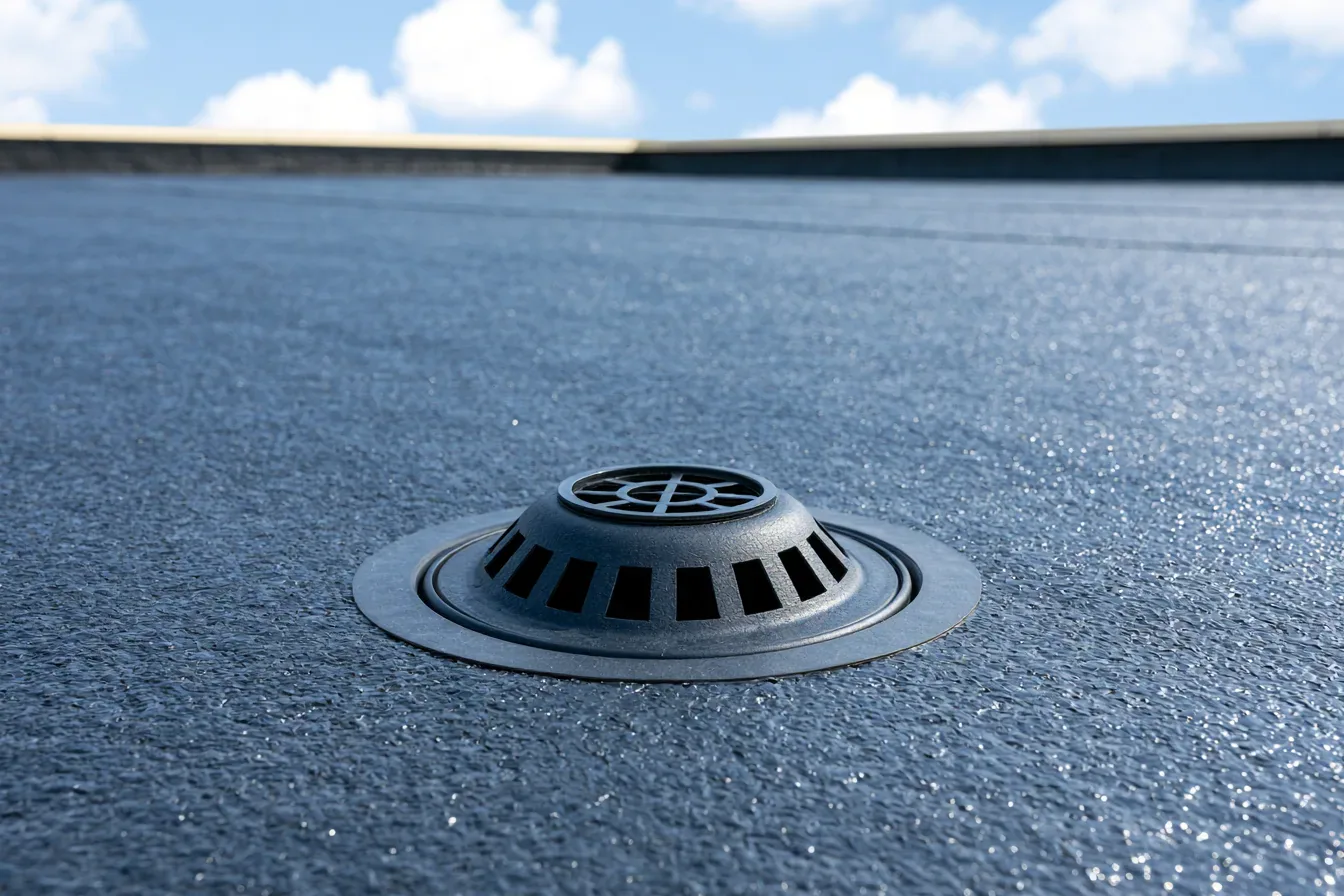
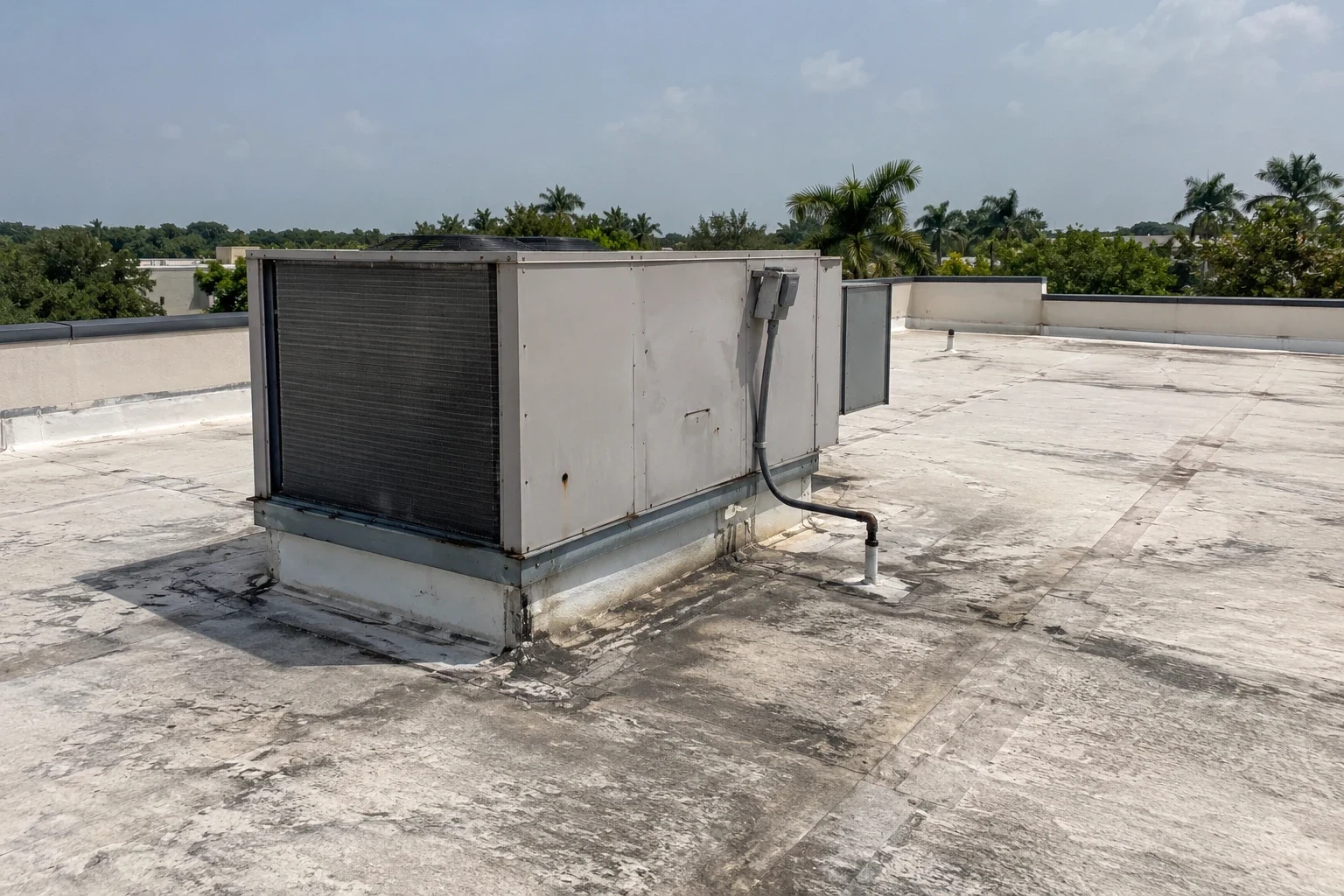
Coating cannot correct drain geometry, so map the bowl, strainer, scupper, overflow and surrounding slope before surface preparation. Record any debris, open detail or loose ring that needs correction first; an applied finish should not conceal an unresolved drain defect. Mark drain openings on the work plan and protect them during primer and coating so material does not close the flow path. At each curb, coordinate masking, flashing termination and equipment-service clearance with the property contact. Confirm who can approve a shutdown and whether another trade will alter a penetration before the finish cures. Photograph the completed detail and verify outlets are clear at closeout. A curb and support review can set those limits before the coating scope is priced.
Which coating system fits the roof?
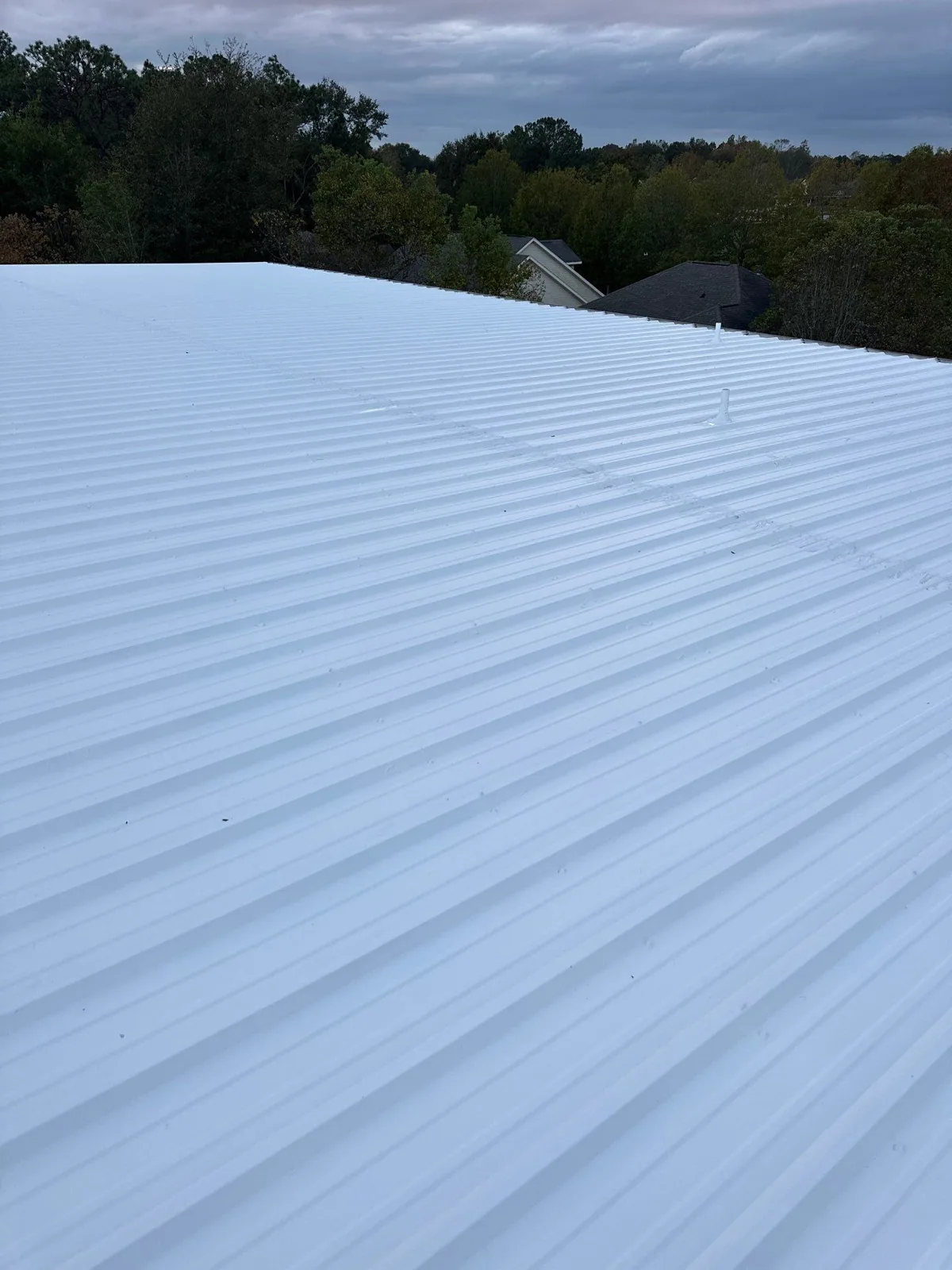
Choose a system from the existing substrate, compatibility, exposure, detail condition and project requirements. Silicone and acrylic products have different behavior around standing water, surface preparation and expected maintenance. The proposal names the specified system and lists primer, reinforcement, flashing and termination details. We do not call a coating a replacement unless the assembly scope supports that description. The selected product also needs an approved test area when compatibility or adhesion is uncertain.
A silicone roof coating system may be considered for a suitable substrate after the moisture and drain review. A different surface may need repair, recover or tear-off. If the roof has repeated failures, compare coating with targeted repair or a replacement plan using the same measured area. The proposal should explain cure window, access restrictions and the point where concealed damage would stop the application for owner review.
More about Commercial Roof Coating Restoration
How will coating fit an occupied property?
For occupied applications, sequence work to protect air intakes, loading and safe passage while the coating cures. Miramar's local approach network includes I-75, the Turnpike, US 27 and State Road 7; the property contact still confirms the approved gate and loading rules. Before mobilization, list sensitive equipment, occupant routes, shutdown authority and the roof zone that can be prepared during the forecast window. Use barriers at staging and keep uncured material away from drains and service paths. If weather closes the application window, leave the surface in the product's approved stopping condition and update the access plan. A phased occupied-building scope should state daily start and end boundaries, protection below, and who can release the area after cure requirements are met. Do not promise access restoration before that release. Notify occupants before changing a marked route, and document any area that stays closed until the coating has cured. At closeout, record treated area, held-back details, temporary measures and next inspection date so another trade does not disturb an unfinished termination. The manager receives a note if the return date changes.
What drives the coating budget and next review?
Cost changes with roof area, cleaning, repairs, primer, reinforcement, flashing footage, curb count, access and protection. Wet insulation or failed attachment can add removal and replacement work before coating begins. A clear estimate separates preparation from application and lists exclusions or test areas. Do not compare price per surface area when one proposal includes drain, edge and curb work that another omits. The owner can then decide whether restoration suits the budget and the condition record.
After completion, retain product data, application notes, weather conditions, treated areas and photos of details before and after work. Set maintenance checks from the system guidance and roof conditions. A maintenance visit can review drains, seams, terminations and wear without treating that visit as a new coating application. The Miramar commercial service area includes properties with varied operating uses, so each roof record should keep the owner's access instructions and repair history tied to its own building.
Commercial Roofing Questions
Can a coating go over a roof with wet insulation?
No. Moisture needs investigation and the affected material may need removal before restoration. We mark the test area, document findings and price repair work separately from the coating application.
Does coating fix ponding water in Miramar?
A coating follows the existing slope. We inspect drains and low areas, correct defined outlet issues when included, and identify any slope or structural question for separate review.
What controls the application date?
The substrate, surface preparation, temperature, humidity, dew and rain forecast must fit the manufacturer's application and cure instructions. We confirm conditions before opening the work area.
Can equipment stay in service during the work?
The facility contact and mechanical trade confirm operation, intake protection, clearances and any shutdown. We sequence the work around those verified instructions.
What should the closeout record include?
Record the system, treated roof areas, preparation, repairs, application conditions, photos, product documents and any details excluded or deferred for later work.
Miramar, Pembroke Pines, Davie, Hollywood, Opa-locka, Miami Gardens, Miami Lakes and Doral in Broward and northern Miami-Dade County.
Request a Roof Assessment
Send the building address and what the roof is doing. We reply with a roof visit date and a written scope.