Military Installation Roofing in Miramar, FL
A mission schedule can set the roofing work window before a crew reaches the roof. For a Miramar property, regional routes such as Florida’s Turnpike and I-75 are useful planning context, while the facility contact confirms the actual gate and delivery path. Access and operating rules differ by owner, so the facility contact confirms approved work areas, authorization steps and the schedule before a roofing scope is set. Work on a military or federal property starts with the facility's access rules, escort requirements, safety limits and approved schedule. We review the roof assembly and project criteria, then identify the work zone, protection and closeout record needed for the planned task. The scope can address a repair, replacement or weather response without disrupting active operations. A roof inspection and condition record gives the owner a clear starting point for that coordination.
What must be cleared before roof access?
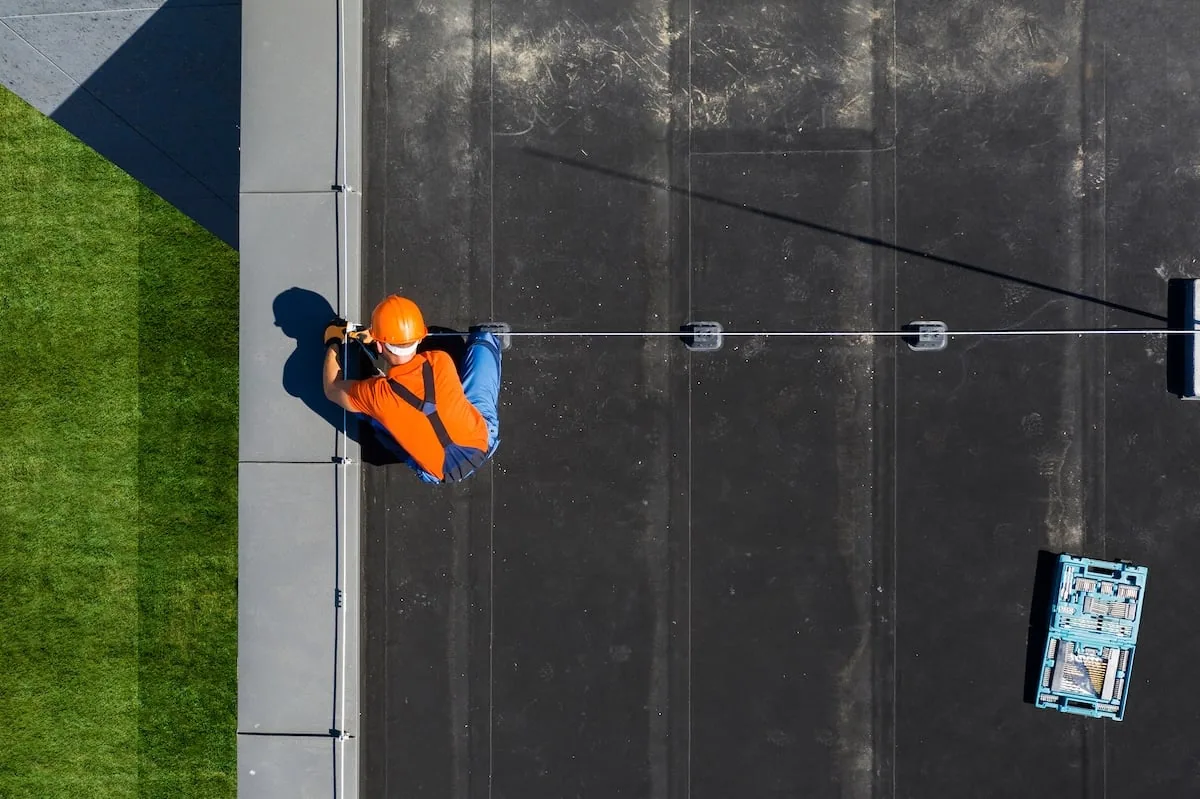
Base access is part of the project sequence. The facility contact establishes badging, escort, vehicle screening, approved entrances, tool controls and any limits on photography or communication. We identify who can authorize roof entry and when equipment may be shut down. A written access plan lists the approved crew, materials and routes while protecting restricted areas. The facility confirms badge and escort requirements for each project before the crew is scheduled.
Restricted sites may require separate approval for personnel, equipment, photography and movement through controlled areas. A project log records the authorized route, work window and released boundary. Those requirements are confirmed with the facility contact rather than inferred from a general service area. Coordination also accounts for any building systems that must remain available while work proceeds. The project team sets actual site requirements. We can provide crew and material details for review, mark approved travel paths and keep the work area within the released boundary. A written roof condition report can organize observations for the owner without exposing restricted information in public-facing project records.
How do UFC roofing criteria affect the scope?
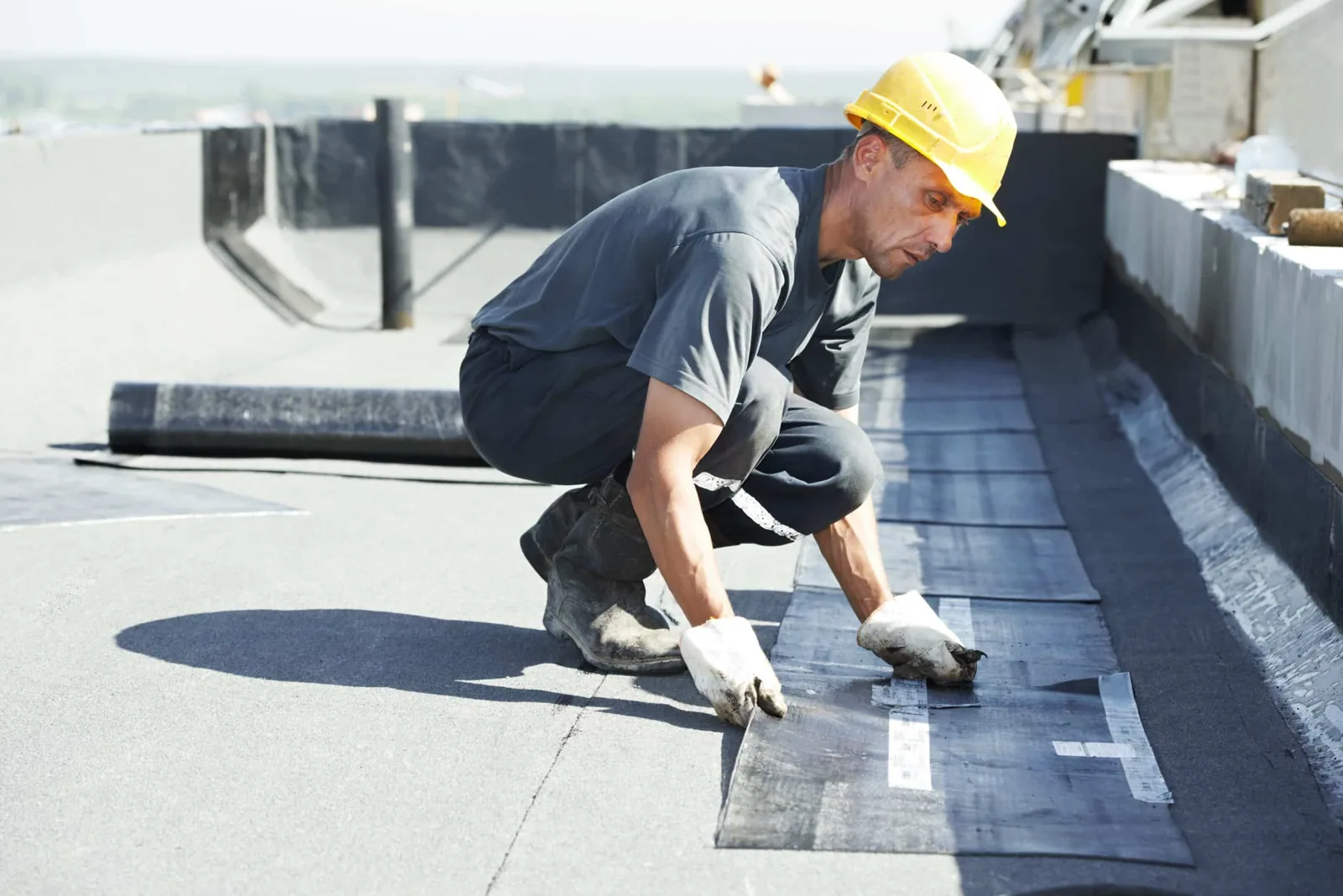
Military work may require roofing to follow the applicable Unified Facilities Criteria, project specifications and installation standards. We review the criteria named for the project before choosing material, attachment, insulation, flashing or testing details. The design professional and contracting authority resolve criteria interpretation and approvals. Our scope identifies roof work, product system and quality checks required by the contract, then follows the specified assembly.
South Florida weather adds practical demands at drains, penetrations, edge metal and attachment. An installation roof scope begins with the approved access chain and work boundaries, then ties observations to the authorized roof zone. We connect those exposures to the specified details and inspect the existing roof before proposing repair. If wind or water has affected a perimeter, storm-related roof assessment can document the observed condition. The project record separates field findings, criteria requirements and requested changes for the facility representative’s installation review.
Can the work fit around active operations?
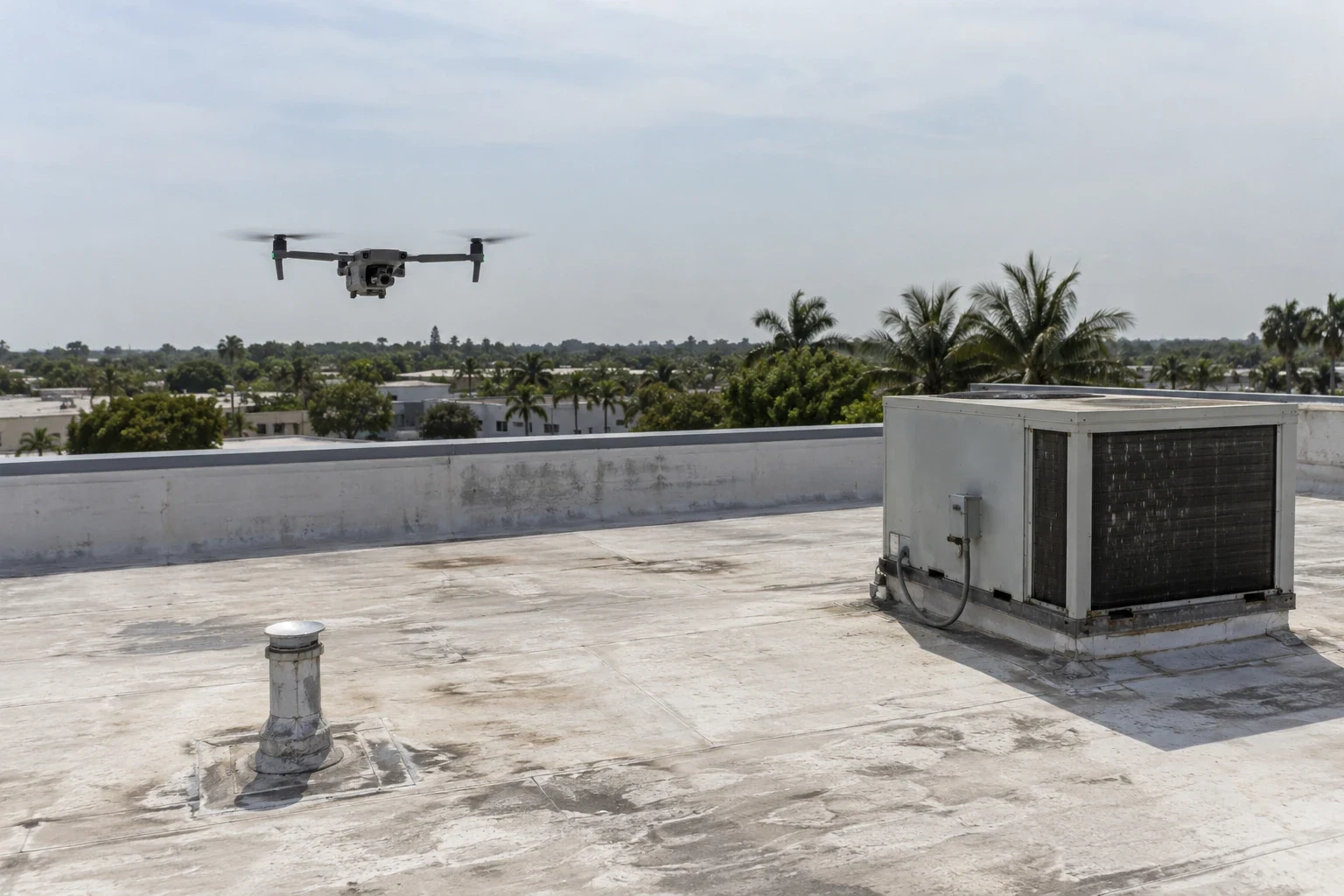
We plan the roof sequence with the facility contact, including the work window, noise limits, deliveries, lift locations and areas that must remain available. Equipment shutdowns are coordinated with the responsible operator or trade. The crew divides the roof into defined sections and closes each exposed area before moving on. If the project requires escort at the roof, the daily plan accounts for that time. A weather change can alter the sequence, so temporary protection and drain flow remain part of each shift's closeout.
Institutional properties may have operating windows and areas that must remain accessible. The designated representative defines those constraints before the work plan is set, and the scope records approvals, staging limits and protection requirements for the property under review. For healthcare portfolios, roofing for VA medical facilities can be scoped around building function. For each installation project, the facility contact sets operating constraints and approval steps.
What gets checked before a repair is closed?
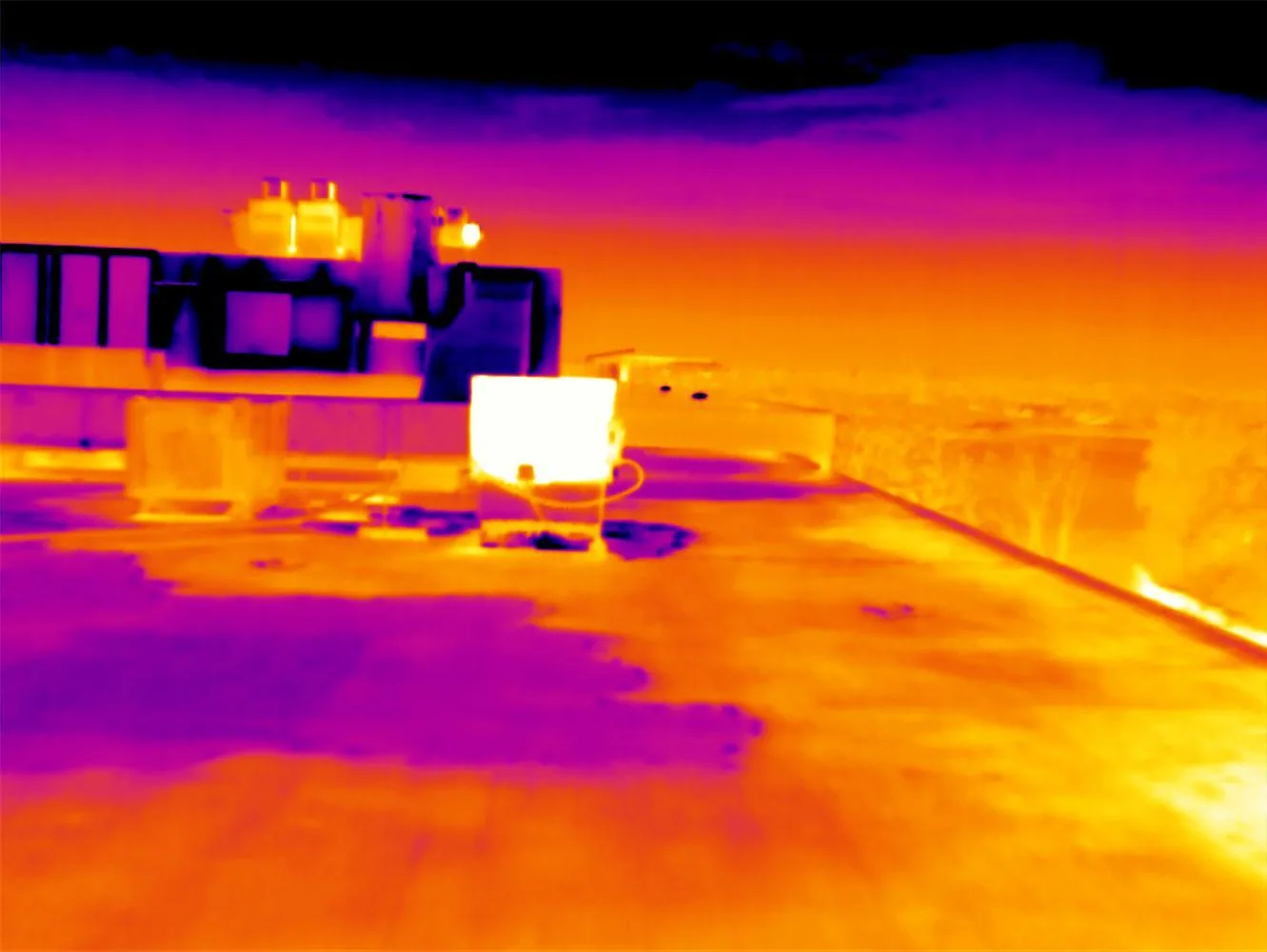
We inspect the membrane, seams, flashings, drains, roof edges, curbs and any area named in the work order. If removal exposes wet insulation or a damaged deck, we stop at the affected boundary, photograph it and request direction before covering the condition. That keeps an added repair tied to a location and an approval. For a smaller opening, we match the repair material to the existing assembly and verify the tie-in at each edge. The closeout record identifies what was completed and what remains outside the approved scope.
After severe weather, a roof review should note visible movement, water entry, debris impact and attachment concerns without assuming the event caused every existing defect. The installation contact coordinates escort, approved access and mission constraints before a roof work window is chosen. The emergency roof response review records the affected assembly, access protocol and any temporary measures separately from permanent repair. We stabilize water entry, document conditions and coordinate the next permanent repair through the approved contact. A roof condition and claim record can organize photographs and observed damage for an authorized review. The responsible agency sets coverage, contracting decisions and mission priorities.
More about Military Installation Roofing
Which records help the facility close the task?
Closeout should connect the approved scope to the work performed. We record roof sections, materials, concealed conditions, tests required by the specification, photographs permitted by the site and any remaining item. The facility can then compare the field record with its maintenance files and contract requirements. If access was restricted to a portion of the roof, the record states that limit instead of implying the entire assembly was inspected.
At restricted sites, the authorized contact confirms eligibility, credentials, escort rules and permitted work areas before scheduling. The project plan records any separate approval for a delivery, lift, test opening or photograph. The closeout identifies roof areas that access rules kept outside the inspection. Phased work can then distinguish immediate repairs from later maintenance while noting each action that requires facility direction.Commercial roofing near Miramar can be discussed with the property representative alongside a roof capital plan when the asset has phased needs.
Commercial Roofing Questions
Do you need a federal contract or clearance to inspect a roof?
Eligibility, access and credential rules come from the facility or contracting authority for each project. We follow those requirements before scheduling personnel or equipment. The owner can provide the applicable solicitation or access instructions so the proposed roofing scope and site procedures are reviewed together.
Who arranges escorts and roof access?
The installation's designated contact authorizes access and explains escort procedures. We coordinate our arrival, crew information, tools and work window through that contact. Access requirements can differ by facility and task, so the schedule is not confirmed until the site has approved the plan.
How do you keep roofing work from affecting mission operations?
Mission continuity starts with the facility's restrictions, operating windows, noise limits and equipment needs. We build the roof sequence around those directions, confirm any shutdown with the responsible operator and close each opened section daily. If conditions change, the site contact decides whether work continues or pauses.
Will the proposal follow UFC roofing criteria?
Project specifications and the supplied criteria set the starting point for the scope. We identify the applicable system and details, while the design professional and contracting authority resolve interpretation and approval. The proposal should make required testing, attachment and closeout documentation clear before work begins.
What happens if concealed damage is found during removal?
A concealed condition is photographed and kept protected while we request direction from the authorized representative. The record identifies the affected area and proposed correction before added work is approved. That step prevents deck or insulation repairs from being covered without a decision tied to the project scope.
Miramar, Pembroke Pines, Davie, Hollywood, Opa-locka, Miami Gardens, Miami Lakes and Doral in Broward and northern Miami-Dade County.
Request a Roof Assessment
Send the building address and what the roof is doing. We reply with a roof visit date and a written scope.