Big-Box Retail Roofing in Miramar, FL
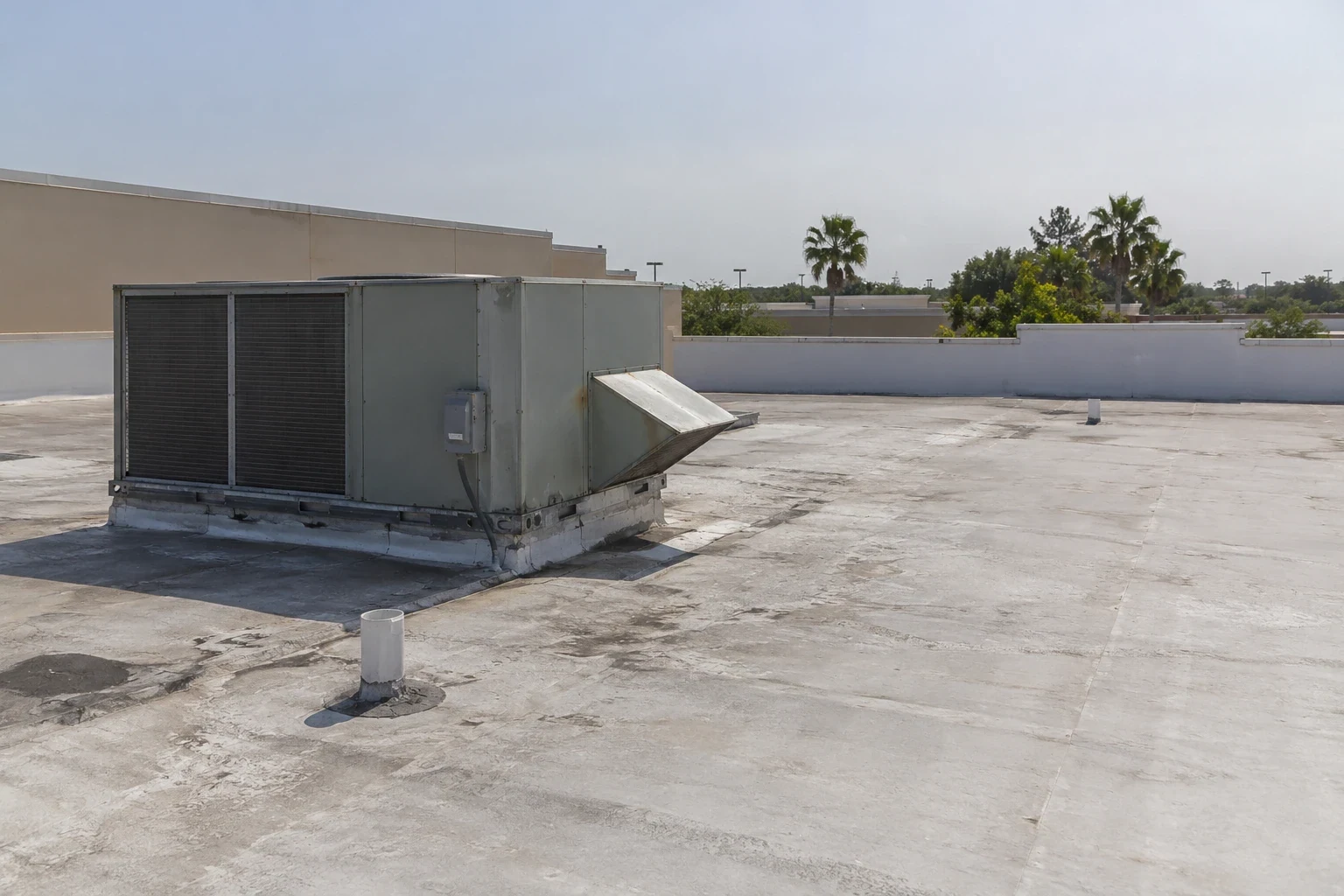
A large-format store often has a wide roof field, repeated rooftop units and a long perimeter that can make leak tracing difficult. We connect each interior report to a roof zone, drain or penetration and confirm whether water crossed a seam or edge. Miramar's planning map separates regional-activity and transit-oriented categories from office-park, employment-center, commercial and industrial uses. The city's land-use mix offers context only; the store's own roof layout, loading access and operating hours control the work plan.
Before material arrives, we confirm roof access, lift placement, loading hours and where the crew can stage without blocking customer or delivery routes. A Miramar roof assessment can distinguish a local seam repair from a larger moisture issue. Store staff should identify the sales or stock area below the opening and a safe aisle for protection. For receiving or sales exposure, an emergency roof response scope separates temporary protection from the permanent repair boundary.
What does the store operation change?
Receiving doors, customer entrances, drive aisles and rooftop service routes can all affect the work plan. We identify where a lift can sit, how materials reach the roof and which interior zones need protection. If refrigeration, exhaust or communications equipment must stay active, the property contact coordinates the responsible trade before a curb or support is disturbed. We keep the daily opening small enough to secure before the shift closes and confirm the dry-in boundary with the site lead.
A grocery-format store may need additional attention around cold equipment and stock; a general merchandise store may have different receiving and merchandise-protection needs. A shopping center roof plan can clarify shared access when several tenants occupy one roof, while grocery roof work considers refrigeration and food-service coordination. The building owner sets store operations. We define the roofing zone, protection and sequence that fit those requirements.
Where should the perimeter be inspected?
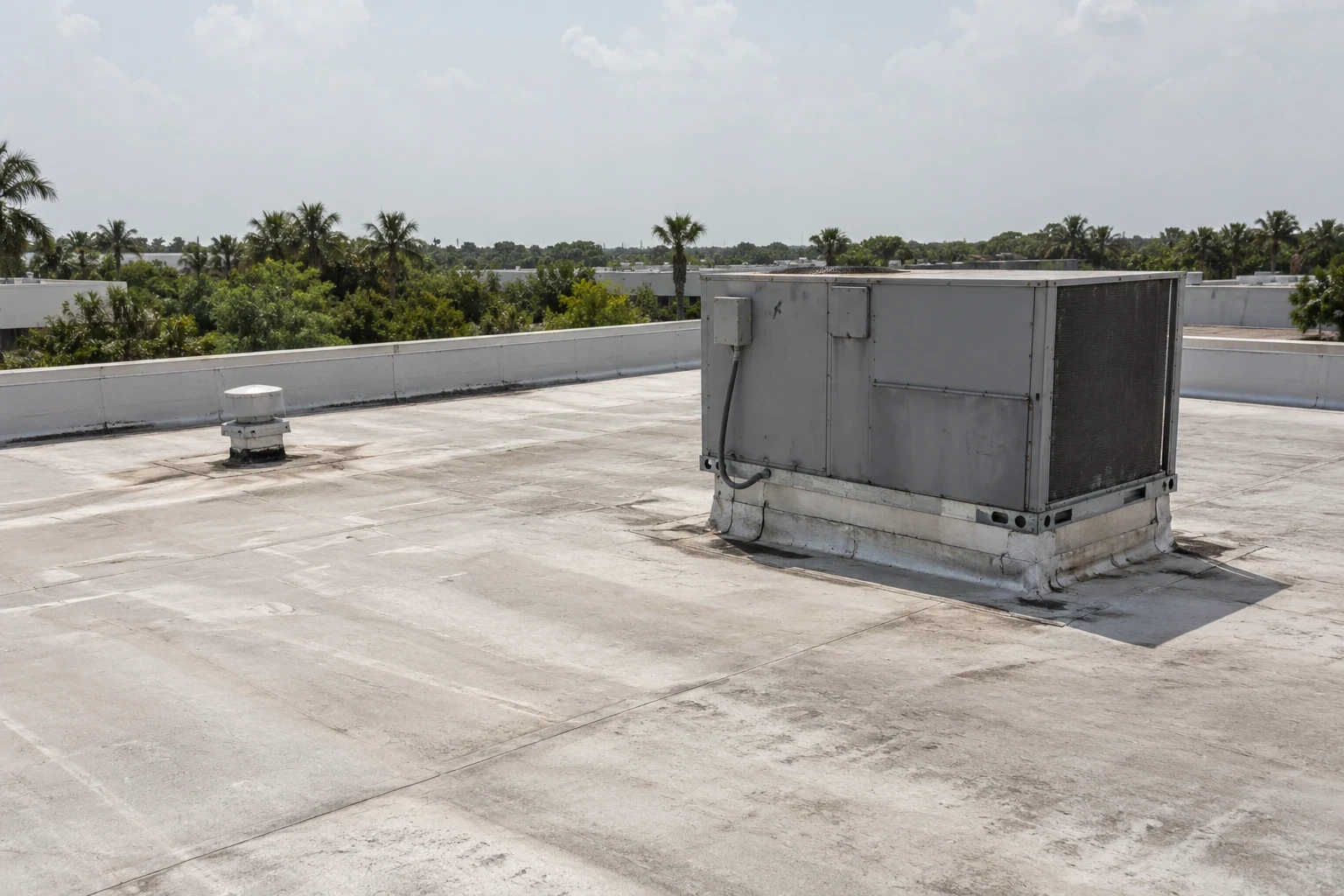
Large roof areas place more distance between a leak report and the nearest edge detail. We check corners, perimeter attachment, coping, gutters, sign supports, parapets and transitions around higher roof sections. Loose edge metal or an open termination can admit water even when the field membrane appears intact. We photograph the condition and mark its location before recommending repair. The scope includes adjacent flashing when a patch cannot be tied into sound material.
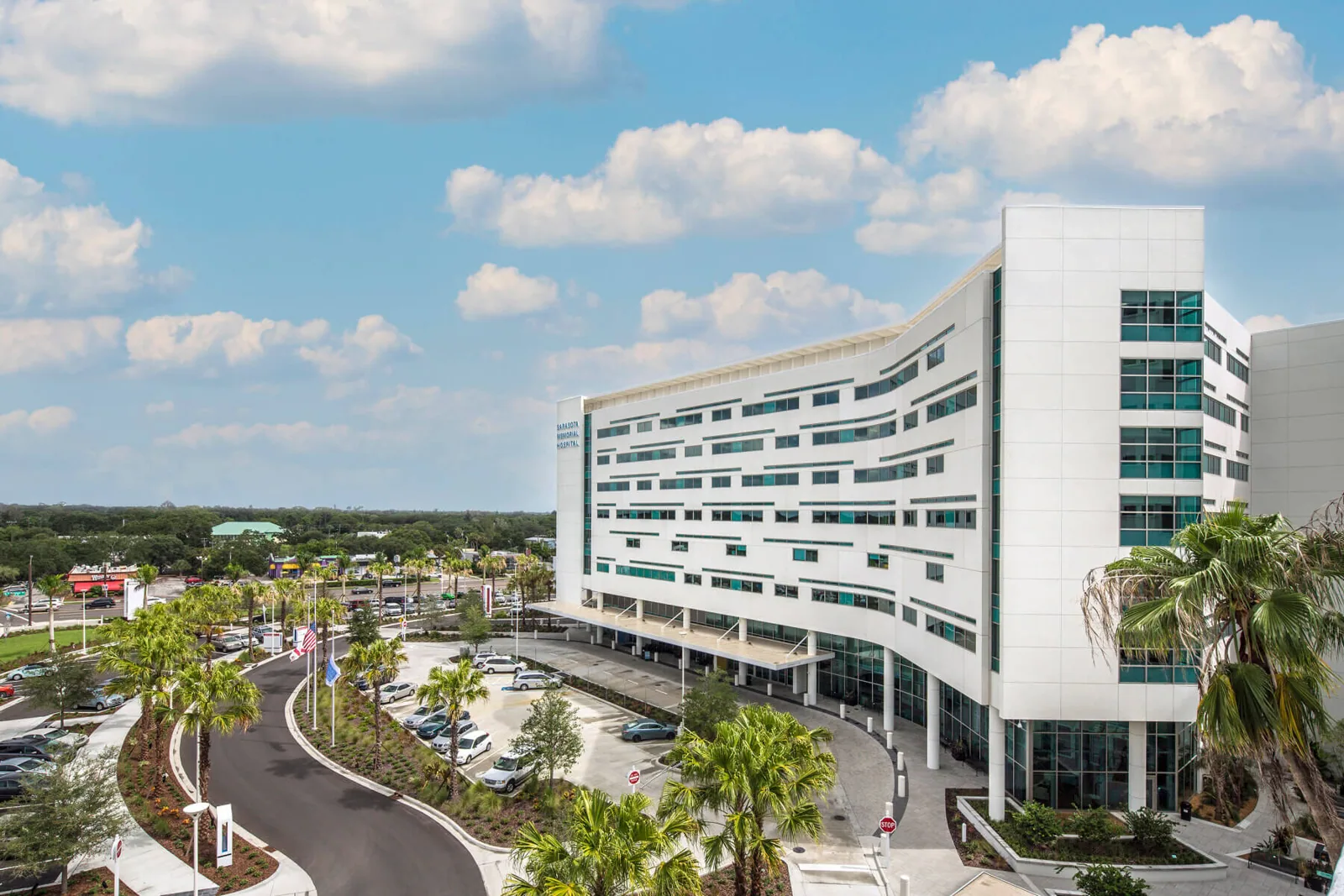
US 27 and Florida's Turnpike are two principal Miramar connections; I-95, I-595 and SR 826 add regional orientation. The property contact identifies the loading entrance, roof entry and staging area for the building. We address the roof transition and check adjacent seams and drainage so water is not redirected toward another weak detail.
What should follow a wind event?
National Weather Service reporting on Hurricane Katrina records sustained winds around 80 mph in South Florida and significant regional wind impacts. After a wind event, we inspect corners, perimeter attachment, rooftop screens, curbs, seams, and interior reports. Photos show observed movement or separation before temporary protection changes the evidence. Any remaining uncertainty is identified for testing.
Heat and heavy rain also affect roof work. Water can expose an open lap or blocked outlet, while high surface temperatures affect access and material handling. We plan an opening only when the crew can prepare and secure it under suitable conditions. A wind damage inspection records confirmed conditions and separates them from wear. For a claim, we can provide photographs and repair details; coverage decisions remain with the insurer.
When is a localized repair enough?
A patch may fit when the surrounding membrane remains secure, insulation is dry and the repair can tie into a sound seam or flashing detail. We prepare the surface, remove failed material to a stable boundary and test the completed tie-in. A puncture at one service path differs from recurring separation across a roof zone. The inspection report shows what is confirmed and where a test opening could change the quantity.
For a broad roof, infrared readings or surface observations can help select areas for confirmation, but they do not replace test cuts where concealed wet insulation must be verified. We explain the test location and the repair decision it informs. A moisture survey can help prioritize that work. A repair scope should identify access, equipment clearance, protection below and the closeout photos, not only the patch area.
More about Big-Box Retail Roofing
How can a reroof preserve store access?
Replacement becomes a stronger option when wet insulation is extensive, perimeter attachment has failed, or similar defects keep returning. We compare roof zones and identify tear-off depth, deck condition, insulation, drains, equipment moves and edge details. A recover is considered only when moisture, existing layers, deck capacity and edge height support another assembly. Hidden conditions stay subject to approval after the roof is opened.
Stores often need deliveries and customer access throughout construction. We plan staging, lift dates, work areas and daily tie-ins with the operating contact, then sequence roof zones that can be closed safely. A replacement estimate separates confirmed tasks from concealed assumptions. For a compatible assembly, a TPO system review addresses membrane seams, attachment and flashing details. Cost and timing also change with disposal, equipment clearance and weather windows.
What should the asset record show?
Keep marked roof plans, photographs, repair limits and closeout notes with the store's maintenance record. We identify the zone, seam, drain or curb shown in each photo and note any area that could not be reached. That record can help compare a future leak with the earlier condition. It should distinguish completed repair from follow-up testing or a larger replacement recommendation.
A maintenance visit can check drains, roof traffic paths, fasteners, seams and perimeter details before routine wear becomes urgent. For multi-store ownership, condition and urgency can be compared across properties. Schedule a big-box roof review in Miramar. We will document the roof zone, clarify store access needs and set the next repair, test or renewal decision from observed conditions.
Commercial Roofing Questions
Can a roof repair be done without closing the store?
Often the store can remain open when the roof zone, lift path and work below can be separated safely. We coordinate deliveries, customer entrances, equipment and protection with the property contact. The daily plan limits exposed roof area and identifies any temporary restriction the store needs to communicate.
What should we check after high winds?
We inspect edge attachment, corners, coping, rooftop screens, curbs, seams and any reported interior water. Photos document what moved or separated. Field observations and any tests needed to confirm concealed conditions determine the repair scope at a store.
What should a leak report near receiving include?
Identify the receiving bay or sales area, note whether water is still entering, and confirm who can provide safe roof access. The inspection records the affected detail and separates temporary protection from permanent repair. Material availability, surface conditions and the work boundary shape the repair plan.
How do you avoid disrupting rooftop equipment?
We map curbs, service clearances and equipment routes with the property contact before work begins. If equipment must move or stop, the responsible trade coordinates that task. The roofing scope identifies flashing or membrane work at each curb and protects nearby components during removal and installation.
What raises the cost of a big-box reroof?
Tear-off, deck repairs, wet insulation, drains, edge metal, rooftop equipment, staging and occupied-store protection all affect quantities and work sequence. We separate confirmed scope from conditions that can only be priced after opening the roof. That lets ownership review each cost driver and phase.
Miramar, Pembroke Pines, Davie, Hollywood, Opa-locka, Miami Gardens, Miami Lakes and Doral in Broward and northern Miami-Dade County.
Request a Roof Assessment
Send the building address and what the roof is doing. We reply with a roof visit date and a written scope.