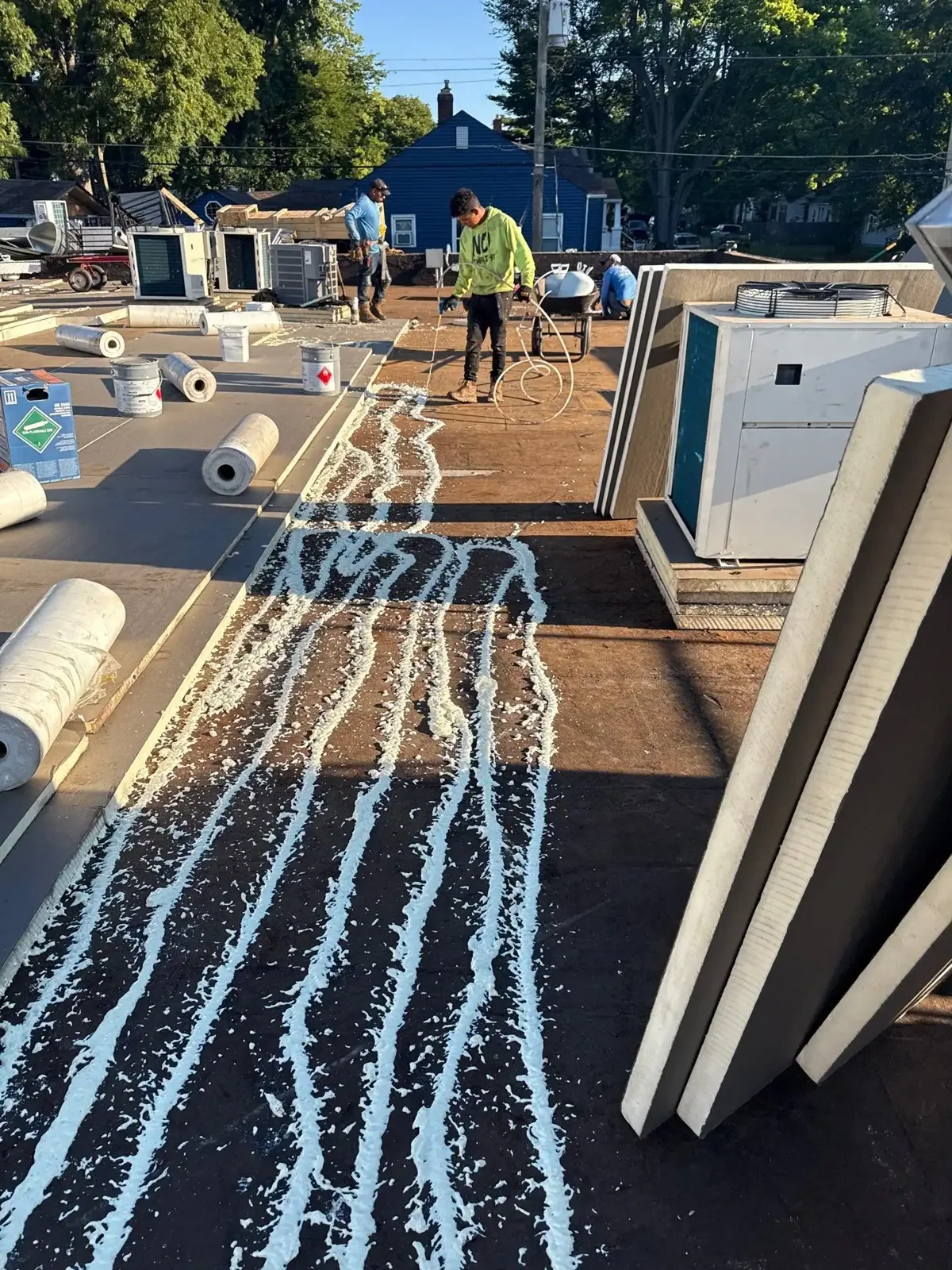
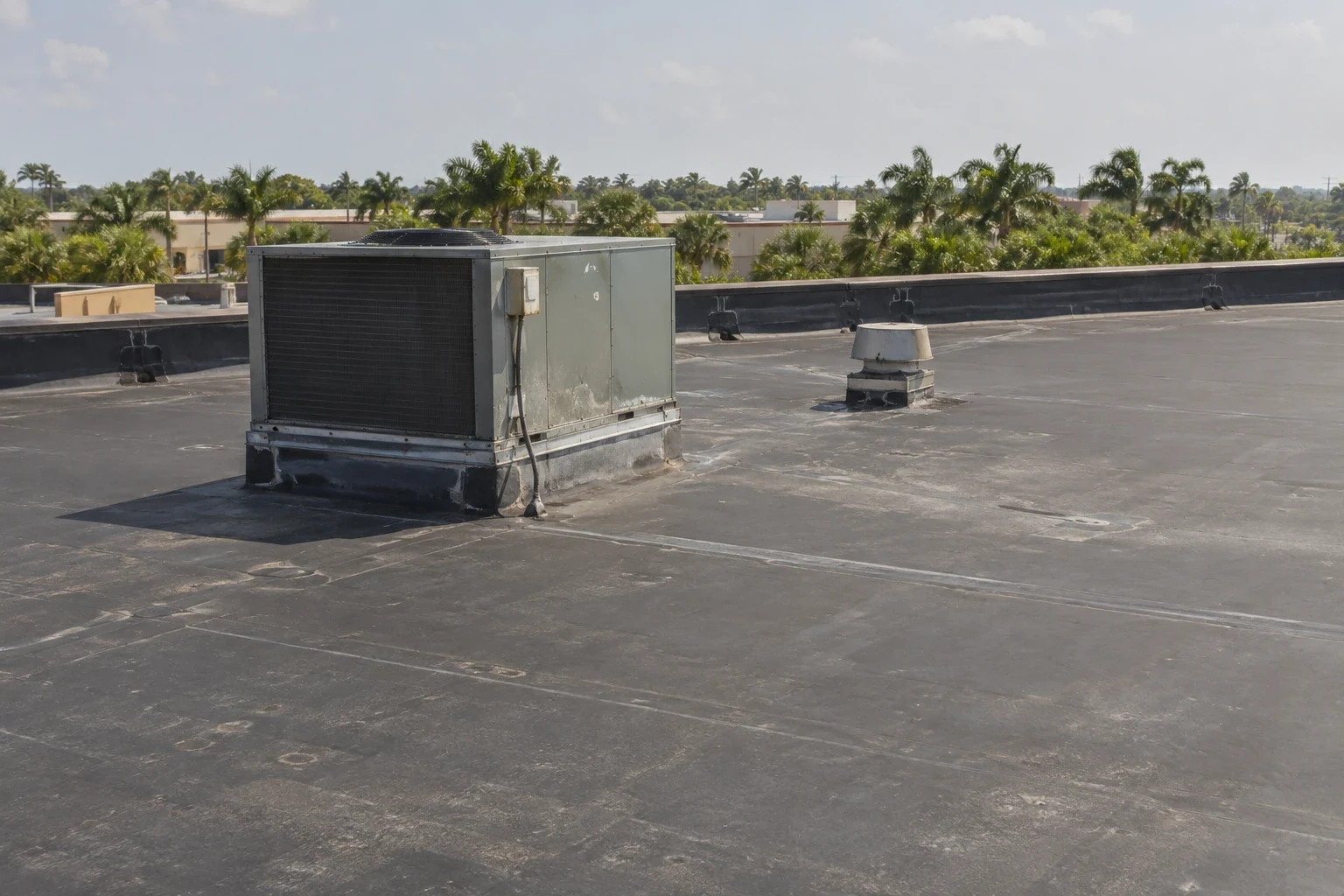
An office roof with a serviceable membrane may be a coating candidate, but the existing assembly has to be checked first. Miramar’s land-use categories include office-park, industrial, employment-center and commercial areas. Before pricing acrylic restoration, we examine the membrane surface, test adhesion where needed, review seams and penetrations, and map moisture or drainage questions to the roof zones that need a closer check. For an acrylic roof review in Miramar, the field condition decides whether coating fits.
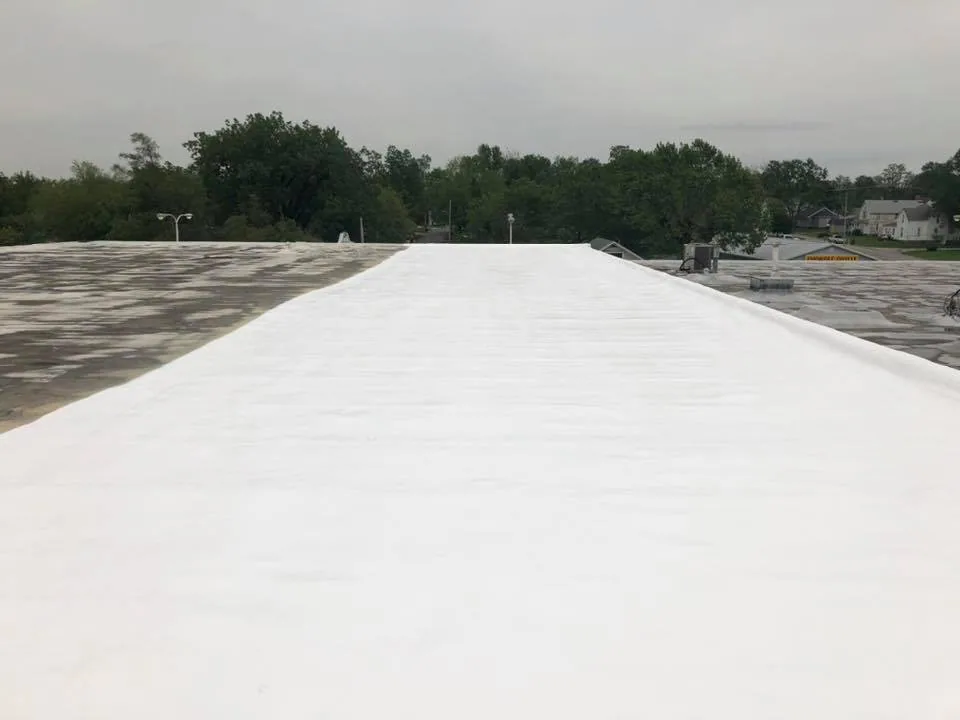
Acrylic roof coating is a liquid-applied system that cures into a protective film when the substrate and weather meet product requirements. Preparation and detail repairs matter as much as the application pass. We check the existing membrane, remove loose material, confirm compatibility, and identify areas that need separate repair. A roof inspection records what can remain, what needs testing, and where the coating scope should stop.
Is the roof suitable for acrylic?
We look for a dry, sound surface with enough adhesion to accept the specified system. Loose coating, contaminated membrane, open seams, and wet insulation need correction before restoration. The inspection checks prior patches and identifies where an adhesion test may be useful. If moisture sits below the surface, coating over it can leave the underlying failure in place. A test cut or survey may be needed before the owner approves a final quantity.
Acrylic systems have product-specific limitations for substrate, slope, weather, and water exposure. We review the manufacturer’s instructions and project documents instead of assuming one coating fits every roof. Edges, curbs, drains, and penetrations need their own compatible details. A silicone coating comparison can help evaluate a different chemistry where ponding or exposure changes the decision. A spray-foam assembly also needs a protective topcoat, but its substrate and repair steps differ.
What should happen at drains and low areas?
Drain bowls, strainers, scuppers, and overflows need to remain open during preparation and application. We check the membrane tie-in, low points, and water path before recommending a coating. A clogged outlet differs from a sagging plane or wet insulation. A surface treatment should not be used to bury a drainage defect. The scope identifies which outlet work is included and which condition calls for further investigation.
Acrylic coating needs a compatible substrate, sound preparation, and a dry application window. Mark the drain, overflow, low point, and any standing water on the roof plan before setting the coating boundary. A drainage review addresses a confirmed outlet problem. If moisture may be concealed, an infrared survey or opening can help locate areas for confirmation before coating quantities are set.
How does the application window affect the schedule?
Acrylic application needs conditions that meet the selected product’s requirements for surface dryness, temperature, and cure. We check the roof and forecast before starting each section. A sudden shower can interrupt work or affect a wet film, so the daily plan needs a stop point and protection method. Application begins when the substrate is dry and conditions meet the selected product requirements.
Before pricing restoration, we check the substrate, coating bond, moisture, drains, and transitions; any test area appears separately. The inspection record ties each recommendation to a roof zone and observed condition. After a storm, we inspect the actual membrane, edges, penetrations, and drainage before coating is considered. A storm-damage inspection documents observed movement and water entry. The roof surface should be repaired and dry before coating work begins.
What does surface preparation include?
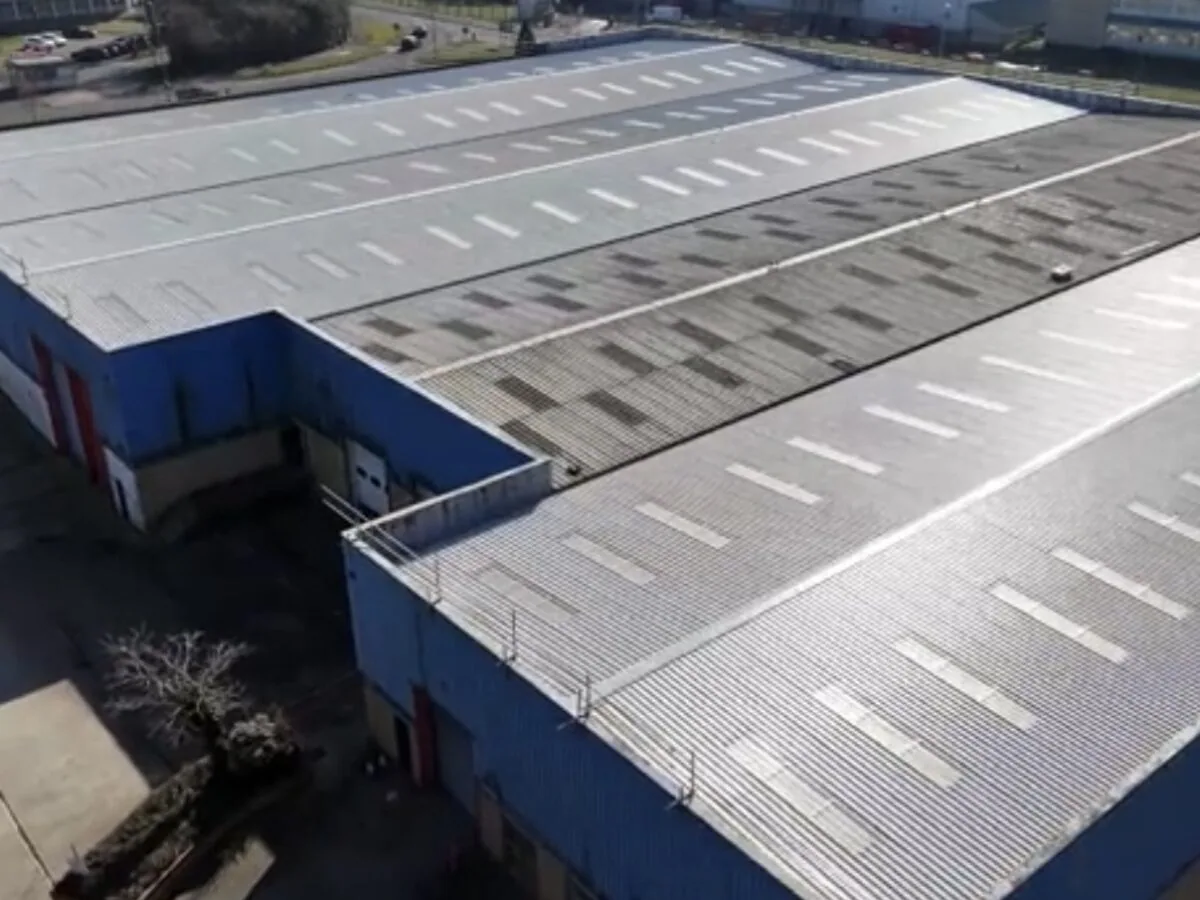
We remove loose coating and debris, clean the surface using the approved method, and repair compatible seams, cracks, and flashing details. Drains and equipment are masked or protected as required. The crew checks test areas and verifies coverage and thickness against product instructions. Preparation quantities depend on roof condition, not just total square footage. The proposal identifies any section that cannot be coated until moisture or adhesion is resolved. We also mark the application limits around rooftop units, skylights, and perimeter edges so the crew can maintain a consistent work area. If the system calls for reinforcement at a drain or transition, that material and labor appear as a distinct detail rather than an assumed field-coat quantity.
Before restoring an acrylic roof, we compare the proposed coating assembly and substrate condition with the applicable Florida code requirements. Project design and local review determine which requirements apply to a given scope. We coordinate the specified assembly, wind details, and edge conditions with approved documents. For older roofs, the project team should also confirm whether repairs alter the existing assembly or trigger additional review. We state the assumptions and keep design questions with the responsible professional.
More about Acrylic Roof Coatings
When is replacement a better comparison?
A coating may not fit when insulation is wet, seams have failed across broad areas, attachment is loose, or the deck needs repair. We document those conditions and price the corrective work separately. If a test confirms the substrate remains sound, restoration can be compared with a new assembly. The scope identifies hidden layers and recurring water paths that need separate investigation or correction before restoration.
Cost changes with cleaning, repair areas, reinforcement, access, drainage work, protection, coating quantity, and the number of roof details. A restoration proposal lists those drivers and the surfaces excluded from application. If failure extends below the coating, a replacement review can compare removal, new insulation, and flashing. The owner can then decide from measured scope rather than an all-or-nothing label.
How should the finished surface be maintained?
Keep drains clear and limit unplanned traffic across the coated roof. Any new curb, conduit, or service opening needs a compatible repair detail. We recommend recording the finished areas and taking photographs of transitions and repaired seams. A maintenance visit checks coating wear, adhesion, open penetrations, and areas where debris or water remains. These observations give the owner a chance to address small changes before they spread. A later repair should record the coating type and surface preparation so incompatible materials are not added over the finished film. The property manager can share that record with mechanical trades before rooftop service work, then photograph any new penetration for the next inspection.
The property contact sets roof access, equipment clearances and the application work window. The closeout file should include product records, application dates, repairs, photographs, and maintenance notes. A preventive roof plan can track those items over time. Schedule an acrylic coating review in Miramar. We will test the surface, inspect moisture and drainage, then explain whether restoration or replacement belongs in the next budget step.
Miramar’s principal routes include Florida’s Turnpike, I-75, US 441/State Road 7, and US 27; confirm the building’s delivery gate, material staging, and daily dry-in point with the property contact. The field plan should keep rooftop service clear while preserving a safe exit and a defined stop line.
Commercial Roofing Questions
Can acrylic coating go over an existing membrane?
Only when the existing surface is compatible, dry, stable, and prepared for the selected product. We inspect seams, repairs, moisture, and adhesion before pricing the application area.
What if rain starts during the coating work?
The crew follows the product’s weather limits and stops at a planned boundary. We protect the section as directed and resume when the substrate and forecast support application and cure.
Will acrylic coating correct ponding?
Not by itself. We check drains, low areas, and slope first. A blocked outlet or roof-plane issue needs its own correction before a coating scope is considered.
How do you decide between acrylic and silicone?
We compare substrate compatibility, slope, drainage, water exposure, application limits, and project documents. The roof condition and product requirements decide which option belongs in the proposal.
What should be included in coating closeout?
Keep product and application records, repaired areas, photographs, and maintenance recommendations. The file should show excluded surfaces and any detail that requires follow-up before the next inspection.
Miramar, Pembroke Pines, Davie, Hollywood, Opa-locka, Miami Gardens, Miami Lakes and Doral in Broward and northern Miami-Dade County.
Request a Roof Assessment
Send the building address and what the roof is doing. We reply with a roof visit date and a written scope.