
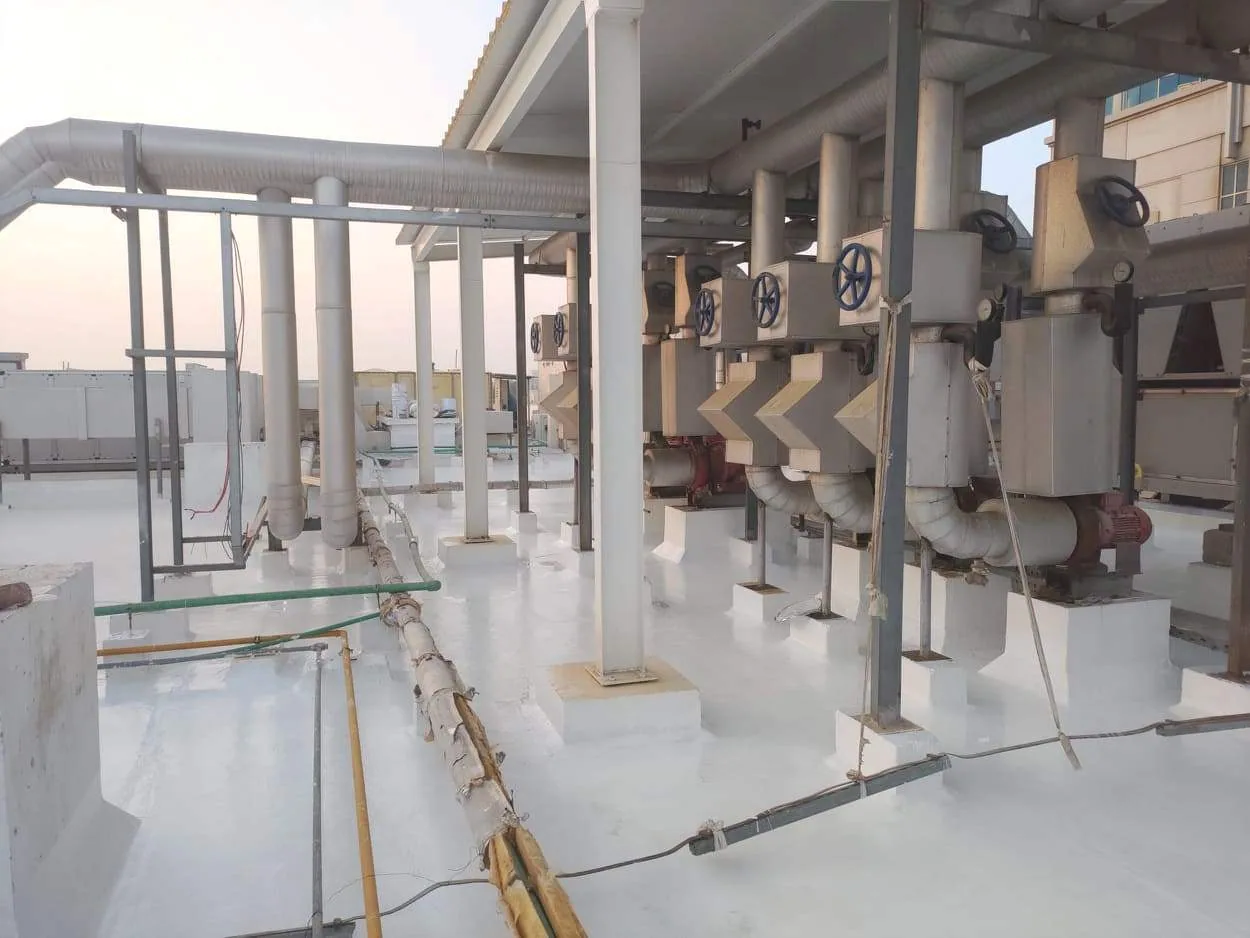
A coating is a sound roof option only when the assembly below it is suitable. Miramar’s land-use categories include commercial, industrial, office-park, employment-center and regional-activity areas. We inspect for moisture, loose surfacing, open seams, drainage limits and failed flashing before considering silicone. For a commercial roof in Miramar, the repair boundary follows the actual substrate and observed condition.
Silicone is a liquid-applied coating system used over a prepared roof surface when the existing assembly and product instructions allow it. The coating can renew a surface, but it cannot dry wet insulation or repair a loose base by itself. We check adhesion, cleaning requirements, test areas, drains, and penetrations. A roof inspection identifies what can remain, what must be repaired first, and which conditions need an opening before coating quantities are priced.
Is the existing roof ready for coating?
We start with the membrane or metal surface, then check seams, patches, flashings, curbs, and edges. Loose coating, oil, dirt, algae, and incompatible repairs can affect adhesion. We identify which preparation method is allowed for the selected product and make test areas where specified. If a substrate is wet or separated, coating over it can preserve the problem rather than resolve it. A moisture check or test opening can set the correct boundary.
At drains and penetrations, the coating needs compatible reinforcement or flashing details from the approved system. We inspect strainers, bowls, scuppers, pipe boots, curbs, and areas that stay wet after rain. A spray-foam restoration has different substrate requirements, while a silicone-to-acrylic comparison should consider product chemistry, slope, and exposure. We choose a coating by compatibility, slope, substrate and project requirements, then confirm the specified details. Old repair compounds can react differently from the field membrane, so we record prior patches and check their adhesion before extending a coating. The project team also confirms whether drains can be raised or protected and whether roof equipment will stay in place. Those conditions affect detail labor and how much surface can be prepared in one shift. If the assembly has multiple layers, a test cut can show where moisture stops and whether the base remains firm enough for restoration.
What does ponding mean for silicone?
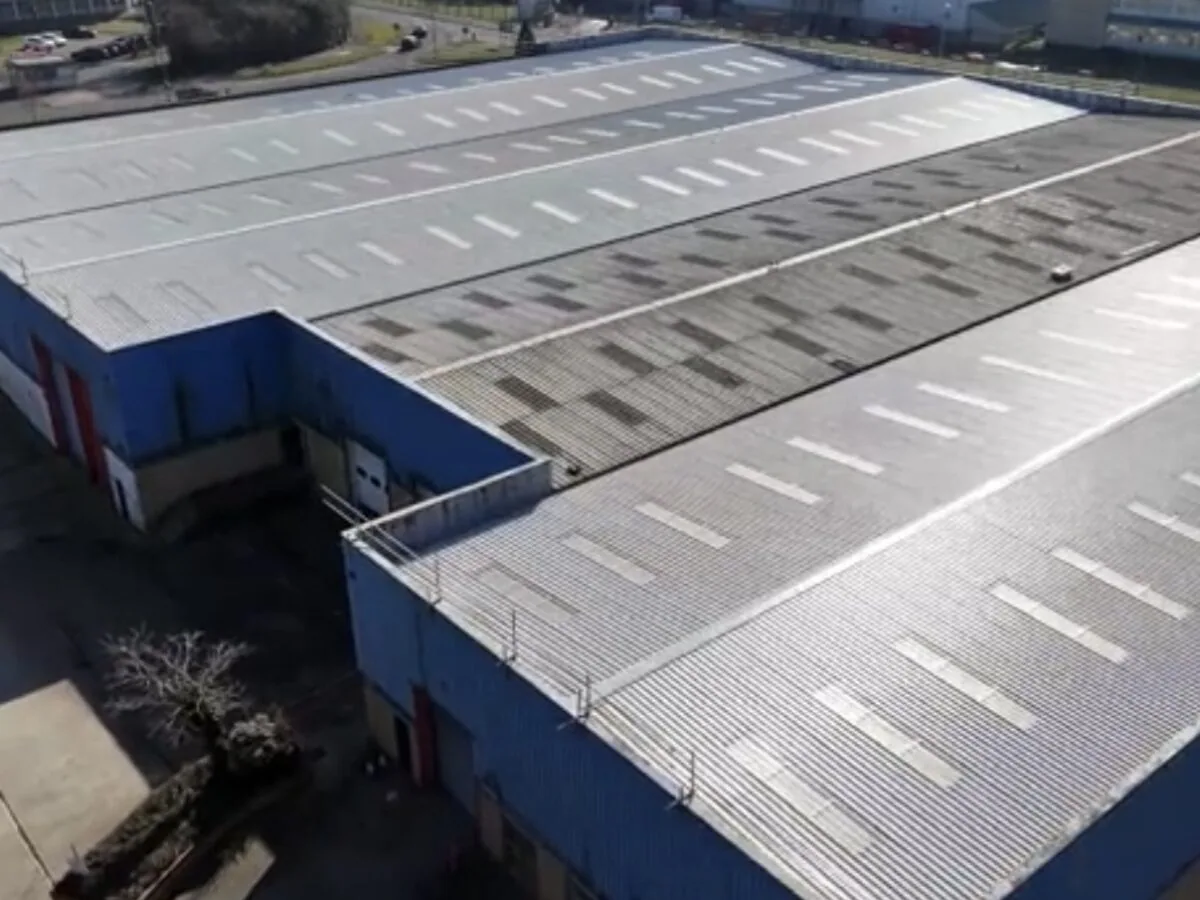
Some silicone systems are specified for roofs with standing water, but suitability depends on the exact product, assembly, drainage design, and installation requirements. We inspect low areas and confirm whether ponding is caused by a clogged outlet, a settled plane, or insulation conditions. A coating cannot correct a blocked drain or rebuild a slope unless the scope includes that work. We mark water paths and state which corrections are included.
Silicone recoating depends on adhesion, dry-film thickness and compatibility with the existing coating and substrate. We map the water path, verify outlet details and list any drainage correction before coating work. An outlet repair may need to precede coating. If moisture beneath the membrane is uncertain, an infrared survey or test cut can help identify areas for confirmation before material is applied.
How is the coating installed?
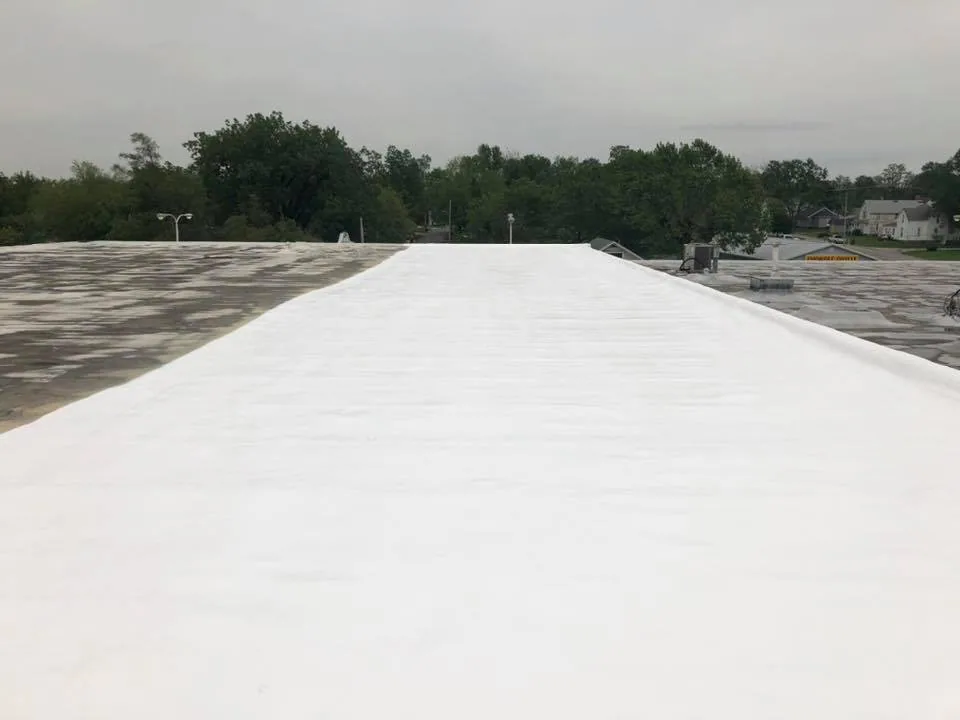
Preparation controls the result. The crew cleans the roof, removes loose material, repairs compatible seams, and treats transitions as specified. We check the weather window, surface moisture, temperature, and forecast against product instructions. The coating is applied at the required coverage and thickness, with reinforcement at details where the system calls for it. Each work area needs a start point, stop point, and protection plan for equipment and building surfaces.
South Florida’s flood, hail, tornado, temperature and wind hazards make drainage and edge details part of roof planning. We secure open containers, protect drains, and stop application when conditions fall outside the manufacturer’s requirements. A coating restoration scope records preparation, repairs, application areas, and any surface excluded from the work. We identify how the crew will reach the roof, where materials can be mixed, and how adjacent equipment will be shielded. The work plan notes application sections, transitions between shifts, and a check for pinholes or missed coverage at details. These controls make the finished area inspectable and keep added repair quantities separate from the original coating plan.
When is coating not enough?
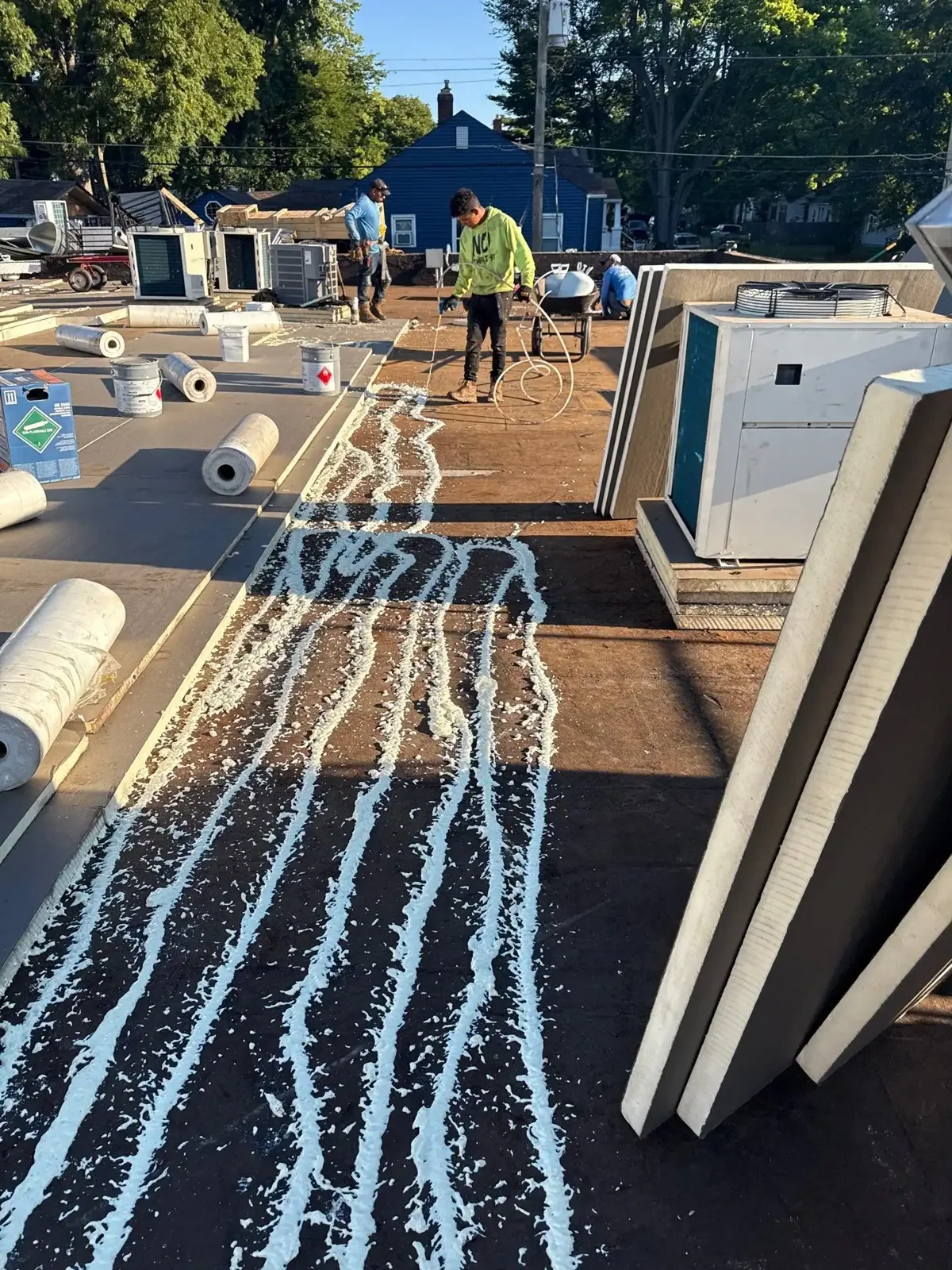
Wet insulation, unstable seams, a deteriorated deck, or failing attachment can make coating the wrong next step. We document the condition and price the corrective work separately. If the roof remains sound after repairs and preparation, coating can be compared with replacement. The estimate compares restoration and replacement using observed roof conditions, system requirements and the maintenance plan. A coating also needs future inspection because punctures, trade work, and debris can damage the finished surface.
Cost drivers include cleaning, test patches, repairs, detail reinforcement, access, protection, drains, and the amount of coating required by the product specification. The project should identify separate roof areas and excluded details. If a storm raises concern, a storm-damage inspection records observed movement before a surface is renewed. A replacement comparison may be warranted when the substrate or moisture conditions exceed what a surface restoration can address. We also verify parapet height, drains, and existing coating layers because these details affect the termination and edge quantities. If the proposal excludes a damaged area, it should show that boundary on the roof plan and state what corrective work is needed before coating continues.
More about Silicone Roof Coatings
How do access and operating hours affect the work?
Silicone maintenance starts with the product record. Keep the coating name, installation date, approved repair materials, and closeout photos together so a later technician can check compatibility before touching the surface. A conduit, curb, or mechanical replacement can interrupt a coated field; mark the work area and verify the required flashing or reinforcement detail against the selected system's instructions. Unknown sealant or patch material should be identified before more coating is applied.
During a roof visit, record drains, terminations, seams, transitions, equipment supports, and visible cuts. Note where debris, water or traffic marks appear, then compare them with earlier photographs. That record helps separate a new trade-related opening from an older condition and gives the owner a clear maintenance item instead of an assumed coating failure. Keep access to the work area controlled and notify the manager when a condition needs a repair approval.
Commercial development in Pembroke Pines concentrates along Pines Boulevard, while northwest industrial areas connect to US 27 and I-75. We confirm the roof surface, adhesion and details at the property before setting the coating scope.
Schedule a Miramar roof review to check silicone coating condition, document repairs, and set a maintenance scope based on the installed system.
Commercial Roofing Questions
Can silicone coating go over any commercial roof?
No. The existing surface, moisture, adhesion, repairs, drainage, and product compatibility must be checked. We use manufacturer requirements and test areas to decide whether coating is appropriate for the assembly.
Does silicone fix ponding water?
A specified system may tolerate standing water, but coating does not clear a drain or correct a low plane by itself. We inspect the water path and include drainage corrections separately where needed.
Can wet insulation stay under the coating?
We test or open the roof when moisture is suspected. Wet material may need removal before restoration. Covering it without confirming the assembly can leave the underlying condition unresolved.
How long does a coating project take?
Timing depends on preparation, repair quantities, surface area, access, weather, and required cure conditions. We set an application sequence after the roof is inspected and the product requirements are confirmed.
What maintenance follows silicone restoration?
Keep drains clear, limit unplanned foot traffic, and report new penetrations or cuts. A scheduled roof review records coating wear and detail changes so repairs can be made before water reaches the interior.

Miramar, Pembroke Pines, Davie, Hollywood, Opa-locka, Miami Gardens, Miami Lakes and Doral in Broward and northern Miami-Dade County.
Request a Roof Assessment
Send the building address and what the roof is doing. We reply with a roof visit date and a written scope.