Commercial Roofing in the Ali Baba Avenue Industrial Spine, Opa-locka, FL
Along Ali Baba Avenue, the downtown industrial spine runs between NW 37th and NW 27th avenues. The corridor's mostly one- and two-story buildings have flat stucco façades, while roof access and assembly still require a property-level inspection. We check the roof assembly, drainage, flashing and edge metal before deciding whether a repair is local or broader. A commercial roof inspection documents that condition; downtown Opa-locka roof service covers the wider city-center district.
What does the corridor's building form change?
The industrial spine follows Ali Baba Avenue between NW 37th and NW 27th avenues. Mostly one- and two-story buildings with flat stucco façades line the route. We inspect the assembly directly, note the roof entry and trace drains, wall transitions, curbs and perimeter details. We inspect the assembly directly, note the roof entry and trace drains, wall transitions, curbs and perimeter details. A shallow roof profile can still have concealed layers, and the field record must identify what is visible and what needs testing.
The corridor includes the downtown rail station and industrial uses on both sides of the railroad. At each building, we confirm the delivery approach and operating hours with management. We note staging limits, active doors, equipment paths and protection below the work. An overhead drone inspection may help document a broad surface where conditions and safe operation allow. A hands-on check remains useful for seams, edge metal and curb flashing that need close examination.
Where can water get past the surface?
Water can enter at a split lap, a wall transition, an open curb or a restricted drain. We check the low points and follow the drain path toward outlets. If a ceiling stain appears away from the roof opening, we compare it with the assembly above and note where water could travel. We do not set the repair limit from the stain alone. Photographs show which seam, flashing or outlet needs attention and which nearby material remains sound.
South Florida's flood, hail, tornado, temperature and wind hazards make drainage, attachment and rooftop equipment details important items to check after a reported event. If moisture may be trapped beneath a membrane, an infrared moisture survey can help choose areas for confirmation. A drain and scupper review addresses outlet performance, while the membrane scope remains separate if seams or flashing are also involved.
Which roof details matter after a wind report?
We inspect corners, perimeters, laps, penetrations and equipment supports for movement. A loose coping section, open seam and displaced support need different repairs. We photograph the observed condition before temporary protection changes it, and compare those notes with any interior water report. The record should say what moved, what remains attached and whether a permanent detail repair requires a test or manufacturer-compatible material.
Hurricane Katrina brought sustained winds around 80 miles per hour to South Florida with significant regional impacts. After a reported event, we inspect the actual roof for movement or water entry before setting a repair scope. Our wind-related roof review can document attachment and water-entry conditions. For an active leak, request emergency response and share the roof location, access requirements and whether water is entering. Availability and safe access are confirmed with the property contact; the permanent scope follows inspection.
How do you choose between repair and renewal?
A puncture or failed curb flashing can support a local repair when surrounding material is sound and insulation is dry. Several unrelated leaks, widespread moisture, loose attachment or deck concerns call for a larger comparison. We inspect existing layers, edge height, drainage and penetrations before considering a recover or coating. New material should not conceal wet insulation or reduce drainage height. The scope states what is included and which condition could change quantities.
Before work is authorized, the owner and design professional identify the permit path that applies to the proposed repair. The project's applicable review follows its scope. For replacement planning, we record the assembly, fastening, edges and drainage before comparing options. Cost and timing depend on area, removal depth, insulation, deck work, equipment clearance, site access and the daily dry-in plan. A commercial repair scope can address the confirmed defect; recover planning can be considered only when the existing layers and moisture condition support it.
Ali Baba Avenue is downtown's industrial spine; LeJeune Commerce Areas form another Opa-locka district. Roof access, drainage and repair limits are recorded for the individual property. If a test opening reveals more wet insulation than the surface showed, we stop at the approved limit, photograph the additional condition and get owner direction. That keeps the repair decision tied to what is found rather than expanding without a review point.
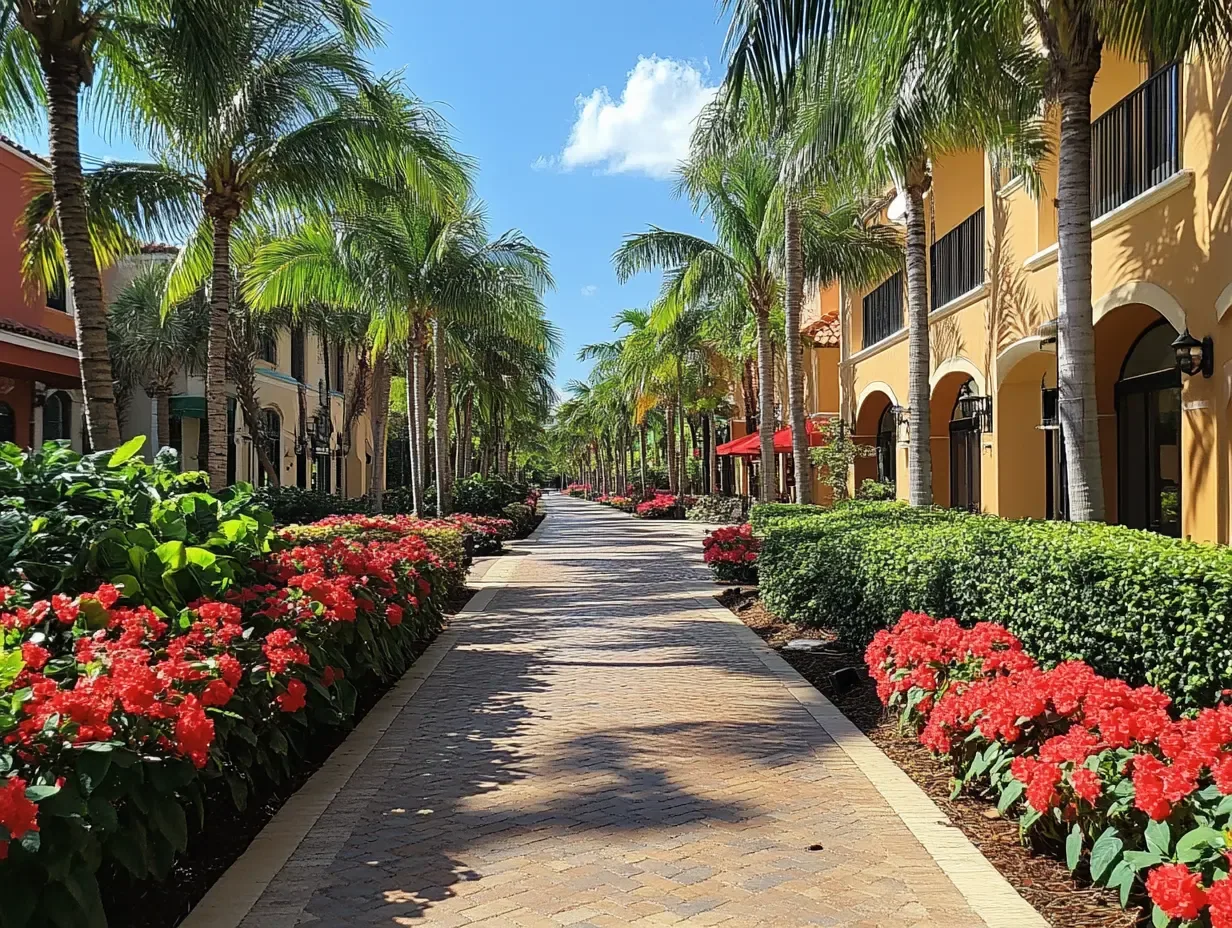
More about Ali Baba Avenue Industrial Spine
What should the schedule protect?
We confirm roof access, delivery timing, active work areas and any interior protection before materials arrive. The site contact identifies equipment that must remain available and doors or loading areas that cannot be blocked. Work proceeds in sections with a secure end-of-shift condition. If a detail cannot be completed before weather becomes a concern, the crew's dry-in plan has to be clear before the assembly is opened.
The corridor includes the downtown rail station and industrial uses on both sides of the railroad. That area context does not tell us how a particular property handles deliveries. We verify the route and staging point with management. A phased occupied-building plan can coordinate work areas and tenant protection; a LeJeune commerce-area review addresses another Opa-locka district. We record the actual work window and approval contact so a schedule change does not leave an opened area without direction.
Which records help with the next budget step?
Keep the roof sketch, dated photos, approved repair boundary, test results and closeout images together. Mark which details were repaired and which remain open for monitoring. If the owner deferred a larger renewal, note what observation would bring it back for review. A future inspection can then compare the same roof area with the prior condition. That is more useful than relying on a work order that says only that a leak was addressed.
Ali Baba Avenue and the Tri-Rail station identify this part of Opa-locka Downtown, while the redevelopment area also includes industrial and commerce districts. The roof scope still comes from what we inspect at the property. Schedule a corridor roof review to document water entry, edge conditions and access. We will leave a clear repair or test recommendation and a budget step tied to the assembly found.
Closeout should show the repaired seam, flashing or outlet and the boundary around it. If work paused for an equipment move or a concealed condition, record that dependency with the remaining scope. Those notes help an owner coordinate another visit and review its cost without treating incomplete work as complete. The photographs also give the next inspector a view of the detail after repair.
Commercial Roofing Questions
Does the corridor plan establish the roof type at my building?
No. It describes the area and some street-front building form, not a specific property's roof assembly. We inspect visible layers, edges, penetrations and drainage before recommending work.
Why might a leak show up away from its roof opening?
Water can move through an assembly before reaching the ceiling. We compare the interior report with seams, curbs, walls and drains above, then mark a test location if the path is not clear.
Can you inspect the roof after strong wind?
Yes. We check perimeters, seams, flashing, equipment supports and interior signs, then photograph observed conditions. Regional storm history does not diagnose a property, so the scope follows what the visit confirms.
When does a recover make sense on an industrial-area roof?
The existing layers, moisture, deck, edge height and drainage have to support it. We inspect those items first and compare a recover with repair or removal only when the assembly can accept another layer.
Can roof work be coordinated with deliveries?
We confirm the property's actual loading route, roof entry and staging limits with management. Those details shape the work window and the size of each section opened during a shift.
Miramar, Pembroke Pines, Davie, Hollywood, Opa-locka, Miami Gardens, Miami Lakes and Doral in Broward and northern Miami-Dade County.
Request a Roof Assessment
Send the building address and what the roof is doing. We reply with a roof visit date and a written scope.