Commercial Roofing in LeJeune Commerce Area, Opa-locka, FL
Commercial and mixed-use work in LeJeune calls for a roof scope that fits the property and its operating needs. LeJeune Commerce Areas form a district within Opa-locka's redevelopment area. Commercial and mixed-use development, infrastructure and transportation improvements are part of the program. We start with the roof itself: check the assembly, trace water paths, mark seams and review curb flashing. A commercial roof inspection can establish the observed condition, while the broader Opa-locka service area includes other city districts.
What does the district tell us, and what must the roof show?
For a roof in this district, tie access notes and work limits to the building inspected. It does not tell us whether a building has a membrane, metal panels, wet insulation or a particular use. We confirm those details in the field. The walk covers roof entry, visible layers, low points, perimeter attachment, penetrations and prior repairs. We compare roof observations with interior reports and mark any location that needs moisture testing or an approved opening.
The district sits within a redevelopment program that includes commercial and mixed-use development, infrastructure and transportation improvements. Those priorities may matter to a property schedule, but they do not establish access arrangements at a site. We ask the manager about operating hours, delivery activity, equipment that must remain clear and protection below the roof. A marked condition report can separate confirmed defects from open questions; a phased work plan can set a sequence for occupied spaces.
How do you separate the entry point from the stain?
Water can move below a membrane or through insulation before it reaches a ceiling. We compare the reported room with drains, scuppers, seams, wall transitions and curbs above. The inspection notes whether a detail is open, whether the drain path is clear and whether staining aligns with visible conditions. If the evidence does not establish a repair boundary, we identify the next test instead of including a broad area without support.
Opa-locka's redevelopment geography also includes downtown and industrial districts. Ali Baba Avenue between NW 37th and NW 27th avenues is downtown's industrial spine, and the Tri-Rail station serves as a regional transit hub. Roof access and condition still require a property-level review. For concealed moisture, an infrared moisture survey can help prioritize confirmation areas. A leak repair visit then ties the approved boundary to the detail that allowed water entry.
What belongs in a post-weather review?
South Florida weather exposure puts drains, edge metal and equipment attachments on the roof review list. We look for debris at outlets, standing water, open laps, lifted membrane, shifted metal and movement near rooftop supports. LeJeune is a redevelopment district with commercial and mixed-use activity; we map the roof's actual drainage, seams, and access before defining repairs. It provides regional hazard context, not proof that a LeJeune property has damage.
After a reported event, we photograph the observed condition and compare it with the interior report. A loose edge and an open seam may need separate repairs. For a LeJeune Commerce Area property, identify the active entry point and roof-access limits before scheduling. A wind damage review records perimeter movement and seam separation; it does not establish active interior water entry. The emergency response scope follows the reported opening and safe access conditions. The visit can secure an opening, then define permanent work after the assembly and extent are clear.
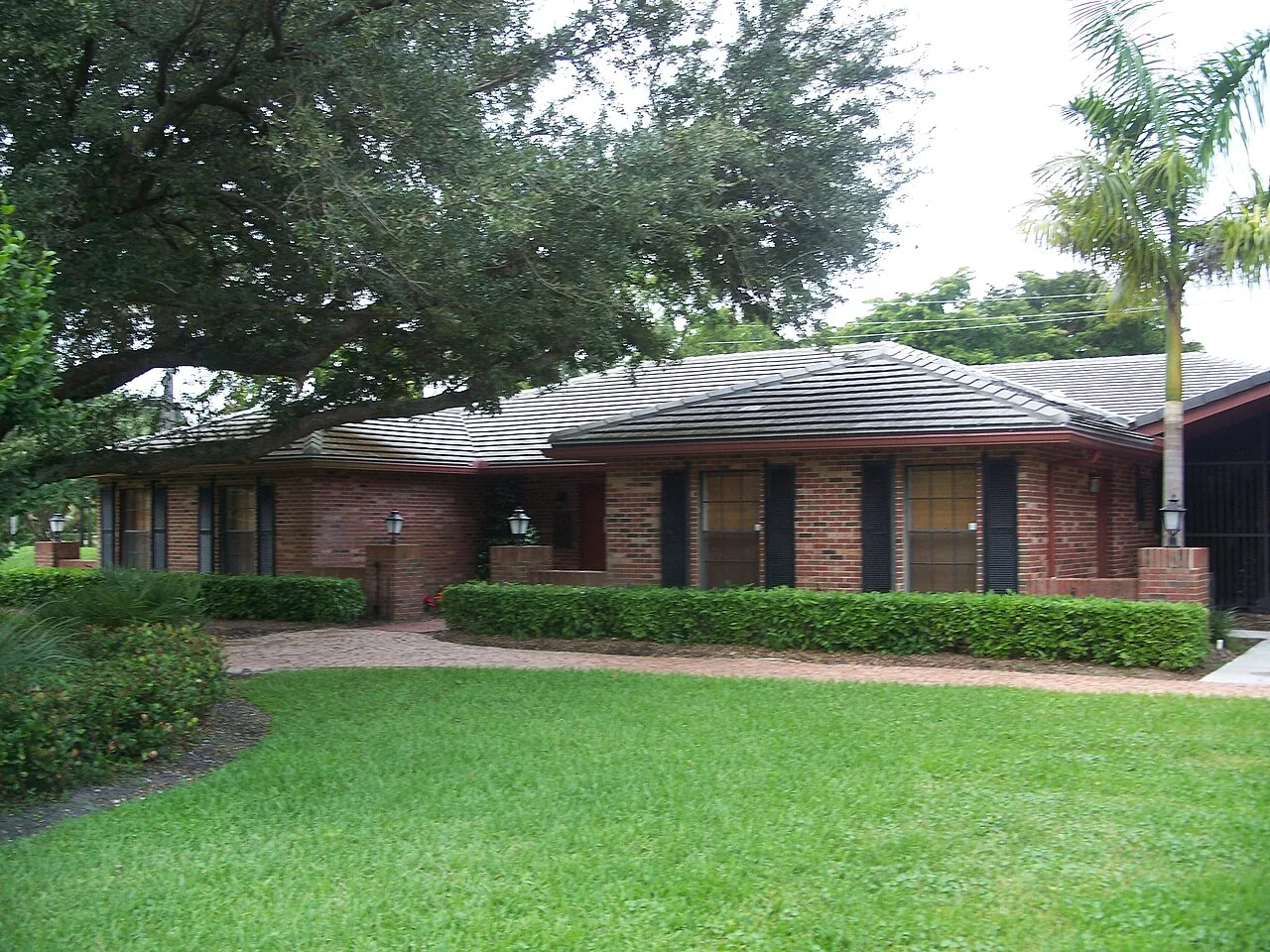
When should the owner compare larger options?
A local repair fits a bounded defect when material around it is sound and insulation remains dry. Recurring leaks, broad moisture, weak attachment or deck concerns justify a wider look. We document existing layers, edge height and drainage before pricing a recover or coating. If moisture remains below the surface, another layer can conceal the issue without correcting it. We mark what is confirmed and state which test result would change the recommendation.
The Florida Building Code, 8th Edition (2023), is effective statewide. The applicable review depends on the project scope. For a replacement decision, we look at assembly layers, fastening, perimeter details, drainage elevation and penetrations. Cost depends on removal depth, insulation and deck work, equipment clearance, access, staging and protection below. A defined repair scope can handle the current failure; a longer-term budget comparison can follow when the field condition warrants it.
Mixed-use development and transportation improvements are part of Opa-locka's redevelopment work. For this building, the property manager sets the practical work window. We confirm roof entry, deliveries, room protection and daily dry-in before mobilization. If concealed conditions extend beyond the approved boundary, we stop, photograph the finding and get authorization before changing quantities. That process gives ownership a clear approval point instead of carrying unpriced work into the schedule.
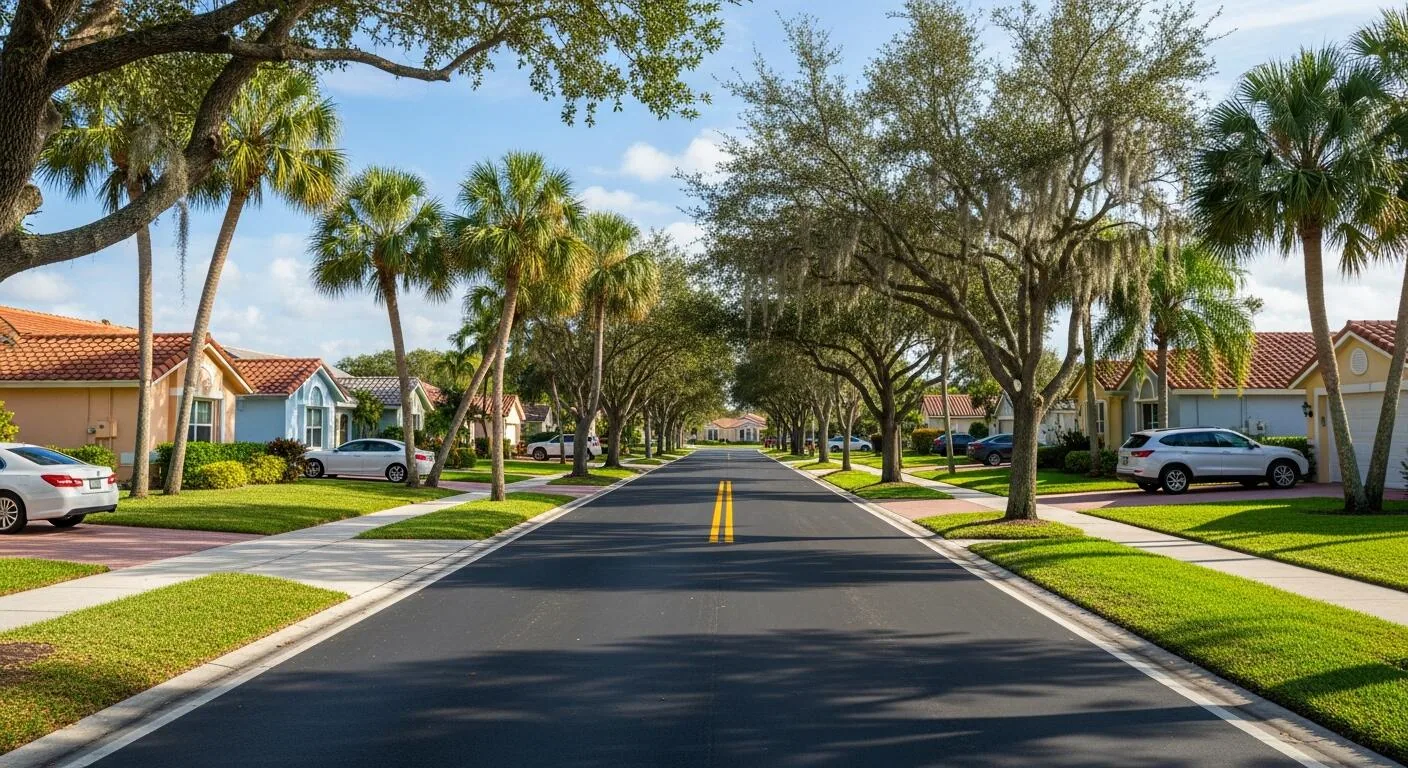
More about LeJeune Commerce Area
What should stay with the building record?
Keep dated photographs, a roof sketch, repair authorization, testing notes and closeout images with the property file. Record the area repaired and any issue left to monitor. If an opening revealed wet insulation or deck damage, note its location and the owner's direction. A future inspection can compare the same detail rather than restart from a ceiling stain. Preventive visits may also track drains, flashing and seams on an operating schedule that the property can support.
LeJeune Commerce Area, Opa-locka Downtown and the Ali Baba Avenue industrial spine identify different parts of the city's redevelopment geography. For each property, the inspection sets the repair recommendation. A Downtown Opa-locka roof visit can assess roof access, drainage and assembly at a separate commercial property. Schedule a LeJeune visit to document drainage, edge conditions, water entry and access. We will leave the owner with a repair limit, any needed test and a practical budget step.
Before the crew leaves, the closeout should show the work boundary and the finished detail. If protection below or equipment coordination changed the sequence, keep that note with the record. For an active building, those operational facts can be as useful as the material description when planning the next shift. The next decision then has a dated condition, a known repair and an identified open question. For a recurring roof concern, note whether the affected room is above a drain, a transition or an equipment area; those details help focus the next walk.
For phased work, add which roof area was completed and what remains exposed to review. Note the daily dry-in method, material transitions and any equipment that could not be cleared during the visit. These specifics help an owner schedule the next work window without assuming the entire roof received the same repair. They also keep a later moisture check focused on a known assembly detail and boundary.
Commercial Roofing Questions
Does LeJeune's redevelopment designation establish a building's roof type?
No. The district describes land-use and redevelopment context. We inspect the property to identify visible assembly layers, drainage, attachment and flashing before setting a repair scope.
How can you determine whether a leak needs an opening?
We compare the interior report with roof details and note what is visible. If moisture may be concealed or the entry path remains uncertain, we identify a test location and explain how its result could change quantities.
Can an urgent repair be separated from replacement planning?
Yes. We can define a limited repair for a confirmed defect and document broader conditions for a separate budget comparison. The scope identifies what the immediate work addresses and what remains for review.
What should be ready before crews arrive?
A property contact, roof entry instructions, equipment restrictions and any work-hour or delivery limits help set the sequence. We confirm those details and the protection plan before opening the roof.
What details help evaluate a leak report outside normal work hours?
Record the property, affected roof zone, current water entry and safe access contact. Those details support an inspection and help identify what temporary protection might be considered; permanent repair is scoped after the roof condition is reviewed.
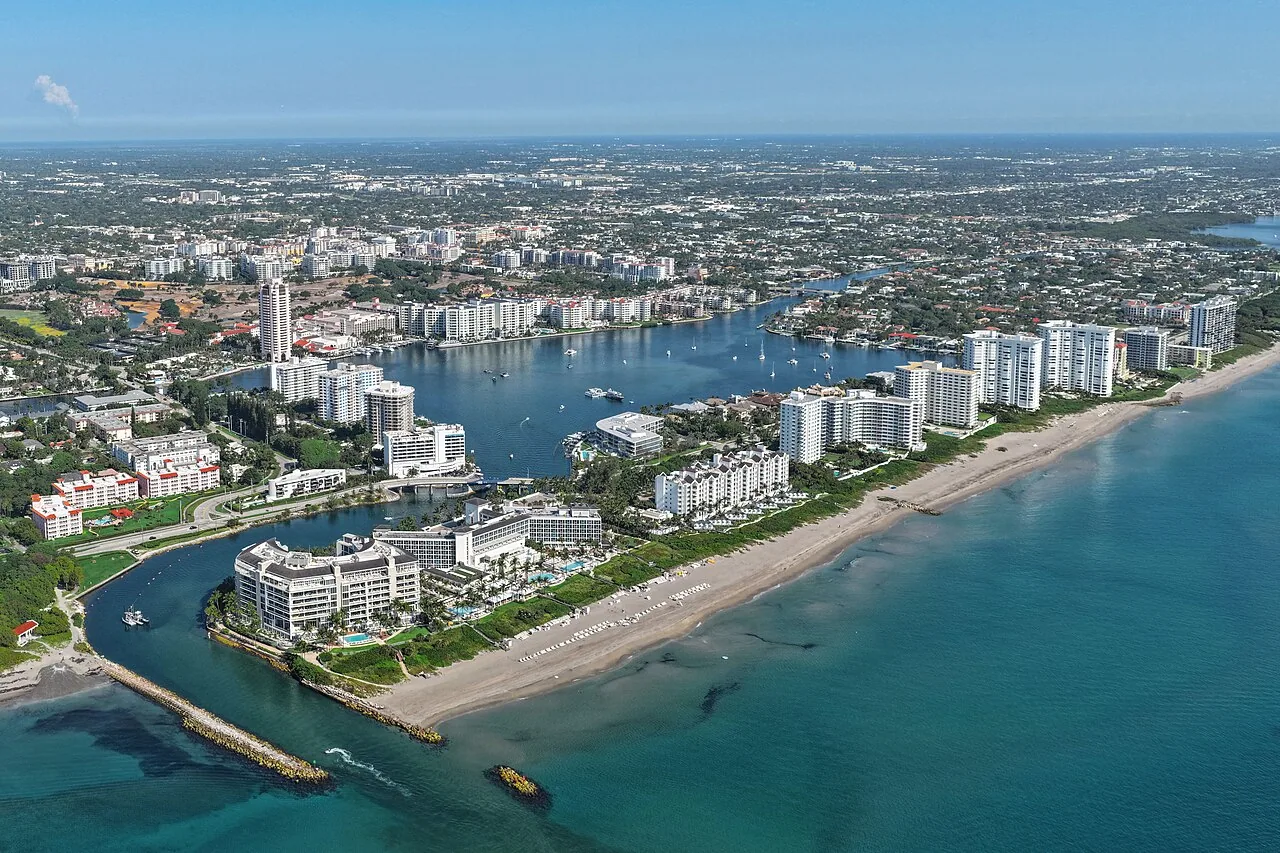
Miramar, Pembroke Pines, Davie, Hollywood, Opa-locka, Miami Gardens, Miami Lakes and Doral in Broward and northern Miami-Dade County.
Request a Roof Assessment
Send the building address and what the roof is doing. We reply with a roof visit date and a written scope.