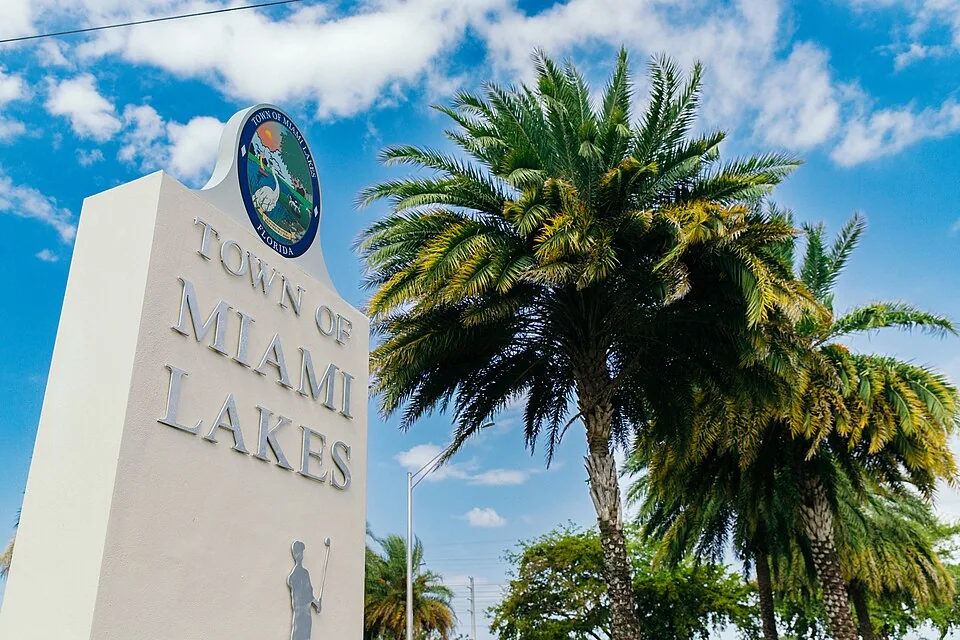
Commercial roofs in Miami Lakes need practical decisions about water entry, attachment and access. Commercial Roofers Miramar serves this South Florida market with inspection, repair, maintenance and replacement planning. We begin with the roof in front of us, not an assumption based on a map or property name. Commercial and industrial districts are part of Miami Lakes' planning and economic-development focus, alongside local businesses. Our commercial roof inspection records seams, drains, edges, curbs and interior reports so ownership can decide what should happen next.
Miramar, FL is our broader service market, with Miami Lakes among the surrounding communities we serve. South Florida weather brings periods when drainage, flashing and roof attachments deserve close attention. We check those details during a field visit and distinguish visible conditions from items that need testing. A report should help a manager explain the condition to a board, tenant or maintenance team without promising that every roof needs the same repair. For a separate roof review in Miramar, the property receives its own condition record.
How does the town context shape a roof visit?
Miami Lakes planning gathers information about demographics, the environment, transportation and infrastructure while processing development in commercial and industrial districts. Those subjects affect how a property manager plans access, staging and work windows, but they do not tell us what assembly sits on an individual building. Before a crew arrives, we confirm the roof entrance, escort needs, approved staging area, operating hours and any rooms or equipment that need protection. We then photograph the roof area and connect each observation to a location rather than treating the whole property as one condition.
The first walk usually follows the reported issue outward. For a leak, we compare the interior mark with nearby seams, penetrations, wall transitions, drains and low areas. Water can travel before appearing inside, so a stain alone does not define the repair limit. We note whether a seam is open, flashing is loose, a drain is obstructed or the evidence is inconclusive. A commercial leak investigation can then separate an immediate patch from a need for moisture testing. That record gives ownership a decision point before anyone prices a larger scope.

What should be checked after heavy rain?
A strong shower can expose a restricted outlet or an opening at a seam, but an interior stain alone does not locate the entry. We inspect drainage and roof transitions, then compare those findings with the reported timing. After a strong rain, we look at drain bowls, scuppers, overflow paths, seams and flashing around curbs. We also ask where water was observed inside and when it appeared. If water remains on the roof, we record the location and visible depth indicators rather than declaring a cause from one visit. Our drain and scupper review focuses on the outlet, surrounding membrane and path to discharge.
When moisture may extend beneath the surface, a carefully selected test can reduce uncertainty. We identify the proposed location and purpose before an opening is made, then record the layers and findings. If insulation is wet or the deck is affected, the owner should understand the repair boundary and restoration detail before authorizing added work. A roof condition report can keep dated findings, access limits and open test questions with the owner.
Which roof details matter when wind is a concern?
Wind-related concerns start at edges, corners, terminations and attached equipment. We inspect perimeter metal, coping, membrane securement, fasteners where visible, and flashing at curbs and walls. We look for movement, separated laps, missing components and changes from prior photographs. After a reported storm, the report records visible movement, openings and interior signs at the inspected property. If a recent event prompted the visit, dated photographs and a concise condition map can help ownership compare affected areas with earlier records. Our wind-damage roof review can document the details that need repair or further evaluation.
Rooftop equipment complicates the picture. A support or curb may interrupt the membrane, and later service work can disturb flashing. We inspect the transition around each relevant penetration and note whether access to equipment limits the view. If a repair is appropriate, the proposal names the area, preparation, materials and closeout evidence. If broader attachment work is considered, the assembly and project requirements need review first. Florida’s eighth building-code edition was issued in 2023 and became the statewide standard on December 31 of that year. Permit documents and the building official determine which provisions apply to the roof project. We can also discuss roofing around equipment supports.

How do owners compare repair with replacement?
A repair makes sense when the affected area is defined and surrounding materials can support a durable detail. Replacement may deserve review when failures recur, wet materials extend beyond a local boundary, or several transitions need coordinated work. We do not choose from a photograph or a single symptom. The field record covers the membrane, insulation visible at authorized openings, deck where accessible, drainage, edges and penetrations. The proposal separates confirmed quantities from concealed conditions that could change after removal. Owners can compare options with a commercial roof repair scope or a documented replacement assessment.
Cost and timing depend on existing layers, substrate condition, tear-off depth, equipment clearances, access, staging, protection below and the work window. An occupied building may need phased areas with a reliable daily dry-in point. We coordinate the sequence with the property contact and identify decisions that require approval before work proceeds beyond the agreed limit. If the scope includes a recover, the existing assembly and moisture condition must be understood before a new layer is considered. A recover review helps frame those checks without assuming an overlay is suitable.
More about Miami Lakes
What records keep the next decision clear?
Keep a roof sketch, dated photographs, inspection notes, approved work boundary and closeout images together. Mark which drain, seam, edge or penetration was addressed, and identify questions left open. If a test opening found concealed damage, record the location, layers and approval for additional work. This makes a later inspection more useful because the next reviewer can compare like areas and avoid treating an old water mark as a new diagnosis. A preventive maintenance visit can follow a known list of drains, transitions and recurring observations.
Miami Lakes' commercial and industrial planning context offers a reason to coordinate roofing with the broader property schedule, but not a substitute for building-level findings. We set arrival, roof access and staging with the person responsible for the site. A useful next step may be a focused repair, moisture testing, maintenance or capital planning. The recommendation should state why that step fits the observed roof and what evidence would change it. Owners coordinating properties nearby can also request a Pembroke Pines roof review with separate findings for each building. Ask us to review a property and document its condition before recommending work.
Commercial Roofing Questions
Does Miami Lakes' planning information identify a building's roofing system?
No. Town planning context describes development and infrastructure topics, not the assembly on a particular roof. We inspect the building and record visible materials and details before recommending a repair or replacement path.
What do you check when a tenant reports a ceiling stain?
We compare the report location with roof seams, drains, wall transitions and penetrations above it. The visit records the likely water path and any uncertainty. A test is proposed only when it would answer a specific question.
Can a repair be performed while a business remains open?
Often the work can be planned around an agreed access and protection window. We confirm staging, rooms below and daily dry-in limits with the property contact. The building's rules determine the sequence.
When should an owner consider replacement instead of another patch?
Repeated failures, widespread wet materials or several deteriorated transitions can justify a broader assessment. We inspect the assembly and explain confirmed conditions, remaining uncertainty and the scope drivers before comparing options.
What should the property manager retain after service?
Keep dated photographs, marked locations, the approved repair limit, closeout notes and any open questions. Those records help the next inspection compare conditions and keep future budgeting tied to observed evidence.
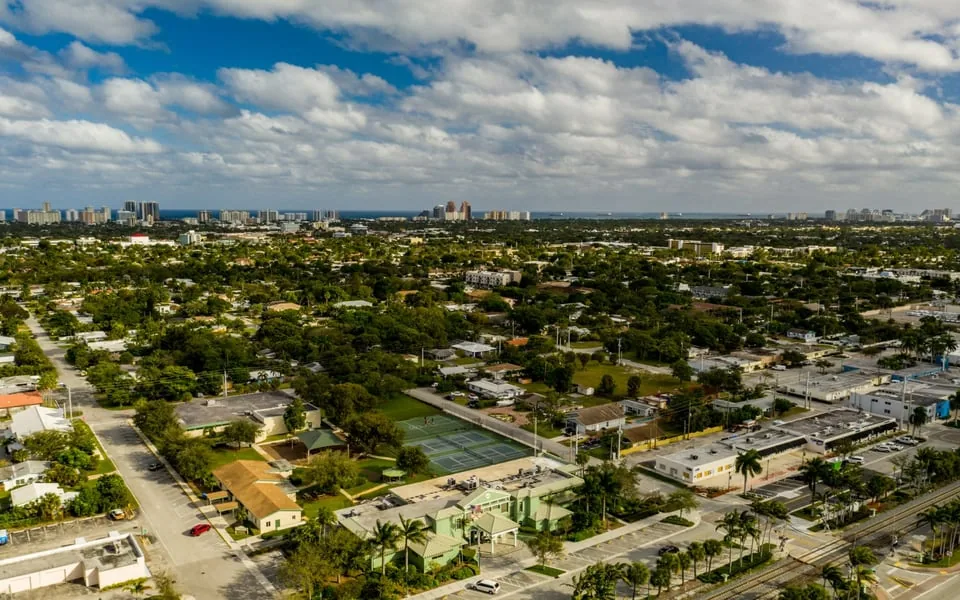
Miramar, Pembroke Pines, Davie, Hollywood, Opa-locka, Miami Gardens, Miami Lakes and Doral in Broward and northern Miami-Dade County.
Request a Roof Assessment
Send the building address and what the roof is doing. We reply with a roof visit date and a written scope.