

Commercial Roofing in Sheridan Palms Business Park, Pembroke Pines, FL
Flex and warehouse roof work at Sheridan Palms needs a building-level scope, with loading routes and roof access set before material moves. Sheridan Palms lies within the Chapel Trail PUD in northwest Pembroke Pines, where flex and warehouse space is zoned medium-industrial. The park sits in the city's northwest industrial area near US 27. We inspect the actual membrane, drains, curbs, edge attachment and interior reports rather than infer roof condition from the land-use label. A commercial roof inspection records the findings, while a Pembroke Pines service visit can be arranged with nearby properties without combining their records.
Loading activity and rooftop service routes can affect safe access at a flex or warehouse building. We note the current delivery path and equipment clearances, then set the inspection around the areas the contact can release.
Which access details should the site contact confirm?
Before the walk, we confirm roof entry, escort rules, delivery periods, staging space and any area that must stay clear. A flex or warehouse operation can use shared drives, loading doors or active work zones, so the property contact identifies the route that is safe for the crew. We also ask where occupants or stored goods need protection below the work. The property contact confirms which doors, drives and service paths remain active during the visit.
On the roof, we mark drains, scuppers, seams, penetrations, curbs and previous patches. A wide photograph shows the roof zone; close images show the detail that controls the recommendation. When an interior report is available, we compare its location with the roof above and nearby transitions. A leak investigation can trace a water path when the opening is not obvious. If water is entering during a storm or after hours, emergency response can secure the affected area before a permanent repair is planned.
How can the roof evidence change the repair choice?
A puncture with firm membrane around it may support a limited patch. An open seam, loose edge or wet insulation extending past the visible mark can change the boundary. We check the laps, flashing, curb transitions and available evidence about the layers. If a test opening could change the quantity, the proposal names its location and approval limit. Concealed material is not counted as confirmed until it is inspected.
Northwest Pembroke Pines’ industrial district has connections to US 27 and I-75, a broad setting rather than a jobsite access plan. At Sheridan Palms, the property manager identifies the approved gate, delivery window, loading conflicts and secure path to the work area. We capture those instructions before staging material, then set a daily limit that can be closed and protected at shift end. A warehouse roof assessment can focus on loading access where that use applies, while a flex-industrial roof review can address shared work areas and equipment clearance.

What should be checked after heavy rain or wind?
We inspect drain bowls, scuppers, low areas and seams that meet curbs or walls. If water remains, we note its location and the drain path instead of assuming the membrane alone is responsible. Sheridan Palms sits within the Chapel Trail PUD, where warehouse and flex-space operations make a clear roof-access window part of the scope. After a reported weather event, we inspect drains, seams, edges and flashing, then record any changed conditions at the property.
The roof walk records which details moved or opened and where water entered. If attachment is loose at an edge, a wind-damage review can document the perimeter and associated flashing. If the surface appears intact but wet insulation remains possible, moisture testing can help identify areas for confirmation. We state the limits of any test and keep the results tied to their roof locations. That gives the owner a basis to choose immediate protection, a localized repair or a broader investigation.
How do work windows affect flex and warehouse operations?
Material delivery, roof access and daily dry-in shape the sequence. We divide work into areas that can be opened and secured safely within the agreed window. Drains remain protected from debris, and equipment clearance is kept in the plan. If removal reveals wet insulation or a damaged deck, we document the condition and request direction before expanding the approved scope. That prevents an unpriced change from blending into the original repair.
For occupied flex space, a phased reroof plan can coordinate work zones, notices and protection below. A drain and scupper review can identify whether outlets or nearby membrane details need separate treatment. If the roof has broad failure, a replacement assessment compares removal and recover only after assembly height, moisture and requirements are checked. A neighboring Bergeron Park roof visit can be added to the calendar, while its findings remain property-specific.
More about Sheridan Palms Business Park
Which notes help the next property manager?
Start an inherited Sheridan Palms file by matching each photo to a roof-zone sketch, inspection date, repair authorization and closeout note. Management can coordinate nearby roofs, but service histories stay attached to the specific building. Group visits by district, then assign each photo, repair limit and approval to its roof record. Maintain one status list per property: repaired, awaiting a test, deferred for access or still open. Preserve photos that show both the roof detail and its location in the larger field. For a test opening, log the approved limits, layers exposed, moisture finding and closure method; do not treat one sample as a roof-wide result. If a temporary cover remains, assign an inspection date and identify the permanent detail it protects. On a multi-property visit, record travel order separately from work performed so an unvisited address is not mistaken for a completed inspection. A clear record lets a successor compare new leak reports with earlier repairs, schedule access with the right contact and request targeted follow-up. Include the work date, material, crew closeout, open change approval and any warranty document supplied for that property. Use a separate scope when a nearby condition falls outside approved limits. Emergency response remains available for active water entry, with follow-up based on observed conditions rather than the district label.
For a flex-space roof, mark mechanical curbs, drains and shared service paths on one sketch. If a tenant needs access during the shift, the sequence can close only the zone approved for that day. Photos should connect each repair to the building and roof area.
Commercial Roofing Questions
What does the first roof walk establish?
We record the membrane, visible layers, drain path, edge details and reported leak zones. If a concealed condition could change the scope, we propose a test location and approval limit before opening.
Can a crew work without blocking warehouse access?
We coordinate staging, delivery windows, roof entry and protection with the property contact. The plan divides the work into secure areas and identifies any drive or door that needs to remain available. Actual operating requirements set the sequence.
What if water shows inside away from the roof defect?
We compare the interior mark with nearby drains, seams, curbs and transitions above it. Water can move through insulation or framing before becoming visible. If the path remains uncertain, we recommend a targeted test and state what it can confirm.
When should a repair be compared with replacement?
We look at the pattern of failures, moisture, edge attachment, deck indicators and prior patches. A limited defect with sound surrounding material may be repaired. Broad or recurring conditions can justify a replacement review after the assembly is documented.
What should be included in the closeout file?
Save dated photos, the marked repair area, approvals, access notes and closeout images. We identify completed work and unresolved items separately. The next manager can then compare a later leak or inspection against the actual work boundary.
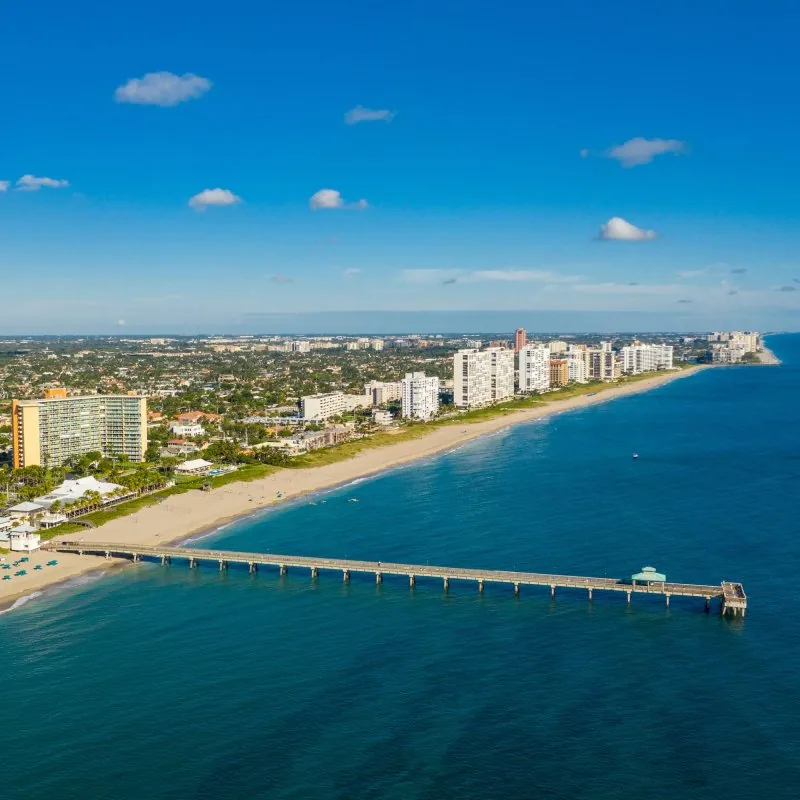
Miramar, Pembroke Pines, Davie, Hollywood, Opa-locka, Miami Gardens, Miami Lakes and Doral in Broward and northern Miami-Dade County.
Request a Roof Assessment
Send the building address and what the roof is doing. We reply with a roof visit date and a written scope.