
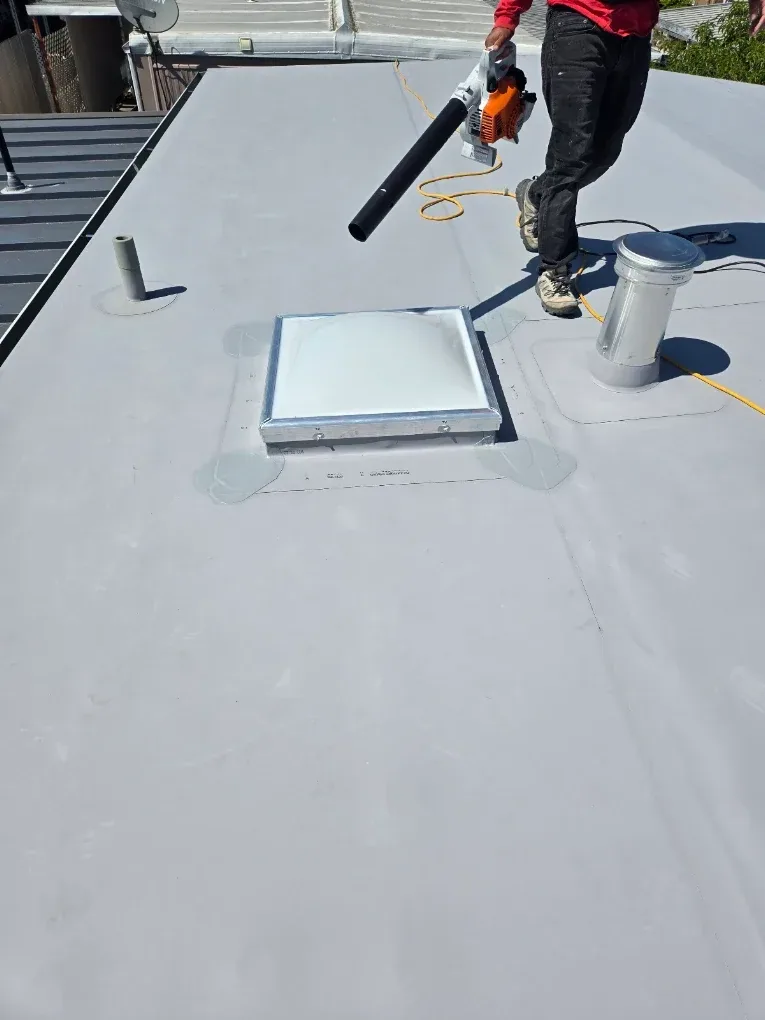
Commercial Skylight and Penetration Flashing in Miramar, FL
A failed skylight curb can put water over an occupied room before the lens shows an obvious crack. We inspect the frame, curb, flashing, membrane and nearby drainage, then trace the reported interior mark to a roof section. A skylight repair needs a sound curb and a sealed flashing tie-in that drains away from the opening instead of trapping water at the frame. Miramar's commercial, office-park and industrial land-use categories can put equipment, penetrations and service paths on the same roof. The Miramar Town Center sits between Miramar Parkway to the south and Miramar Boulevard to the north, with Red Road and Hiatus Road marking the east and west sides. At each property, we confirm access and the repair sequence with its contact. A commercial roof inspection records the detail with photos and a repair boundary.
At a skylight, we inspect the curb, counterflashing, adjacent membrane, and glazing perimeter as separate water paths. After a reported event, we check the skylight frame and curb for movement, impact or a separated seal. We also inspect surrounding seams and drains, since water may enter away from the visible interior sign. If water is active, our roof repair service can protect the interior while the permanent flashing scope is defined.
What failed at the frame or curb?
Look for loose glazing stops, cracked sealant, displaced lens edges, corrosion, open fasteners and separation where the curb meets the roof. Record the unit size and the details on each side. A repair may require a new flashing transition, curb modification or a skylight replacement, depending on the condition. We do not assume the lens is the only source. The roof plan and photos should show the curb, adjacent membrane, water path and the interior area reported by facilities.
A curb that is too low, poorly supported or tied into wet insulation can complicate a simple surface repair. Check attachment and insulation at the perimeter, and note any test opening needed to confirm hidden conditions. If the owner approves exploratory work, identify how the opening will be protected and closed. A cover-board and insulation review can separate a wet area from sound material before new flashing is installed. The estimate lists each step and the approval point.
Note whether the unit opens, has a guard or carries a service restriction. Those details affect safe access and the close-up inspection. We record the frame condition with the curb so the owner can see whether the repair addresses the full perimeter or only one failed side.
How will the leak path be checked?
Start with the interior location and date, then compare the report with the skylight, curb, nearby seams, drains and roof slope. Water can travel along a deck or insulation before appearing inside. Photograph the suspected entry detail and any competing route. If the path is uncertain, use a targeted test or opening and explain what it can confirm. Keep the temporary measure separate from a permanent repair so the owner can see what remains unresolved.
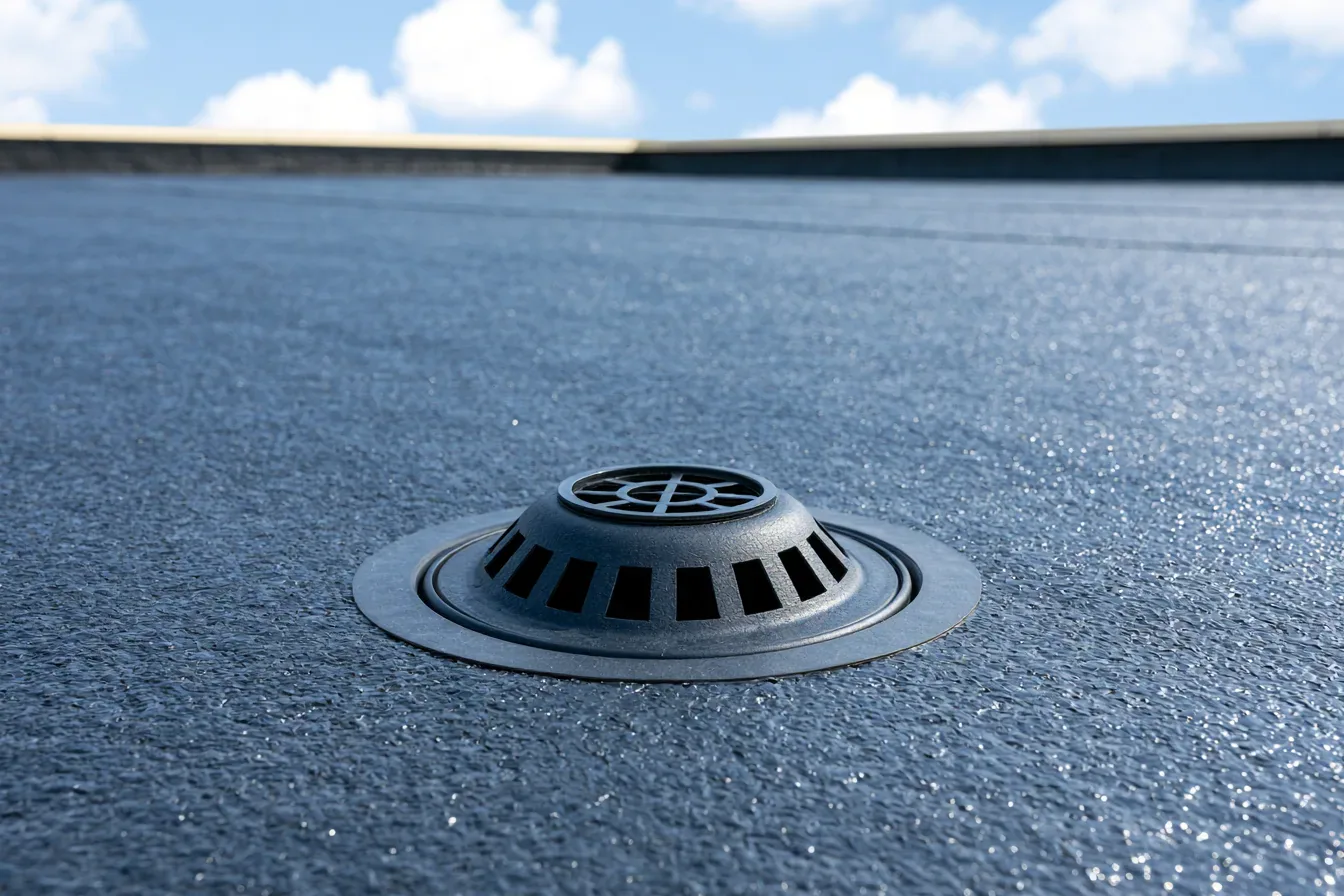
Check the flashing at each curb side and corner. Look for open laps, trapped debris, worn sealant and areas where maintenance traffic has disturbed the detail. Confirm whether the skylight is operable and who controls it before any water test. If the opening serves a sensitive interior, arrange protection and a time window with the site contact. A drain and scupper review helps check whether water is collecting nearby and reaching the curb through a separate path.
What changes after wind or hail?
South Florida wind and hail hazards can expose movement at a skylight frame, curb or flashing. After a reported event, photograph impact, shifted components and disturbed flashing before covering them. A damaged lens and a lifted curb are different conditions, and each needs a measured scope. We record any temporary closure or interior protection, then identify whether further inspection is needed before the unit is reopened.
The site contact confirms building operations, roof entry and any equipment shutdown. We inspect the frame and curb at the identified opening, then record adjacent membrane movement or debris before setting the repair boundary. A storm damage assessment can document related conditions, while an roof review for the Miramar property stays tied to the identified property.
Can the skylight stay in place?
Replacement is not automatic. Check the frame, lens, curb support, flashing and adjacent roof assembly first. If the unit is sound and the curb can support a compatible tie-in, a defined flashing repair may be appropriate. If a frame is damaged, brittle or no longer closes properly, price a replacement separately. The owner receives the observed condition, the work boundary and any manufacturer or design detail that must be confirmed before installation.
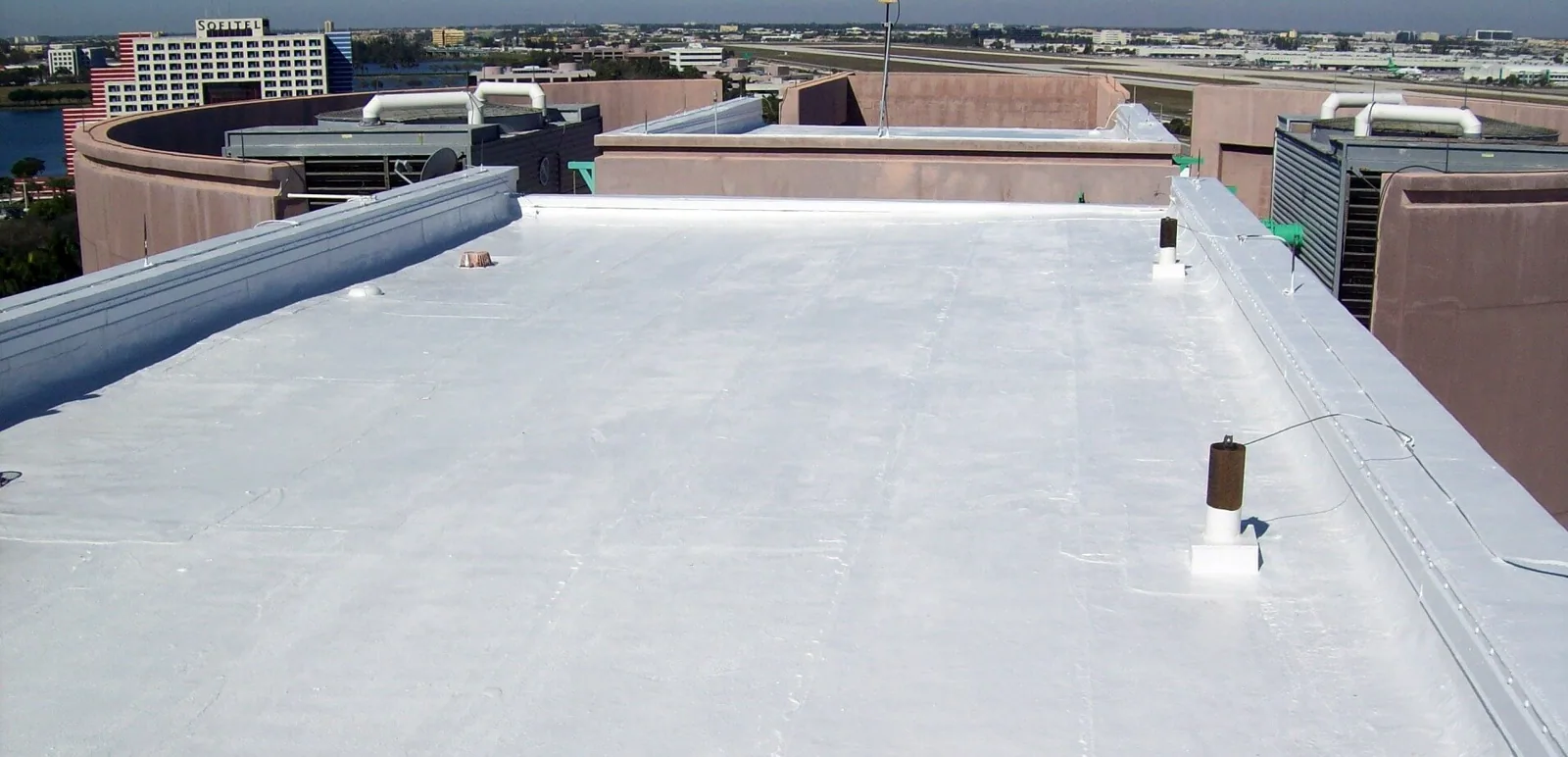
For a warehouse or office property, coordinate daylight openings with the operations team and protect the interior during removal. A warehouse roof scope can account for loading and equipment routes when that building type is confirmed. Match the new membrane transition to the roof system and approved plans. A TPO roof assembly has specific membrane and flashing details; another assembly may require a different approach. Do not apply a generic seal over a failing transition.
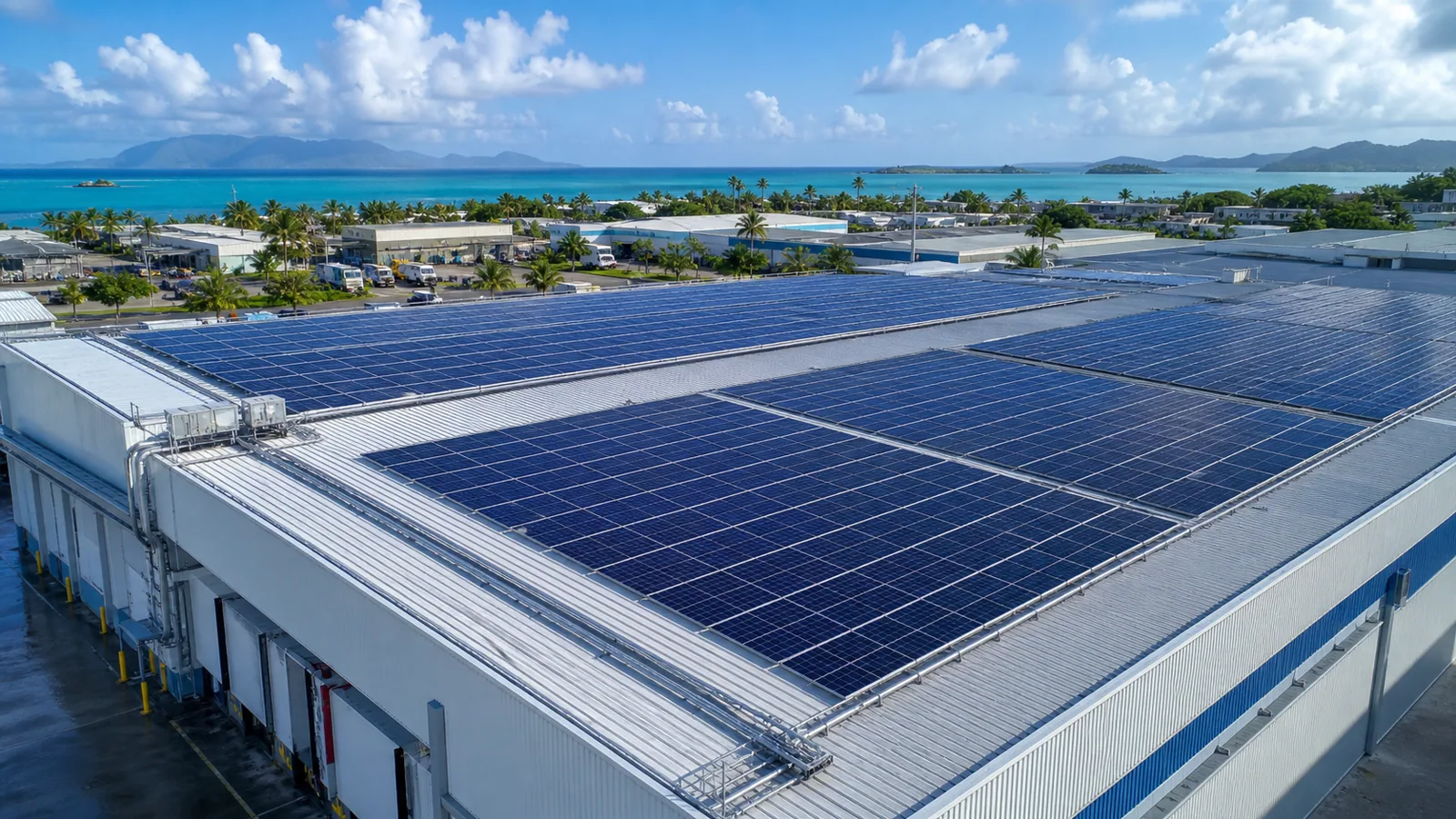
More about Commercial Skylight and Penetration Flashing
How will the repair fit building operations?
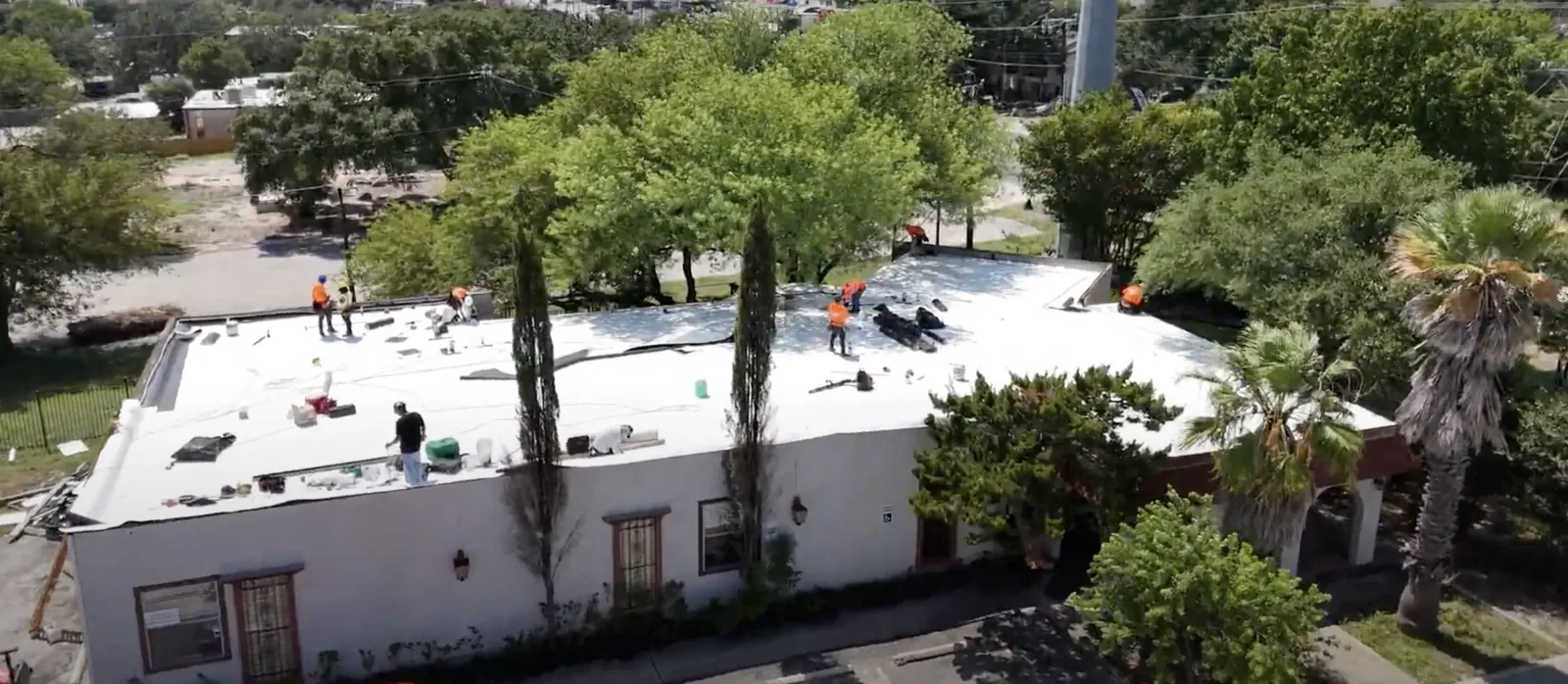
Before mobilization, confirm access, interior protection, equipment clearance, tenant notice and a safe staging area. If the skylight is over an occupied space, identify who can close the room and when. Roof work can be phased by curb or section, with temporary protection checked before the crew leaves. The work order identifies the owner contact and the condition that would stop the repair for approval.
For a multi-penetration roof, inspect nearby curbs while the crew is on the section but keep each repair quantity separate. That avoids adding unapproved work just because another detail is visible. We mark completed flashing and any deferred item on the same roof plan. The occupied-building sequence can address broader phasing when work affects multiple rooms or service routes. At closeout, give facilities the photos, product notes and any monitoring instruction.
What should the owner keep on file?
Retain the roof map, before-and-after photographs, repair quantities, material details, access notes and any warranty paperwork that applies. If the curb or lens was replaced, identify the unit and installed detail. If only flashing was repaired, state that clearly. A future leak report can then be compared with the same roof section without assuming that every skylight has the same condition.
Share prior leak dates, available drawings and current access instructions before scheduling. We will inspect the curb, frame, membrane tie-in and nearby drainage, then separate confirmed repair from any test still needed. The owner can decide whether a localized flashing repair or unit replacement fits the evidence. That keeps the proposal focused on the actual roof opening and the space below it.
Commercial Roofing Questions
Can a skylight leak even when its lens is intact?
Yes. The curb flashing, frame joint or nearby membrane can admit water. We inspect each transition and compare it with the interior report before setting the repair boundary.
Do you replace every leaking skylight?
No. We check the frame, lens, curb support and flashing. A sound unit may need a compatible tie-in, while a damaged unit can be priced for replacement.
Can you test the skylight with water?
A controlled test may help when the owner approves it and interior protection is arranged. We identify the test area and sequence so results point to a specific detail.
What if the leak appears away from the skylight?
We map the interior report and inspect the roof path, seams, drains and adjacent penetrations. Water movement can make the visible stain differ from the entry point.
How do you keep an occupied room protected?
The site contact sets access and room controls. We phase the work, protect contents and close or cover the opening before leaving the roof section.

Miramar, Pembroke Pines, Davie, Hollywood, Opa-locka, Miami Gardens, Miami Lakes and Doral in Broward and northern Miami-Dade County.
Request a Roof Assessment
Send the building address and what the roof is doing. We reply with a roof visit date and a written scope.