
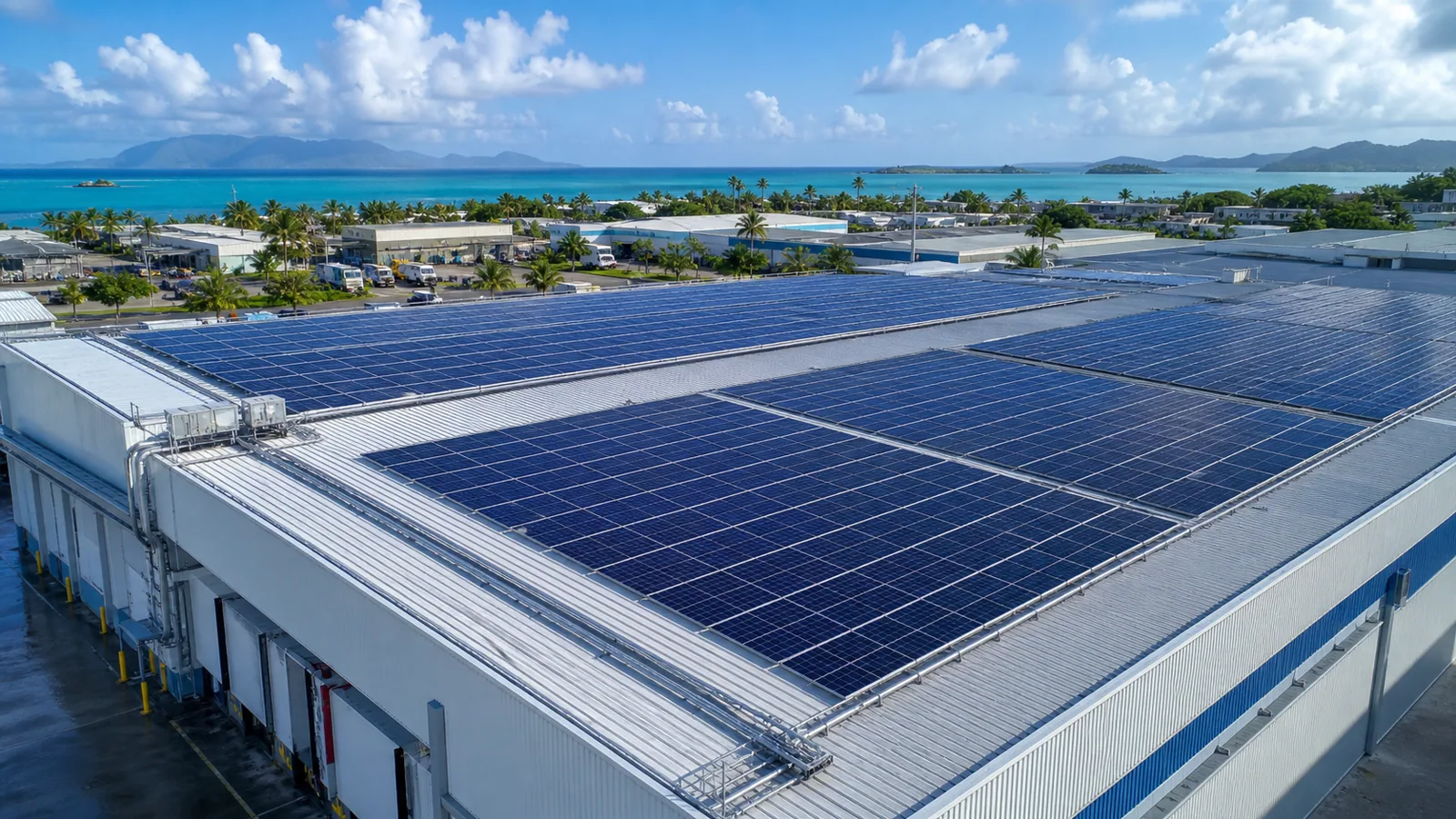
Solar-Ready Commercial Roofing in Miramar, FL
Solar plans start on the roof, not at the panel layout. A commercial array adds attachment points, service paths and coordination that can affect membrane details and drainage. In Miramar, industrial and office-park land uses make rooftop equipment and maintenance access part of the same planning conversation. We review the existing assembly, document penetrations and identify repairs before the solar contractor sets final supports. That gives the owner a roof scope that can be coordinated with the energy project. A commercial roof inspection can clarify whether the membrane is ready, needs repair first or should be replaced before the array is installed.
What does the roof need to support first?
We begin with the deck, insulation, membrane, seams, flashings and edge attachment. Existing leaks, soft insulation, loose fasteners or repeated patching can change the timing of an array. We mark roof zones where supports may land and note drainage paths, walkways and equipment that must stay reachable. The roofing review does not replace structural design. It identifies roof conditions and details that the structural engineer and solar designer need to consider before loading and attachment decisions are finalized.
Solar layouts also depend on parapets, access aisles and service clearances. The roof surface and project drawings define those constraints at the building, so we map them before panel rows are finalized. We document the equipment clearance needed for inspection and repair. In the nearby Flamingo Road and Miramar Parkway area, city planning material describes both shopping-plaza and professional-office uses. For each building, we verify its actual roof condition instead of inferring it from the surrounding development. A photo-based condition report can give the owner, engineer and solar installer a shared roof-zone record.
How should attachment and flashing be coordinated?
Every support that penetrates the roof creates a detail that must keep water out. The solar and roofing scopes should identify attachment type, flashing responsibility, sequencing and who closes each opening. We review how a support meets the membrane and whether an existing curb, conduit or pipe will be reused. If roof work happens first, the plan should preserve locations needed for the array without leaving temporary openings or unfinished transitions. If panels are already present, we coordinate access and protect the array while checking the surrounding roof.
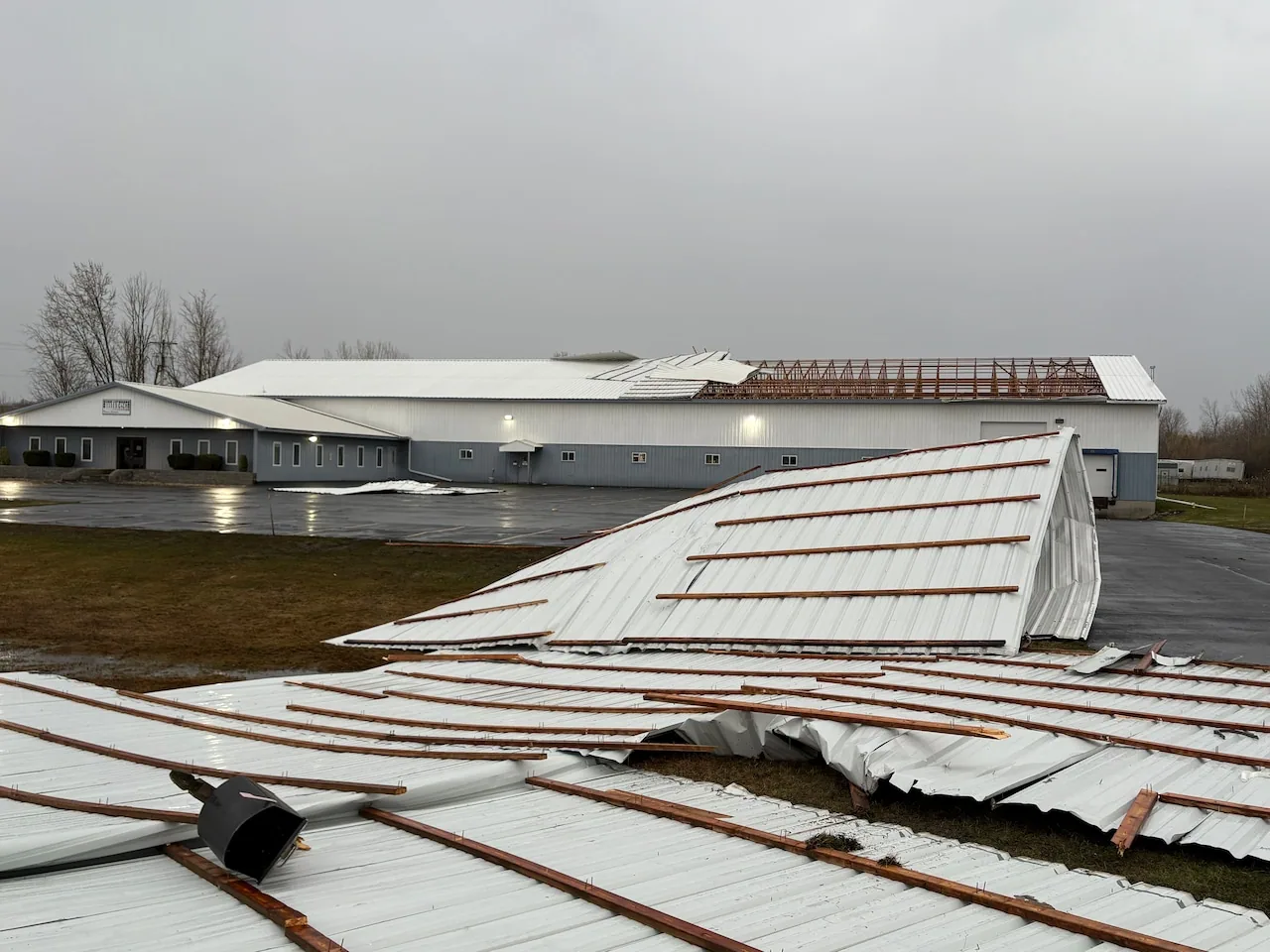
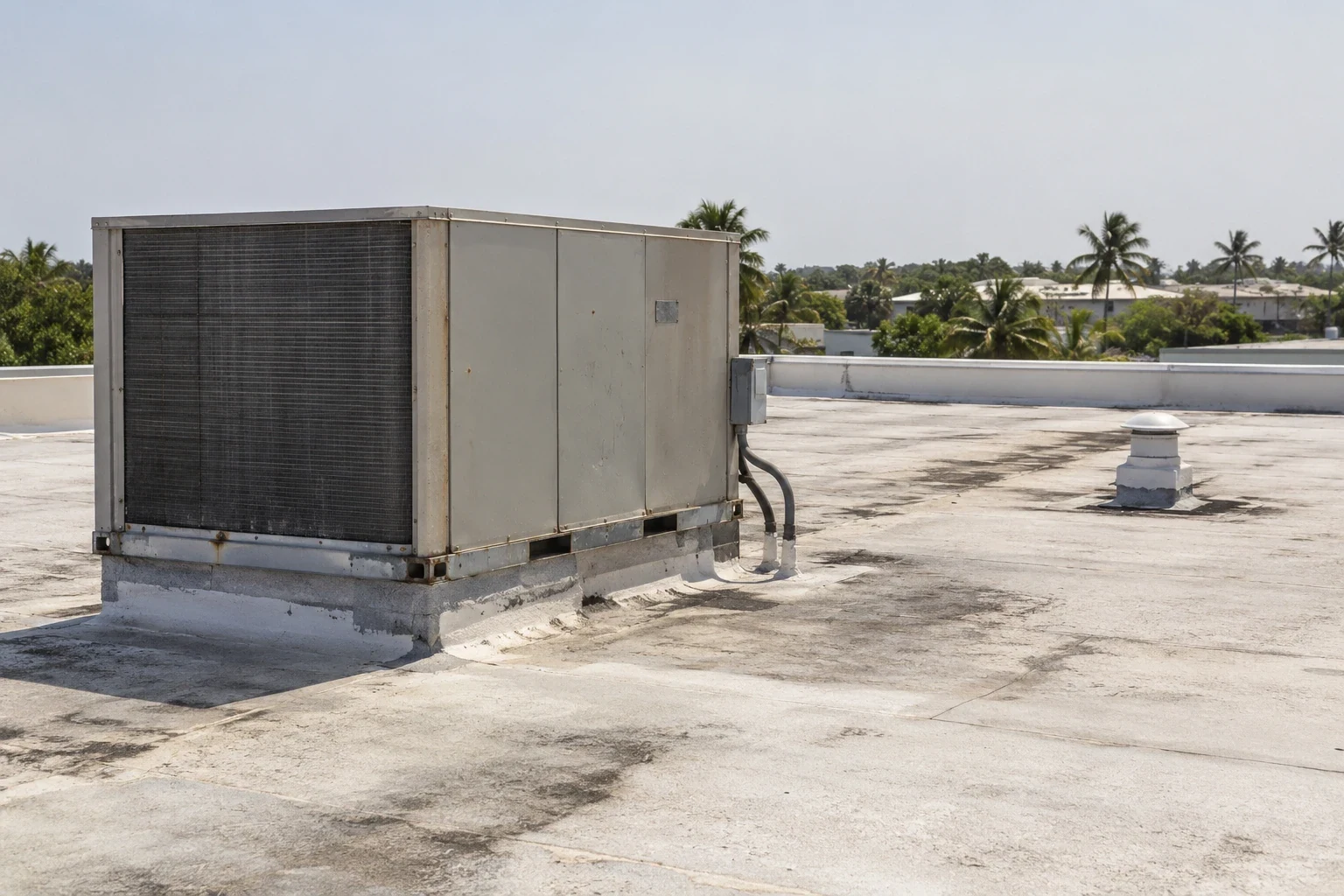
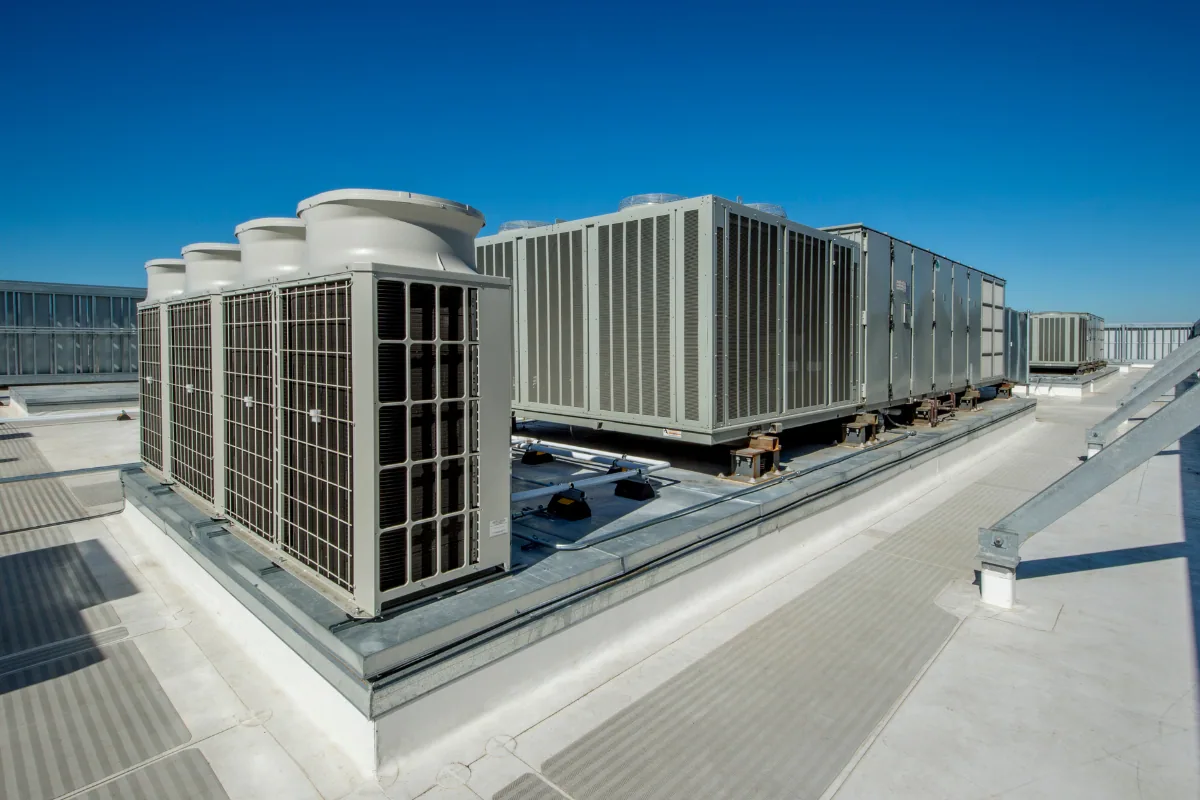
Wind, flood, hail, tornado and temperature risks belong in planning for roof attachments and rooftop equipment. The roof assembly and design determine the appropriate fastening, while perimeter details and post-storm checks remain part of the roof review. Miramar connects to Florida's Turnpike, I-75, US 441 and US 27. For a property near those routes, delivery windows and lift access can be coordinated with facility operations. We document the roof-side scope separately from electrical and structural work. A curb and support review can address existing equipment details that will remain in the solar work zone.
Should the roof be replaced before panels arrive?
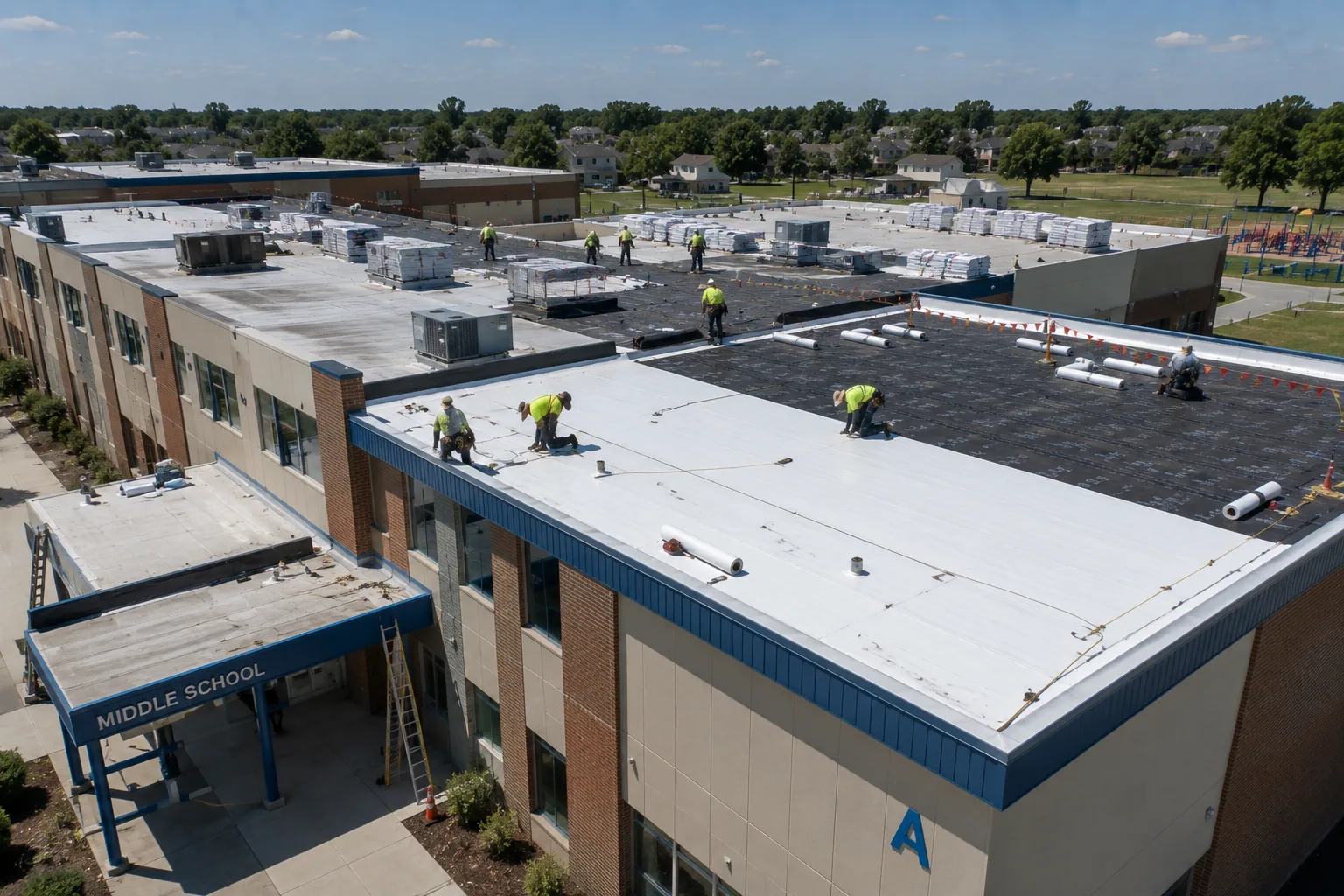
The decision depends on remaining roof condition, expected service needs, attachment design and the difficulty of future panel removal. If a membrane is near the end of its useful service or has widespread wet insulation, replacing it before the array can avoid working around panels during major roof repairs. A sound assembly may need only localized repairs and a documented maintenance plan. We compare tear-off, recover and repair options against the observed roof layers, drainage and deck, then identify how each choice affects solar sequencing.
Reflective membranes such as TPO roofing may be considered when the specified assembly fits the building and design requirements. Existing roof condition still controls the recommendation. A replacement assessment can identify wet materials and correct drainage before supports are installed. If a recover is feasible, we explain layer limits and how the new system will meet curbs, edges and drains. For roofs with a compatible existing surface, reflective roof work may be another path to discuss with the owner and project team. We do not treat energy objectives as a reason to cover a weak assembly.
Where should service paths and drains remain open?
Panel rows need space for electrical work and future maintenance. The roof also needs access to drains, scuppers, edge details, curbs and areas that may require repair. We review the proposed layout with the solar contractor and flag places where supports could block a drain path or create a difficult flashing tie-in. That review is practical, not a panel design. It helps each trade see where the roofing scope ends and where solar work begins before materials are staged.
Miramar's planned Pembroke Road work extends from Dykes Road toward US 27, with divided-roadway improvements and multi-use paths planned by segment. For solar scopes nearby, building managers should verify the parcel entrance and staging area instead of assuming public-road access defines roof access. For nearby commercial properties, the owner can coordinate roof access, deliveries and work periods with site conditions. We keep the roof dry as each section opens and record support locations before covering them. If the building remains occupied, phased roof work can sequence repairs around business operations. A Miramar commercial roof review can bring the property contact, roofer and solar installer to the same roof plan.
More about Solar-Ready Commercial Roofing
What records help after installation?
Keep the roof plan, support locations, flashing details, repair notes, equipment changes and closeout photos together. When a leak appears later, those records help distinguish a roofing defect from a newly added penetration or service route. We photograph concealed roof conditions before they are covered and note the material used at each tie-in. The owner can then give future maintenance staff a usable map instead of asking them to reconstruct the array from memory.
Cost and timing depend on roof condition, number of attachments, access, trade sequence and whether equipment must move. A written roof capital plan can show which repairs belong before array installation and which can be monitored. If water entry is active, leak repair may be needed before solar work proceeds. We coordinate roof-side decisions with the design and installation team, then leave a record of the completed roofing details. This preserves a clear repair boundary while the owner manages the broader project.
Commercial Roofing Questions
Can solar panels be installed on the roof we already have?
The existing assembly, structural design, attachment method and expected maintenance determine that. We inspect membrane condition, moisture, drainage and details, then report roof-side issues for the project team. A structural professional evaluates loading. If the roof has widespread failure, replacing it before panels are added may simplify future repairs.
Who flashes the solar supports through the membrane?
The project scopes should name the party responsible for each penetration and the accepted detail. We coordinate the roofing work with the solar installer so openings are not left unfinished between trades. The closeout record should show support locations, materials and photographs of the sealed roof transitions.
Does the array need to stay clear of drains and HVAC units?
Yes, the layout needs service access and drainage paths that remain usable. We mark drains, curbs, exhausts, walkways and repair zones during the roof review. The solar designer sets the array layout, while we explain roof details that need access for inspection and maintenance.
Should reroofing happen before or after the panels?
A roof with broad moisture, failing attachment or repeated leaks may be better addressed first. A sound roof can require a smaller repair scope. We inspect the layers and discuss how panel removal would affect future roof work, then coordinate the sequence with the owner and solar team.
What if the solar project adds new conduits or rooftop equipment?
Each new penetration needs a compatible roof detail and a recorded location. We coordinate opening, flashing and closeout with the responsible trade. Existing curbs and equipment supports should also be checked so their condition is not confused with work added for the array.
Miramar, Pembroke Pines, Davie, Hollywood, Opa-locka, Miami Gardens, Miami Lakes and Doral in Broward and northern Miami-Dade County.
Request a Roof Assessment
Send the building address and what the roof is doing. We reply with a roof visit date and a written scope.