Coast Guard Station Roofing in Miramar, FL
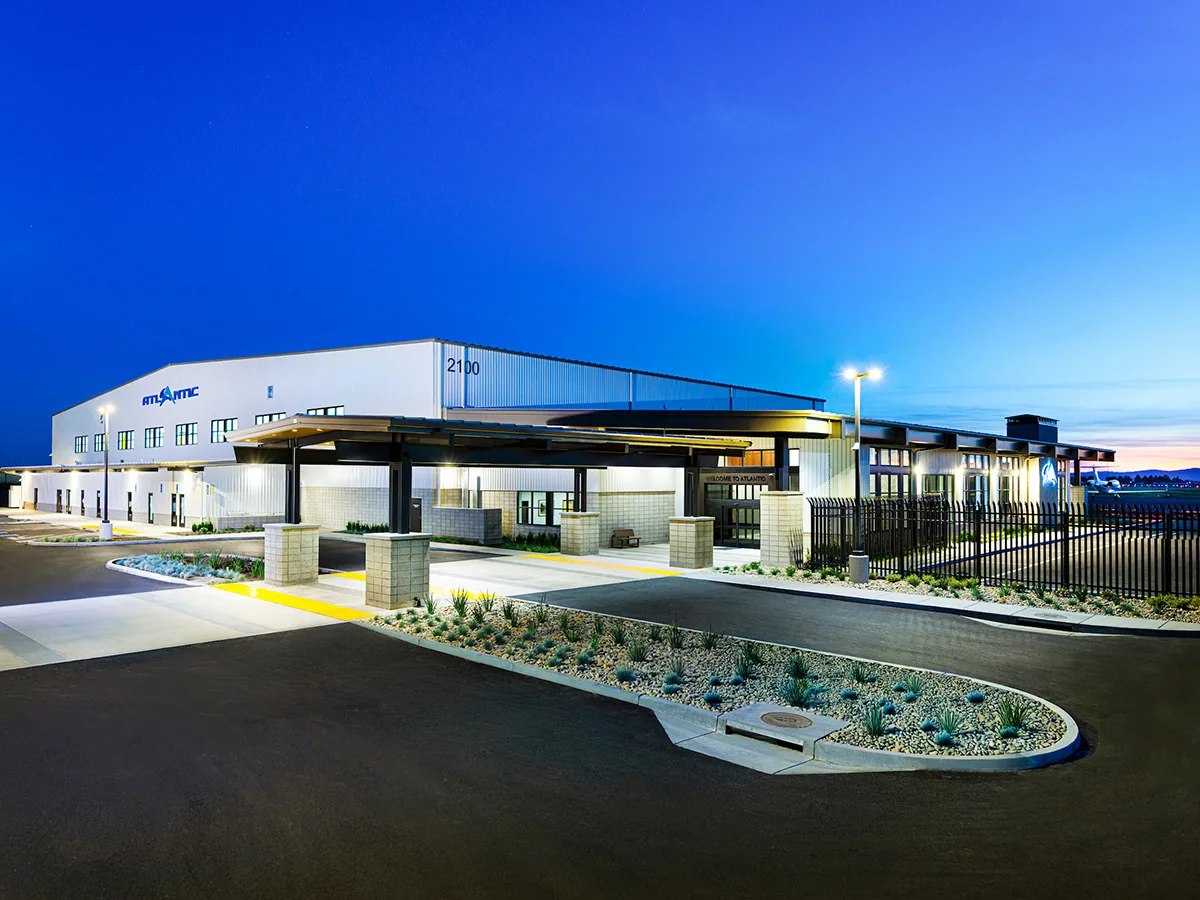
Public-sector aviation-support buildings need a roof plan that respects access controls, active work, and equipment below. Miramar's commercial and industrial land-use categories sit alongside employment centers, office parks, regional-activity areas and transit-oriented districts. Coast Guard Air Station Miami operates at Opa Locka Airport, within the Opa-locka service area, and has remained active since 1965. Its history documents fixed-wing and helicopter operations, including search-and-rescue and law-enforcement work. For a project at the station or another aviation-support property, the authorized contact defines the work boundary. We inspect known materials, trace water paths, and record conditions that shape the repair.
A hangar, shop, office or other support building can have different roof details, so we confirm the assembly on the authorized structure. We inspect seams, drains, penetrations, flashing and edge attachment, then identify testing if moisture is concealed. A commercial roof inspection gives the facilities contact a photo record and a clear repair boundary. The installation contact should coordinate escort, badging and mission access before any roof-work window is set. We limit exposure first, then plan permanent work around the site’s operating instructions.
What should access planning cover?
The owner supplies badging, escort, vehicle, tool, and roof entry procedures before mobilization. We list personnel and deliveries under the provided process, confirm where materials can stage, and identify zones that stay clear. A daily work plan sets the roof area that may be opened, the dry-in point, and the contact who can pause activity if operations change. Those controls are part of the sequence, not an item left until the crew arrives.
At a controlled aviation site, the property contact identifies whether aircraft activity or other restrictions affect lift and delivery timing. We follow the approved path, keep staging clear of restricted areas and work within the authorized access window. A hangar roof review also considers wide doors, clear spans, and edge transitions, while a military maintenance roof plan includes its own mission and security coordination.
Weather may change the allowed work window. We define the open area and close it to a secure dry-in condition before the shift ends. If concealed damage appears, we stop at the agreed boundary, photograph the condition, and submit the additional quantity for approval. The roof package records what is complete, what remains temporary, and the next decision needed from the owner.

Which roof details need inspection?
Hangar edges, equipment curbs, wall transitions, drains, scuppers, and penetrations can each direct water into a building. We inspect the membrane or metal panels, the attachment, and the flashing at each change in plane. A loose termination may need a focused repair; widespread seam failure or wet insulation can change the scope. We use photographs and a marked plan so the facilities team can connect each recommendation with its location.
Aviation-support roofs can place equipment clearances, maintenance access, and staging needs close together. A sound work plan defines those boundaries before material is moved or a roof section is opened. We coordinate with the building contact before moving materials or opening roof sections. A phased occupied-building sequence can keep work within approved boundaries while the property remains in operation.
Those land-use labels span office, employment and regional-activity settings as well as commercial and industrial areas. For an aviation-support building, we inspect the assigned structure and connect each condition record to its roof zone. If a leak is known, a repair scope states preparation, flashing, access and closeout checks needed to return that area to service.
What changes after storm exposure?
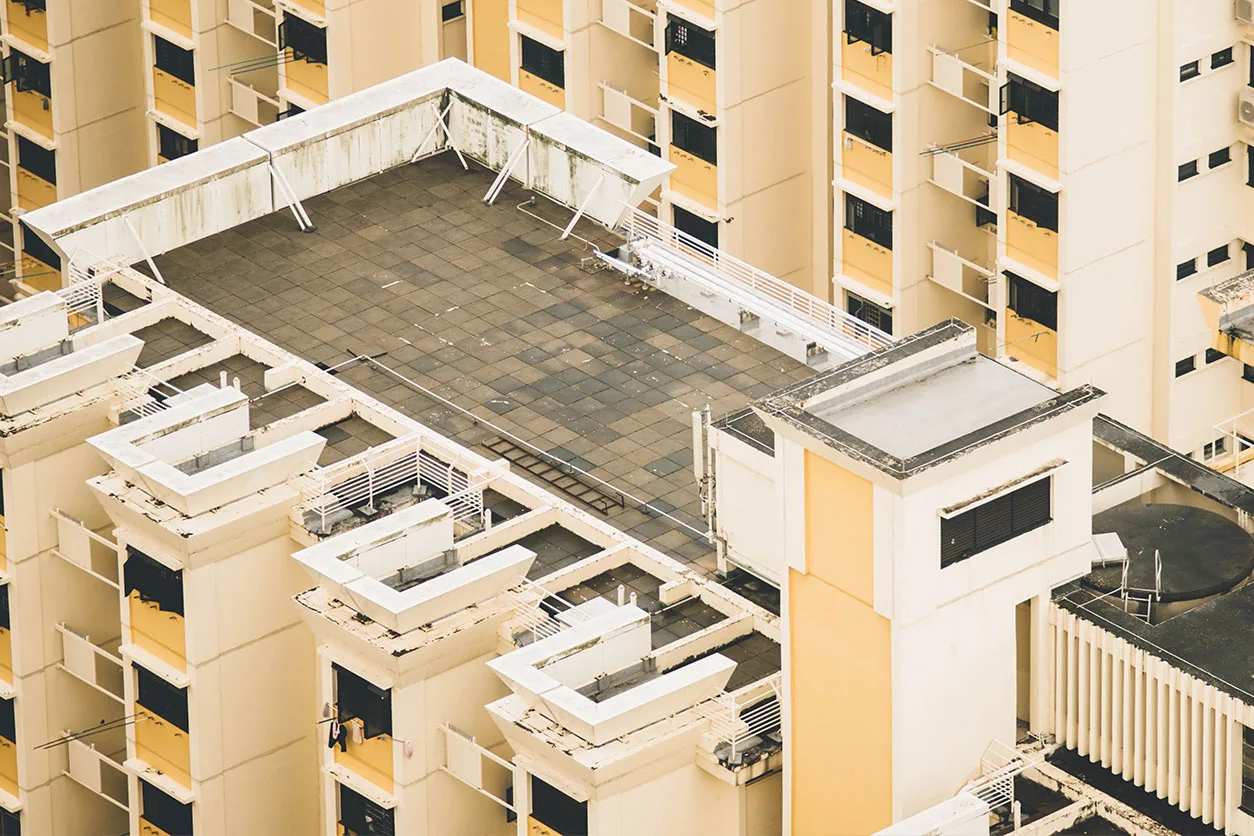
After a storm, we check corners, seams, perimeter attachment, flashing, penetrations, and interior signs. The inspection record identifies the roof zones reviewed and the evidence found at each detail. We document moved material before temporary protection changes the evidence and keep repair recommendations tied to visible conditions.
US 27 and State Road 7 are principal Miramar routes. At a controlled property, the contact sets gate, escort, delivery and staging requirements. A wind damage assessment can record the repair limit and follow-up needs. For an active opening, an emergency roof repair scope separates temporary protection from permanent work, with access and weather conditions guiding the sequence.
Timing changes with access approvals, material procurement, the number of roof zones, and the length of the authorized work window. We keep an open area within the daily limit and verify the dry-in point before leaving. If weather or operations shorten the shift, the field record states which protection is temporary and when the next review is needed.
How do repair and replacement compare?
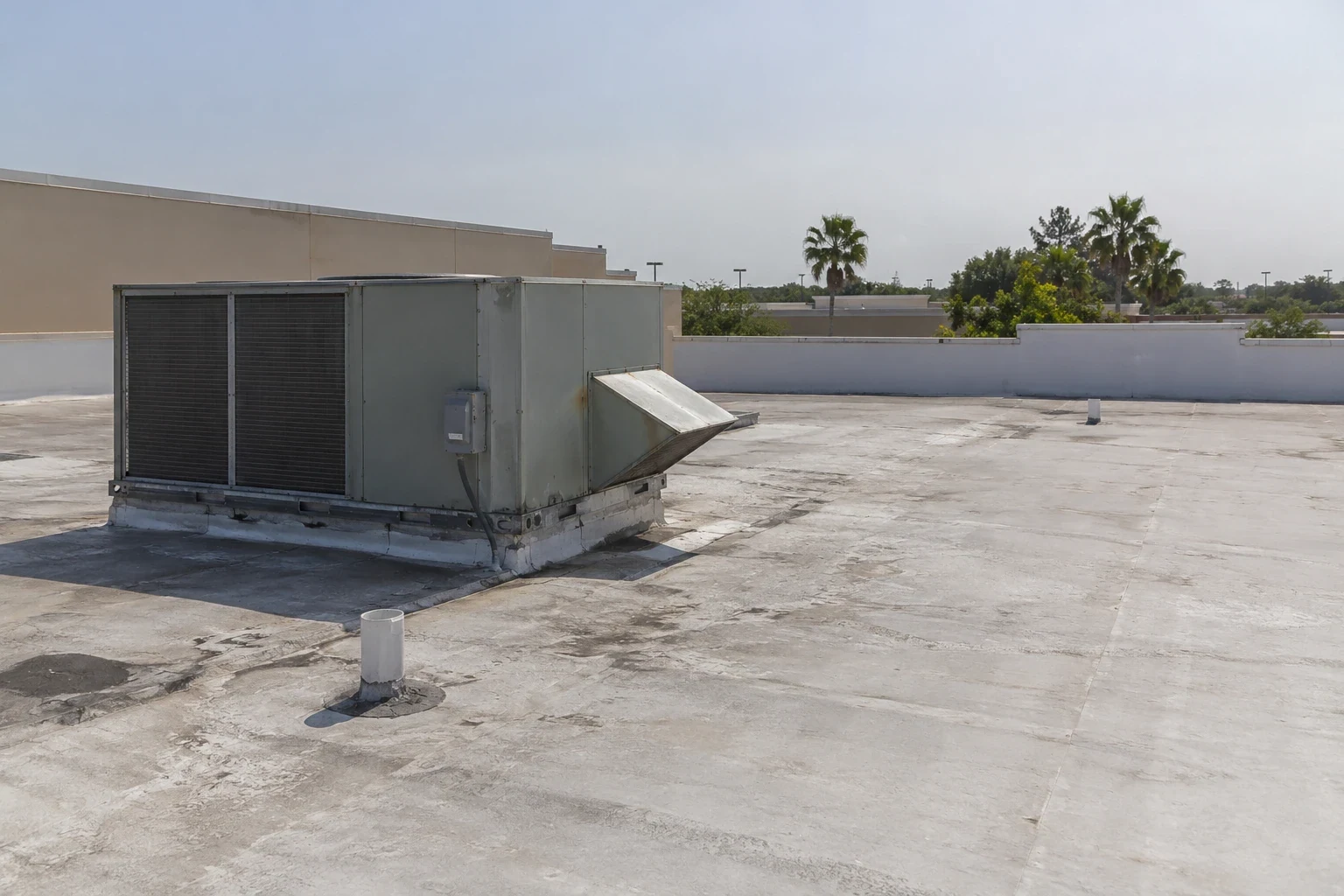
A repair may fit when the roof remains attached, the surrounding material is sound, and the defect has a defined edge. Several failed seams, wet insulation across multiple areas, loose perimeter details, or deck damage can move the decision toward replacement. We verify layers, drainage, attachment, deck, and equipment clearances before considering a recover. Another layer cannot correct a wet substrate or an unaddressed drain problem.
Cost changes with tear-off, insulation, deck repairs, perimeter metal, equipment moves, access controls, staging, and interior protection. Timing also depends on security coordination, procurement, approvals, and the available work window. We show confirmed quantities separately from conditions hidden under the membrane. A roof replacement proposal should identify the assembly and transitions, with any further design review handled through the owner’s process.
Each aviation-support building has its own drawings, roof assembly, and operating instructions. We keep a recommendation tied to the authorized structure and the conditions observed there, then route design or access questions through the owner’s review process. A maintenance program can track seams, drains, and penetrations after approved repairs.
More about Coast Guard Station Roofing
What belongs in the facilities record?
Closeout identifies the building area, repaired details, material installed, photographs, approved changes, and any remaining testing. The marked roof plan shows where another trade should protect a seam, curb, or edge detail. We distinguish temporary cover from permanent repair so the operations contact can identify areas cleared for normal activity and what requires a follow-up visit.
That record supports later maintenance and budget review without confusing one facility with another. Request a Miramar-area roof assessment for an aviation-support building through its authorized property contact. The review documents visible defects, separates urgent protection from permanent scope, and identifies the approvals needed before crews mobilize.
Before opening a work area, identify the protection layer, fastener handling, and steps for containing debris. Record who checks the roof at the end of the shift and what condition allows the area to reopen. Keep that checklist with the phase photos and approved scope.
Commercial Roofing Questions
How is roof access coordinated at an active station?
The owner provides badging, escort, vehicle, tool, and roof entry procedures. We follow the approved route and work boundary, then confirm who can pause or reschedule activity if operations change.
Can a roof repair happen during aviation operations?
The property contact sets the allowed window and restricted zones. We plan delivery, staging, lift placement, and the daily opening limit around those directions, with a defined dry-in point before leaving the roof.
What if a roof opening is found during storm response?
We document its location and secure it against further exposure. The permanent repair is then scoped from the assembly, access rules, and conditions that support a lasting tie-in.
Does a regional storm outlook establish damage?
No. We inspect the actual roof for moved flashing, punctures, seam changes, attachment, and water entry. The report connects observed conditions with the repair boundary and any testing still needed.
What records should be kept after roof work?
Keep the marked roof plan, photographs, installed materials, approval changes, temporary measures removed, and open follow-up items. Those records help operations staff coordinate future roof access and maintenance.
Miramar, Pembroke Pines, Davie, Hollywood, Opa-locka, Miami Gardens, Miami Lakes and Doral in Broward and northern Miami-Dade County.
Request a Roof Assessment
Send the building address and what the roof is doing. We reply with a roof visit date and a written scope.