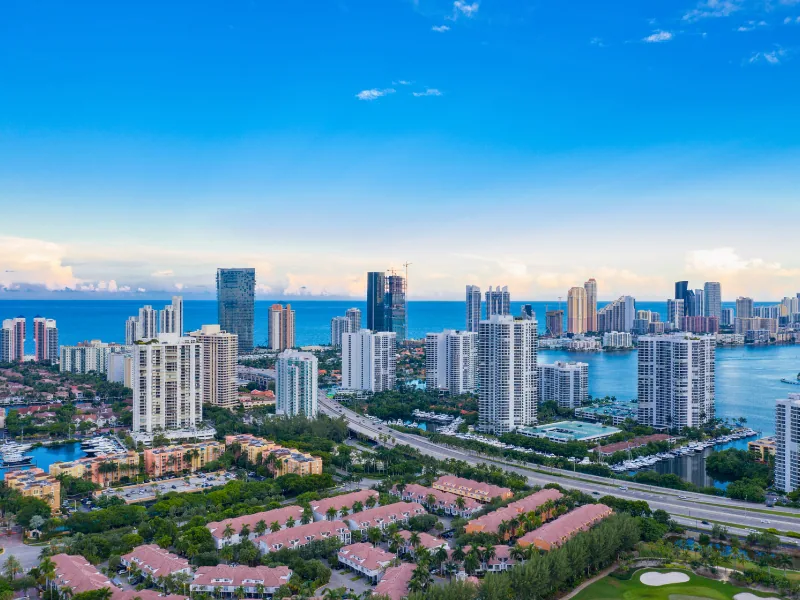
Opa-locka includes commercial, residential, retail and recreational uses across distinct downtown, industrial and commerce districts. We inspect seams, drains, edges, curb flashing and interior reports, then mark the roof conditions and any test needed to set a repair boundary. A commercial roof inspection sets out the repair boundary before pricing. We serve the wider city and the Opa-locka downtown area as well as its industrial district.
How do mixed uses affect a roof plan?
Commercial, residential, retail and recreational uses bring different access, hours and protection questions. We confirm roof entry, staging, equipment clearance and areas below that need protection with the property contact. The inspection records the visible assembly, past patches, membrane laps or metal details, drain locations and interior signs. The property walk establishes the roof layers, insulation condition and visible repairs. If those remain unclear, we identify what a test opening would confirm before setting the work boundary.
Opa-locka aims to attract companies and support local entrepreneurs. A condition report with roof photographs ties each finding to a roof zone, repair boundary and test need. At closeout, dated photos show the opened area, the material installed and where the approved scope stops. That gives a later inspection a useful comparison. When a repair crosses a curb, seam or drain, the record should identify each transition included and any adjacent area left intact. That keeps the approval boundary clear if a later leak appears nearby. For owners comparing several assets, a separate roof record keeps maintenance history and budget items with each property.
Roof access is part of the inspection record. We note the entry used, areas that were blocked and whether equipment limited visibility. Where the site has several connected roof elevations, each is marked separately so the owner can tell which drain, seam or penetration belongs to the finding. We record accessible roof sections separately and mark any area that needs a follow-up visit, along with the access required.
How do you follow a leak through the assembly?
We start with the reported interior location and inspect the roof details that could connect to it. A leak may travel below a membrane before showing at a ceiling. We check seams, wall transitions, penetrations, drains, scuppers and equipment curbs, and note whether prior patching has altered the area. If moisture indicators point beyond the visible defect, we mark a test location and explain what the opening would answer. The repair limit is set by evidence, not by the stain alone.
Opa-locka's redevelopment area includes downtown, industrial and commerce districts. After a reported event, we inspect the roof's attachment, edge metal, flashing and drainage for conditions that need repair. A wind-damage assessment documents displaced components and open details. If water lingers near an outlet, drain and scupper service can be scoped separately from membrane repairs.
What does the district context mean for access?
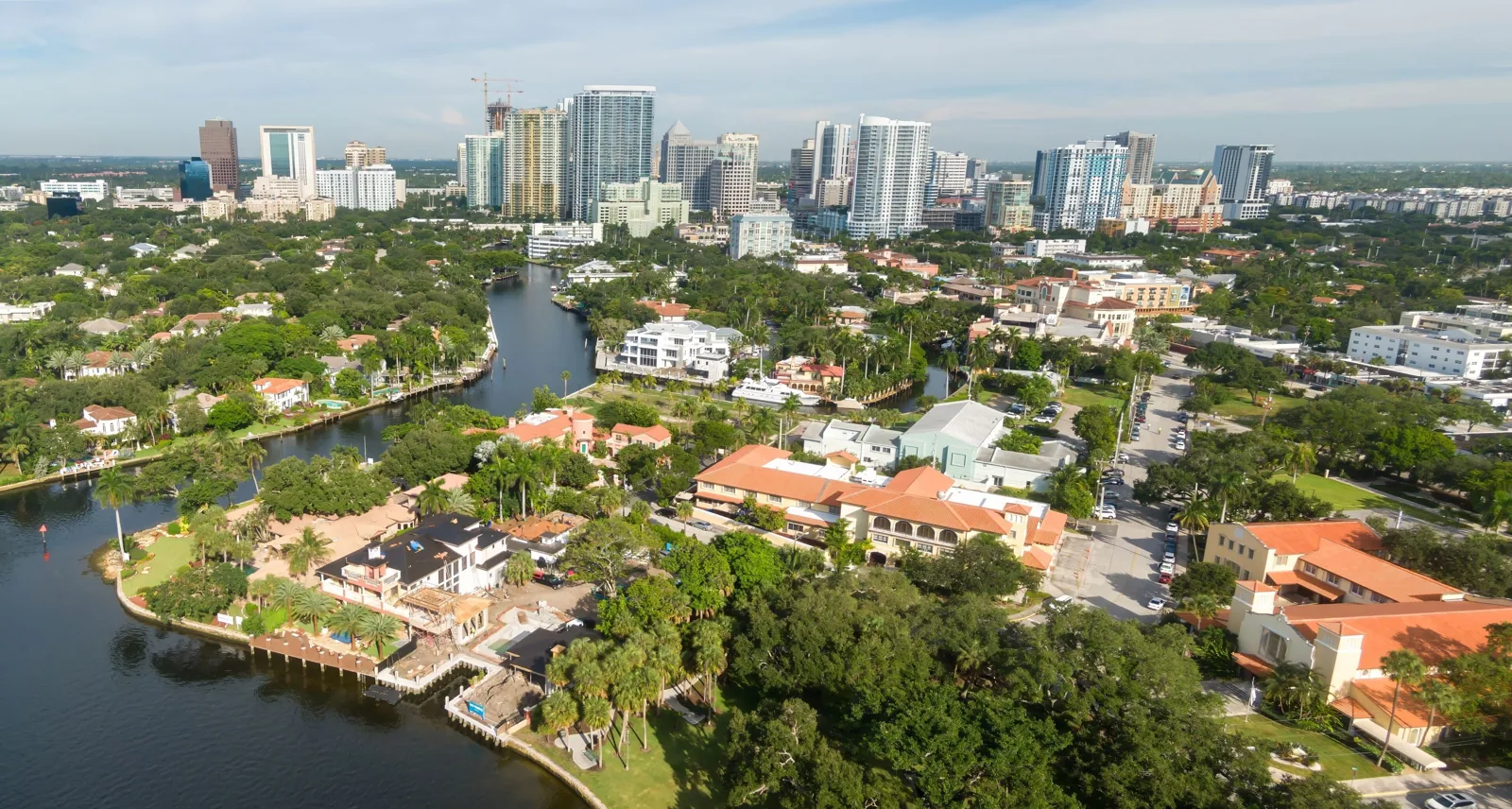
Opa-locka's redevelopment area contains separate downtown, industrial and commerce districts. Ali Baba Avenue is downtown's industrial spine, with the Tri-Rail and CSX corridor nearby. For a roof visit, management confirms the building's delivery path, roof hatch, escort needs and operating schedule. We confirm those details with site management before setting arrival, staging and material movement. That keeps a route assumption from turning into a work delay.
Where roof access crosses active space, we agree on hours, tenant protection and the order of work before opening a section. Each area receives a dry-in plan and a secure end-of-shift point. If removal reveals wet insulation or a compromised deck, we document it and seek owner direction before increasing the authorized limit. A phased occupied-building reroof can be considered when the roof and schedule support it. The property contact in Opa-locka should share the leak location, safe access point and interior conditions before a visit.
When should repair become a larger review?
A local patch fits when the surrounding material is sound and the moisture stays within a known area. Several leaks, wet insulation across separate zones, loose edges or deck concerns may call for more investigation. We compare a repair with coating, recover or replacement only after checking the assembly, drainage height, attachment and flashing. A new layer should not cover wet material or reduce drainage. The written scope separates confirmed work from options that depend on testing or removal findings.
For a property with more than one roof level, we label each transition and record whether the flashing, membrane or metal panel continues across it. That helps distinguish a leak path from the nearby roof surface and gives the owner a clear map for testing or repair. Where one drain serves more than one section, we note its outlet and adjacent membrane separately.
The effective statewide baseline is the Florida Building Code, Eighth Edition (2023), but a specific project's permit requirements must be confirmed. We note the proposed system and details for the owner and design team to review. Cost and timing depend on roof area, access, removal depth, insulation, deck repairs, staging and equipment conflicts. A capital plan for roof work can sequence immediate correction separately from future replacement. The scope remains a building-level decision even when the city context includes multiple redevelopment districts.
Timing also changes when a roof serves a retail or residential area that remains in use. We coordinate notices, safe routes and the location of any interior protection with management. Material movement and noisy tasks can be set for an agreed window, while the dry-in plan keeps the roof secure between shifts. These details belong in the schedule and estimate because they affect labor sequence and the space available for staging.
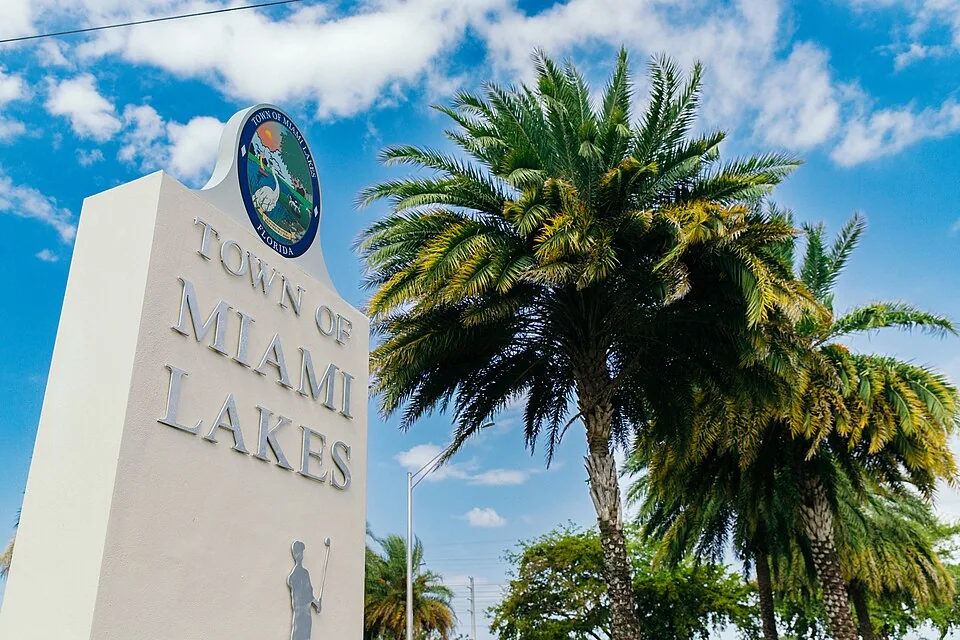
More about Opa-locka
What should stay with the property file?
For downtown Opa-locka work, attach each observation to its roof zone and access point rather than to a general district label. Note the finding, any test result, the approved repair boundary and the route used to protect the interior. When concealed material changes the scope, record the owner’s direction before removal continues. Where a property has separate roof areas, keep the records distinct by area.
Downtown's industrial spine runs along Ali Baba Avenue. A preventive maintenance visit can track drains, seams and edge conditions, while a roof inspection near the Ali Baba Avenue corridor starts with the building's own assembly, access and reported leak. The owner should leave with a clear repair, test or budget step and a record of the condition supporting it.
Commercial Roofing Questions
Does the redevelopment district name identify a building's roof system?
No. It describes land-use areas, not a property's membrane or metal assembly. We inspect the building and record layers, drainage, edges and visible defects before recommending work.
Can you inspect a roof after a severe weather report?
Yes. We check the actual roof for attachment, open seams, flashing and water paths, and record any interior evidence. Regional outlook information provides context, while the property inspection establishes findings.
How do you price a repair when moisture may be concealed?
We price the confirmed repair boundary and identify what testing could change it. If removal reveals wet insulation or deck damage, the owner receives the location and options before added work proceeds.
Will a commercial reroof interrupt the building below?
We coordinate access, protection and work windows with management. Phasing depends on the roof and operation; each opened area needs a dry-in plan and a secure end-of-day condition.
What records help with the next maintenance visit?
Keep the roof map, photos, repair approvals and closeout notes. They show which area was corrected, which condition remains open and where a follow-up inspection should begin.
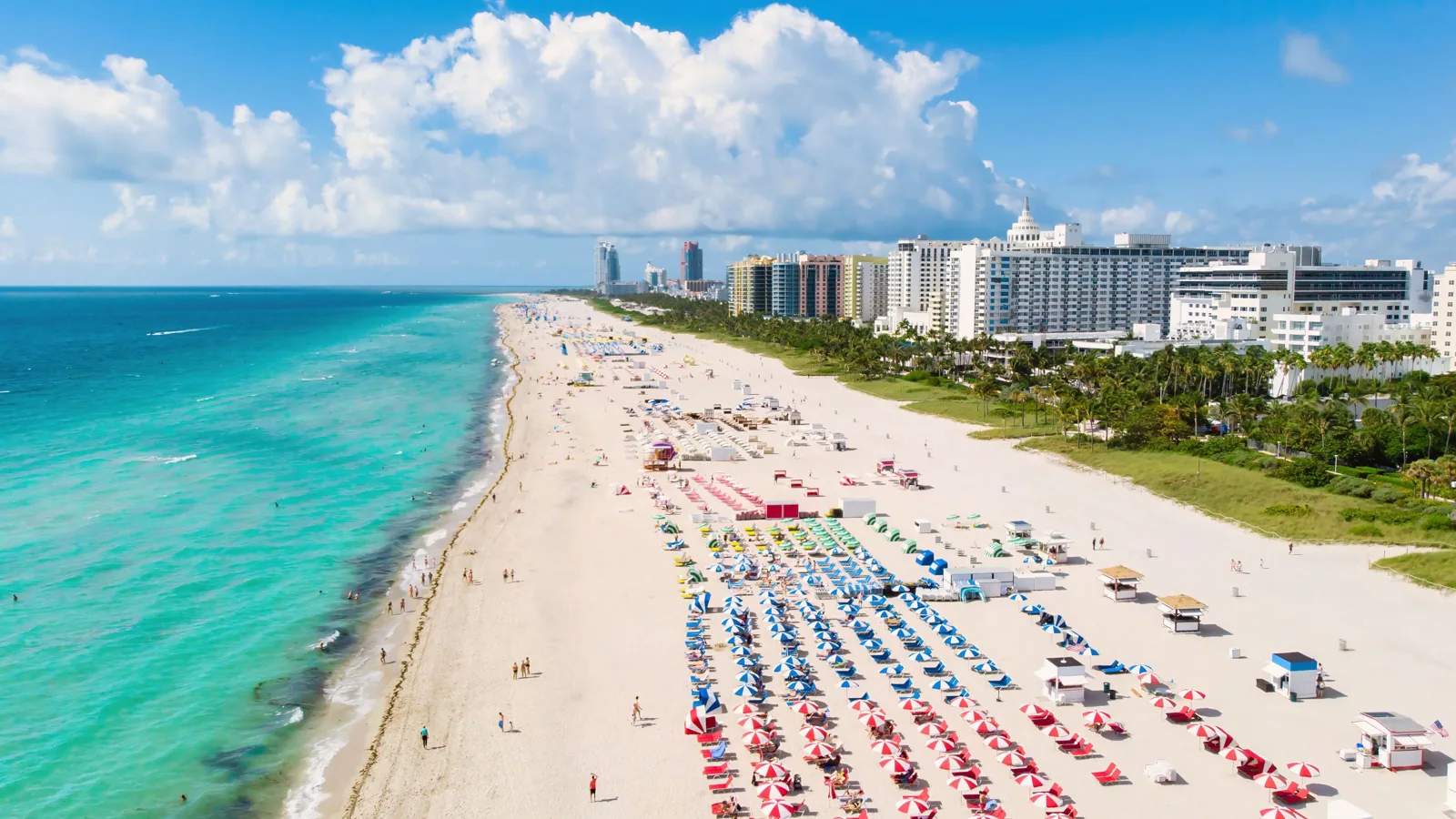
Miramar, Pembroke Pines, Davie, Hollywood, Opa-locka, Miami Gardens, Miami Lakes and Doral in Broward and northern Miami-Dade County.
Request a Roof Assessment
Send the building address and what the roof is doing. We reply with a roof visit date and a written scope.