
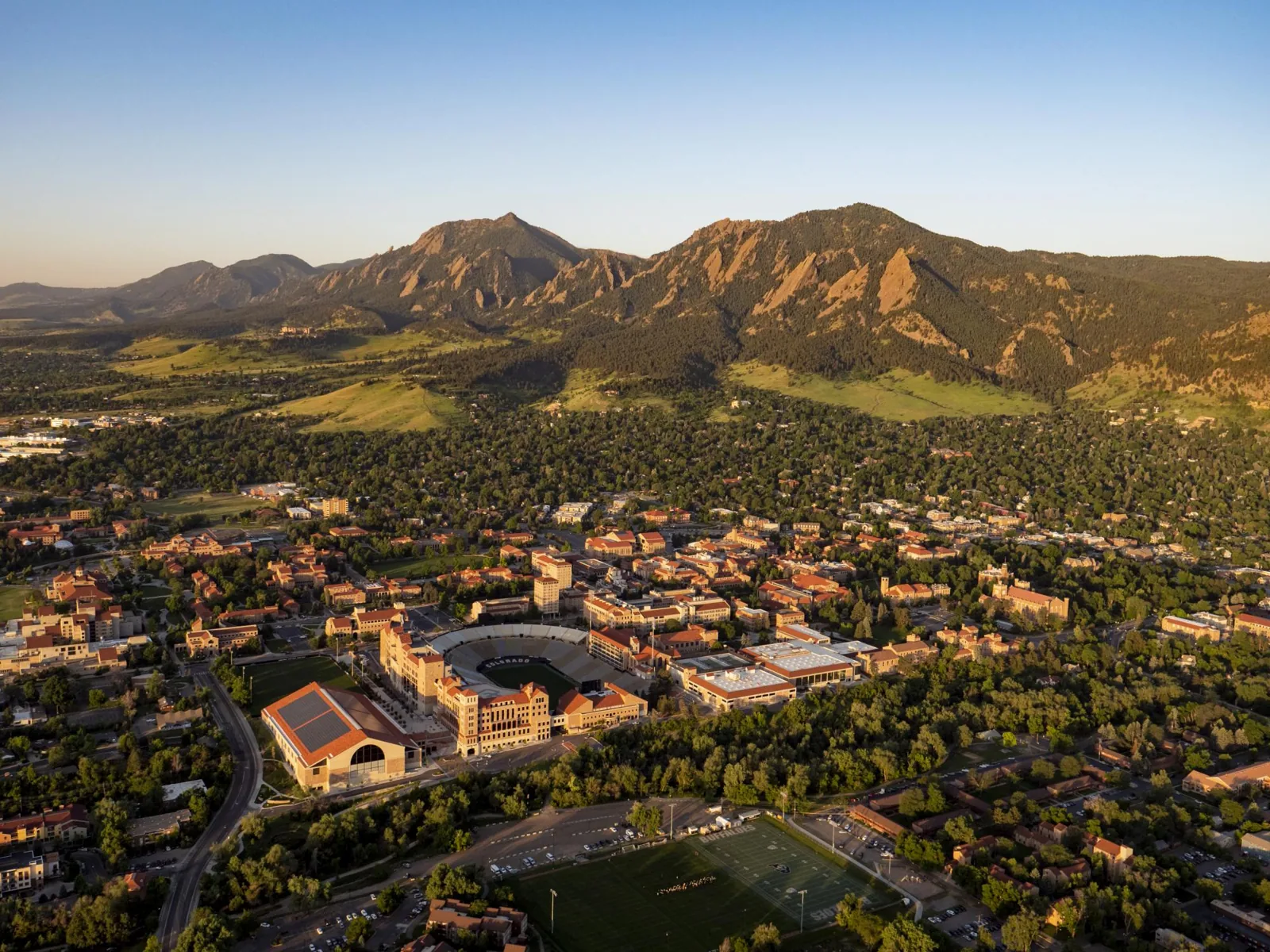
College and University Roofing in Miramar, FL
A lecture building, lab, residence hall and dining facility do not share one roof schedule. A leak over a classroom may allow a short repair window; work above an active lab can require equipment coordination and a protected route below. In Miramar, we inspect the assembly, drains, curbs and perimeter before setting the repair boundary. Regional-activity and transit-oriented areas sit alongside office parks, employment centers, industrial and commercial uses in Miramar. Davie includes education, healthcare, distribution and technology among its industry sectors. We inspect each campus building and tie the recommendation to its own roof condition.
Water can move from a failed penetration before appearing in a ceiling tile. We compare the interior report with nearby seams, drains and roof transitions, then photograph what we can confirm. A commercial roof inspection helps the facilities team decide whether to repair one zone, test for hidden moisture or compare a broader replacement. For an occupied campus, the next step should fit the academic calendar without leaving an open roof at the end of a shift.
Which campus buildings need separate scopes?
Central plants, academic buildings, dining areas and residences can have different penetrations, equipment loads and access limits. We record zones separately so a classroom repair does not become a campus-wide assumption. At a lab, the facilities contact may coordinate ventilation or sensitive equipment before a curb is disturbed. A dining roof may need a work window away from meal service. Our estimate separates conditions when they change access, protection or trade coordination.
Davie’s local sectors include education, healthcare, distribution and technology. At a college property, the roof's assembly and equipment are verified on site. For K-12 buildings, a school roof review considers classroom protection and bell schedules. Dining facilities can compare a restaurant roof work plan when kitchen operations affect access or ventilation.
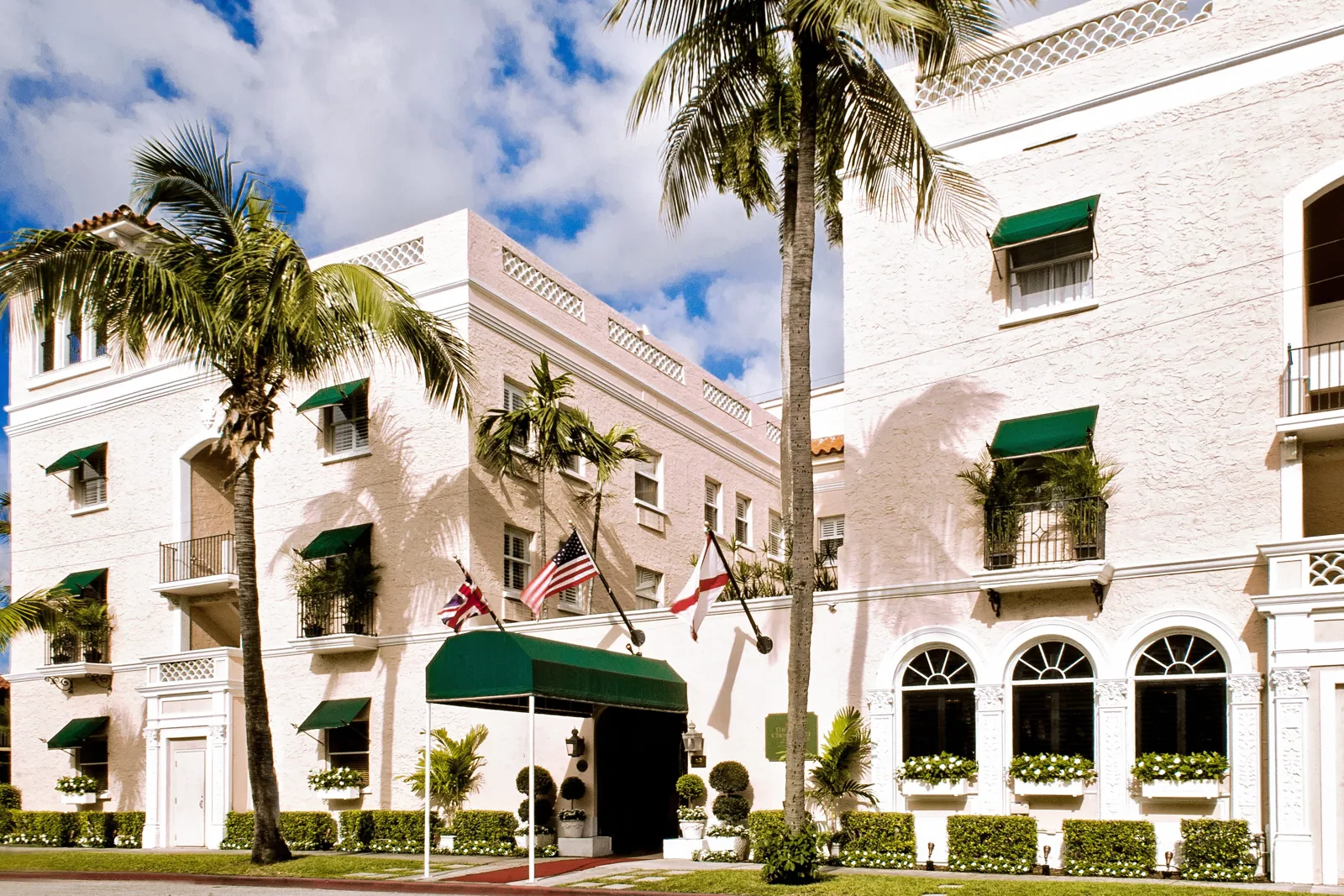
What does a leak tell you about the assembly?
A stain in a lab or lecture room is a location to investigate, not a map of the membrane failure. Water can travel along a deck, insulation joint or conduit before reaching the interior. We inspect penetrations, curb flashing, seams and drain tie-ins near the reported area, then identify where a test opening would answer a remaining question. If the roof is dry around the visible defect, the repair can stay local. If wet insulation extends outward, the repair limit needs to follow the confirmed material condition.
Class schedules, labs, pedestrian routes, and deliveries can shape a safe sequence, so we confirm the campus contact's priorities first. After a storm, we check attachment, edge metal, and flashing, then compare the findings with interior reports. When moisture is suspected beneath a broad surface, an infrared moisture survey can help identify areas for confirmation. Test results, not a surface image alone, determine whether insulation is removed.
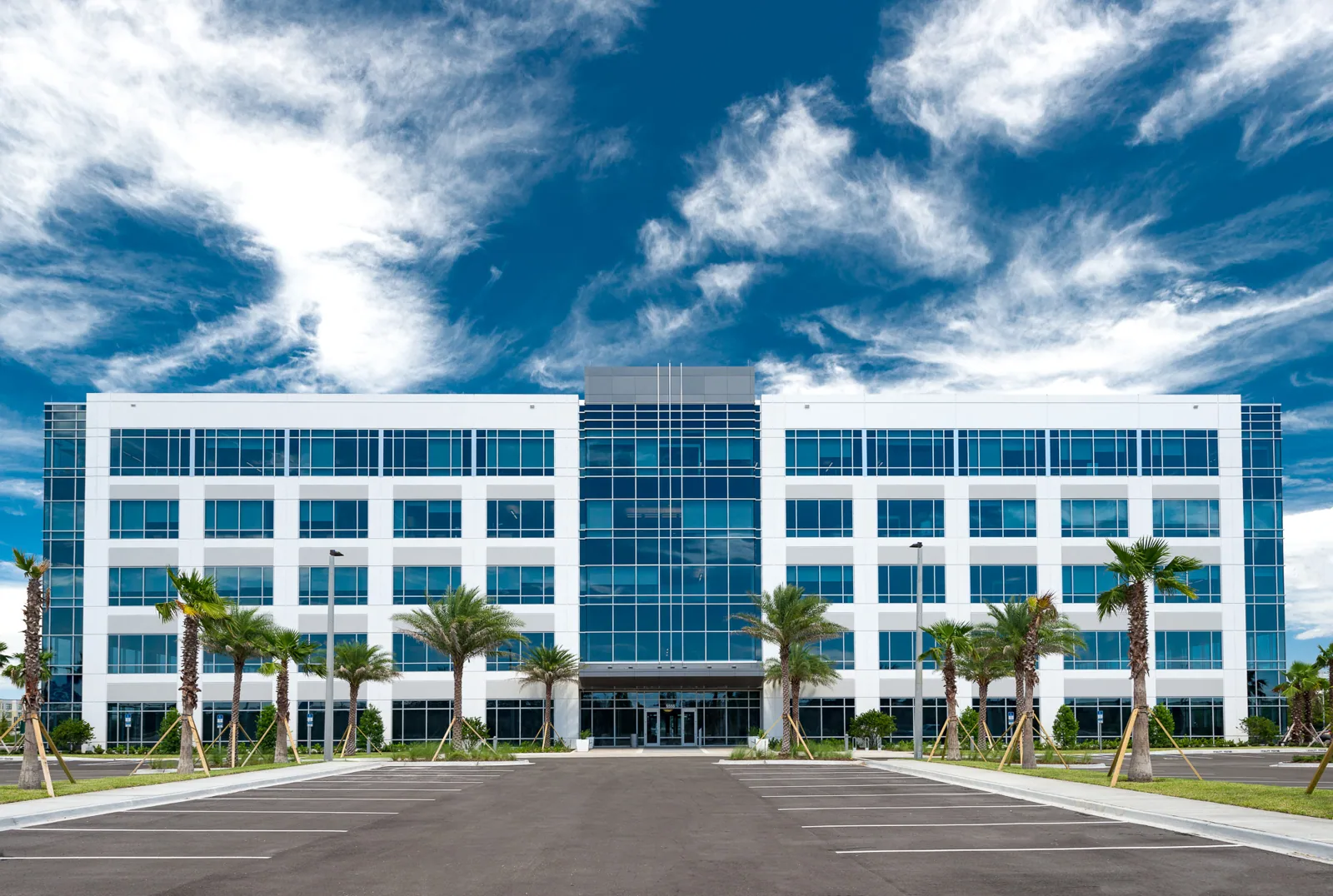
How can work stay clear of campus activity?
We confirm the access point, material route, staging location and contact who can approve a change after concealed conditions appear. A lift may cross a pedestrian route or delivery lane, so the campus team sets the work window. We mark the zone, protect the area below and limit openings to what can close that day. If several buildings are included, each roof gets its own sequence and dry-in point.
Miramar has mixed-use redevelopment combining residential and commercial components. State Road 7 has a transit-oriented designation with a pedestrian-oriented, mixed-use development framework. For a campus roof, the access point, pedestrian routes, and nearby equipment shape the work sequence. Campus operations confirm gates and loading restrictions for the scheduled visit. A phased occupied-building plan records required notice, open areas and daily tie-in protection.
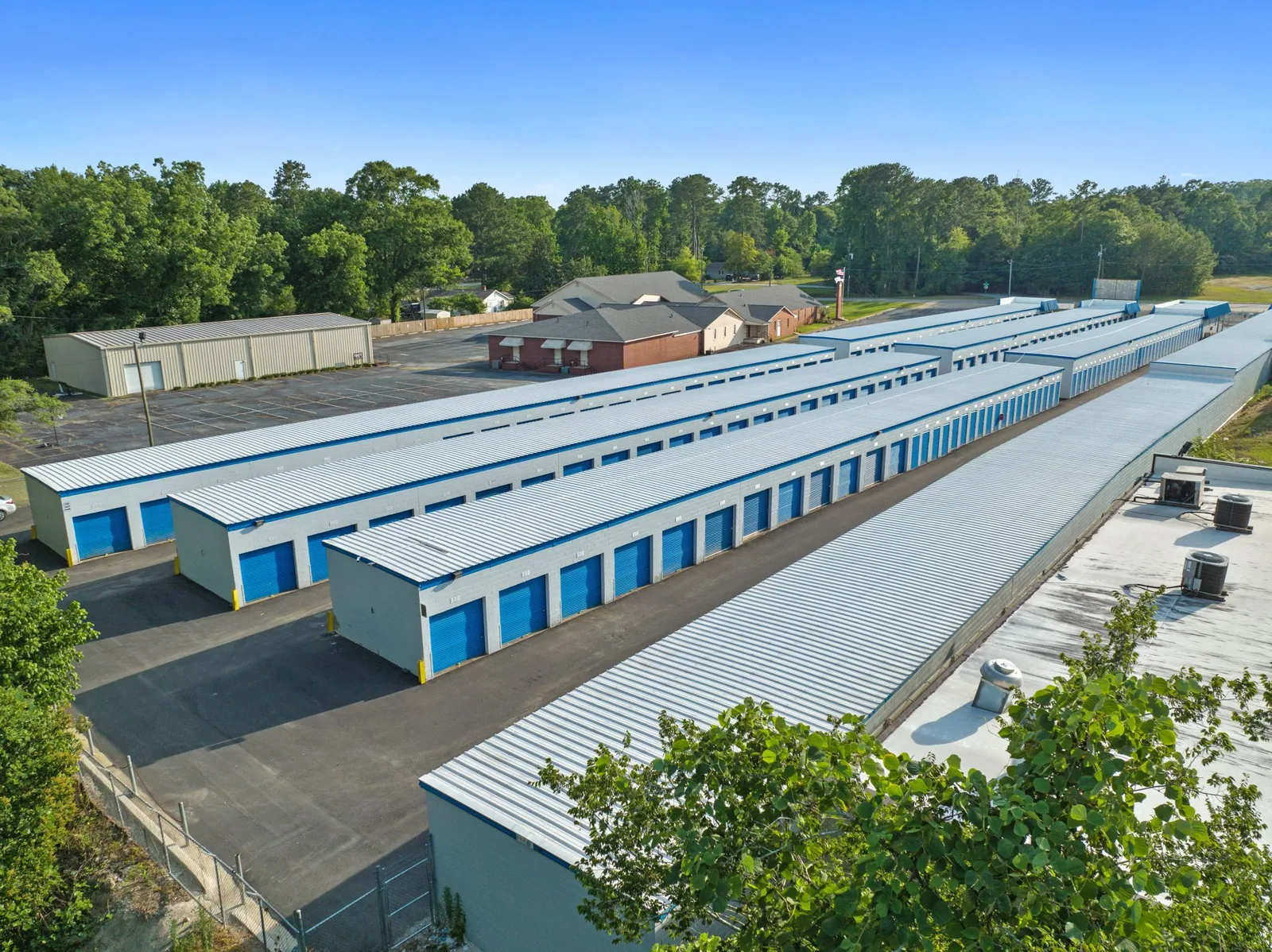
When can a campus roof be repaired?
A repair is a sound option when the membrane around the defect remains secure, the substrate is dry enough for the selected work and flashing can be tied into stable material. We remove the failed area to a clear boundary and record the completed patch. Several leaks near different equipment curbs may have separate causes. The inspection should distinguish each condition before a broad allowance is approved.
Equipment movement, access restrictions, interior protection and wet insulation can change both timing and cost. We identify known work and keep concealed repairs subject to approval if removal reveals a different condition. For a campus roof in Miramar, the confirmed repair boundary guides whether a broader system review is needed. If a membrane has repeated seam issues, a TPO assembly assessment explains the welding and flashing requirements for a replacement option without assuming that material is right for every building.
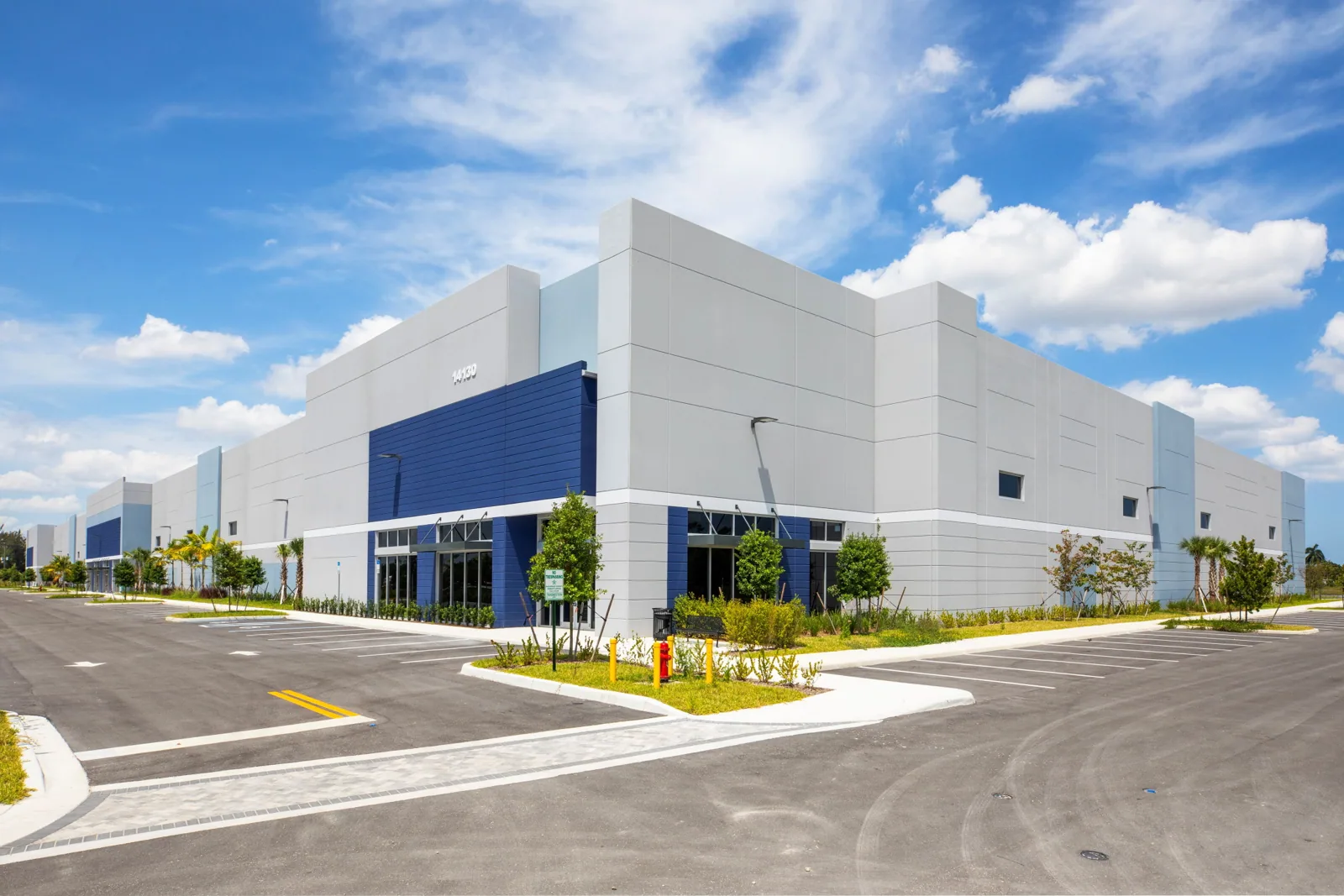
More about College and University Roofing
When should replacement be phased?
Replacement enters the discussion when wet insulation spans multiple zones, attachment has failed broadly, deck concerns recur or repairs no longer produce a reliable boundary. We compare sections by condition, drainage and detail density. A recover is possible only when the existing layers, moisture, deck and edge height support another assembly. Where tear-off is needed, the work plan records what will be removed and how each day's roof area will be protected.
Academic breaks can provide longer work windows, but design review, procurement, weather and inspection timing still affect the schedule. A phased scope should show which building or zone comes first, what can remain in service and what approval is needed if the deck differs from the survey. A replacement comparison can set out tear-off and recover alternatives. The owner can also use roof capital planning to separate urgent leaks from sections that can wait for a planned funding cycle.
What should the facilities team retain?
Keep marked roof plans, photographs, test locations, repair limits, material notes and closeout dates in one record. A facilities manager can compare recurring conditions across terms and show why one zone received repair while another remains in service. Note access restrictions and any section not safely reached. The record should distinguish visible conditions from assumptions and identify tests that could change the scope.
At turnover, we review the completed area, explain any remaining maintenance item and confirm the next inspection or repair step. A severe leak cannot wait for a semester boundary. Campus facilities should identify occupied rooms, labs and rooftop equipment needing coordination before a section is opened. Schedule a college roof review in Miramar. We will document the roof condition, identify the work window and set a practical repair, testing or replacement decision for each affected building.
Commercial Roofing Questions
Can roof replacement be scheduled between academic terms?
A break can provide more access, but design, materials, weather, inspections and equipment coordination still set the sequence. We identify the sections that can be completed in that window and the areas that need another phase. The owner receives a daily dry-in plan and approval points for concealed conditions.
How should we handle a leak above a laboratory?
Tell us which room, equipment and ventilation system may be affected. We inspect the roof details above the report and coordinate any curb or equipment work with the responsible trade. The repair plan separates water protection, roof access and permanent work so the facilities team can manage the occupied space.
Do you inspect every campus building in one visit?
The number of buildings and safe access determine how much can be reviewed in one visit. We document each roof separately and do not extend a finding from one assembly to another. A campus inventory can be phased, with urgent leaks addressed before lower-priority sections.
What makes a recover unsuitable for a college roof?
Wet insulation, unstable attachment, deck concerns, excessive layer buildup or insufficient edge height can rule out another assembly over the existing roof. We verify those conditions before recommending a recover. Where openings are required, the scope identifies the test location and who approves added work.
Can the report support a multi-year campus budget?
Yes. We can organize confirmed repairs, testing needs and replacement candidates by roof zone, with photographs and condition notes. The team can compare urgency and sequence without treating every building as the same project. Budget timing remains tied to the field condition and institution approvals.
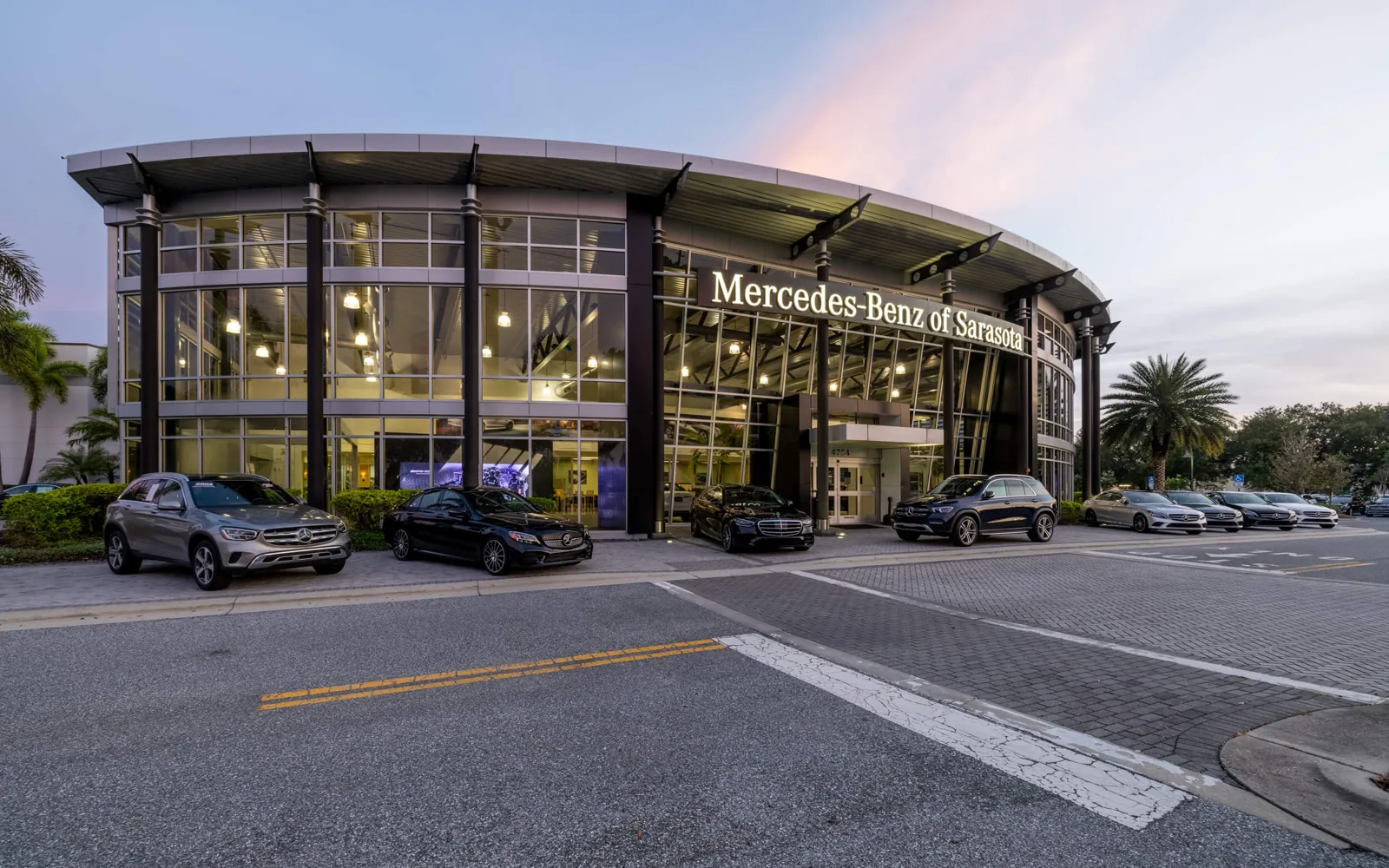
Miramar, Pembroke Pines, Davie, Hollywood, Opa-locka, Miami Gardens, Miami Lakes and Doral in Broward and northern Miami-Dade County.
Request a Roof Assessment
Send the building address and what the roof is doing. We reply with a roof visit date and a written scope.