
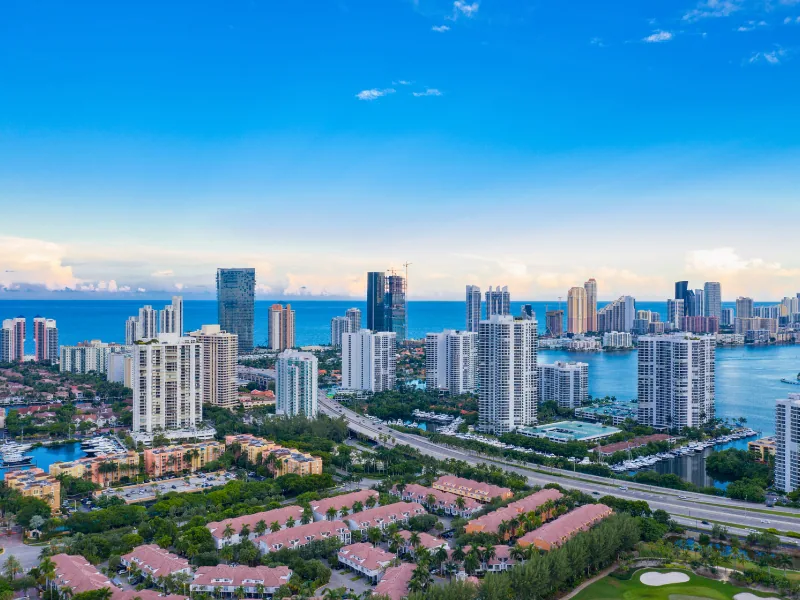
Commercial Roofing in Griffin Corridor District, Davie, FL
On a corridor district with industrial and transit-oriented planning, roof access and operating hours can shape the repair as much as the membrane. Davie maintains a Griffin Corridor District design manual and map in its planning inventory. The town's redevelopment plan identifies Griffin Road and Orange Drive as major east-west routes in its redevelopment area. We inspect the actual building, document roof access and trace any water entry before setting a scope. A Davie commercial roof review can cover properties beyond this district.
How should the district name guide a roof visit?
The planning boundary identifies a broad service area, not a property's roof system. Davie lists industrial land and transit-oriented development among its investment opportunities. We verify the assembly, access, edges, drains, rooftop equipment and prior repairs on site. The inspection record then stays tied to observed roof conditions.
We start at the reported leak area and check laps, wall transitions, curb flashing, penetrations, drains, edges and nearby patches. Photos show the defect and surrounding material. If the interior symptom appears away from the entry, we trace the likely route and mark where testing may be needed. Our condition report records what is confirmed, what remains uncertain and what approval is needed before opening the assembly.
Griffin Road and Orange Drive are identified as major east-west routes in the redevelopment area. The route context is useful when planning access and deliveries, but we confirm the entrance and staging point with the property contact. We do not assume a particular driveway, loading area or roof access exists. A Davie Road Corridor review and an Orange Drive service-area inspection can address adjacent broad areas when the owner's portfolio crosses the district boundary.
Where does rain test the roof assembly?
Before scheduling roof work, we inspect the property's drain paths and attachment details after a reported weather event. On the roof, we check whether the drain path is clear, whether water reaches the intended outlet and whether membrane or flashing near the drain is open or deteriorated.
At the perimeter, we inspect metal joints, cleats, fasteners, termination details and the transition from membrane to wall. Strong wind can expose a loose edge or an open lap, while rain may reveal a weak transition that had not leaked in dry conditions. We photograph the condition before temporary protection changes the evidence. A wind damage review can define that check; drain and scupper work can isolate an outlet repair from unrelated membrane concerns.
If insulation is wet, the final scope may extend beyond the visible opening. We mark likely boundaries and use testing to determine whether the assembly needs a broader repair. Replacing a drain bowl or coating a surface without finding the moisture path may leave the source in place. A ponding-water assessment considers slope, outlet function and membrane condition together. The repair description should say which details will be opened, replaced or retained.
What site information changes the work window?
Davie's industrial and transit-oriented planning does not establish a property's operating limits. We confirm hours, vehicle movement, delivery limits, access, equipment and blocked areas with the site contact. Those constraints shape staging and roof-zone order. We identify any mechanical coordination before roofing starts.
During repair or replacement, a roof section should not remain open longer than the crew can protect it. We define the area, material drop, inspection point and dry-in detail before removal. When the site needs daily access along a loading edge or entry road, work can be sequenced so that one route remains available if conditions permit. The occupied-building work plan states the closure point and any protection below.
Weather, access and approvals affect timing. If a test opening finds more wet insulation, we document the result and request direction before extending the work. Cost follows area, removal depth, insulation, deck repairs, edges, drainage, access and protection below. The estimate separates confirmed work from items that need testing.
When is a repair enough for a district property?
An isolated puncture, open seam or failed curb can support a defined repair when nearby material is attached and dry. We prepare the surface, tie the repair into sound material and photograph the finished detail. If several complaints recur along one roof zone, or moisture extends below multiple transitions, we review the assembly rather than extend a small patch without evidence. A commercial roof repair scope identifies the repair boundary.
A recover may fit when the deck, existing layers, perimeter height and insulation can support another roof system. Wet materials, poor attachment or drainage problems can rule that out. Coating restoration has its own surface preparation and compatibility requirements. We explain why a repair, recover or replacement matches the condition found at the property. The replacement review can compare removal and new-system work if a local repair no longer addresses the broader roof.
Davie's planning inventory and road network provide area context; they do not substitute for a roof inspection. The scope records the actual system and conditions, including wet insulation, flashing, drains and equipment supports. A property manager can compare the cost and schedule of immediate repair against a phased capital project with that evidence in hand. A capital planning review can carry the priorities into the next approval cycle.
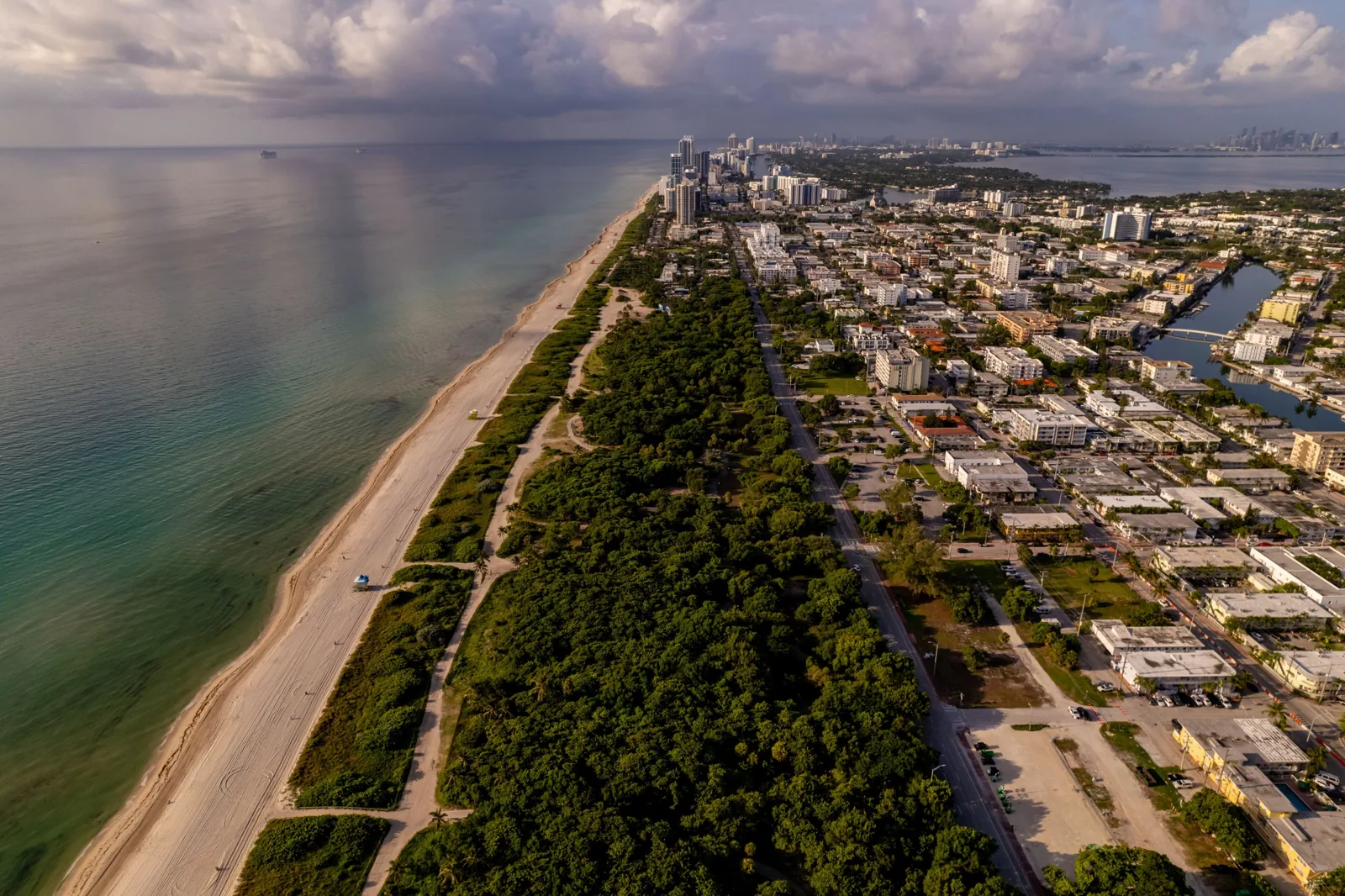
More about Griffin Corridor District
What should stay in the roof file?
Keep the roof map, photographs, leak dates, approved scope, test results and closeout record together. Each entry should name the roof zone and detail, plus what remained outside the approved work. A later manager can compare a new complaint with the prior repair.
We ask the property contact for the operating constraint and inspect the structure itself. When an owner's work also reaches Miramar, the Miramar Parkway corridor service area covers another broad market location.
Schedule a roof visit for the Griffin Corridor District and share the property access instructions, leak location and known work records. We will inspect the roof details, document the repair boundary and explain whether testing or a broader assembly review is needed. The written recommendation will connect each proposed task to a visible finding or an approved test.
Commercial Roofing Questions
Does the district design manual specify the roof on my building?
No. It defines planning context, not a property's roof assembly or condition. We identify the system and inspect its seams, flashing, edges, drainage and equipment details on site before recommending work.
Can a corridor roof review include the property's access plan?
Yes. We confirm the entrance, roof access, delivery route, lift location and operating limits with the site contact. Those details affect staging and work windows, even though the corridor map alone does not establish property access.
How do you handle a roof leak after a South Florida storm?
We document the reported area and inspect the roof for open seams, loose edges, damaged flashing, blocked outlets and moved equipment details. Temporary protection may be needed before a permanent scope can be set. The repair boundary follows observed conditions and any testing required.
What if a test opening finds more wet insulation?
We photograph the opening and compare the result with the approved limit. Work pauses at that boundary while the owner reviews the added condition and cost. The scope can expand after approval, with the added insulation or deck work recorded separately.
When should a district property consider a replacement review?
Recurring leaks, widespread moisture, weak attachment or deck concerns may justify comparing replacement with local repairs. We inspect the assembly, drainage and perimeter details first. A recover is considered only when existing layers, insulation, deck and edge height can support another system.
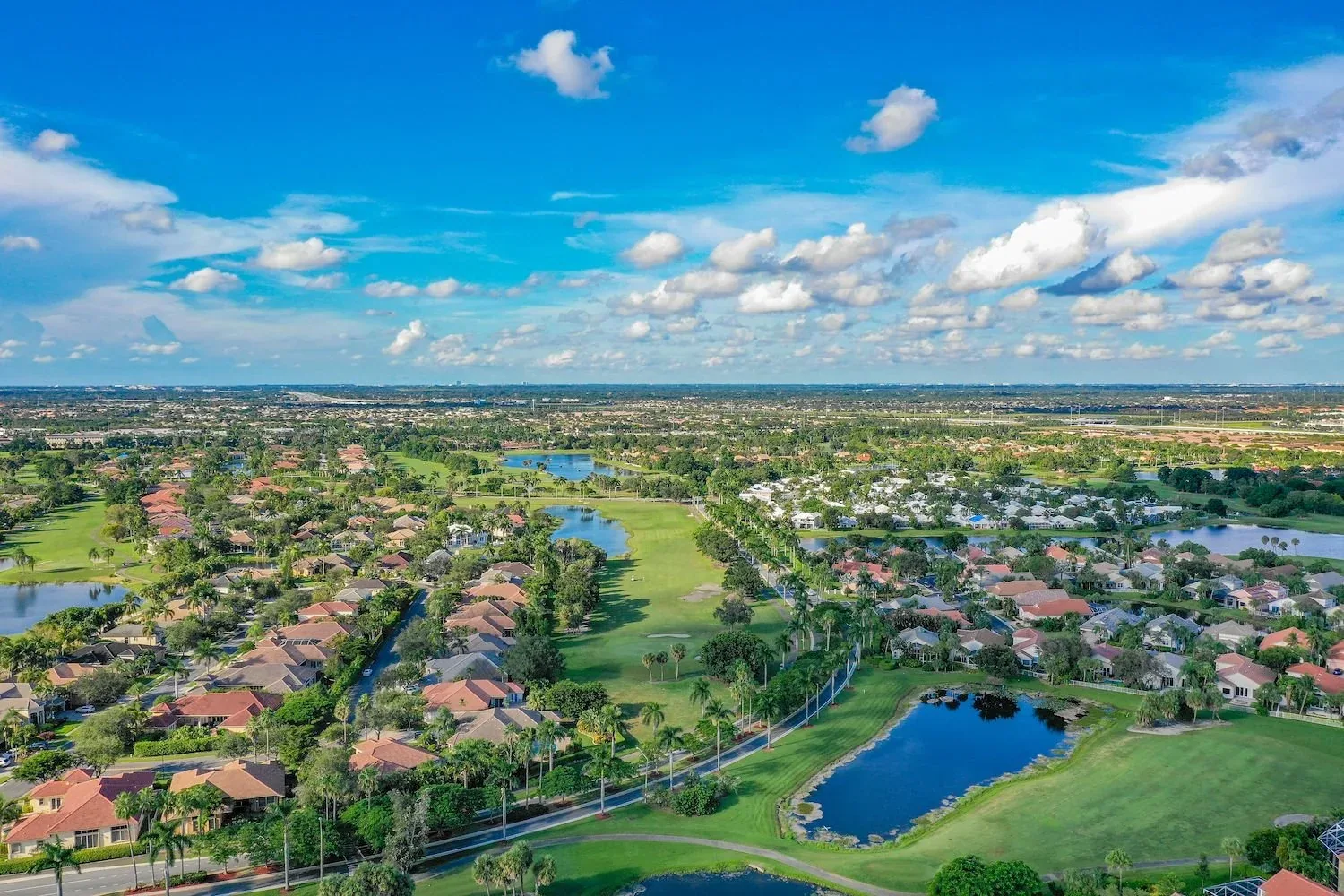
Miramar, Pembroke Pines, Davie, Hollywood, Opa-locka, Miami Gardens, Miami Lakes and Doral in Broward and northern Miami-Dade County.
Request a Roof Assessment
Send the building address and what the roof is doing. We reply with a roof visit date and a written scope.