
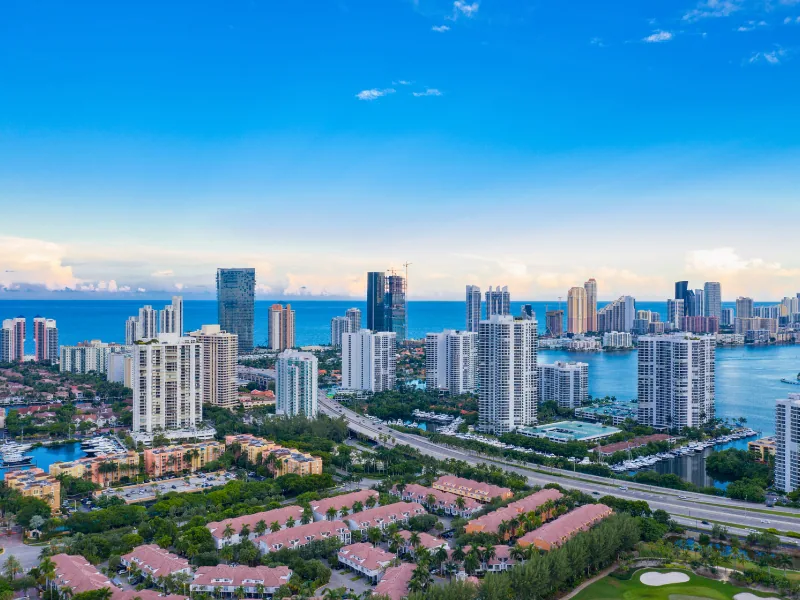
Commercial Roofing in Orange Drive Corridor, Davie, FL
Transit-oriented planning can place several building uses near one roadway, but the roof decision still starts at the property. Davie includes Orange Drive among its corridor planning projects. The program addresses stormwater and roadway planning alongside land use. We inspect the roof itself, record access limits and follow each leak to the detail that supports the work. A Davie commercial roofing review can also cover nearby town properties.
Which roof details should the visit map?
A route plan cannot show what membrane, insulation or flashing is installed on a particular building. We identify the assembly during the walk and map the roof sections, edges, drains, curbs and penetrations. The owner can connect each interior report with the roof above it instead of treating every stain as the same problem. Photos show the surrounding material and the transition that may admit water.
Distribution, manufacturing, healthcare and technology are among Davie's industries. Those town-level categories tell us to ask about operating hours and equipment access, not to assume a corridor building has a specific use. We confirm those limits with the site contact. For a business with loading activity, the work plan may need a defined delivery route; for an occupied clinic or office, notice and interior protection may shape the shift. For an occupied building, we mark the daily work boundary and dry-in point.
At each suspected leak, we check laps, wall transitions, drains, scuppers, curb flashing, pipe penetrations and nearby patches. Water can move below the surface before it reaches a ceiling. If the likely entry point is uncertain, we mark a test area and explain what the opening would confirm. The roof inspection records the observation, and a photo-supported report ties it to the proposed repair limit.
How do stormwater and roof drainage meet?
Orange Drive planning includes stormwater and roadway work. At the building, we examine how the roof handles water before it reaches ground-level systems. The path begins at slope and low points, then runs through a drain or scupper and its connection to the membrane. We check whether debris blocks the opening, flashing has separated or water marks point to a repeat problem. We inspect the roof's slope, outlets, seams and flashing at the building.
For a roof along Orange Drive, we separate stormwater and roadway planning from the building's own drain condition, then scope the actual roof work. After a reported heavy-rain event, the inspection can include outlets, open laps, penetrations and interior evidence. A pond on the surface may reflect a blocked drain, deflection or a low area. We photograph the extent and look for evidence that distinguishes those causes before proposing a slope correction, drain repair or broader assembly work. Drain and scupper service addresses the outlet, while a ponding-water assessment considers the full path.
If wind or hail is reported, we inspect edge metal, laps, rooftop attachments and impact points. A regional alert is not a building-specific damage record. We document what moved or opened on this roof and identify any temporary protection needed. The wind damage review can separate storm-related conditions from older wear and prior patches.
When is a localized fix supported by the evidence?
A small puncture or open lap may be repaired where the surrounding membrane remains attached and the insulation below is dry. We clean the surface, connect the repair to sound material and record the finished detail. If similar defects appear at several transitions or moisture extends beyond the visible opening, we map the larger area and confirm conditions before extending the scope.
A recover depends on the existing layer count, deck, insulation, perimeter height and drainage. A new system cannot make wet material sound. Coating restoration requires a compatible, prepared base and treatment of seams, penetrations and outlets. We compare these options with the roof's observed condition and tested assembly. A repair scope defines isolated work, and a replacement review can address widespread deterioration or recurring leakage.
Cost follows measured area, removal, wet insulation, deck repair, access equipment, edge conditions, drain work and interior protection. The estimate identifies included quantities and separates unknown conditions that need an approved test. Timing follows material delivery, access, owner approvals and a dry-in method for each shift. If corridor traffic or a site project limits the entrance, we confirm another delivery arrangement with the property contact before scheduling.
What should be agreed before the crew opens the roof?
We confirm roof access, staging, lift placement, business hours, tenant notice and the daily closure point. The work plan identifies which sections can be open at once and where materials will go. If a mechanical unit, solar equipment or a utility line affects the roof path, the responsible trade is identified before removal. That reduces the chance that a roof detail is left waiting on an unplanned equipment move.
Davie corridor planning considers land use, roadways and stormwater; Griffin Road is a major east-west route in the redevelopment area. These area facts help frame coordination but do not determine the entrance or work hours at one building. We obtain those details directly from the site. If a portfolio also includes the Griffin Corridor District or Davie Road Corridor, we keep each roof sketch and repair limit with its building.
Before work begins, the owner should know who can approve a change if a test opening finds wet insulation or damaged deck. We photograph the result, state the added area and wait for direction before expanding beyond the authorized boundary. At closeout, the report notes the material installed and any work deferred. Those records support future maintenance and make a later leak easier to compare.
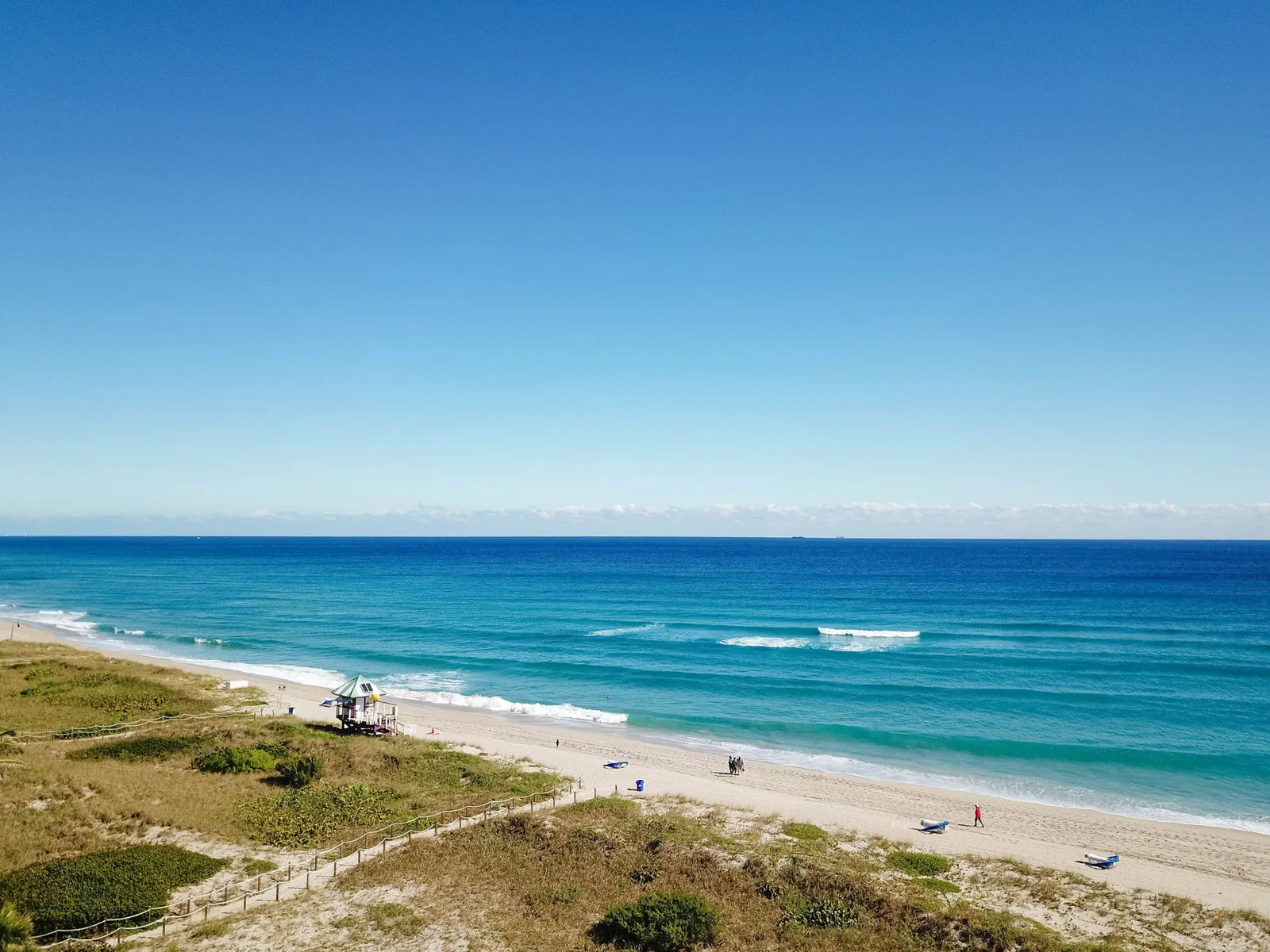
More about Orange Drive Corridor
What belongs in the building's roof record?
Keep the roof map, inspection photographs, leak location, approved scope and closeout record together. Note which details were repaired and which remained outside the work. If a test opening was made, add its location and result. This lets a future manager see why the repair stopped at that boundary and whether a later complaint needs a new inspection or a maintenance follow-up.
Davie has more than 900 acres of industrial-zoned land. Local industries include aerospace, biopharmaceuticals, distribution, education, healthcare, manufacturing, maritime and technology. The inventory is town-wide, and it does not establish the use or construction of a particular Orange Drive building. We use the property's actual operations to set access and staging, then tie the roofing recommendation to the visible assembly. A capital planning review can carry confirmed deficiencies into the next budget cycle.
Schedule a commercial roof review in the Orange Drive Corridor. Share the leak location, access instructions and prior repair notes. We will inspect the drainage path and transitions, explain the repair limit and identify any test needed before a larger project is priced.
Commercial Roofing Questions
Does Orange Drive's corridor plan tell you how a building's roof drains?
No. The plan concerns area-level roadway, stormwater and land-use work. We inspect the building's slopes, low points, outlets and membrane details to determine its roof drainage condition.
What if a ceiling leak is far from an outlet?
Water can travel along a deck or roof layer before entering the building. We compare the room report with nearby seams, curbs, drains and wall transitions, then photograph the likely path. Testing may be needed to confirm concealed moisture.
Can a stormwater project interfere with roof repairs?
It can affect access or delivery at a property, depending on current site conditions. We confirm the entrance, staging area and work hours with the property contact before setting the schedule. The roof scope is based on what we inspect at the building.
How do you prevent a roof opening from being caught by rain?
We choose an opening that can be secured during the planned shift and define the dry-in method before removal. Weather changes may alter the work window. The site contact receives the condition and any approval request if hidden damage extends beyond the scope.
When should the owner consider a full roof review?
Repeated leaks, widespread moisture, loose attachment, deck concerns or multiple failed transitions can justify a broader assembly assessment. We map the condition and compare repair, recover and replacement only after checking the existing layers and drainage.
Miramar, Pembroke Pines, Davie, Hollywood, Opa-locka, Miami Gardens, Miami Lakes and Doral in Broward and northern Miami-Dade County.
Request a Roof Assessment
Send the building address and what the roof is doing. We reply with a roof visit date and a written scope.