Commercial and industrial projects in Miami Gardens begin with the roof condition and the use below it. The city reviews site plans, plats and zoning for commercial and industrial development and redevelopment. We inspect the assembly, locate drains and penetrations, and record seams, edge metal and curb flashing before deciding what belongs in the repair. A commercial roof inspection can set that baseline, and the commercial and industrial districts in Miami Gardens each need a roof scope tied to the inspected building.
What does a property plan not tell us about the roof?
Planning and zoning review describes land use and project review, not the roof assembly on an existing building. We verify the roof in place: membrane or metal, visible layers, drainage, perimeter attachment and penetrations. We also note access, equipment clearances and the interior locations where water has been reported. If a leak mark sits away from a likely opening, we trace the route rather than draw a repair boundary from the ceiling alone.
Owners, businesses and developers can use Miami Gardens’ parcel-level zoning lookup to confirm zoning details. We inspect the roof assembly, drainage and penetrations to determine its condition. For redevelopment or a capital review, a photographic condition report can distinguish observed defects from areas that need testing. A moisture survey may help focus an approved confirmation opening where wet insulation could be concealed.
Which details can keep a leak active?
Water may enter at an open seam, damaged penetration, wall transition or restricted drain. We inspect each detail and note whether the surface directs water toward the outlet. Drain bowls, scuppers and low areas deserve attention where water has lingered. A blocked outlet needs a different correction than a split lap, so the scope separates drainage maintenance from membrane repair. If testing finds moisture beneath the roof, the repair method may change.
Miami Gardens reviews commercial and industrial site plans. At the property, we inspect drains, attachment and flashing, then record the existing assembly and repair boundary. We photograph what is visible and identify any test needed. A drain and scupper inspection can clarify outlet condition, while a leak tracing visit compares the roof evidence with the interior report.
What should be recorded after severe weather?
We look at corners, edges, seams, curb flashing and rooftop supports for movement after a reported wind event. Loose metal, an open lap and a displaced support are separate findings. The photo record should capture the detail before temporary protection alters it. We compare the roof observation with the room or equipment report and state what remains uncertain, so a repair does not reach beyond confirmed damage.
South Florida faces tropical-cyclone and severe-weather threats that make post-storm roof checks relevant for commercial assets. For a Miami Gardens building, parcel-level zoning verification can identify the permitted use, while the roof inspection determines the assembly and scope. After a reported event, the roof inspection checks edges, curbs, seams, drains and penetrations at the property. The wind-damage inspection documents what the roof shows. For a Miami Gardens roof, share the leak location, interior risk and access instructions so the visit can be scoped. A emergency roof response review connects the affected zone with the interior path before repair tasks are set.
How can a roof decision stay tied to evidence?
A localized puncture or failed flashing can fit a repair if adjacent material is sound and dry. Repeated failures, broad moisture, weak attachment or deck concerns can call for a larger comparison. We inspect layer count, insulation, edge height and drainage before discussing a recover or coating. A new layer should not cover wet material. The owner gets the proposed repair limit, the known conditions and any test that could alter quantities.
The statewide effective code is the Florida Building Code, 8th Edition (2023). Project requirements depend on the work proposed. Before a replacement estimate, we document the roof assembly, perimeter conditions, penetrations and drainage elevations. Cost and timing depend on area, removal depth, deck and insulation work, equipment conflicts, access, protection below and the dry-in sequence. A defined repair scope can address a current defect, while replacement planning compares broader renewal where the inspection supports it.
Miami Gardens uses land-use regulation to support business opportunities. Before work, the owner or manager identifies critical rooms, service routes, tenants and equipment constraints so the roofing sequence fits site operations. The work plan then shows daily access, material staging and the condition required before each shift ends. If removal exposes a different assembly, we pause at the approved boundary and bring the finding to the owner before changing the scope.
More about Miami Gardens
What keeps work manageable on an active property?
Roof access, staging, equipment clearance and protection below shape the work window. We agree on those items before material is moved. The roof is divided into areas that can be opened and secured in a shift, with a dry-in point identified before removal starts. The manager can set restricted hours or areas that must remain available. If wet insulation or deck damage extends beyond the planned limit, photographs and approval guide the next move.
Miami Gardens reviews development under state and local land-development regulations. For roof work, the property’s access rules and approved work windows set the schedule. A phased occupied-building plan can align protection and sequencing. For a separate nearby market, Opa-locka has distinct downtown, industrial and commerce districts.
What should the owner keep after the visit?
Save the roof sketch, dated photographs, scope, approvals and closeout images together. Record the repaired details, any test opening and what remains for monitoring. If moisture scanning was used, keep the marked reading locations separate from confirmed wet insulation. A follow-up visit can then compare the same roof areas and decide whether the repair boundary still fits. This record also supports planning when roof costs compete with other building work.
Miami Gardens reviews commercial, industrial and redevelopment proposals. Opa-locka's redevelopment area has separate downtown, industrial and commerce districts. Roof recommendations in either market come from the inspected building and its documented conditions. Schedule a Miami Gardens roof review to document drains, seams, flashing and access. We will explain what the roof confirms, where testing may help and which repair or renewal option belongs in the next budget step.
A closeout record should identify the daily secure condition and any work left outside the authorized limit. If another trade must clear equipment or restore a service line, note that dependency before the next visit. The owner can then coordinate access and approvals without assuming the roof is ready for a larger work area. Photos of the repaired edge, seam or curb provide a useful comparison for later inspections.
Commercial Roofing Questions
Does Miami Gardens zoning information show what roof is installed?
No. Parcel and zoning information concerns land use and project review. We inspect the roof layers, drains, seams and penetrations to identify the assembly and condition.
How can you check for water below a roof membrane?
We compare visible roof conditions and interior reports, then identify whether moisture testing or a small approved opening could answer the question. The result can change whether a repair or removal is appropriate.
Can storm history confirm damage at my property?
Regional weather records provide context, not a site diagnosis. We inspect attachment, flashing, drainage and interior signs at the building and document the conditions found.
What affects the timing of a commercial roof repair?
Access, weather window, material availability, removal depth, equipment clearance and the daily dry-in point all shape the schedule. We review those items with the property contact before opening the roof.
Can crews work while a commercial building remains open?
We can plan sections, barriers, protection and work windows around operating needs when the site conditions support it. The property contact confirms restricted areas and access before the sequence is set.
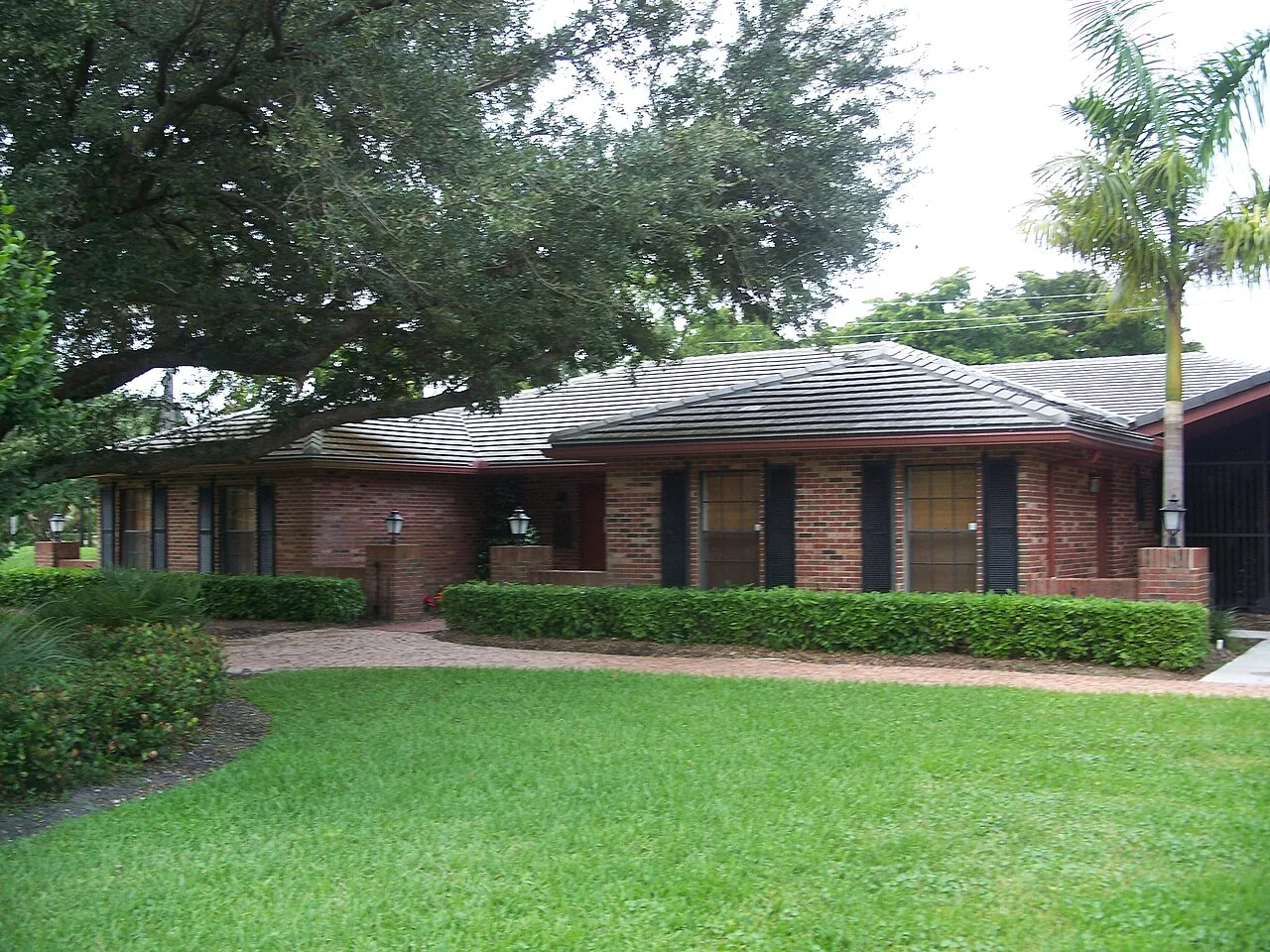
Miramar, Pembroke Pines, Davie, Hollywood, Opa-locka, Miami Gardens, Miami Lakes and Doral in Broward and northern Miami-Dade County.
Request a Roof Assessment
Send the building address and what the roof is doing. We reply with a roof visit date and a written scope.