
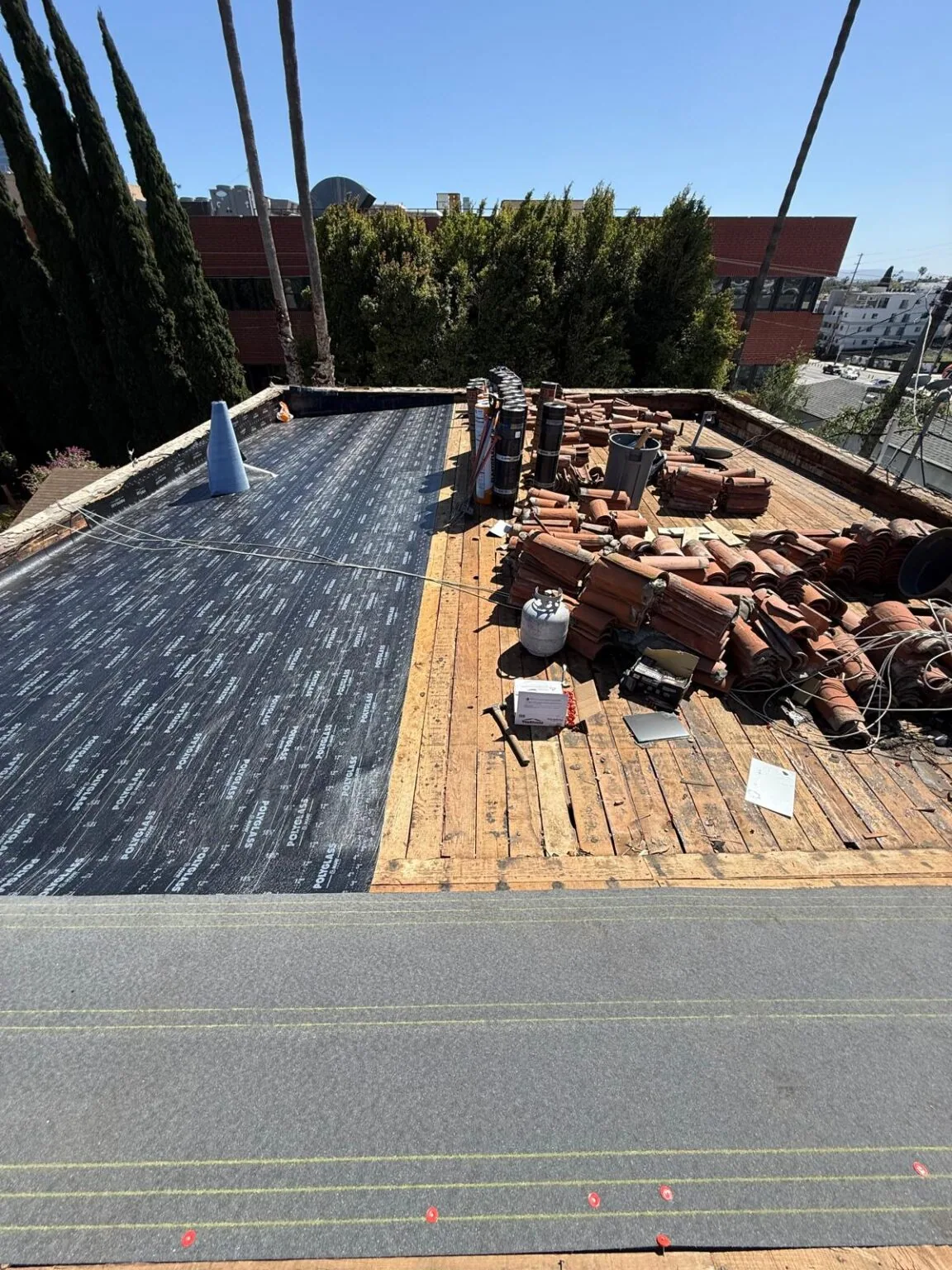
Commercial Roof Flashing Repair in Miramar, FL
A flashing failure often shows up where a roof changes direction or meets something that passes through it. Water at a wall, curb, skylight or pipe can follow the detail before appearing inside. For a Miramar commercial property, we inspect that transition and its surrounding membrane before choosing a patch, replacement detail or broader repair.
We begin with the leak location, timing and any earlier repair. On the roof, we check whether flashing has separated, cracked, pulled loose or lost contact at a seam. We also look for movement at the adjoining material and any drainage condition that could keep water at the detail. The penetration flashing review can define work at skylights and similar openings.
A sound repair has to tie into material that can support it. We check the fastening or termination method, surface condition and clearance around the transition before selecting the detail. We identify the affected transition, name what is included and note adjacent conditions outside the repair boundary. That gives an owner a practical scope instead of another patch whose limits are hard to see later.
What changed at the roof transition?
At a wall or curb, we look for a gap between the flashing and the surface it should protect. A loose termination, failed sealant joint, split membrane or damaged counterflashing can each create a different repair. We inspect enough of the nearby roof to see whether the problem is isolated or connected to an open seam, ponding area or previous patch.
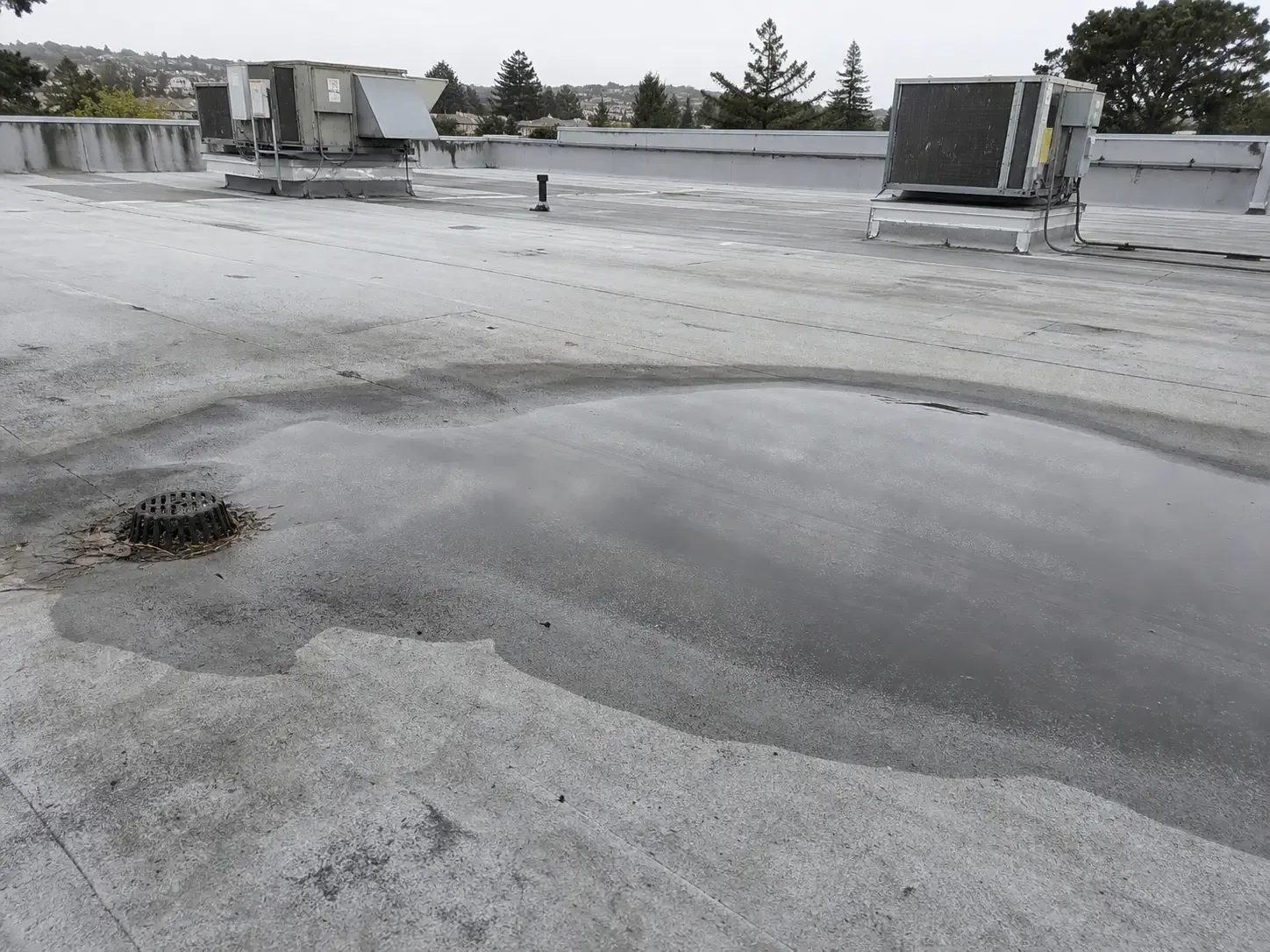
A flashing repair begins at the transition: identify the wall, curb or edge, then compare the termination with the adjoining roof field. Miramar's land-use categories include commercial, industrial, employment-center, office-park and regional-activity areas. The roof inspection identifies the flashing transition and water path at the property being repaired. For a property along Pines Boulevard or in Pembroke Pines, the roof inspection still sets the repair boundary and identifies the transition that needs work. We confirm the actual surface, fastener or adhesive condition, and route water has taken. If ponding is also present, a ponding-water roof review can help separate drainage concern from a failed flashing tie-in.
Repair method follows the existing system and detail. The work may require removing failed material, preparing the surface, installing compatible flashing and sealing or fastening the termination as designed. We explain where the work stops, what substrate was visible and whether concealed conditions could not be checked without opening the assembly.

How do curbs and rooftop units affect flashing?
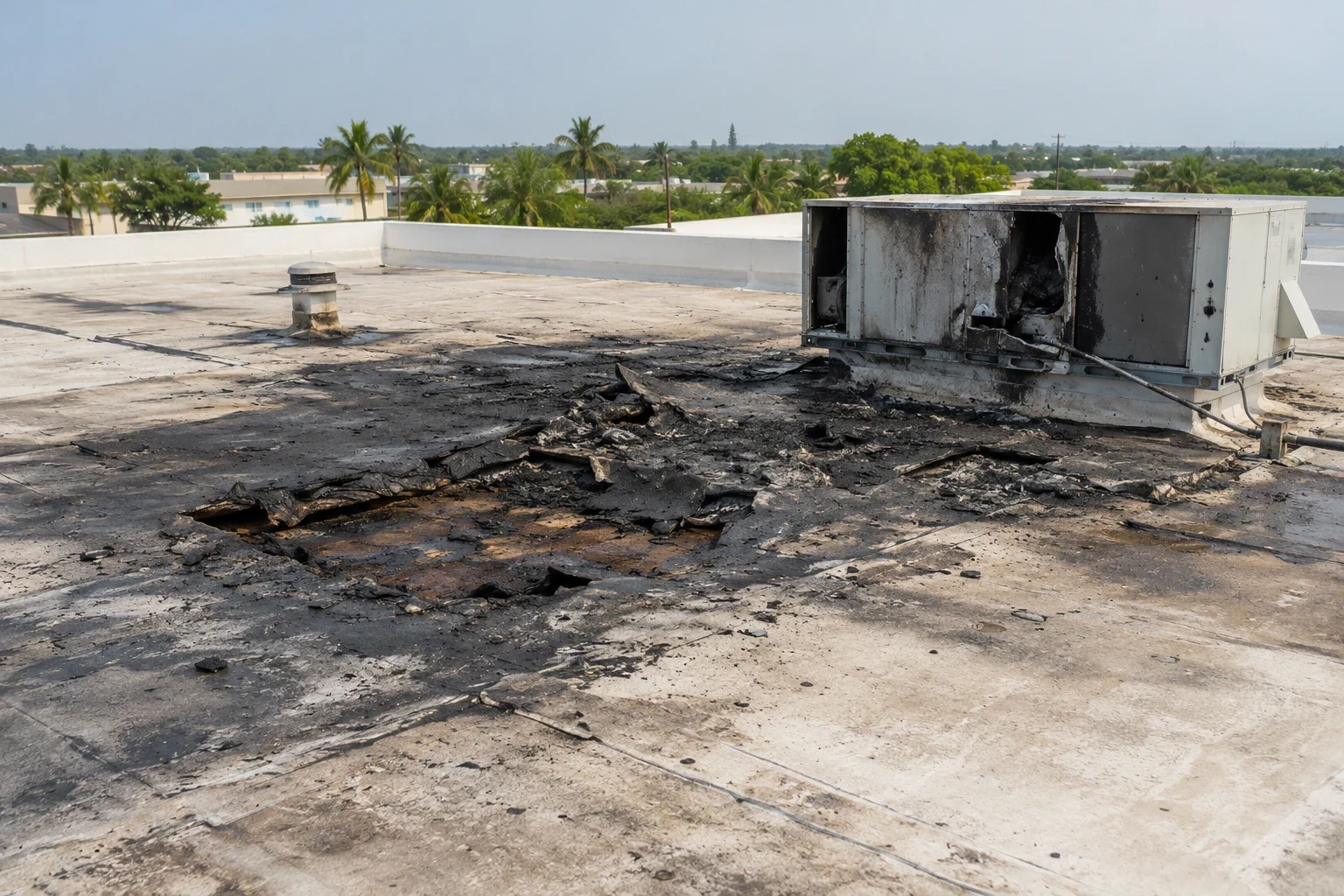
Equipment curbs combine a roof opening, a raised transition and service access. Vibration, maintenance movement or prior work can affect the roof-side flashing. We inspect the curb perimeter, nearby seams and any support details, then identify the roofing repair. If equipment must be disconnected or moved, the owner can coordinate that task with the responsible mechanical vendor before roofing work proceeds.
A roof detail should not block equipment clearance or leave a corner unsupported. The curb and support service can set out the roofing and equipment boundaries before a repair. That is especially useful when the leak report is near a unit but the entry path may be at an adjacent seam or penetration.
We photograph the condition from useful angles and label the location. The owner can compare the repair boundary with the equipment layout and retain the record for future maintenance. If a unit is operating, access requirements matter as much as the membrane detail; we do not treat the roof as an empty work surface.
Where can water travel after flashing opens?
Water can enter at a transition and move along the deck or insulation before it reaches a ceiling. The visible stain therefore helps locate a report but may not point directly to the opening. We compare the interior location with accessible roof details above and nearby, then record which observations support a possible path and which remain uncertain.
Where insulation may be wet beyond the exposed detail, we can discuss an infrared moisture survey when the roof assembly and weather conditions are suitable. The survey can inform the repair boundary, but it is a separate method with a defined area and scope. For active entry, an emergency roof response scope separates temporary protection from permanent flashing work; the facility contact confirms safe access.
A repair proposal should distinguish temporary measures from completed flashing work. It can name the detail, materials, preparation and any adjacent seam or drain area included. If a wider defect appears during work, we pause to document it and clarify the additional scope before proceeding beyond the approved boundary.
How does local weather change the inspection?
After a storm report, we inspect perimeter attachment, open seams, flashing, rooftop equipment, and drainage around the affected zone. We photograph what is visible and note which areas were accessible. A curb, wall, or pipe transition needs its own repair detail, so the scope identifies the location and tie-in before work begins.
For a flashing inspection in the Miramar service area, confirm building entry, roof-access instructions and leak history before the visit. We plan the inspection around the contact's access and the transition under review. At the detail, check termination height, fastener pattern, sealant condition, substrate stability, and whether adjoining membrane can accept a tie-in. If another finish covers the flashing, note what must be opened to expose a sound repair edge. Photograph the detail before preparation and after installation, then record the materials used and any adjacent seam left outside the approved boundary. The repair plan should identify the water path and distinguish a permanent tie-in from temporary protection.
More about Commercial Roof Flashing Repair
When is a flashing repair enough?
A defined detail repair may be enough when the failure is localized and the surrounding membrane remains suitable for a tie-in. If several transitions show similar separation, the roof has a pattern that deserves broader inspection. We document the difference between one failed curb and a recurring condition across roof zones so the owner can choose a proportionate scope.
Where a seam is also open, the repair should coordinate both details instead of covering one edge and leaving the other exposed. Our wind-related roof assessment considers edge movement after severe conditions, while a commercial repair scope defines the work area and method.
Keep the inspection photos, approved work, material information supplied for the repair and closeout notes together. A condition report can help locate the repaired transition on a future visit. That record gives a property manager a starting point if water returns or equipment work changes the curb area.
Commercial Roofing Questions
What roof locations commonly need flashing repair?
Transitions at walls, curbs, pipes, skylights and roof edges deserve review when water appears nearby. We inspect the actual detail and adjoining membrane before defining which part of the assembly needs repair.
Can new sealant fix a failed flashing detail?
Sealant may be one part of an appropriate detail, but it cannot replace compatible flashing or sound preparation where those are needed. The observed material and failure determine the repair method.
Why can a flashing leak appear far from the opening?
Water may travel through the roof assembly before becoming visible inside. We use the report location and roof observations to assess a possible path, and we state when additional access or testing would clarify it.
Does a leaking rooftop curb require moving the equipment?
Not always. We inspect the flashing and service clearance first, then identify whether roofing work can proceed in place or whether the equipment contractor must handle movement or disconnection.
What should be included in a flashing repair record?
Keep the detail location, photos, approved repair boundary, work completed and applicable closeout information. Those notes help distinguish the repaired transition from nearby details that were not included.
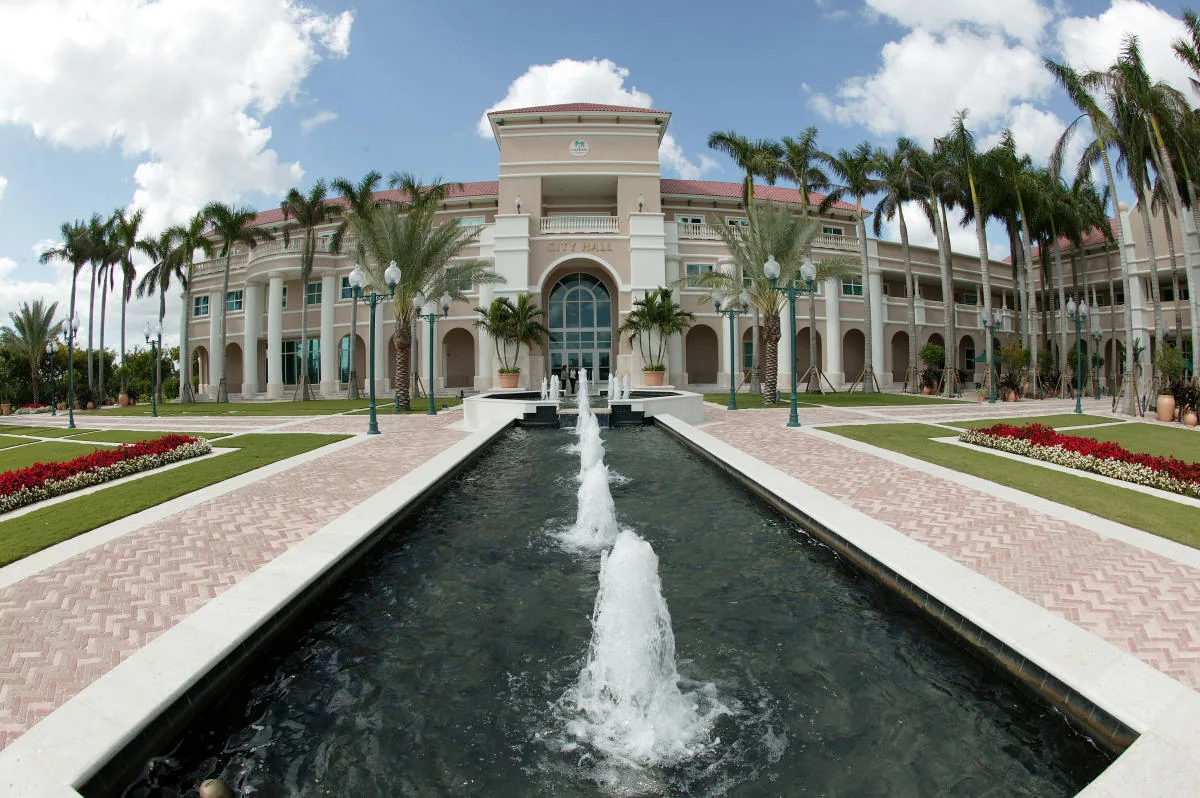
Miramar, Pembroke Pines, Davie, Hollywood, Opa-locka, Miami Gardens, Miami Lakes and Doral in Broward and northern Miami-Dade County.
Request a Roof Assessment
Send the building address and what the roof is doing. We reply with a roof visit date and a written scope.