

Hail Damage Roof Repair for Commercial Buildings in Miramar, FL
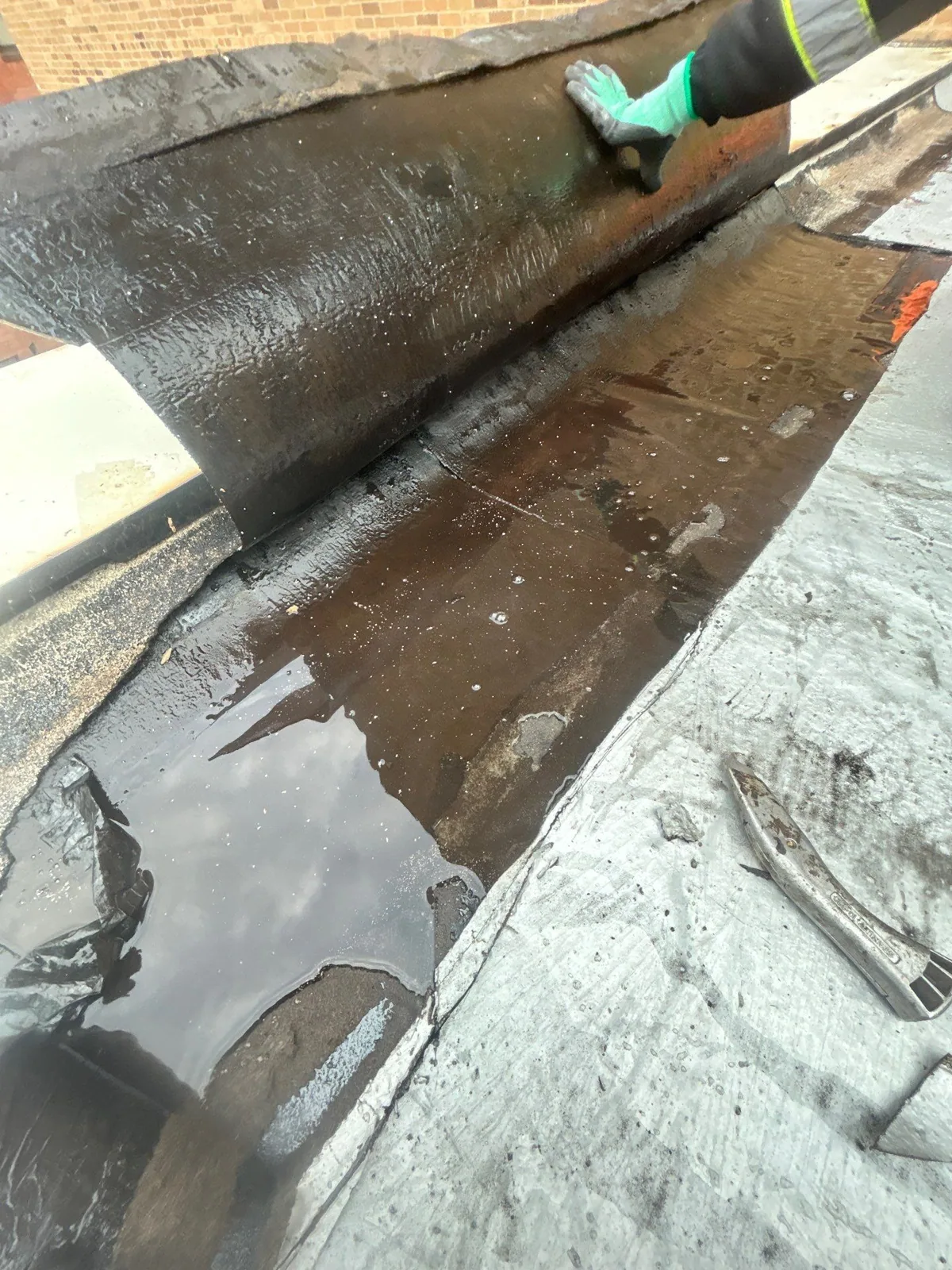
Hail can leave marks on metal, roofing membrane, coating and rooftop equipment, but a mark alone does not set the repair scope. We inspect the affected roof zone in Miramar, compare visible impacts with seams and penetrations, and document which conditions appear to affect roof performance.
The site review starts with the storm timing, reported areas and any water entry. We look for punctures, cuts, displaced edge metal, damaged flashing, fractured coating and impact marks around equipment. The surrounding membrane matters because a repair needs a stable tie-in. A commercial roof inspection can identify the visible extent and record any areas that need closer review.
Flood, hail, tornado, temperature and wind hazards in South Florida can affect roofs and rooftop equipment. After a hail report, we inspect affected zones and tie recommendations to visible impacts, seams and penetrations.
Which impacts affect the roof surface?
We map visible marks by roof section and note their relationship to seams, penetrations, drains and edge details. A dent in metal may call for a different review than a puncture through a membrane. At a coating, we check whether the impact fractured only the top layer or exposed the underlying assembly. The finding and the proposed work should stay clearly separated. A marked roof plan should distinguish confirmed punctures, coating marks, edge movement and details left untested. This gives the owner a location-specific record for repair approval and closeout.
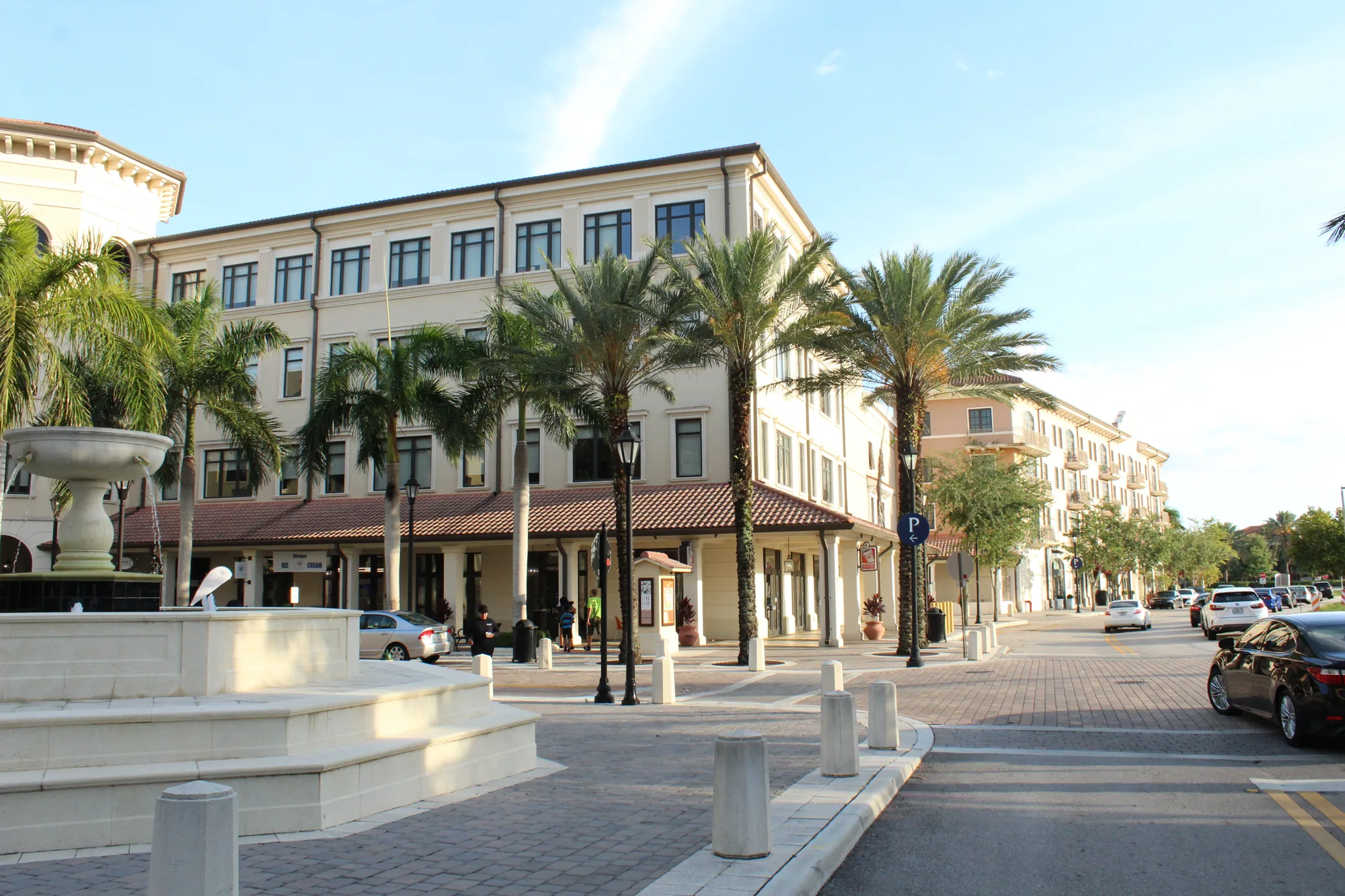
In Miramar, State Road 7 carries a transit-oriented designation and a framework for pedestrian-oriented, mixed-use development. A Miramar roadway project extends Pembroke Road from Dykes Road toward US 27 with a planned four-lane divided configuration. Before inspection, the site contact confirms roof access and the area exposed to reported hail. We confirm what is installed before selecting a repair method or comparing replacement options.
If an impact created an opening, our membrane puncture repair can address a bounded hole when surrounding material supports a patch. If marks coincide with loose metal or lifted edges, a wind-damage inspection can evaluate related movement. We keep each condition distinct so the owner can review the evidence.

What should be checked around rooftop details?
Hail can strike projections and components at different angles. We inspect curb flashing, skylight transitions, pipe penetrations, drains and edge metal for splits, cracks or movement. Equipment may show surface marks while the roof detail below it remains intact, or the reverse may be true. A hands-on review of the roof-side connection helps determine what needs repair.
At a curb or support, the roofing work may intersect with mechanical service. Our equipment curb and support review can clarify the roof detail and access boundary. We coordinate any equipment movement with the responsible vendor rather than shifting a unit based on a surface mark alone.
Water-entry reports can reveal a detail that needs more attention than the most visible impact. We compare the reported interior area with likely paths across the roof. If flashing has opened, a flashing repair review can address the transition; if water remains in a low area, a drain inspection can focus on the outlet and surrounding membrane.

How do you check for hidden moisture?
A surface impact does not reveal the condition of insulation below it. We note soft areas, prior patches, interior reports and visible openings that could allow water to move beneath the membrane. When those observations raise a moisture question, an infrared moisture survey may be discussed if the assembly and conditions are suitable.
The survey scope should identify the roof zone and how results would affect the repair boundary. It is not a substitute for opening the roof when direct inspection is needed. If water is actively entering, urgent protection may be needed while the permanent repair is evaluated.
For the owner, the next decision may be a local patch, replacement of an affected detail or a broader condition review. We explain which observation led to each option and what remains unknown. The owner can then approve the next step with the affected zone and repair limit in view. That makes it possible to distinguish visible hail marks that need maintenance from damage that changes the roof assembly or water path.

How does Miramar's weather context guide follow-up?
Hail and wind hazards in South Florida put exposed roof surfaces and rooftop equipment on the post-storm inspection list. After a reported storm, inspect metal edges, flashing, seams and equipment attachments, then record each observed mark by roof zone and material.
For one building, compare the reported impact zone with surrounding roof areas that appear intact. Keep photographs, water reports, repair history and the roof-map location in the same file; then identify whether the next step is a compatible patch, a test opening or a larger review. We confirm the project address, roof access and reported hail area before scheduling work.
For a roof review in the Miramar service area, share the affected roof section, interior leak report and access contact. We record findings by roof zone so the property team can compare each condition with the approved repair boundary.
More about Hail Damage Roof Repair
When should hail damage be repaired?
A repair may be needed when inspection finds a puncture, split, compromised seam or damaged flashing that creates an entry path or weak detail. A cosmetic mark that does not affect the roof may call for documentation and monitoring rather than a patch. We show the condition and explain the choice so the owner can approve work that fits the evidence. If impacts appear across several roof zones, we group observations by location and material rather than treating every mark as the same failure.
If impacts are widespread or repeated, the owner may compare repair with a larger roof review. A repair scope identifies locations and method. Broader work can be evaluated when the assembly condition supports it, but neither path should be selected from the storm report alone.
Keep dated inspection photos, the approved scope and closeout notes together. A well-labeled condition record can help the facilities team locate areas for a later check. If another storm occurs, the record separates previous repairs from new observations and helps the team plan follow-up. A facilities manager can also record whether the roof was wet, whether access was limited and which materials were visible. That context prevents a later review from treating an old mark as new damage or overlooking a changed condition.
Commercial Roofing Questions
Do visible hail marks prove a roof is leaking?
Not by themselves. We inspect marks near seams, penetrations and drainage details and compare them with any water-entry report. The repair scope follows the condition observed at the roof.
What roof materials should be checked after hail?
We review the installed membrane or coating, metal edges, flashings and exposed rooftop components. The material and detail determine what a mark means and whether a compatible repair is needed.
Can hail damage be limited to rooftop equipment details?
It can affect one component or several roof areas. We inspect around curbs, supports and penetrations, and coordinate equipment service with the responsible trade if access or movement is needed.
When is a moisture survey useful after hail?
A survey may help when the roof surface and history raise a question about moisture extending beyond a visible impact. We define the area and purpose first and explain when direct inspection is needed instead.
What should be included in a hail inspection record?
Keep the inspection date, roof-zone photos, observed marks, any leak reports, approved repairs and closeout information. Those details help distinguish conditions documented after one storm from later changes.
Miramar, Pembroke Pines, Davie, Hollywood, Opa-locka, Miami Gardens, Miami Lakes and Doral in Broward and northern Miami-Dade County.
Request a Roof Assessment
Send the building address and what the roof is doing. We reply with a roof visit date and a written scope.